Is Sugar Water Good for Plants? Here's the Science
Is sugar water good for plants? Learn how it affects roots and soil, what to do after using it, what to feed plants instead, and why cut flowers differ.
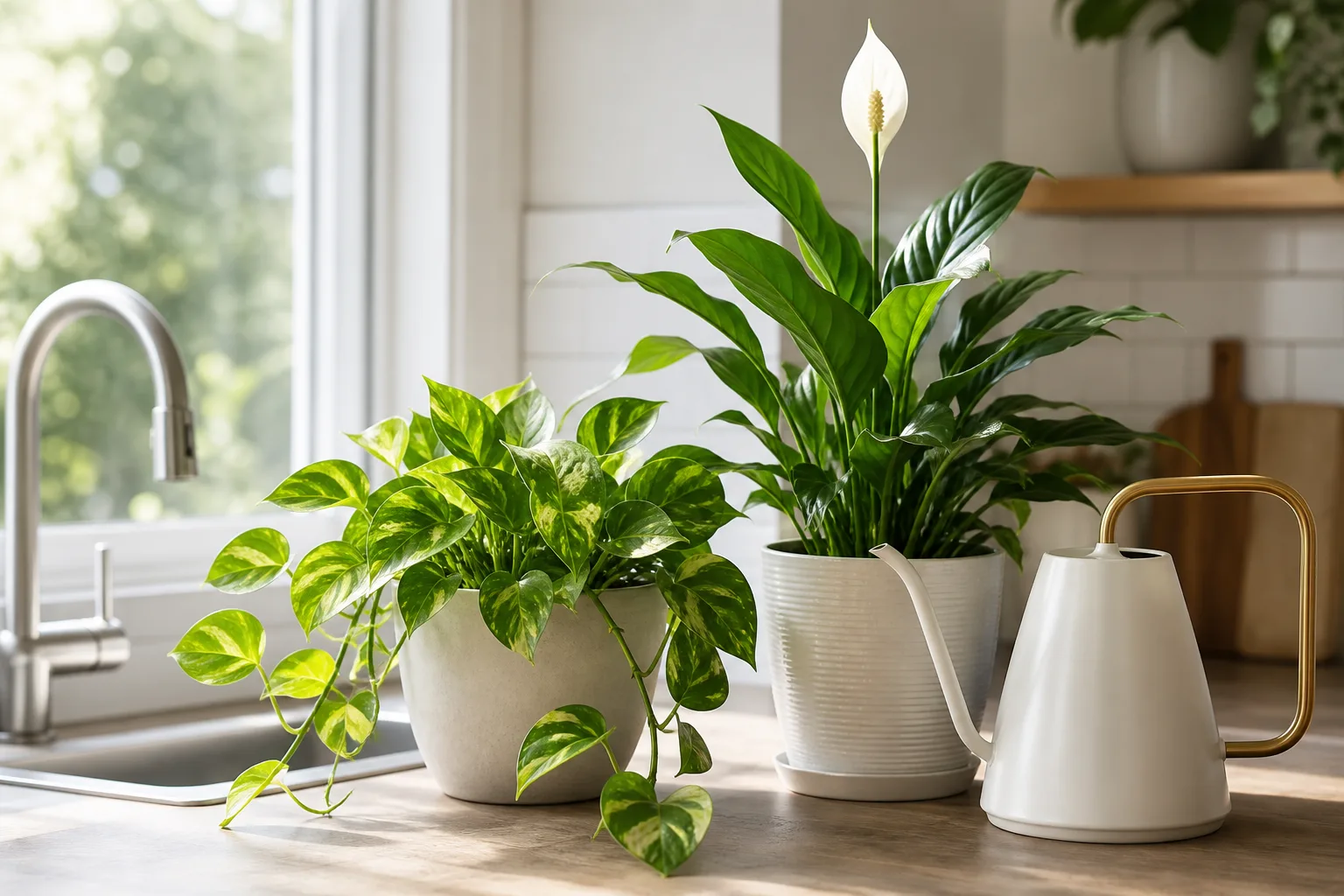
No—sugar water is not a useful routine fertilizer for plants growing in soil or potting mix. Plants make most of the carbohydrates they need through photosynthesis, while roots take up water and mineral nutrients. Pouring dissolved table sugar into a pot does not replace a missing nutrient, repair damaged roots, or provide a measured plant-food formula.
That does not mean one accidental splash will automatically kill a plant. The practical risk depends on how concentrated the solution was, how much entered the root zone, how often it is repeated, and whether the pot drains. Skip the sugar as a care treatment; if you already used it, respond to the dose and the plant’s condition rather than panicking.
The short answer and the quick decision
For houseplants, vegetables, lawns, and garden beds, water with plain water when the plant needs water and use a fertilizer only when the plant needs nutrients. Sugar water is not an evidence-based shortcut for greener leaves, faster growth, transplant recovery, or more flowers. Its main ingredient is carbon-based food for living organisms, not the mineral nutrition a fertilizer is formulated to supply.
A useful distinction is “not beneficial” versus “always poisonous.” A weak, one-time solution in a large, freely draining outdoor bed is unlikely to behave like repeated spoonfuls of syrup in a small pot. But because there is no routine benefit to balance against the uncertainty, do not add it intentionally; concentrated or repeated applications can change the root-zone solution and leave sticky residue that supports unwanted microbial growth.
| Situation | Best next step |
|---|---|
| Plant is healthy and growing | Water according to soil moisture; do not add sugar. |
| Plant looks weak or pale | Check light, watering, roots, and age of the potting mix before using a labeled fertilizer. |
| You added a small amount once | Let the pot drain; resume normal care and watch for changes. |
| You used a concentrated solution repeatedly | Remove visible residue, rinse only if drainage is good, and consider fresh potting mix if the medium is sour or roots are failing. |
| You are caring for cut flowers | Use the packet formulated for cut flowers at its stated dilution. |
Where a growing plant gets its sugar
A green plant is not waiting for a sweet drink. In photosynthesis, leaves use light energy to turn carbon dioxide and water into carbohydrates. The plant then uses those carbohydrates as fuel and building material, storing some and moving some from leaves to growing points and roots through the phloem. The RHS explains that phloem carries sugars made in leaves to roots and storage organs.
Roots still matter: they anchor the plant and absorb water and dissolved mineral nutrients. The University of Connecticut Extension explains that plants manufacture sugars through photosynthesis, while their nutrient needs include elements such as nitrogen, phosphorus, potassium, calcium, magnesium, and trace minerals; houseplant fertilizer is meant to supply those nutrients in usable proportions. Sugar contains carbon, hydrogen, and oxygen, but it is not a substitute for nitrogen, phosphorus, potassium, or micronutrients.
Sugar, water, and mineral nutrients are different inputs
The familiar phrase “plant food” blurs two jobs. Light, carbon dioxide, and water support photosynthesis; minerals support the many processes that build proteins, membranes, chlorophyll, roots, and new leaves. A fertilizer label lists a guaranteed analysis such as N-P-K because those nutrient elements are what the plant needs from its growing medium—not sucrose from a kitchen jar.
Table sugar is sucrose, a disaccharide. It is inaccurate to say that household sugar is a polysaccharide while plants make only monosaccharides: plants synthesize and transport several kinds of carbohydrates, including sucrose. The useful point is simpler: making carbohydrates inside leaves and transporting them through living plant tissue is different from adding sugar to soil and expecting it to behave like balanced nutrition.
What dissolved sugar can do around roots
After sugar dissolves, it becomes part of the water in and around the root ball. Some soil organisms can use readily available carbon compounds, but that does not mean the plant receives a predictable fertilizer benefit. Garden soil is a living system; a pulse of sugar can change what microbes have available to use, and the result depends on dose, moisture, temperature, soil type, and the rest of the root environment.
That is why a blanket warning that any sugar water instantly blocks all roots is too simple. The issue is not that every plant will respond identically or that one weak solution guarantees injury. The issue is that an unneeded, concentrated input can alter water movement and encourage biological activity without supplying the mineral nutrients or controlled conditions the plant actually needs.
Concentration can change water movement
Roots absorb water across cell membranes by osmosis. The RHS describes water moving from the moist soil solution into root cells and then through xylem. Dissolved substances affect the water potential of that solution; as a solution becomes more concentrated, water is less freely available to move into root cells. A strong sugar solution can therefore make water uptake harder until the surrounding solution is diluted or displaced.
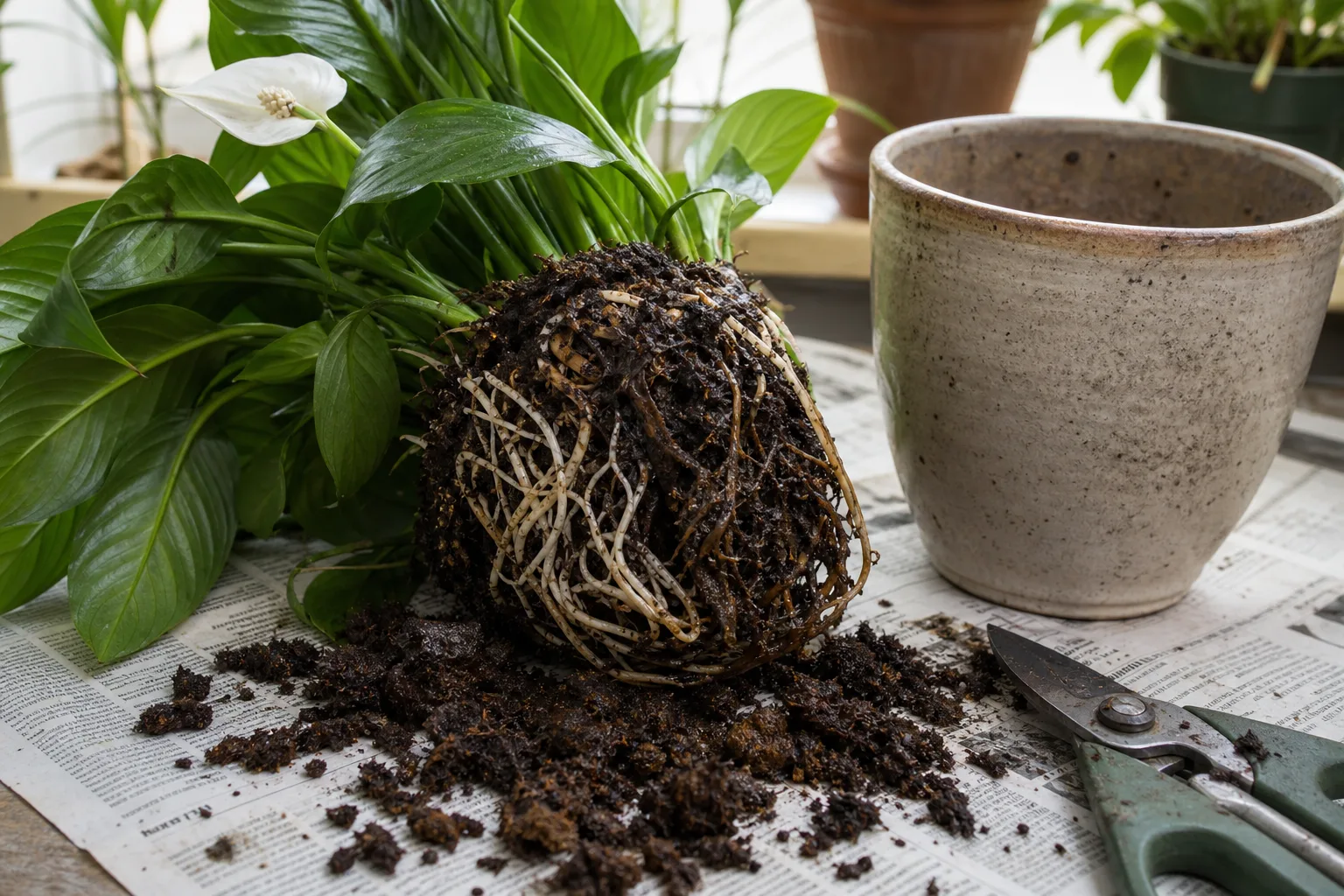
Concentration matters. A teaspoon diluted into a large, wet garden bed is not equivalent to a thick syrup poured into a small pot. Soil and potting mix also dilute, bind, drain, or redistribute substances differently. That is why you should not interpret “sugar can affect water uptake” as “one diluted watering will certainly dehydrate or kill every plant.” Avoid the practice, but judge a past application by how much was used and whether symptoms follow.
Microbial activity is not the same as plant nutrition
Sugar is an easy-to-use carbon source for many microbes. Some microbial activity is normal and useful in healthy soil, but adding table sugar is not the same as adding mature compost, which supplies organic matter and a broader range of decomposing materials. Repeated sugar additions may produce a temporary microbial burst, affect the balance of available nutrients, or leave residues that support fungi and bacteria; the exact response is context-dependent, so claims of guaranteed rot from a single weak dose are not justified.
A sticky layer on leaves or pot rims is also a separate nuisance from root nutrition. The RHS notes that sooty-mould fungi grow on sugar-rich honeydew and other sugary exudates. That does not prove sugar water poured into soil will cause sooty mold on every plant, but it shows why spraying sugary liquid onto leaves is not a clean substitute for fertilizer or a sensible general plant-care routine.
Does the answer change for houseplants and garden beds?
The basic answer does not change: do not use sugar water as fertilizer. What changes is the margin for error. A container has a small, confined root zone and often less dilution than open ground, while a large outdoor bed has more soil volume, microbial diversity, drainage patterns, and rainfall to disperse a soluble input.
Neither setting needs sugar as a standard addition. For an outdoor crop, follow crop-specific guidance on irrigation, soil tests, compost, and fertilizer. For a houseplant, follow the species’ light and water needs and use a fertilizer made for container plants only when appropriate. More concentrated is not more nourishing in either place.
Potted houseplants
A small pot can receive a high local concentration if a strong mixture is poured into already dry or compacted potting mix. Pots without open drainage holes are especially poor places to experiment: sugar water can remain around the roots, and attempting to “flush” the pot later can leave it waterlogged. If you have a one-time, dilute application in a draining pot, a dramatic intervention is usually unnecessary; if you repeatedly used syrup-strength mixtures, stop and assess the medium and roots.
Do not add sugar water to a houseplant because it has slow growth, yellow leaves, or drooping stems. Those symptoms can come from low light, excess water, dry roots, poor drainage, pests, or an actual nutrient shortage. Treat the cause you can observe instead of stacking sugar, fertilizer, and extra water on top of an uncertain diagnosis.
Outdoor beds, lawns, and vegetables
Garden soil does not need a spoonful of sugar to “wake up.” If a bed has poor structure or low organic matter, use finished compost or another locally recommended soil amendment; if a crop needs a nutrient, choose a fertilizer based on a soil test or a reliable crop guide. Sugar water contains none of the calibrated nutrient analysis or application instructions found on a fertilizer label.
A weak spill outdoors is usually diluted more quickly than the same volume in a tiny pot, so there is rarely a reason to dig up plants or flood the bed to remove it. Avoid repeatedly pouring it around stems or over foliage. It can leave sticky patches, invite feeding by insects that seek sugary residue, and make later symptoms harder to diagnose without providing a dependable growth benefit.
Why sugar water does not treat transplant shock or wilting
A recently moved plant may wilt because fine roots were damaged, the root ball dried, the plant moved abruptly into stronger sun or wind, or the new medium holds water differently. Sugar does not reconnect broken root hairs, restore moisture to a dry root ball, or reduce leaf water loss. Root damage can affect water uptake, and plant water needs depend on soil conditions and the rate water is lost from leaves, according to the RHS.
Start with the root environment. Check moisture below the surface, confirm that excess water can drain, and protect a newly planted specimen from harsh midday sun or drying wind while it establishes. Water the root ball thoroughly when it is dry, then allow it to drain; do not keep the soil saturated because leaves still look limp. Wait until the plant is actively recovering before resuming routine feeding, and do not pile on fertilizer while stressed roots are struggling.
Wilt is not always thirst. A plant with soggy soil can wilt because damaged or oxygen-starved roots cannot function normally. If soil is wet, adding more water—plain or sugared—makes the central problem worse. Check for drainage, sour-smelling mix, or soft dark roots before deciding what intervention is needed.
What to do after watering with sugar water
First estimate the exposure: how much sugar, how much water, how large the pot or bed, and whether it happened once or repeatedly. Then check whether the soil was dry or already wet, whether the pot has drainage holes, and whether the liquid has actually drained away. These details are more useful than a single universal “flush every plant” rule.
A single, diluted watering
If you used a small amount of sugar in plenty of water once, do not immediately unpot a healthy plant. Let the excess drain completely and empty the saucer. Do not add fertilizer to counteract it, and do not water again until the plant’s normal moisture check says it needs water. Overreacting with repeated rinses can cause more harm through waterlogging than the original diluted dose.
If visible sugar crystals or sticky solution remain on the soil surface, gently remove what you can without digging through fine roots. Wipe any spill from the pot exterior and saucer. Then return the plant to its normal light and watering routine and watch for new symptoms over the next several days rather than treating old damaged leaves as evidence of immediate poisoning.
Repeated or concentrated applications
If a strong syrup-like solution has been applied more than once, or the potting mix is sticky, sour, or persistently wet, stop adding liquids and assess drainage. For a pot with clear drainage holes and a healthy root system, one slow rinse with plain water may dilute soluble residue; let it drain fully and do not repeat the rinse on a plant sitting in waterlogged mix. If there is no drainage, a large amount of syrup, a sour odor, or signs of root failure, replacing the contaminated medium may be more sensible than repeatedly flooding it.
Repotting is not the automatic first step. Unpot only when there is a reason, such as soft or blackened roots, a persistently sour medium, or a pot that cannot drain. If you do repot, use a clean container with drainage and fresh, suitable potting mix; remove only roots that are clearly dead or mushy. A plant may still decline from the original stress, so keep care stable after the correction instead of changing light, water, soil, and fertilizer all at once.
What to use instead of sugar water
Choose the input based on what is actually missing. Water is for restoring soil moisture; fertilizer supplies mineral nutrients; compost can improve garden soil and add organic matter; light provides the energy for photosynthesis. These jobs are not interchangeable, and a plant that needs one does not benefit from receiving a different one at random.
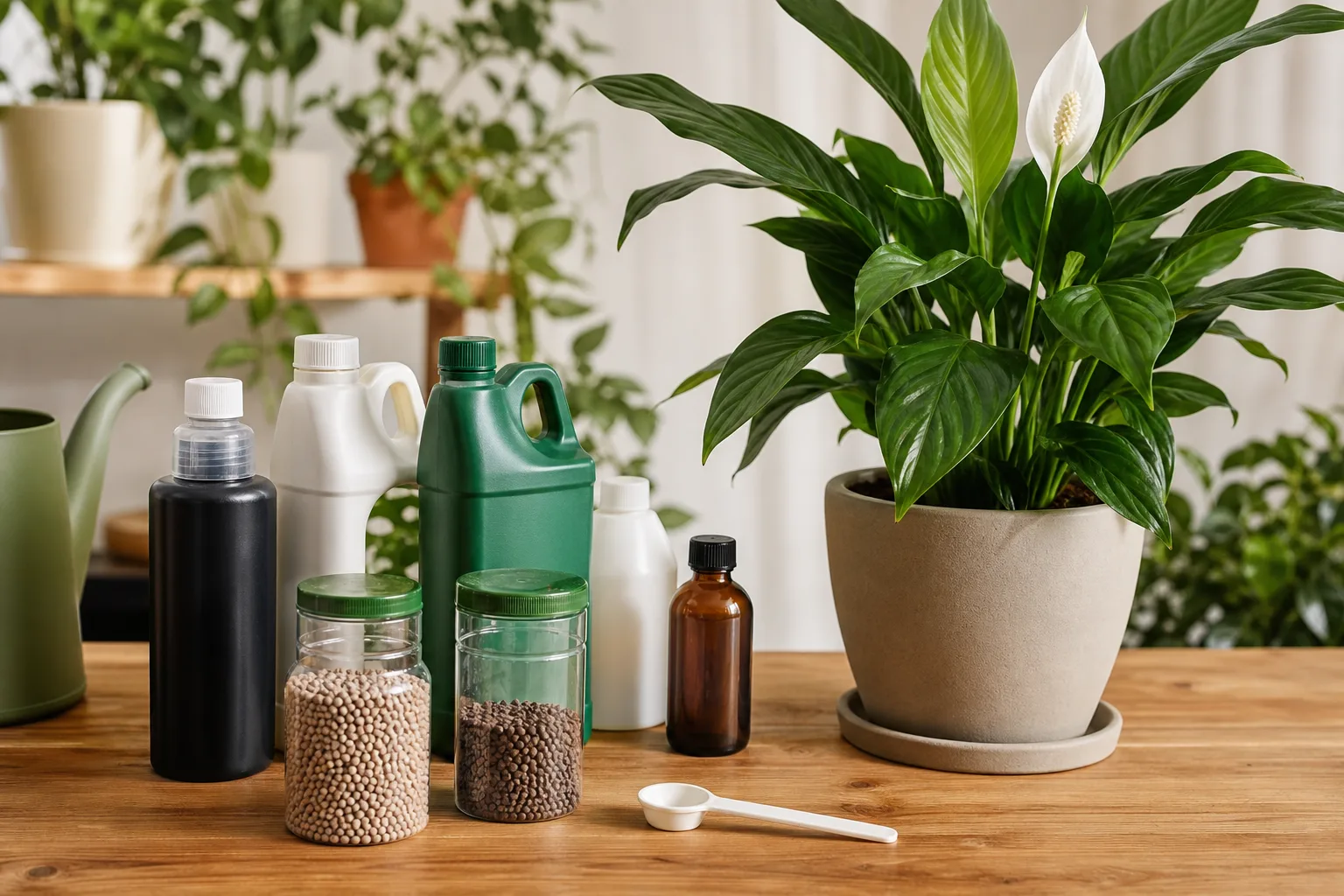
The University of Connecticut Extension explains how fertilizer labels list nitrogen, phosphorus, and potassium and why excess nutrients can damage roots and leaves. Savvy Gardening emphasizes matching feeding to active growth and not treating fertilizer as a replacement for basic light and water care. Proven Winners also recommends following fertilizer-label directions and aligning feeding with a houseplant’s active growth. If you do fertilize, use a product suited to the plant and growing medium, follow its label, and avoid applying it to bone-dry roots unless the label says otherwise.
Diagnose the problem before feeding
For a houseplant with pale or stalled growth, check how much usable light it receives, whether new growth is present, how long it has been in the same mix, whether the pot drains, and whether pests are visible. Lower leaves aging naturally are different from widespread new yellowing; limp leaves in saturated soil call for a different response from limp leaves in bone-dry mix. When symptoms persist and you cannot identify the cause, a local extension service or a plant diagnostic clinic can help interpret them.
For outdoor beds, a soil test is more dependable than choosing an amendment from a symptom photo. Some nutrient problems look alike, and applying the wrong element can worsen an imbalance or wash into waterways. The goal is not to maximize fertilizer; it is to supply only what the crop and soil need at the right time and rate.
There is no need to buy a special “sugar-free” plant food. Use ordinary clean water for routine irrigation and a clearly labeled fertilizer when feeding is warranted. If an organic option matters to you, compare the guaranteed analysis and label directions just as you would for a synthetic product; “natural” does not mean impossible to overapply.
Why cut flowers are a separate case
Cut flowers in a vase no longer have roots connected to soil, and a harvested stem has a limited supply of stored carbohydrates. A measured sugar source can help some cut blooms continue opening, which is why commercial flower food may include sucrose. The formula also accounts for the vase environment: in a Martha Stewart article, University of Minnesota Extension educators explain that flower-food packets commonly pair sucrose with an acidifier and a biocide because sugar alone can feed microbes.

That is a different situation from watering a rooted houseplant. For a bouquet, dissolve the packet in the exact amount of water on its label, use a clean vase, and replace the solution when it becomes cloudy. The RHS cut-flower guidance recommends conditioning stems carefully and notes that proprietary flower food is generally more dependable than guessing at a homemade mixture. Do not pour vase water into a plant pot afterward; it may contain a concentrated preservative formula and decaying plant material.
Sugar sprays and beneficial insects
Sugar dissolved in water is also discussed as a way to attract or feed certain insects in specialized pest-management settings. That is an insect-management tactic, not plant nutrition, and a result from a controlled crop or research situation does not establish that home gardeners should spray leaves with a kitchen mixture. A spray may reach insects other than the intended ones and can leave sticky residue on foliage or nearby surfaces.
For a home garden, provide flowers that offer nectar and pollen over a long season, and keep plants healthy with appropriate light, water, and soil care. If you are considering a sugar-based insect technique, look for a source that identifies the target species, application method, and risks to non-target insects; do not treat sugar water as a general-purpose pollinator attractant or pest repellent.
Conclusion
Sugar water is not a useful fertilizer for rooted plants. Plants make carbohydrates through photosynthesis, while roots take up water and mineral nutrients; adding table sugar to soil is an uncontrolled input that offers no dependable growth benefit and may complicate water balance or microbial activity when concentrated or repeated.
If you already used it once in a weak solution, let a draining pot empty and return to normal care. For a stronger or repeated dose, remove visible residue and assess drainage before deciding whether a rinse or fresh potting mix is warranted. Use water for watering, a suitable labeled fertilizer for a real nutrient need, and commercial flower food for cut stems—the plant’s setting determines what the sugar can and cannot do.



