Using Milk for Plant Care
Learn when diluted milk may help powdery mildew, why it is not plant food, safe mix ratios, houseplant risks, and better fertilizer and disease options.
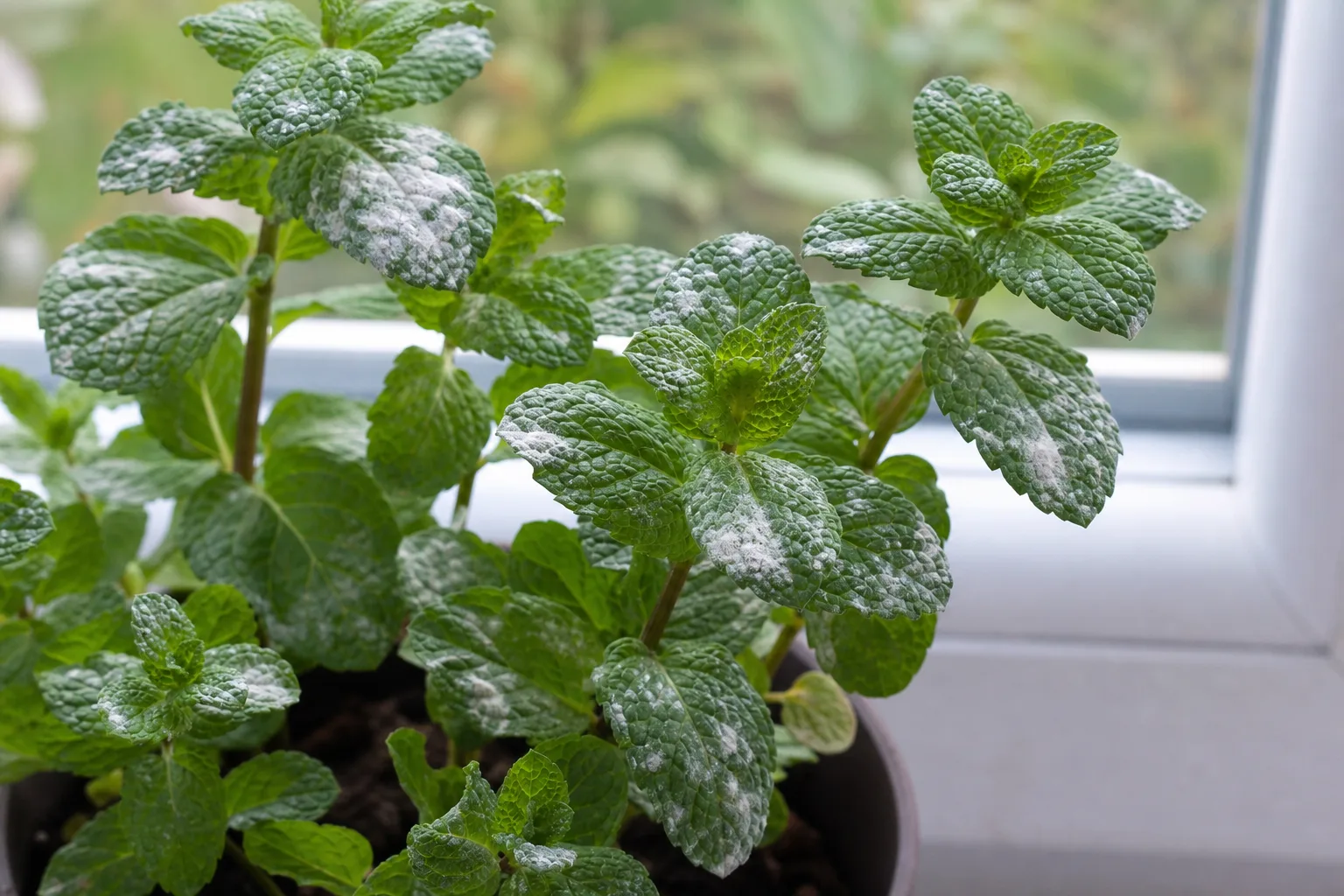
A carton of milk in the fridge does not make you a step ahead on plant nutrition. Diluted dairy milk has modest research and long gardener use as a foliar spray for powdery mildew, but it is not a complete fertilizer, not a dependable pesticide, and a poor choice for watering roots—especially in houseplant pots. The useful question is narrower than social media suggests: Is this plant showing early powdery mildew, and am I willing to test a diluted leaf spray while also fixing airflow and sanitation?
If the answer is no, put the milk back. Use a soil test and a labeled fertilizer for nutrition, and use extension-backed disease practices for anything beyond a light, early mildew patch. If the answer is yes, this guide shows you how to mix, apply, and evaluate milk without souring soil, burning leaves, or replacing real diagnostics.
The internet treats milk like a free multivitamin for anything green. In practice, most plant problems are about light, water, roots, and airflow, not a missing splash of dairy. Milk earns a place only when you have already named the problem, chosen the right plant for the site, and need a low-toxicity add-on for early powdery mildew—not when you are guessing because a leaf turned yellow.
The short answer: milk is a limited foliar tool, not plant food
Do not water plants with milk as a routine. Roots need oxygen in the pore spaces around them, and pouring dairy into soil or potting mix adds sugars, proteins, and fats that microbes consume quickly. That process can smell bad, attract flies, and temporarily upset the root zone. In containers, where drainage and volume are limited, the risk is higher than in an open garden bed.
Do consider a diluted milk spray on leaves when you have confirmed or strongly suspect powdery mildew on a plant that tolerates foliar moisture, and only as one part of a larger plan: remove badly infected tissue, improve spacing and airflow, and keep future irrigation off leaves when possible. Milk is an experiment with mixed field results, not a guarantee.
For everything else—yellow leaves, weak growth, aphids, root rot, viruses, bacterial spots—milk is the wrong tool. Identify the problem first, then choose the response that matches it.
What milk contains—and what plants actually need
Cow’s milk is mostly water, with proteins, milk sugar (lactose), fat, and smaller amounts of minerals including calcium, potassium, and some B vitamins. Garden writers often highlight calcium because it is a familiar nutrient; plants do need calcium for cell walls. They also need nitrogen, phosphorus, potassium, and a suite of micronutrients in forms they can take up through roots, in balance with soil pH, moisture, and biological activity.
When milk lands on a leaf, the plant does not absorb it like a glass of nutrients. Some minerals may enter in trace amounts through the leaf surface, but a milk spray is not a substitute for soil fertility management. When milk is poured into soil, organic compounds must be broken down by microbes before nutrients become plant-available—a slow, uneven process that can compete with roots for oxygen and encourage opportunistic decay organisms.
Why dairy is not a balanced fertilizer
A complete fertilizer delivers known ratios of major nutrients and is applied at labeled rates for a crop and growth stage. Milk delivers variable organic matter and can shift microbial activity in unpredictable ways. Gardening Know How, which has covered milk in the garden for years, notes benefits some gardeners report for mildews and mosaic viruses, but also lists clear drawbacks: spoilage odor, poor growth when overapplied, fat breakdown smells, and aesthetic fungal growth on leaves after milk dries. (Gardening Know How on milk fertilizer)
Plant-based milks (almond, soy, oat, rice) lack the dairy proteins central to most milk-spray theories. Do not substitute them in a mildew recipe and expect the same result.
If your real goal is stronger growth or greener leaves, measure what the soil and pot actually provide. A soil test shows pH, organic matter, and whether calcium, magnesium, or nitrogen are low. Container gardeners should remember that frequent watering leaches nutrients; milk does not rebuild a depleted mix any faster than compost tea myths suggest. Feed on data, not on whatever is expiring in the refrigerator.
Where the evidence is strongest: powdery mildew
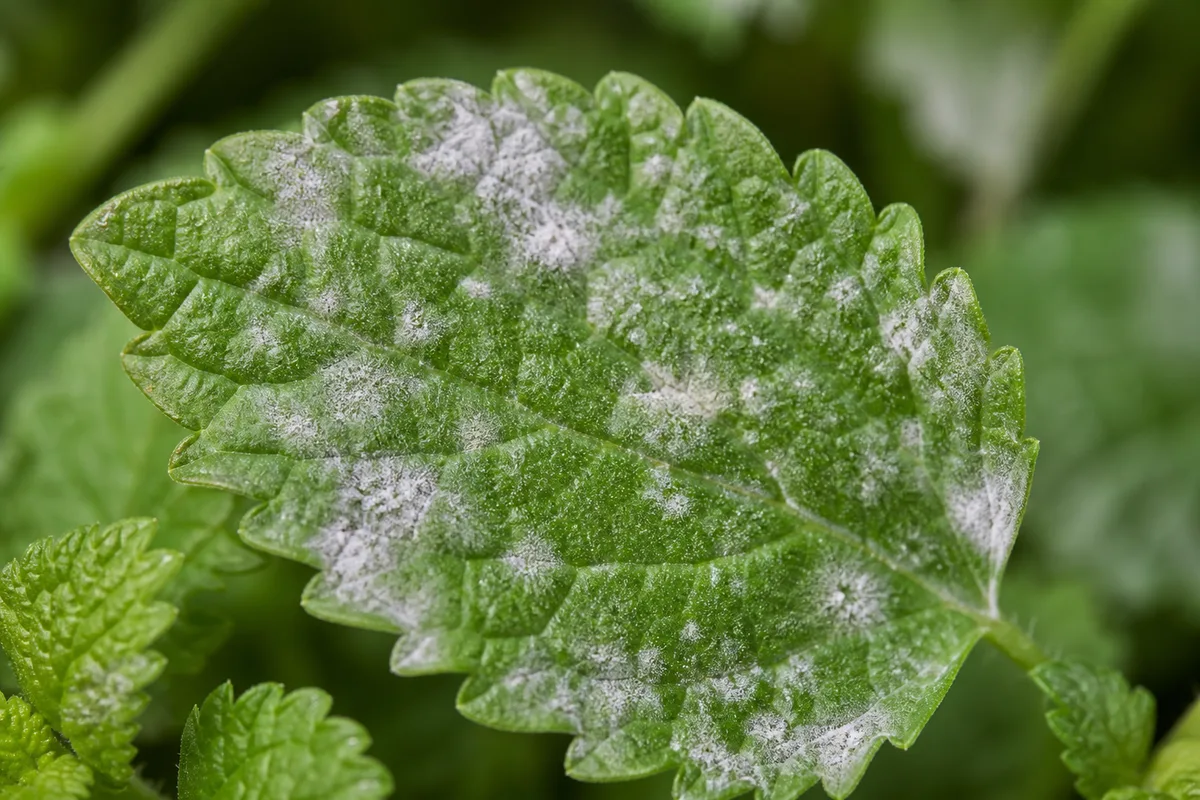
Powdery mildew is a group of fungal diseases that produce white to gray, talcum-like patches on leaves, stems, and sometimes fruit. Colorado State University Extension describes it as one of the most widespread plant diseases, affecting vegetables, grapes, roses, turf, and many ornamentals, with host-specific fungi that do not jump randomly between unrelated plants. (Colorado State Extension on powdery mildews)
The best-documented garden use of milk is as a preventive or early-intervention foliar spray against powdery mildew—not as a rescue treatment for a plant already coated in fungus.
What powdery mildew looks like on common garden plants
On cucurbits (cucumbers, squash, melons), mildew often starts as pale spots that expand into dusty white patches on older leaves. On grapes and roses, white growth can cover leaf surfaces and reduce photosynthesis. Zinnias, bee balm, and lilac are frequent ornamental hosts in humid summers.
Before you spray anything, confirm the diagnosis. Some squash varieties show natural silvery leaf markings that are not disease. Rub a suspicious patch gently: powdery mildew often wipes off differently than normal leaf texture. Downy mildew and other diseases look similar from a distance but need different management.
Extension guidance consistently ranks resistant varieties, full sun where appropriate, spacing for airflow, and sanitation (removing infected leaves, avoiding overhead irrigation late in the day) above any single kitchen remedy. Chemical or labeled organic fungicides are recommended when cultural steps are not enough. (University of Minnesota Extension on powdery mildew)
Mildew is rarely fatal on its own, but it is not harmless. When a large share of the leaf surface turns white, photosynthesis drops, fruit quality suffers, and the plant becomes stressed enough to invite other problems. That is why milk, if you use it, belongs at the first sign of spotting on a plant you already planned to protect—not after half the vine has gone silver. Once leaves are heavily colonized, remove them, bag them for trash disposal when disease pressure is high, and shift to a control plan that matches the crop and season.
Dilution ratios that show up in research and field use
Concentration matters more than most one-line recipes admit. A widely cited greenhouse study by Wagner Bettiol found that weekly sprays of cow’s milk at 10% concentration (roughly 1 part milk to 9 parts water) controlled powdery mildew on zucchini squash comparably to some synthetic fungicides under those trial conditions. (Bettiol 1999, Crop Protection)
Field gardeners and experienced writers report success with stronger mixes, commonly 1 part milk to 2 parts water, applied weekly in bright conditions. Weaker solutions may be safer for tender leaves; stronger ones may leave more residue and odor. There is no single ratio validated for every plant in every climate.
Practical starting points:
- Conservative test: 1 part low-fat milk to 9 parts water (10% milk).
- Common garden recipe: 1 part milk to 2 parts water (33% milk).
- Avoid: undiluted milk, half-and-half, sweetened flavored dairy, or “use whatever is left in the jug” poured straight onto soil.
If the first spray shows leaf stickiness, spotting, or sour smell within 48 hours, dilute further or stop.
How to mix and apply a milk spray safely
Treat milk like a foliar trial, not a bath. You are trying to coat leaf surfaces lightly enough to interact with mildew spores and early growth, without creating a greenhouse for spoilage microbes.

Foliar spray vs. soil drench: pick the right route
Foliar spray is the only route with meaningful mildew data. Use a clean hand sprayer or pump sprayer dedicated to garden use—not a bottle that held harsh cleaners. Mix only what you will use the same day; milk solutions spoil quickly in warm weather.
Soil drenching with milk is what many “water your plants with milk” headlines imply, and it is the riskiest routine practice. Nutrients are delivered slowly and unevenly while organic load spikes near roots. Reserve soil application, if you use it at all, for a one-time, heavily diluted outdoor experiment on an established ornamental—not for houseplants, seedlings, or edible crops you will harvest soon.
Utah State University Extension notes that powdery mildew management should emphasize resistant plants, proper siting, and fungicides when needed; milk is not listed as a primary control in that extension framework, which is a useful reminder to keep expectations modest. (Utah State Extension powdery mildew guide)
Timing, sunlight, and how often to repeat
Apply in the morning so leaves dry within a few hours. Many gardeners who report good results spray when sun will reach the foliage, aligning with theories that milk proteins react with light to create brief antimicrobial effects on the leaf surface. Evening sprays that leave milk sitting on leaves overnight increase disease risk on moisture-sensitive crops like tomatoes.
Spray upper and lower leaf surfaces until lightly wet, not dripping. Return after 30–60 minutes; if pools remain on smooth leaves, blot gently with clean water on a cloth to reduce burn risk.
Repeat weekly while conditions favor mildew, or twice weekly on highly susceptible plants during peak humidity. Milk suppresses spores present at application; it does not immunize the plant for the season. Stop when weather turns dry and cool or when new growth stays clean.
Patch-test first: spray one or two leaves, wait 48 hours, and check for scorch or stickiness before treating the whole plant.
Label the sprayer “garden only” and rinse it after use. Milk films inside nozzles can sour and clog the next season. Never reuse a kitchen spray bottle that held cleaners; residue and dairy are a bad combination on food crops and on your lungs when you mist.
Milk, calcium, and blossom end rot
Blossom end rot—the sunken, leathery patch on tomato, pepper, and squash fruit—is often blamed on calcium deficiency, and milk contains calcium. That logical jump is tempting and mostly misleading.

Blossom end rot frequently appears when calcium uptake is interrupted by uneven watering, root damage, rapid growth, or low soil calcium—not because the plant never saw a dairy product. Foliar calcium sprays can help some crops in specific trials, but they do not replace consistent soil moisture and a soil test when the problem repeats every year.
If fruit shows rot, fix irrigation first, mulch to stabilize soil moisture, and test soil pH and calcium. Add lime or gypsum only when the test and crop needs justify it. Pouring milk at the base of a tomato is slower, smellier, and less precise than amending soil based on data.
The same logic applies to peppers, eggplant, and summer squash: blossom end rot is a transport problem as often as it is a soil-calcium problem. Deep, infrequent watering that wets the whole root zone beats daily sips that never reach deeper roots. Milk neither fixes erratic watering nor supplies magnesium or potassium when those are the limiting factors behind poor fruit set.
Fresh, expired, skim, whole, and powdered milk
Fresh, expired-but-not-curdled, evaporated, and reconstituted powdered milk can all be diluted for a foliar mildew trial if they are plain dairy without added sugar or flavorings. Expired milk is only acceptable when it still smells like milk—not when it has separated into sour chunks.
Fat content changes odor more than mildew efficacy in most gardener reports. Whole milk may smell stronger as fats break down on leaves. Low-fat or skim milk is a reasonable default for spraying.
Gardening Know How warns that dried skim milk has been associated with black rot, soft rot, and Alternaria leaf spot on treated cruciferous crops in some reports—another reason to avoid heavy or repeated applications on cabbage-family plants. (Gardening Know How on milk fertilizer)
For large areas, dilute milk in a hose-end sprayer so it stays mixed while you move. Rough field estimates suggest about 1 quart of milk per 20-by-20-foot patch when heavily diluted in water, or on the order of a few gallons per acre in commercial-analogue recipes—always prioritize even dilution over exact acre math in a home garden.
Houseplants, containers, and edible crops
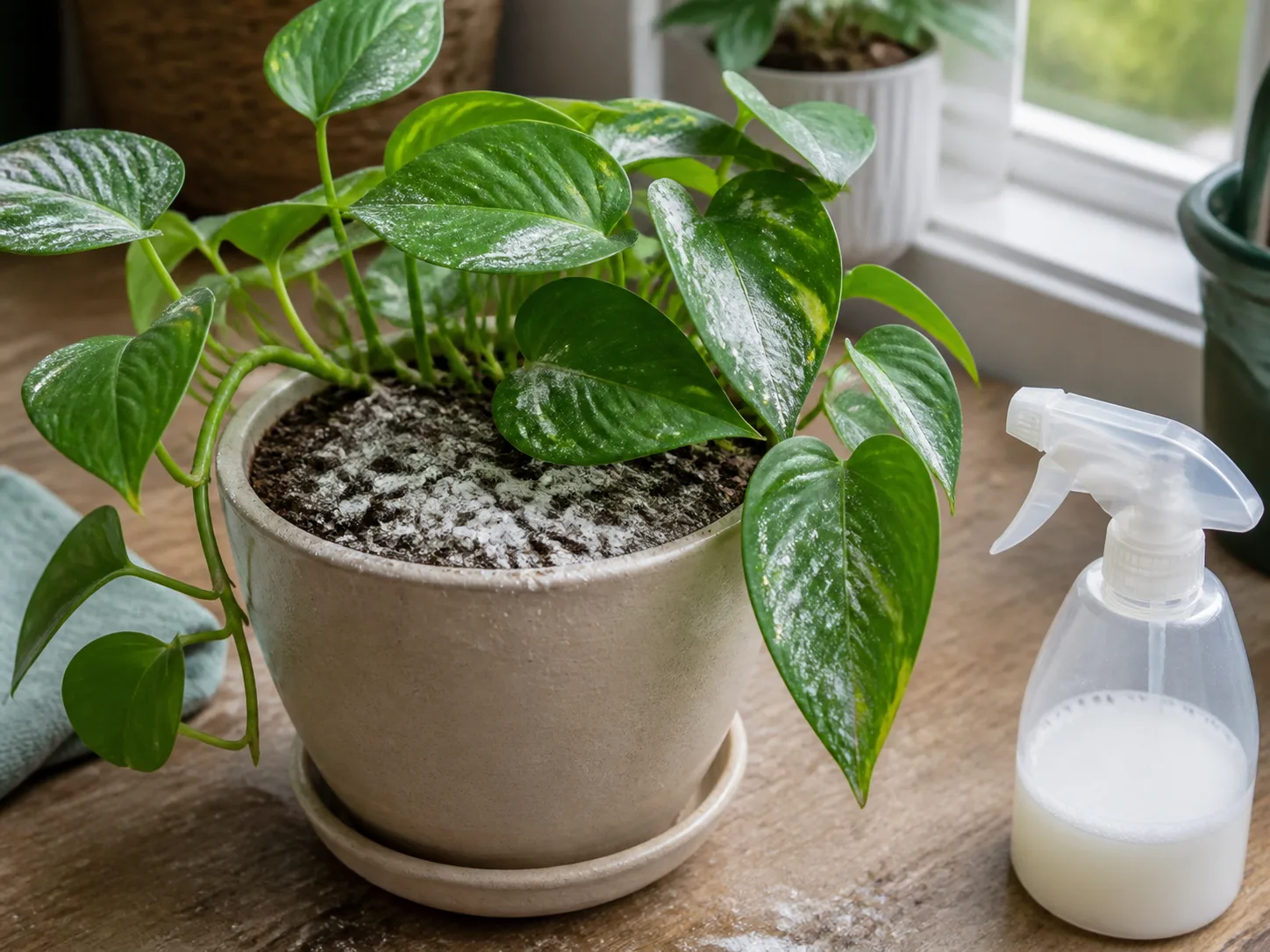
Houseplants: Do not use milk as irrigation. Potting mix has little buffer against souring organic matter, and indoor air makes odors noticeable fast. If you see white mildew on a houseplant leaf—common on some succulents and crowded tropicals—improve airflow, reduce leaf wetting, and remove affected leaves before you experiment with a very weak milk spray away from furniture and fabrics.
Containers outdoors: Foliar milk on a patio tomato is different from pouring milk through the pot. If solution runs into the container, flush with plain water only if drainage is excellent and the plant is not waterlogged.
Edible crops: Milk residues on leaves of greens, herbs, and fruit near harvest raise food-safety and flavor questions. If you spray milk on food plants, wash produce thoroughly at harvest and stop applications well before picking when possible. When mildew pressure is high on cucumbers or squash you will eat within days, favor cultural fixes and products labeled for food crops over kitchen dairy.
Indoor growers sometimes ask about milk on succulents or African violets after seeing white patches. Confirm whether the marking is mildew, mineral deposit, or normal farina before spraying. African violets hate wet crowns; succulents prefer dry leaves. A weak milk trial on a detached leaf or a single outer leaf is safer than soaking a rosette because a kitchen remedy turned into a rot problem is harder to reverse than the original spot.
Risks, odors, and signs milk is harming plants
Milk is biodegradable—that is both the point and the problem. Proteins and sugars feed microbes on leaves and in soil. In cool, shady, over-wet conditions, you may see benign fungal growth on leaf surfaces after milk dries, which is visually alarming even when it is not the crop disease you were targeting.
Watch for sour smell, sticky film, increased flies or gnats, leaf yellowing, scorch along margins, and softening tissue near the crown. Whole milk and large soil doses produce the worst odors as fats rancidify.
When to stop and switch to better tools
Stop milk sprays when:
- Leaves scorch or wilt after treatment.
- Mildew continues to spread despite weekly sprays for three weeks.
- The plant is mostly infected; remove damaged leaves and consider a labeled fungicide or resistant replacement next season.
- You are treating the wrong problem (spider mites, downy mildew, nutrient deficiency).
Colorado State Extension emphasizes that fungicides work best combined with cultural controls and applied on intervals that protect new growth. Baking soda plus horticultural oil mixtures have been studied at Cornell for roses; extension notes those recipes remain partly experimental and should be used with caution. (Colorado State Extension on powdery mildews) Milk belongs in the same mental category: a low-toxicity experiment, not a replacement for an integrated plan.
Better alternatives when milk is not the answer
For powdery mildew, choose resistant cultivars when available, prune for airflow, water soil instead of foliage, and remove infected leaves into the trash (not the compost pile if disease pressure is high). Apply a fungicide labeled for your plant and follow the label interval.
For nutrition, soil-test and fertilize with a product matched to the crop. Compost and well-rotted manure build fertility slowly; soluble fertilizers address acute deficiencies when tests support them.
For pests, identify the insect before spraying anything. Milk is not a reliable aphid control compared with water sprays, insecticidal soap used per label, or beneficial-insect conservation.
For viral symptoms (mosaic patterns, distorted growth), milk folklore exists but evidence is thin compared with prevention: use virus-free seed, control aphid vectors, and remove infected plants.
Keep a simple log when you trial milk: date, ratio, weather, and whether new leaves stayed clean for two weeks. That habit prevents the common mistake of crediting milk for a dry spell that would have slowed mildew anyway, or blaming milk when the real issue was overcrowded vines that needed pruning on day one.
Composting spoiled milk instead of pouring it on plants
When milk has truly soured, composting may be safer than spraying or soil pouring—but only in moderation. Large volumes of liquid dairy can turn a compost pile anaerobic and attract animals. Add small amounts to a hot, active pile with plenty of carbon (leaves, shredded paper, straw), turn the pile, and follow local municipal rules if you use curbside organics.
Do not dump curdled milk around prized perennials as “fertilizer.” You are adding a spill hazard to the root zone without a clear benefit.
If your municipality accepts dairy in curbside compost, that is often cleaner than improvising in the border. When in doubt, pour small amounts down the sink or follow local solid-waste guidance rather than treating a flower bed like a disposal pit.
Conclusion: treat milk as an occasional experiment
Milk belongs in the garden toolkit the way a spare bandage belongs in a hiking pack: useful in a narrow situation, wrong for daily nutrition. Diluted foliar sprays may help manage early powdery mildew on some plants, especially when paired with sanitation, airflow, and realistic expectations. Milk does not replace soil tests, balanced fertilizer, consistent watering, or labeled disease control.
Start weak, test leaves first, spray in morning sun, and stop when you smell trouble or see damage. Your plants need good roots, clean air around leaves, and honest diagnostics far more than they need yesterday’s cereal milk poured on faith.
When in doubt, spend your effort on the boring basics: right light, consistent water, healthy soil, and varieties bred for your climate. Milk can sit in the fridge until you have a specific mildew problem worth a careful, limited test.