5 Spring Container Plants for Early Patio Color
Five spring container plants—pansies, cineraria, oxalis, coral bells, and cool-season edibles—with pot sizes, sun rules, combo ideas, and when to swap them for summer annuals.
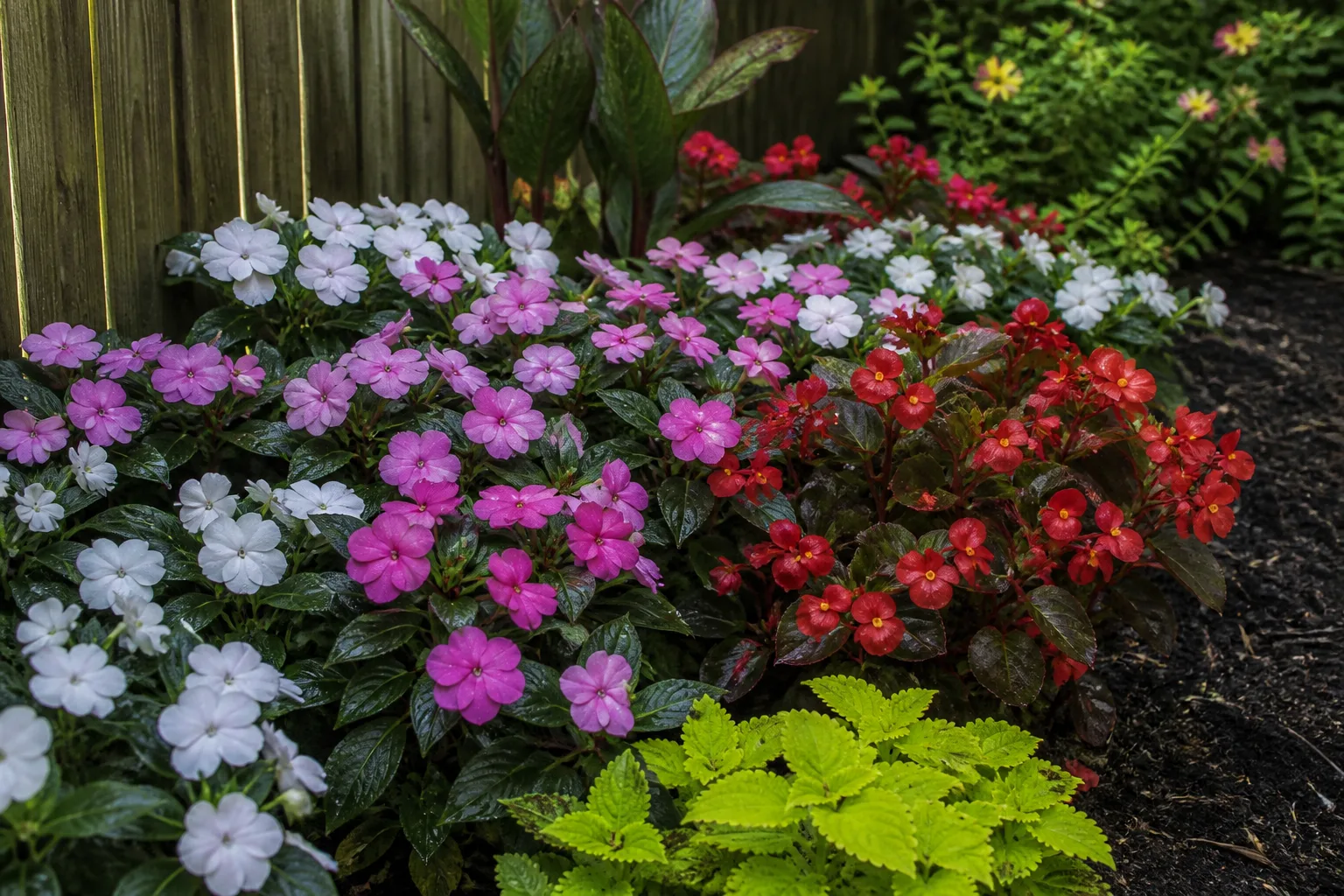
While your in-ground beds are still too cold for much of anything, the potting compost in a patio container can warm several degrees faster than native soil. Sun hits the sides of the pot, dark compost absorbs heat, and roots wake up in a microclimate that does not exist at ground level. That is why spring container gardens can carry color, foliage, and even harvestable greens weeks before you would dare turn a shovel in the vegetable plot.
The five plant groups below are not the only options for cool weather—tulips, daffodils, snapdragons, and dusty miller all have their place—but they solve different jobs on a spring porch. Pansies and violas deliver instant frost-tolerant flowers. Cineraria lights up shaded entries. Spiral sorrel and coral bells add structure when blooms are still sparse. Cool-season herbs and leafy greens turn a decorative pot into something you can actually eat. Together they cover sun and shade, flower and foliage, ornamental and edible, without waiting for summer annuals to arrive at the nursery.
Why Container Soil Warms Up Weeks Before Your Garden Bed
Garden soil in early spring is cold, wet, and slow to drain. It holds winter chill deep in the profile, and digging or planting into it compacts structure that has not dried yet. Container compost sits above grade, exposed on multiple sides, and dries between waterings in a way that signals roots it is safe to grow. The RHS notes that containers are especially valuable where in-ground space is limited—patios, doorsteps, balconies—and that grouped pots create a slightly protected microclimate compared with open beds.
That warmth advantage comes with trade-offs. A small root zone dries fast on a sunny March afternoon and chills fast on a clear April night. Spring container gardening is less about finding indestructible plants and more about matching species to the light and temperature swing your spot actually experiences, then watering and feeding on a pot schedule—not a calendar copied from in-ground advice.
What Makes a Plant a Good Spring Container Candidate
Not every pretty nursery plant belongs in an early-spring pot. The best spring container plants tolerate cool nights, recover from light frost, and look good at a small scale before summer heat arrives. They should also have a clear exit plan: either you swap them out when temperatures rise, or—as with heuchera—they persist as a permanent foliage anchor while companions change.
Temperature Tolerance and Realistic Bloom Windows
Cool-season annuals like pansies, violas, and cineraria peak when days are mild and nights stay above freezing. NC State Extension describes pansy as a cool weather plant that can bloom for four to six months in the right conditions but eventually succumbs to summer heat and should be removed. That honesty matters: a spring container is a seasonal stage, not a forever planting.
Foliage plants such as oxalis and heuchera extend the show when flowers pause. Edible greens—kale, parsley, spinach—lean on the same biology: they sweeten in cool weather and bolt or fade when summer stress hits. Buy for the window you have, not the Instagram photo from June.
Pot Size and Drainage Rules That Prevent Early Rot
Drainage holes are non-negotiable for almost every plant on this list. The RHS lists functional drainage as essential and warns that waterlogged compost in winter and early spring kills more container plants than drought. Use peat-free potting compost labeled for containers—not garden soil—and raise pots on feet or bricks so saucers do not reabsorb standing water.
Size the pot to the plant’s mature spring habit, not the plug you carried home. Wide, shallow bowls suit spreading pansies and violas. Cineraria needs depth for moisture retention without drowning roots—typically 10 to 12 inches (25–30 cm) minimum for a single specimen. Heuchera and oxalis work in 8- to 10-inch (20–25 cm) pots alone or as fillers in larger combos. Mixed edible pots need at least 12 inches (30 cm) of depth if you want meaningful harvests before swap-out. For foundational container rules—drainage, sun mapping, feeding—see container garden tips for beginners.

When to Plant Spring Containers Relative to Your Last Frost
Air temperature and soil temperature are not the same thing. You can plant frost-tolerant pansies and violas while overnight lows still dip near 28–32°F (−2 to 0°C) in many climates, especially if pots sit on a sheltered porch. Tender cineraria prefers consistent cool weather without hard freezes on buds; wait until your last frost date is within a week or harden off greenhouse-grown plants for 7 to 10 days before leaving them out full time.
Hardening off means moving pots from a cold frame, garage, or bright indoor window to outdoors for progressively longer stretches—starting with shaded mornings, then full outdoor days. Skipping this step on a warm February afternoon often leads to sun-scorched leaves the first time real March wind hits. If a late freeze is forecast after planting, move small pots indoors overnight or cover grouped containers with frost cloth; the compost mass in a large pot buffers roots better than a seedling flat on the ground.
The Thriller-Filler-Spiller Framework for Cool-Weather Pots
Thriller-filler-spiller is a simple design formula that keeps spring pots from looking like a flat mat of color. The thriller is the vertical or focal element—here, often a central kale rosette, a taller cineraria, or a heuchera with bold leaf color. Fillers are mounding mid-height plants: violas, oxalis, or parsley. Spillers trail over the rim—trailing viola varieties, creeping thyme, or heuchera placed at the edge.
Match water and light needs within the same pot. Cineraria and heuchera both dislike baking afternoon sun but want steady moisture—natural partners. Pansies plus ornamental kale share cool preferences and full sun on a north-facing step may disappoint both. When in doubt, plant one species per pot at first; mixed combos are easier after you have watched your microclimate for one spring. More layout inspiration lives in patio garden ideas.
Pansies and Violas: Frost-Tolerant Color for Doorsteps and Bowls
Pansies (Viola × wittrockiana) and violas (Viola spp.) are the workhorses of the spring container garden. NC State Extension recommends full sun to part shade in humus-rich, consistently moist, well-drained soil. Flowers attract pollinators; deadheading spent blooms extends the show. Plants purchased for bedding may have been treated with systemic pesticides—treat nursery pansies as ornamental unless you grew them yourself for eating.
Pansies bear larger, face-like flowers on slightly taller stems. Violas are generally more compact, with smaller blooms but often heavier flower count and better heat tolerance late in spring. Both work in wide, low bowls, window boxes, and hanging baskets where you want color at the rim. In mixed pots they excel as fillers or spillers under a taller centerpiece.
Choosing Container Styles and Companion Plants
For maximum impact on a front step, mass one color in a 14- to 18-inch (35–45 cm) bowl rather than scattering three small pots. For mixed designs, pair pansies with ornamental kale, dianthus, or snapdragons in matching light conditions. Fertilize lightly: a half-strength liquid feed every two to three weeks or a small dose of slow-release fertilizer at planting is enough. Overfeeding pushes soft, leggy growth that flops after the first hard rain.
Water when the top 1 to 2 inches (2.5–5 cm) of compost feel dry. Cool days may mean watering every three to four days; bright windy afternoons can dry a shallow bowl in 24 hours. If plants stretch toward the light, move the pot to a brighter spot or rotate it every few days rather than doubling fertilizer.

Cineraria (Pericallis): Jewel-Tone Blooms for Shaded Porches
Cineraria (Pericallis × hybrida) delivers saturated cobalt, magenta, and pink daisy-form flowers on mounded plants that prefer part shade and cool air. It is often sold as an annual outside mild climates (roughly USDA zones 9–11 as a perennial) but performs for months in spring containers when nights stay cool and you keep up with deadheading.
Unlike sun-hungry pansies, cineraria sulks on a south-facing railing that heats up by mid-morning. Site it on east-facing steps, under a porch roof, or on the north side of a patio where light is bright but direct sun is limited to a few hours. Use a deeper pot than you would for violas so roots have moisture buffer—shallow saucers that dry to dust between waterings produce wilted, bud-drop plants within days.
Keeping Cineraria Flowering Without Soggy Roots
Cineraria wants even moisture, not wet feet. Water when the top inch feels dry, until a little drains from the holes—then empty the saucer. In rainy springs, slide pots under an eave or tilt them on feet so water does not sit in the base. Feed with diluted liquid fertilizer every two weeks during active bloom; pale leaves and weak flowers often trace back to hunger in a fast-draining peat-free mix.
When summer heat arrives, cineraria declines quickly—yellowing lower leaves and shrinking flowers are your cue to compost the plant and replant the container with heat-tolerant annuals. Do not fight it through July; the biology is cool-season.
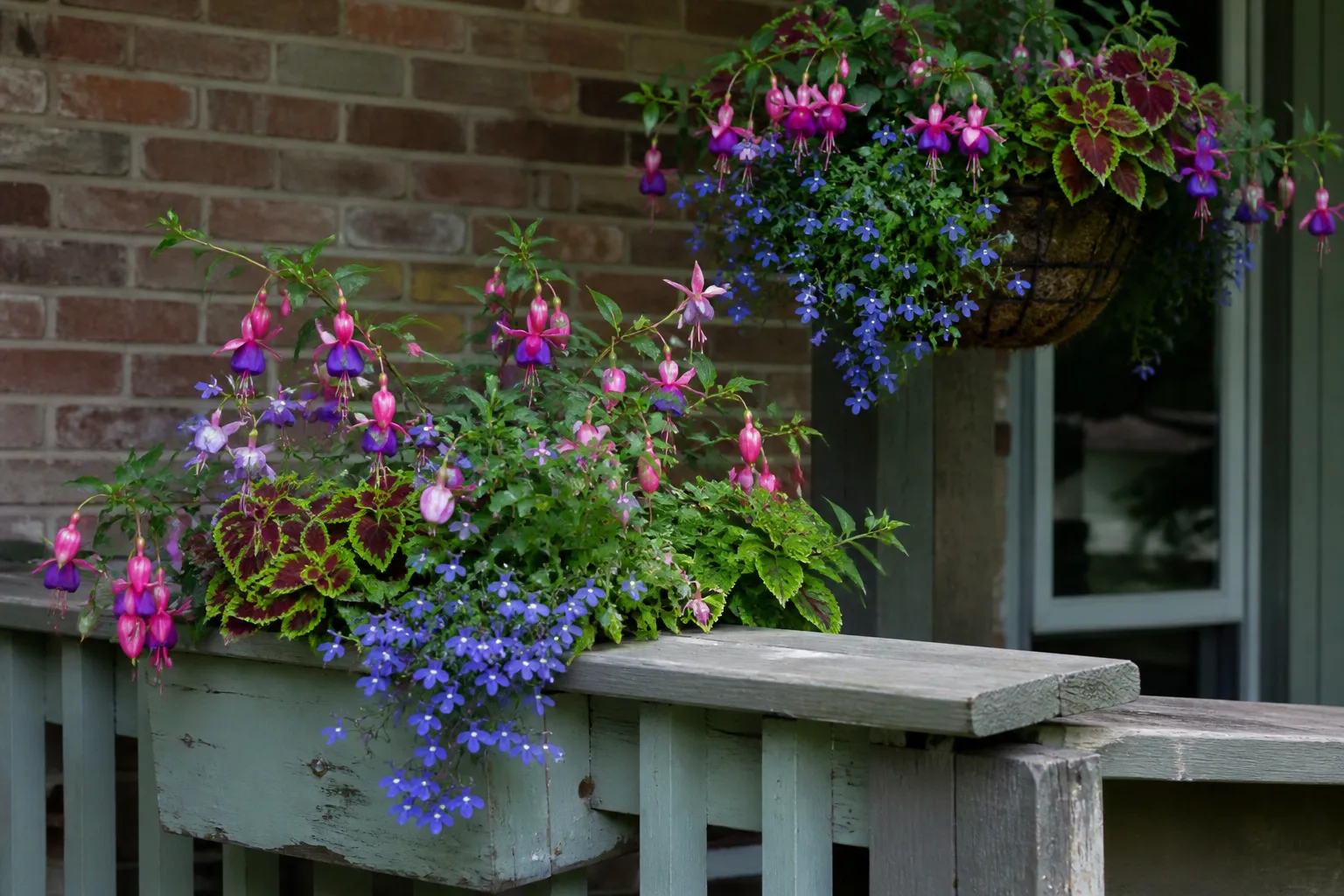
Spiral Sorrel (Oxalis spiralis): Foliage That Carries the Pot
Spiral sorrel (Oxalis spiralis subsp. vulcanicola) and other cultivated wood sorrels bring fine-textured foliage in bright green, bronze, or purple tones, with small yellow flowers that read as cheerful rather than showy. Mounding habits make oxalis an ideal filler between pansies or at the front edge of a shaded combo where flowers alone would look thin.
Oxalis prefers medium moisture and full sun to part shade, depending on leaf color—darker foliage often tolerates more sun than chartreuse forms. In containers, it responds well to regular light feeding and consistent watering. Unlike cineraria, oxalis does not demand deadheading; spent flowers hide under new growth.
Rejuvenating Leggy Oxalis in Mid-Spring
If stems elongate and the mound opens in the center—common when plants are crowded or underfed—cut the whole plant back to 1 to 2 inches (2.5–5 cm) above the compost. Fresh leaves emerge within two to three weeks in cool weather. This hard cut is often cleaner than trying to pinch stem by stem in a mixed pot. Pair rejuvenated oxalis with fresh viola plugs if the original flowers have faded, and you get a second act without repotting everything.
Note: Several oxalis species are aggressive in garden beds. In containers, the risk is lower, but avoid planting invasive running types in open-bottom pots that touch soil. Stick with named nursery cultivars for patio use.
Coral Bells (Heuchera): Year-Round Leaf Color in Partial Shade
Coral bells (Heuchera spp.) and hybrids such as heucherella are perennial foliage plants that make exceptional spring container anchors. The RHS heuchera growing guide describes compact mounds 8 to 12 inches (20–30 cm) tall, valued for leaf color from pewter and burgundy to lime and peach, with delicate summer flowers on wiry stems that pollinators visit.
Heucheras tolerate spring temperature swings better than many tender annuals—roots stay alive when a late frost nips pansy flowers. They need well-drained compost and dislike soggy crowns; the RHS warns that burying the crown (center of the plant) causes rot. Plant at the same depth as in the nursery pot, or slightly high, and never let winter trays sit in pooled water.
Most cultivars prefer dappled or partial shade. Dark-leaved types often take more sun; lime and silver leaves scorch in hot afternoon exposure. In spring containers, heuchera works as a thriller in a shade pot, a spiller at the rim of a large planter, or a solo specimen in a 12-inch (30 cm) pot where the leaves are the whole show.
Overwintering Heuchera in Containers
Because heuchera is perennial, you can treat it as more than a spring annual. Before hard freeze, move pots to a protected spot—against a house wall, under a porch, or into an unheated garage that stays just above freezing. Water sparingly through winter; dormant roots rot if compost stays saturated for weeks. In spring, top-dress with slow-release fertilizer and refresh the top inch of compost if it has crusted or sunk.
If leaves look tattered after a harsh winter, trim damaged foliage and new growth will fill in. For shade-placement context beyond containers, shade garden tips covers light levels that keep foliage colors true.
Cool-Season Herbs and Leafy Greens: Edible Spring Containers
Cool-season herbs and vegetables belong in spring pots for the same reason pansies do: they grow actively in cold compost while tomatoes would sulk. Ornamental kale and parsley are especially photogenic—frilled leaves and cool purple tones read as intentional design, not afterthought vegetables. Spinach, chard, cilantro, chives, thyme, oregano, and sage also slot into mixed containers when you match sun and water.
The Old Farmer’s Almanac container vegetable guide emphasizes choosing compact varieties and containers large enough for root development—generally at least 5 gallons (19 L) for meaningful vegetable production, though small greens can succeed in 12-inch (30 cm) bowls for a few weeks of cut-and-come-again harvest.
Which Greens and Herbs Tolerate the Deepest Cold
Kale, spinach, and parsley tolerate light frosts and sweeten in cool weather. Cilantro bolts fast when days lengthen—plant it for early spring harvest, not summer salsa. Mint and lemon balm grow vigorously but belong in their own pots; their roots overwhelm neighbors within a single season. Thyme and sage need sharper drainage than cineraria—pair them with heuchera only if you keep water on the lean side.
Harvest outer leaves regularly so plants stay bushy. When flowers appear on greens, flavor shifts and the show is over—replace those plants or accept the swap to summer herbs like basil after your last frost window. For parsley-specific culture, how to grow and care for parsley goes deeper on moisture and bolt timing.

Three Spring Container Combinations Worth Copying
Sun doorway bowl: Ornamental kale thriller in the center, pansies as fillers in two complementary colors, trailing violas at the rim. Full sun, 16-inch (40 cm) bowl, slow-release fertilizer at planting, light liquid feed monthly.
Shaded porch trio: Heuchera thriller with burgundy leaves, cineraria filler for bloom, oxalis at the edge for texture. Bright shade, 14-inch (35 cm) pot, saucer emptied after each watering.
Edible windowsill box: Parsley and chives fillers, spinach or lettuce as spillers, no saucer in rainy climates—let boxes drain freely. Morning sun, afternoon protection if glass radiates heat.
Each combo shares light and water habits. Breaking that rule—cineraria plus rosemary in one baking pot—looks good for a week and fails by May.

Watering, Feeding, and Deadheading Cool-Season Pots
Containers need more frequent attention than beds because the root volume is small. Check moisture with a finger test daily on sunny porches: if the top 2 inches (5 cm) are dry, water until a little runs from the holes. On cool overcast weeks, skip automatic daily watering—soggy March compost causes more damage than brief dryness for established pansies.
Feeding should be modest. Mix slow-release fertilizer into fresh compost at planting per label rates, then supplement heavy bloomers like cineraria and pansies with half-strength liquid feed every two to three weeks. Stop feeding cineraria and pansies when heat shuts down flowering; continue light feeding for heuchera if you keep the pot year-round.
Deadheading pansies, violas, and cineraria redirects energy to new buds. Pinch spent pansy flowers including the small stem behind the bloom. For cineraria, remove whole flower stems when the cluster fades. Oxalis and heuchera need little deadheading beyond removing damaged leaves.
Five Mistakes That Kill Spring Containers Early
Sealed pots without drainage top the list—spring rain plus sealed bases equals crown rot on heuchera and root death on pansies. Garden soil in containers compacts and waterlogs; always use bagged potting compost. Sun mismatch puts shade plants on a south railing or sun lovers under a deep porch overhang. Overfertilizing pansies produces leggy, weak stems that collapse in rain. Ignoring the summer exit leaves you nursing crispy cineraria in July when a clean swap to warm-season container plants would look better for less work.
When to Swap Cool-Season Pots for Warm-Season Plantings
Plan the transition when night temperatures stay consistently above 55–60°F (13–16°C) and pansy flowers shrink or plants stretch. Cineraria often quits first; oxalis may limp through if shaded. Heuchera stays—refresh companions around it with coleus, caladium, begonias, or herbs like basil that need summer heat.
To swap, slip out cool-season annuals, loosen the top third of compost, mix in a little fresh potting mix and slow-release fertilizer, and plant summer annuals at the same depth they grew in nursery pots. Harden off new purchases before full sun exposure. If the whole root mass is root-bound from spring, move up one pot size rather than forcing summer plants into exhausted compost. Spring is the best time to transplant seedlings covers settling-in care that applies equally to store-bought annuals.
Conclusion
A strong spring container garden starts with physics—warm compost in a drained pot—not luck at the garden center. Pansies and violas deliver frost-tolerant flowers for sunny steps. Cineraria lights shaded porches when you keep moisture even. Spiral sorrel and coral bells carry foliage interest between bloom waves and, in heuchera’s case, across years. Cool-season herbs and greens make the pot useful as well as pretty. Map your sun, size pots honestly, feed lightly, and plan the summer swap before heat turns your spring show into a rescue mission. Get those five decisions right and your doorstep does the work your frozen beds cannot—weeks earlier, with color that actually lasts until you are ready for the next season.