17 Shade Garden Tips for Overcast Spots in Your Yard
Measure dry vs damp shade, prep forest-floor soil, and pick plants that bloom without full sun. Seventeen practical shade garden tips with fixes for common failures.
The north side of the house, the strip under a mature oak, the corner blocked by a fence—these spots look like afterthoughts until midsummer, when the rest of the yard turns into a heat trap. Shade gardens can be the coolest, calmest rooms in your landscape if you treat shade as a condition to measure, not a label to guess at. The seventeen tips below walk you from site reading through soil prep, plant choice, design, moisture, pests, lighting, and the decision to go formal or wild.
Why Shade Gardens Reward Patient Planning First
Shade gardening has real advantages. Weeds often grow more slowly where light is limited, and you can build a garden that peaks in spring and early summer instead of fighting August scorch. The trade-offs matter too. Fungi thrive in cool, humid air. Slugs and snails find hosta leaves irresistible. Deer treat shade beds like a buffet if you plant the wrong species.
You also learn a different palette. Bold annual color is harder to sustain in heavy shade, but foliage texture, white and pale flowers, and quiet seasonal shifts can carry the bed year-round. The RHS shade gardening guidance separates plants into shade avoiders that stretch toward light and shade tolerators that adapt with broader, thinner leaves and higher chlorophyll. Matching that biology to your yard prevents the classic failure: buying “shade plants” that were only ever meant for partial shade with morning sun.
Tip 1: Measure Your Shade Before You Buy a Single Plant
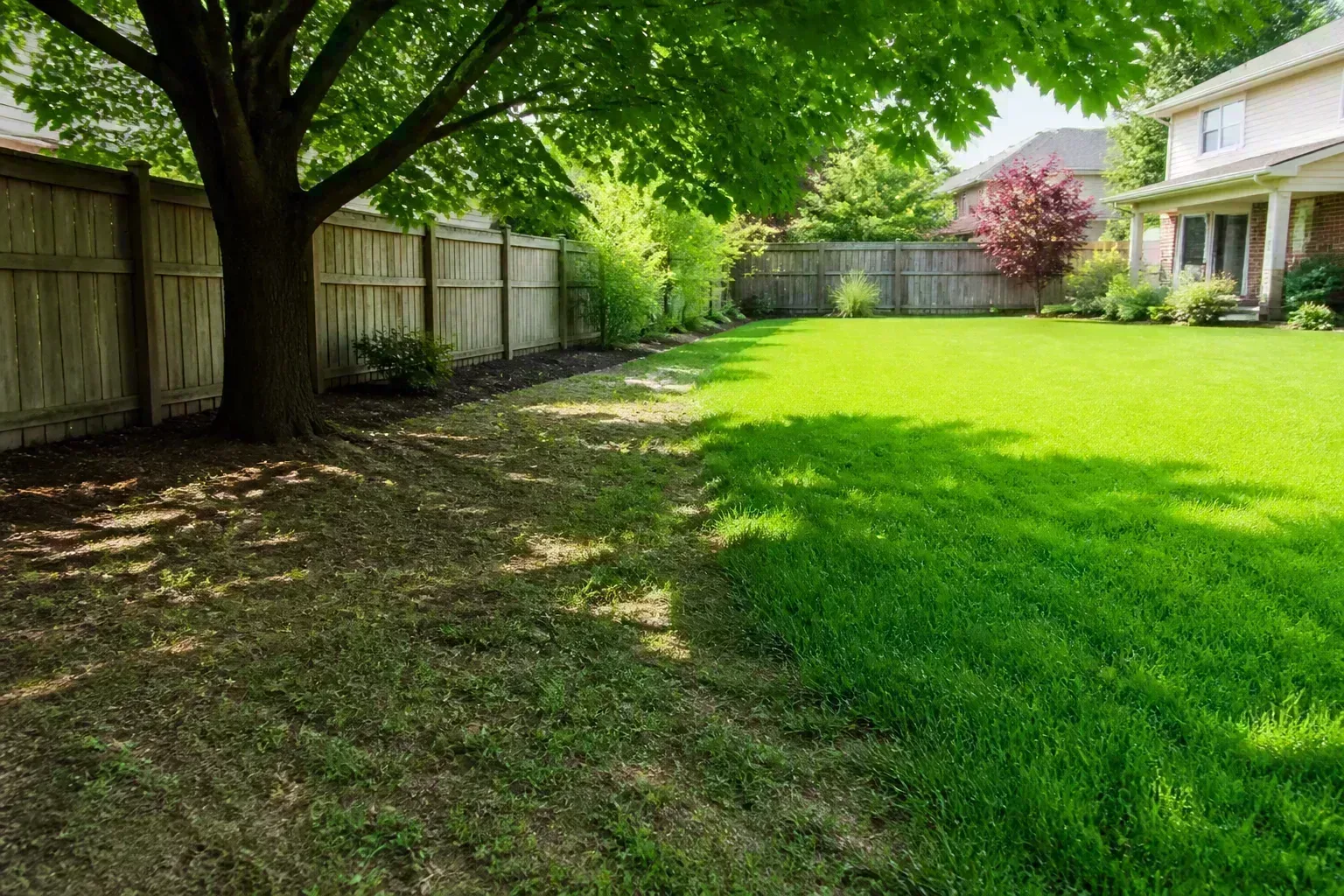
Nursery tags use vague terms—part shade, full shade, shade tolerant—that rarely match the microclimate at your downspout or under a roof eave. Spend one sunny day walking the bed at 8 a.m., noon, and 4 p.m. Count how many hours of direct sun hit the soil at midsummer. Reflected light from pale walls adds usable brightness even when no beam touches the ground.
Map RHS Light Categories to Your Yard
The RHS breaks garden shade into practical bands worth copying on your notepad. Full sun means more than six hours of direct midsummer sun. Light shade is open sky but screened from direct beams—common on the east side of a hedge. Partial shade runs about three to six hours, and midday sun counts more than weak morning rays. Dappled shade filters through open deciduous canopies. Moderate shade gets two to three direct hours. Heavy or deep shade receives less than two hours—often under dense evergreens or overhanging eaves.
If your spot sits within 16 inches of a north wall, expect dry shade from rain shadow even when the label says shade-loving. Our north-facing wall plant guide walks through that rain-shadow strip in detail. Write your category on a stake before shopping so you stop guessing in the perennial aisle.
Tip 2: Decide Whether You Have Dry Shade or Damp Shade
Dry shade pairs low light with chronically lean moisture. Tree roots, roof eaves, and thirsty maples create it. Soil may feel dusty six inches down a week after rain. Damp shade holds moisture—common on north slopes, near downspouts, or in clay that drains poorly. The same hosta that thrives in damp shade rots in wet winter soup or crisping dry shade without irrigation.
| Condition | Typical cause | Plant direction |
|---|---|---|
| Dry shade | Tree roots, eaves, slope shedding water | Hellebores, epimedium, pachysandra, Japanese anemone, established hostas with drip |
| Damp shade | Downspouts, clay, low spots | Ferns, astilbe, bleeding heart, rodgersia, ligularia |
| Dry + heavy shade | Dense evergreen canopy | Ground covers, tough natives; skip thirsty woodland flowers |
For damp shade, prioritize ferns, bleeding heart, and astilbe that expect consistent moisture. For dry shade, look at hellebores, Japanese anemones, and pachysandra once you commit to supplemental water the first two years. Never add a thick layer of topsoil over tree roots to “fix” dryness—that suffocates the tree and creates a false bed that dries out faster anyway.
Tip 3: Build Forest-Floor Soil Without Harming Tree Roots
Most shade lovers evolved on woodland floors rich in organic matter, not compacted builder’s fill. Loosen the top few inches where you can without cutting major roots, then work in compost or leaf mold rather than raw bark that steals nitrogen while breaking down. Mulch two to three inches after planting to slow evaporation—critical in dry shade—but keep mulch a few inches back from woody stems to limit crown rot.
Test drainage before you invest. Fill a hole with water; if it stands for an hour, improve grading or raise individual planting mounds instead of forcing moisture-loving plants into a bog. The RHS recommends autumn planting in light shade so roots establish over cool, moist months—spring works too if you irrigate through the first dry spell. Acid-loving species like rhododendrons and blue hydrangeas may need a soil test before you chase blooms that will never pink up in alkaline clay.
Tip 4: Skip the Manicured Lawn in Deep Shade
Turfgrass wants sun. In heavy shade you get thin, mossy patches that fight you every season. Replace failing lawn with ground covers matched to moisture: pachysandra and creeping thyme handle dry shade once established; sweet woodruff and ajuga suit moister beds. Mow less, water less, and stop pretending the strip under a maple should look like a putting green.
Where you need a walkable surface, use stepping stones or a narrow gravel path through ground cover instead of grass between pavers. That reads intentional and cuts the mud that compacted shade soil otherwise tracks into the house.
Tip 5: Layer Height from Ground Cover to Canopy
Flat beds read dull even when individual plants are fine. Stack three heights: ground layer (pachysandra, tiarella, small heuchera), mid layer (hostas, ferns, hellebores, foamflower), and canopy or backdrop (hydrangea, Japanese maple, serviceberry). Place taller plants toward the north or rear of the view so lower layers stay visible from your path.
This mirrors how woodland edges build in nature and gives you winter structure when herbaceous tops die back. See our companion plants for hostas guide for spacing and seasonal gap-filling between layers.
Tip 6: Lead with Foliage When Blooms Are Scarce
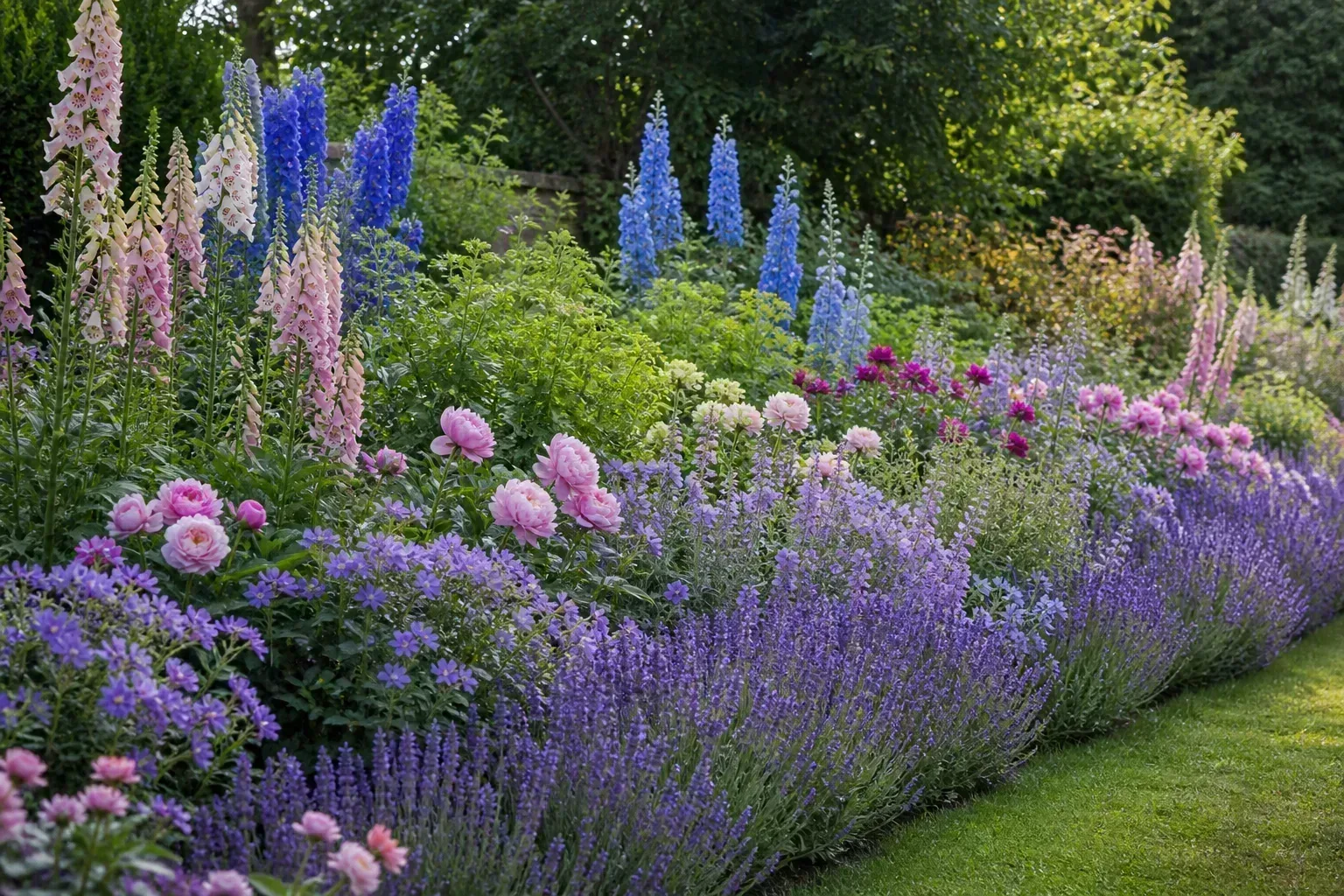
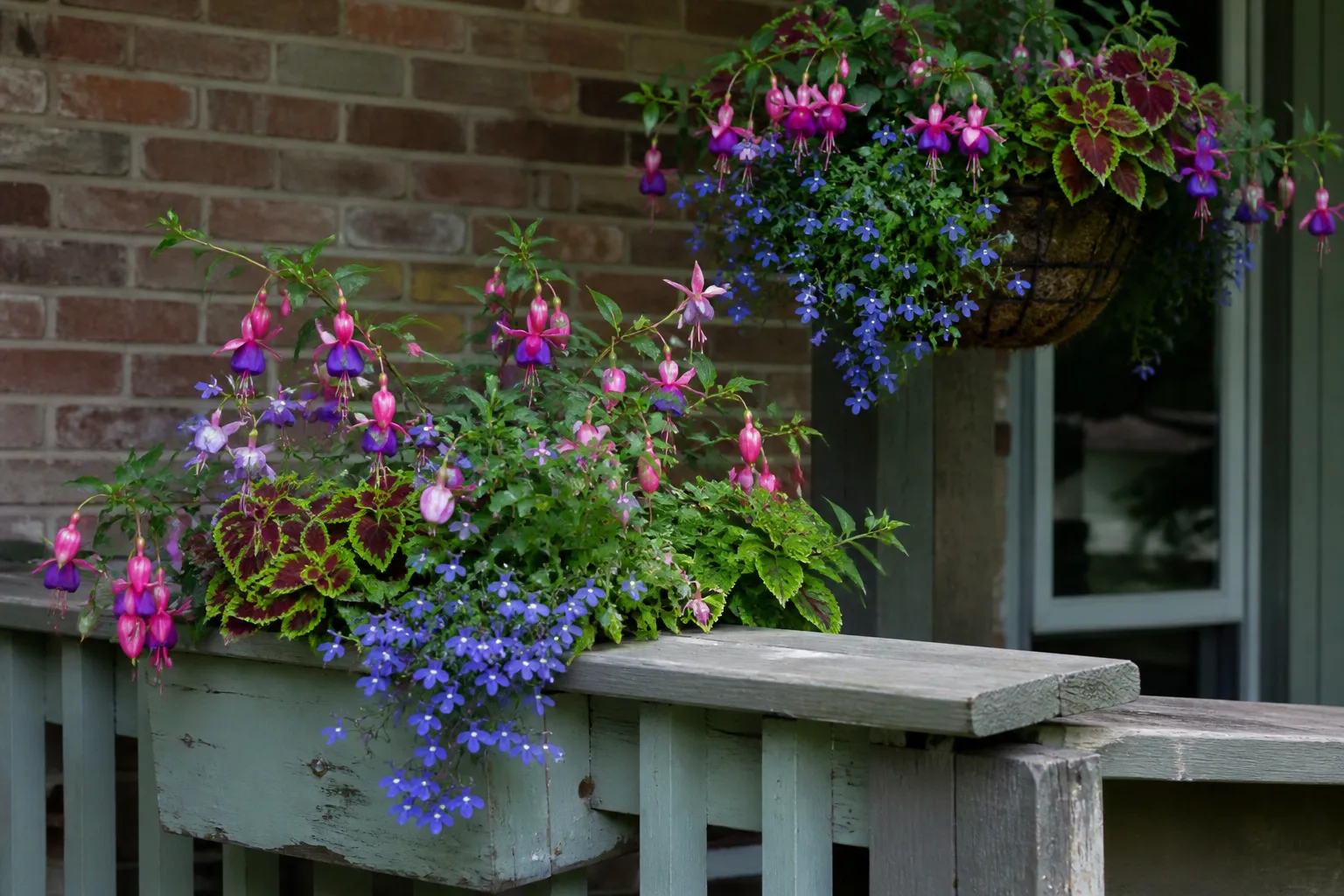
Most high-impact flower power wants more sun than deep shade delivers. Shift the design brief to foliage: chartreuse hosta wedges against blue-green forms, heuchera leaves that hold color all season, and variegated shade-tolerant grasses or sedges at the edge. NC State Extension notes that blue-leaved hostas prefer deeper shade while green-leaved types accept more partial light—use that contrast instead of chasing red petunias that fizzle by July.
White and pale flowers punch above their weight in dim light. Foamflower, white bleeding heart, and Japanese anemone blooms glow at dusk. For more on dividing and siting hostas, see how to plant hostas.
Tip 7: Pick Shrubs That Perform in Partial and Dappled Shade
Shrubs anchor a shade bed through winter. Hydrangeas—especially oakleaf and smooth types—handle partial or dappled shade with far more grace than sun-starved lawn. Japanese maple brings height and filtered color in light shade; avoid baking them against reflective south walls. Rhododendrons and pieris suit acidic, moist shade if drainage is decent.
Match the shrub to moisture, not just light. A hydrangea under a thirsty tree needs drip irrigation to bloom; a yew in wet clay will brown from root rot. Plant shrubs at least 18 inches off house walls where eaves create rain shadow dry shade, as the RHS recommends for wall-side beds.

Tip 8: Choose Climbers Carefully on Dark Walls
Most classic climbers—sun-hungry honeysuckle, jasmine, trumpet vine—are shade avoiders that stretch toward light and look leggy on north walls. Exceptions exist. Climbing hydrangea (Hydrangea anomala subsp. petiolaris) is the reliable choice for east and north exposures in cold climates, self-clinging once established. Some clematis cultivars tolerate partial shade if their roots stay cool and moist.
If a wall receives zero direct sun, skip climbers entirely and use a layered shrub border instead. For broader wall-side design ideas, see garden wall ideas.
Tip 9: Plant in Drifts, Not Polka Dots
One fern here, one hosta there, one heuchera by the step reads like visual clutter. Drift planting—repeating the same species in groups of three, five, or seven—calms the eye and mimics natural woodland spreads. Buy multiples of tough ground covers and repeat a mid-layer hosta cultivar through the bed instead of collecting seventeen different singles.
Repeating texture matters as much as repeating color. Three groups of the same fern behind two groups of astilbe beats a sampler platter that fights itself. This is the single fastest design upgrade most new shade gardeners skip.
Tip 10: Add Paths and Seating Where Shade Feels Best
Shade beds earn their keep on hot afternoons when open lawn is unbearable. A narrow paver path or stepping-stone trail invites you into the cool zone and keeps foot traffic off fragile roots. Nestle a bench or low chair where you actually sit—not where the catalog photo looked prettiest.
Paths also solve maintenance access. You can inspect slug damage, refresh mulch, and run drip lines without stepping on crown-forming plants. For seating styles that suit quiet corners, browse garden seating ideas.
Tip 11: Use Texture, Shape, and Variegation for Drama
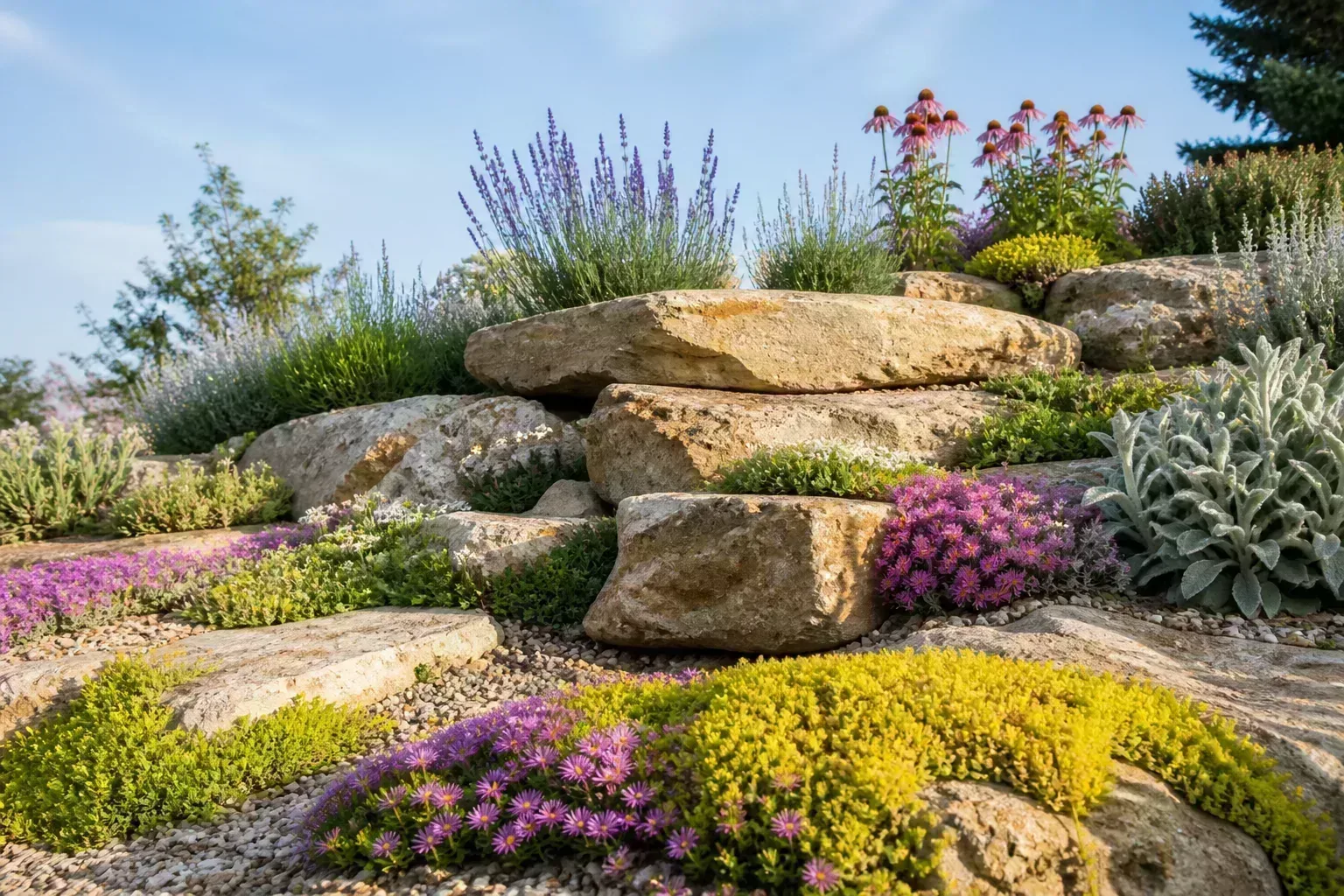
When color is muted, texture carries the scene. Pair bold hosta leaves with lacy fern fronds and glossy hellebore foliage. Euphorbia adds chartreuse bracts in dry shade; rodgersia sends up bold palmate leaves in damp pockets. Contrast round hosta mounds with upright foamflower spikes and horizontal ground-cover carpets.
Variegated leaves—white-edged hostas, silver brunnera, speckled pulmonaria—brighten corners that never see direct sun. Keep variegated plants to a minority so the bed does not look noisy; one bright wedge per view is usually enough.
Tip 12: Manage Moisture Without Rotting Roots
Shade slows evaporation, so you may water less often than on open lawn—but tree root competition can still leave new plants thirsty. Water deeply and infrequently to encourage roots downward. New transplants need steady moisture the first season; established ferns and hostas tolerate brief dry spells once rooted if mulch is intact.
Install drip irrigation under mulch on dry-shade beds under trees. Overhead sprinklers that leave foliage wet overnight invite fungal spots in humid shade. Check soil with your finger before assuming rain reached a bed under dense canopy; the umbrella effect of tree canopies sheds light showers.
Tip 13: Watch for Slugs and Fungal Issues in Cool Shade
Cool, moist shade is slug paradise. NC State Extension lists snails, slugs, and deer as primary hosta pests. Hand-pick at dusk, use iron-phosphate baits labeled for food gardens if needed, and pull mulch away from crowns in spring. Fungal leaf spots and powdery mildew spread when air sits still; thin overcrowded stems lightly for airflow without gutting the shade layer.
Pet owners should note that hostas are toxic to cats, dogs, and horses per NC State. Choose safer ground covers if pets graze beds. In damp shade, avoid overhead watering that splashes soil onto leaves—a common trigger for foliar disease.
Tip 14: Invite Wildlife Without Creating New Problems
Shade gardens make strong wildlife habitat: birds nest in layered shrubs, frogs hide in moist leaf litter, and pollinators visit early hellebore and foamflower blooms. A birdbath or shallow water dish adds movement without requiring sun. Skip feeding stations that attract raccoons into beds where you walk barefoot.
Balance welcome wildlife with realistic damage. Deer eat unfenced hostas and tulips; rabbits clip young shoots. If pressure is high, favor deer-resistant shade plants—ferns, hellebores, daffodils—and protect vulnerable new plantings with temporary fencing until shrubs size up.
Tip 15: Light the Shade Garden for Evening Use
The shadiest bed is often where you want to sit after work—exactly when natural light fades. Low-voltage path lights or solar stakes along a stepping-stone trail prevent stumbles and draw the eye to white flowers that glow at night. Uplighting a Japanese maple trunk or hydrangea mass adds depth without turning the bed into a stadium.
Keep fixtures warm and low; harsh floodlights flatten texture. Solar units work if the path gets a few hours of filtered daylight to recharge; wired systems suit deep canopy shade under evergreen trees.
Tip 16: Choose Formal Edging or a Wilder Woodland Look
You can edge a shade bed two ways. Formal: low hardy geranium or boxwood-height edging, stone border, or crisp mulch line against lawn. Wild: let fern drifts feather into path gravel, allow fallen leaves to stay as winter mulch, and skip rigid geometric beds. Both work; mixing them in the same yard usually looks accidental.
The meadow trend fits shade if you choose native woodland ephemerals and tough ground covers instead of sun-hungry wildflower mixes. Allow self-seeding hellebores and ferns to expand slowly rather than forcing bare soil where moss already signals the site wants a woodland floor.

Tip 17: Know When to Stop Fighting the Site
Some corners will not become English border fantasies. Deep shade under Leyland cypress, holly, or dense spruce offers dry, acidic, root-choked conditions where only a short list of tough ground covers survive, as the RHS notes for heavy shade. Accepting that limit saves money and guilt.
When bloom is unrealistic, invest in sculpture, a stone basin, or a textural foliage composition that looks deliberate. A beautiful shade garden is one that matches the site—not one that wins an argument with a 60-foot maple. For broader layout principles, start with landscape design for beginners.
Conclusion
Shade gardening succeeds when you measure light and moisture, amend soil without burying tree roots, and layer plants from ground cover to canopy. Match species to dry or damp shade, plant in drifts, manage water and slugs, and add paths, seating, and subtle lighting so the coolest bed in your yard becomes the one you use most. The seventeen tips above replace guesswork with site-specific decisions—so the next dark corner you plant stays alive past the first dry August week.