Shower Drain Smells Like Rotten Eggs: Causes and Fixes
Find out why a shower drain smells like rotten eggs, how to distinguish drain odor from smelly water, what you can safely clean, and when to call a plumber.
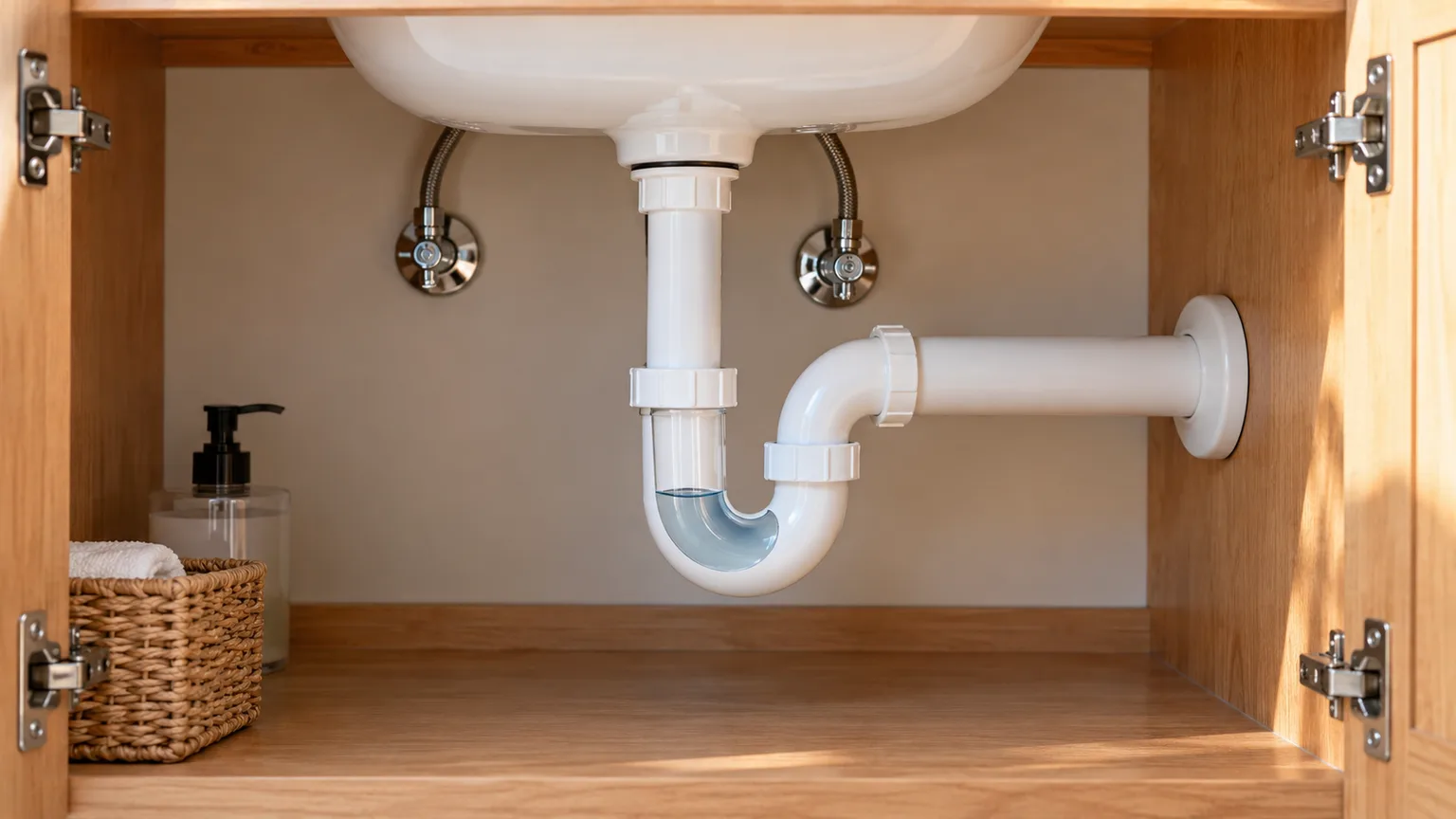
A rotten-egg smell near a shower can come from organic buildup inside the drain, sewer air getting past a trap, sulfur-smelling water, or a plumbing defect. It can also resemble the odor added to natural gas, so do not assume every sulfur smell is a drain problem. The useful first move is to locate where the smell is strongest and when it appears, then choose a fix that matches what you observe.
If you smell a sudden, strong odor throughout a room or home, hear hissing near a gas appliance, feel unwell, or cannot tell whether the odor is coming from a drain, leave and contact emergency services or your gas utility from outside. A brief, clearly localized odor at a drain is a different clue, but smell alone cannot tell you what gas is present or at what concentration.
Start by locating the source of the odor
The odor may seem to come from the drain simply because the shower is where you notice it. Before pouring anything into the pipe, note whether the smell is present when the shower is dry, starts only while water runs, or is strongest in the water itself. Also check whether a nearby sink, tub, toilet, laundry drain, or another bathroom has the same odor; that pattern helps distinguish a local shower issue from a shared plumbing or water-supply problem.
If the room is safe to enter and the odor is mild and clearly localized, compare cold and hot water using a clean glass. Let the water run briefly into the glass, move it away from the drain and shower, then smell it without putting your face over the glass; do not taste it. If both temperatures smell neutral away from the drain but the drain opening smells when dry, the plumbing trap or drain surface is a more likely starting point. If the water itself carries the odor, treat it as a water-quality or heater question rather than a dirty drain.
| What you notice | What it suggests | Sensible next step |
|---|---|---|
| Odor at a dry drain, especially after a shower sat unused | Dry or compromised trap; buildup at the drain is also possible | Run water into the trap if there is no emergency warning sign, then reassess |
| Odor mainly as water passes through, with hair or slow drainage | Organic debris or a partial clog | Clean accessible parts of the drain and watch whether drainage improves |
| Hot water smells at more than one fixture; cold water does not | Water heater or hot-water plumbing issue | Ask a plumber to inspect the heater and its anode system |
| Hot and cold water smell at several fixtures | Incoming water or a broader plumbing issue | Contact the water utility, private-well lab, or water-treatment professional |
| Strong odor throughout the home, hissing, or fuel-gas concern | Possible gas leak or hazardous air; source is not established | Leave immediately and call from a safe outdoor location |
These are clues, not a do-it-yourself chemical test. Hydrogen sulfide can have a rotten-egg odor, but other sources can smell similar, and an odor test cannot prove that a plumbing diagnosis is correct. When the signal is strong or unexplained, prioritize leaving and getting qualified help over further investigation.
Know when a sulfur smell is an emergency
A rotten-egg scent is also used to alert people to odorized natural gas. PHMSA says to leave the area on foot and call 911 from a safe location if you notice the distinctive odor of a gas leak; do not operate a light switch, appliance, engine, or phone inside the suspected area. Do not stay to open windows, search for the leak, or test whether a shower fixture is responsible. Get outside first and follow emergency responders’ instructions. (PHMSA natural-gas leak guidance)
Hydrogen sulfide is a separate gas associated with sewage and sulfur sources. ATSDR describes it as colorless and flammable, and warns that at high concentrations a person can lose the ability to smell it; odor therefore is not a reliable safety meter. If a person develops eye or breathing irritation, dizziness, nausea, confusion, or other symptoms around a strong or persistent odor, move to fresh air and seek emergency advice rather than trying drain treatments. (ATSDR hydrogen sulfide information)
For an odor that is mild, confined to one shower drain, and not accompanied by symptoms or signs of a fuel-gas leak, avoid panic but do not ignore a persistent sewer smell. Keep the bathroom ventilated if you can do so safely, limit time near a strong odor, and call a licensed plumber when simple trap refilling or surface cleaning does not resolve it. If you live in a multi-unit building, notify building management as well; a shared stack or common pipe may be outside your unit.
Why hydrogen sulfide can smell like rotten eggs
Hydrogen sulfide (H₂S) is one possible source of a sulfur-like odor. It can form as sulfur-containing material breaks down under low-oxygen conditions, and it may occur in wastewater or in some groundwater. That does not mean every rotten-egg smell at a shower proves that H₂S is present: a blocked drain, a dry trap, well water, a water heater, and odorized fuel gas can produce confusingly similar complaints that need different responses.
The shower drain is connected to a larger drain-waste-vent system, but a water-filled trap normally interrupts the path between the sewer and the bathroom. Odor may escape when the water seal is missing or compromised, when a leak opens a route around the pipe, or when material near the drain is producing a foul smell. Where water has a sulfur odor, the gas can be carried out of the fixture as the shower runs, making the drain seem responsible even though the source is upstream.
Hydrogen sulfide’s recognizable scent is useful as a prompt to investigate, not as a way to estimate danger. ATSDR notes that people can lose their sense of smell after exposure to high concentrations, so the odor seeming to fade does not establish that the air is safe. Do not intentionally sniff close to a drain or enclosed plumbing area, and never enter a crawlspace, pit, septic tank, or sewer space to search for the source.
Hair, soap scum, and drain biofilm
A shower drain catches hair, skin oils, soap residue, and bits of dirt. These materials can collect on the strainer, stopper, drain throat, or in a shallow accessible section of pipe; a sticky film called biofilm may hold debris and produce a sour or foul odor. A partial clog may still let water pass, so the shower does not have to be fully blocked for buildup to be the cause.
This possibility becomes more likely when the odor is strongest right at the drain cover, the water moves more slowly than usual, or you can see hair and slime on accessible surfaces. If water drains normally and the smell is strongest when the fixture has been unused, a dry trap may fit better. These patterns can overlap: buildup can coexist with a trap or vent problem, which is why improvement after cleaning is useful evidence but not a guarantee that the full cause is fixed.
A clean drain cover and opening matter more than a scented product. A fragrance may cover the odor temporarily while leaving the hair or film in place, and the smell can return with the next warm shower. This Old House’s plumbing guide treats drain buildup and a dry trap as separate problems, a useful distinction when you decide whether to clean the opening or restore the water seal. (This Old House shower-drain guide) Start with visible debris and accessible parts rather than assuming that a strong chemical is needed to “disinfect” hidden plumbing.
A dry or siphoned shower trap
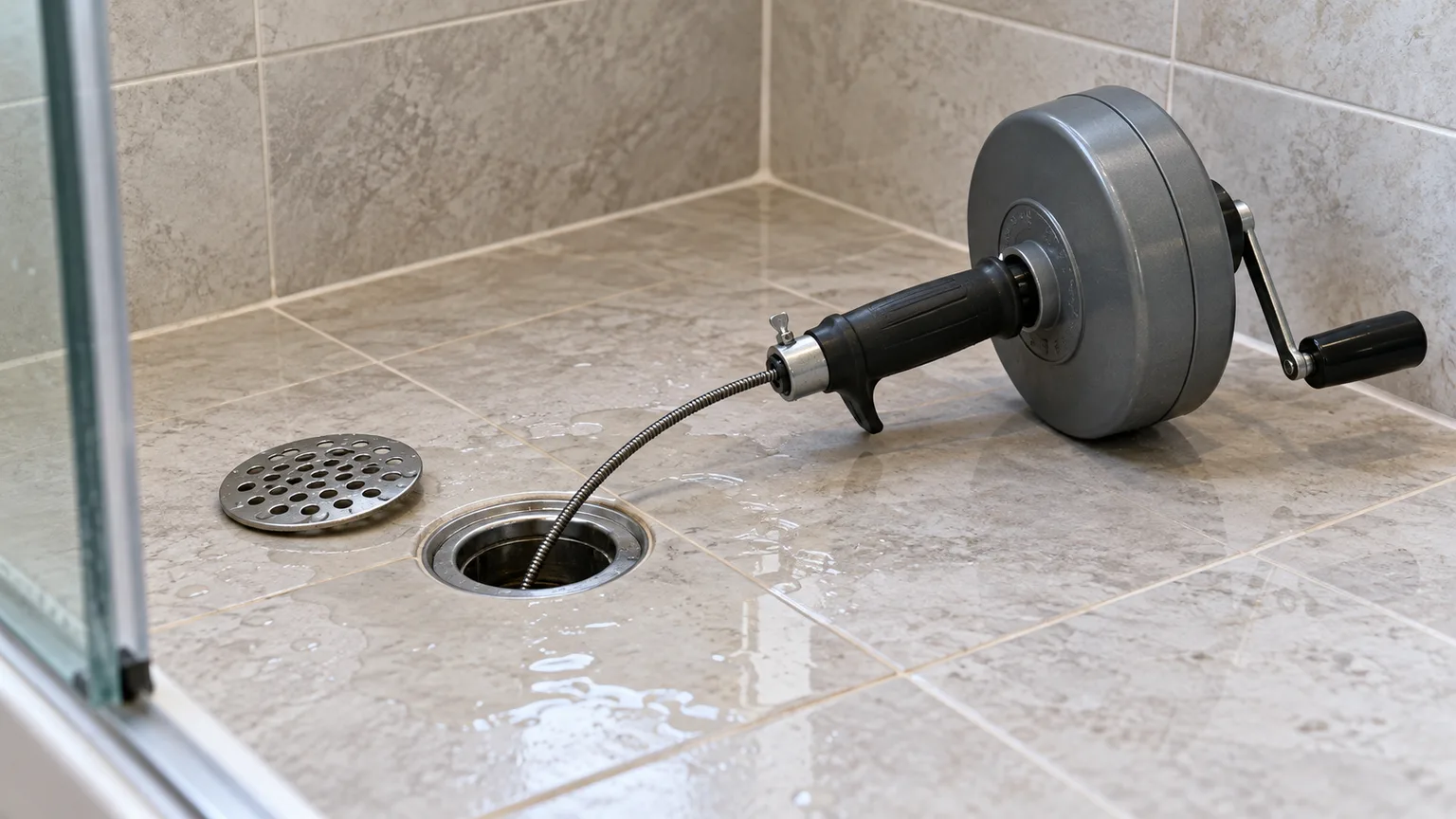
A shower drain should have a trap that holds water in a curved section of pipe. That water creates a seal that blocks sewer air from moving freely back through the drain opening. If a shower or floor drain goes unused for a long time, evaporation can lower the seal; the resulting odor may be most noticeable when you enter a guest bathroom or open a shower that has sat through a dry, warm period.
If the smell is mild and limited to an unused fixture, and there is no sign of a gas leak or unsafe air, run water into the drain for a minute or two. This replenishes the water seal in a typical trap. If the odor fades and stays away with ordinary shower use, evaporation may have been the simple explanation. If it returns quickly, or you hear gurgling or see water levels change in nearby fixtures, the water may be getting pulled or pushed out by a plumbing-system problem rather than evaporating naturally.
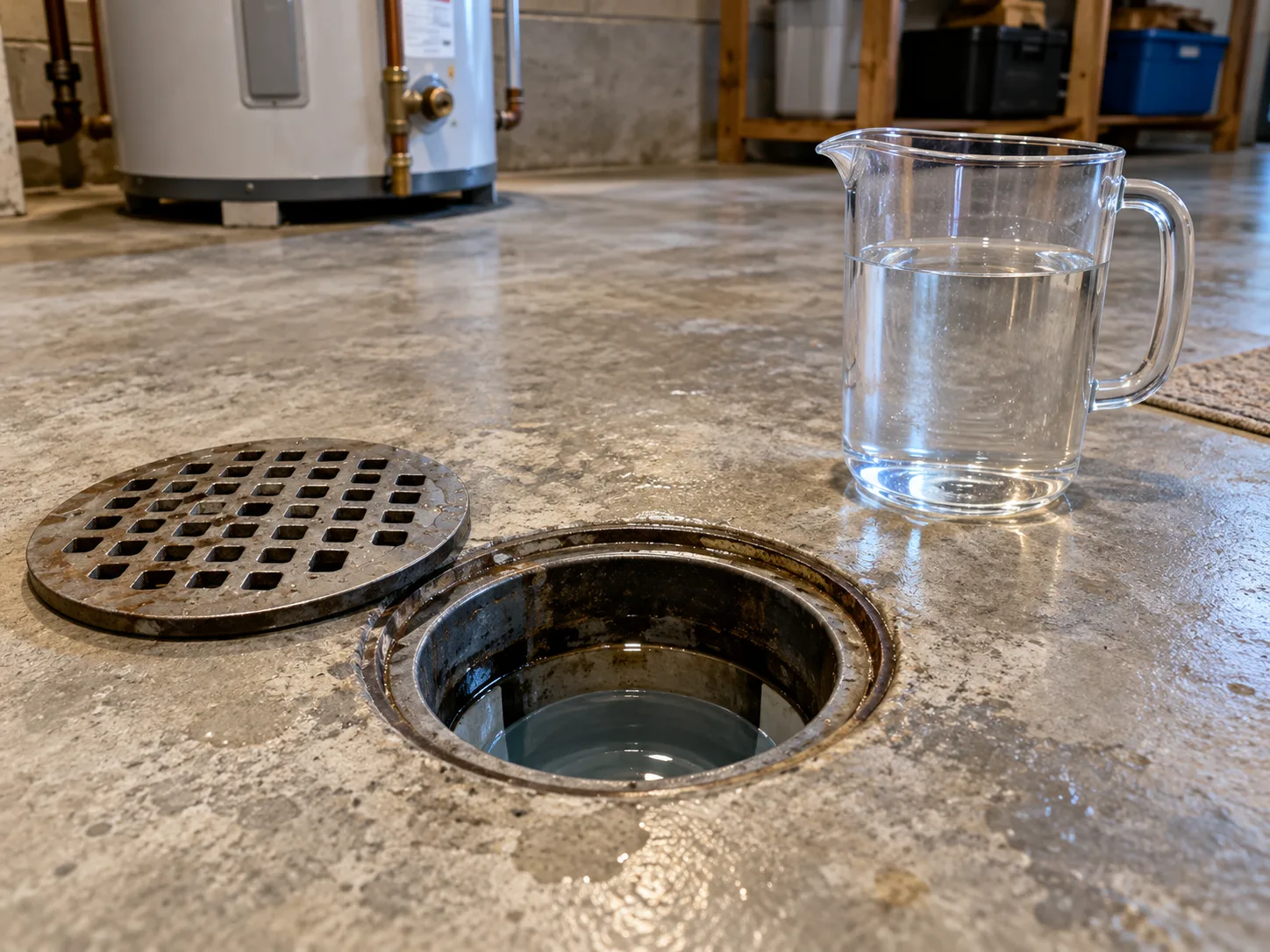
Not every shower trap is visible or removable from the room. Many are below a shower floor or inside a ceiling below, so do not pry up tile, cut an access hole, or pour oil or chemicals into the drain to try to preserve the seal. A plumber can identify the trap type and determine whether it is damaged, incorrectly installed, inaccessible, or missing. The image below shows the same water-seal principle at a floor drain; the fixture is different, but the retained water is what blocks sewer air.
A venting problem that keeps emptying the trap
Plumbing vents let air enter the drain system so wastewater can move without creating pressure that disrupts traps. When a vent is blocked, damaged, or improperly connected, a fixture elsewhere may make a nearby trap gurgle or lose part of its water seal. Roof vents are not safe homeowner inspection points: wet roofs, steep pitches, and ladders can lead to serious falls, and an improvised cable can damage piping or push debris farther down.
Pay attention to what else happens when the odor appears. Gurgling at the shower or sink, a toilet that bubbles when another fixture drains, repeated slow drainage, or a smell returning shortly after the trap is refilled are reasons to arrange a plumbing inspection. A vent problem is not the only explanation for these signs, but the combination points beyond simple drain-surface cleaning.
Avoid blocking a vent or adding an unapproved one-way valve as a quick fix. Vent layout and repair depend on the building’s plumbing and local requirements. Tell the plumber which fixtures gurgle, whether the shower smell follows toilet flushing or laundry use, and whether the problem affects more than one bathroom; those observations can narrow the investigation without requiring you to climb to the roof.
A leak, failed joint, or damaged drain line
A crack, loose connection, failed gasket, or damaged waste pipe can let wastewater or sewer air escape into a wall, floor cavity, or ceiling. The odor may seem to come from the shower opening even when the problem sits below the pan or behind the wall. Look only for clues you can see without dismantling the room: a new water stain on the ceiling below, damp baseboard, peeling paint, soft flooring, a musty patch, or water appearing outside the shower after use.
A musty odor and visible moisture may indicate a separate moisture problem, while a rotten-egg or sewage odor can point to drain gases; smells alone cannot tell you whether mold, a leak, or bacteria is present. Do not cut into a wall or floor just to identify the source, and do not seal over a stain before finding out whether it is still wet. Persistent moisture can damage finishes and materials, and a hidden leak needs repair before cosmetic cleanup makes sense.
If the odor is strongest around a pipe penetration, vanity, ceiling below, or shower curb instead of at the open drain, contact a plumber or building professional. A plumber may need to inspect the trap, drain connections, or vent; repairing a concealed leak can also require a qualified contractor to open and restore the finish. Photograph any changes and note whether they worsen after shower use, but stop using the fixture if water is actively escaping or the floor feels unsafe.
When the water smells as it enters the drain
A useful distinction is whether the odor follows the drain opening or the water. Run cold water into a clean cup and move it away from the shower before smelling it, then repeat with hot water only if the air is safe and no fuel-gas concern exists. If the water smells neutral away from the drain but the drain itself smells, focus first on the trap and drain surfaces. If the sample carries the odor, cleaning the drain will not remove a water-supply or water-heater source.
If only one faucet or shower water smells, the issue may be localized to that fixture’s branch plumbing or to bacteria on a faucet/showerhead surface; this still merits attention if cleaning the fixture exterior and checking the drain do not resolve it. If several fixtures smell alike, compare hot and cold water and contact the municipal water provider or, for a private well, a state-accredited water-testing laboratory. Penn State Extension explains that a rotten-egg odor may come from hydrogen sulfide in groundwater, while a smell at one drain may instead come from drain bacteria. (Penn State Extension on hydrogen sulfide in well water)
A glass test is a way to locate the odor, not to establish that water is safe to drink. Do not taste suspect water. For a private well, ask the laboratory how to collect and preserve a sample because hydrogen sulfide can dissipate and may require prompt or stabilized testing; ask which additional tests are appropriate if the odor is new or accompanied by discoloration, sediment, or other changes. For a public supply, report a new widespread odor to the utility and follow its instructions rather than assuming the annual water-quality report describes what is happening at your tap today.
Sulfur in the supply or a water-heater reaction
If hot water smells at several fixtures but cold water does not, a water-heater reaction is one plausible cause. Water heaters commonly contain a sacrificial anode rod to help protect the tank from corrosion; in some water chemistries, a magnesium rod can contribute to hydrogen sulfide formation. Penn State and North Dakota State University Extension describe hot-water-only rotten-egg odor as a pattern that can be associated with the magnesium anode reacting with sulfates in the water. (Penn State Extension water-well guidance; NDSU Extension on hot-water odor)
That pattern is a clue, not proof that the rod is faulty or that the heater is the only source. Compare more than one hot tap and check whether the cold water smells too; odors in both temperatures or at several cold-water fixtures suggest a supply or broader water-treatment issue. A plumber can inspect and service the heater and discuss an approved alternate anode if the water chemistry supports that approach.
Do not remove the anode rod and leave the tank unprotected. It is there to reduce corrosion, and removing it can shorten heater life and may affect the warranty. Do not raise the thermostat to a high temperature as a home remedy; hot-water scald risk and appliance instructions matter, and temperature changes do not identify the source. If a private well supplies the home, the well and water may need separate testing and treatment, not just a water-heater adjustment.
If both hot and cold water smell, especially at multiple taps, contact your water utility or a well-water professional. Penn State notes that testing for hydrogen sulfide may need to be done at the home or stabilized before a lab receives it, so ask the lab about collection requirements rather than filling an arbitrary bottle and mailing it. If the water changes suddenly after flooding, well work, nearby construction, or a treatment-system change, mention that event when you call.
Clean the accessible drain safely
When the evidence points to debris at the drain, cleaning visible, accessible parts is a reasonable first repair. Read the shower’s instructions if available. Turn off the water, lift only a cover or strainer designed to be removed, and use gloves to pull out hair with fingers or a plastic hair-removal strip. Remove debris from the cover and drain rim with a small brush and ordinary bathroom cleaner used according to its label, then rinse with warm tap water.
Do not reach blindly into the pipe, force a tool past a bend, or remove an unfamiliar stopper mechanism. A small hand tool can snag hair close to the opening, but powered augers and long metal cables can damage some drain assemblies or scratch a shower surface when used without experience. If a tool meets resistance, the clog is deep, or the shower drains slowly despite clearing visible hair, stop and get professional help rather than forcing the obstruction farther down the line.
After cleaning, run water and see whether the drainage speed changes and whether the odor fades. If the shower has not been used for a long time, running water also replenishes the trap, so improvement after this two-part step does not reveal which part helped. If the smell returns within a day or two, persists despite a clean, water-filled drain, or appears at other fixtures, move to diagnosis instead of repeating the same cleaning routine.
A low-risk first-pass diagnosis
A short, repeatable sequence is more useful than trying several cleaners at once. First, check for emergency cues: a strong room-wide odor, a hissing sound, a suspected gas appliance leak, or symptoms. If any are present, leave and call from outside; skip all drain tests. If there is no emergency cue and the odor is confined to the shower, record whether it happens with the drain dry, while water runs, or in water carried away from the drain.
Next, inspect the cover and visible drain throat for hair or slime, and note how quickly the shower empties. Clean only the visible debris with a safe, compatible product; do not combine products. If the fixture has been unused, run water to refill the trap. Then note the result over the next few uses: a lasting improvement suggests a surface buildup or dry trap, while rapid recurrence, gurgling, slow drainage, or odor from several fixtures suggests the need for a plumber.
Finally, test the odor pattern across a nearby cold tap and hot tap using clean cups only if the room is safe. If the water carries the odor away from the drain, call the utility, water lab, or water-heater professional based on which taps and temperatures are affected. This sequence is not a substitute for air monitoring, water testing, or plumbing inspection; it simply helps you provide better clues and avoid treating the wrong system.
Why baking soda and vinegar are not a full repair
The fizz produced by baking soda and vinegar looks dramatic, but visible bubbling does not establish that a hidden trap has been cleaned, disinfected, or repaired. The two ingredients react with each other and may loosen a little surface residue, yet they cannot refill a siphoned trap, clear a blocked roof vent, seal a cracked pipe, correct an anode-rod reaction, or test a well. A rinse may help with mild residue at the opening, but it should not be described as a reliable way to sterilize plumbing.
If you choose to use a product for routine surface cleaning, follow the shower and cleaner labels and use one product at a time. Physical removal of hair and wiping the accessible drain parts are usually more targeted than pouring a mixture into the pipe. When an odor continues after the visible buildup is gone, repeated home mixtures add effort while delaying the diagnosis that matters.
Products and actions to avoid
Never mix bleach with vinegar, acids, ammonia, toilet cleaner, or another drain product. Mixing household chemicals can release hazardous fumes, and a drain may already contain a cleaner from an earlier attempt. Read the label, ventilate as directed, use protective equipment specified by the product, and do not plunge or snake a drain after caustic cleaner has been poured into it unless the product label explicitly says it is safe; a splash can injure skin or eyes.
Avoid pouring boiling water into a shower drain. The heat can create a burn hazard, may stress some plumbing materials or seals, and is unnecessary for removing a visible hair clump. Warm tap water is sufficient for rinsing the drain surface after physical debris removal. Do not use a fragrance, bleach tablet, or deodorizer to mask a possible sewer-gas leak; scent is not a repair.
Do not climb onto the roof to inspect a vent, open wall cavities, enter crawlspaces, or remove water-heater parts as a first response. Those jobs involve fall, electrical, gas, scald, structural, and corrosion risks that are not solved by guessing from the smell. A licensed plumber or relevant utility has the tools and training to inspect the concealed system and determine whether work is needed.
Signs the problem needs a plumber
Call a licensed plumber when the odor remains after visible debris is removed and the trap has been refilled, returns quickly, or is accompanied by gurgling, repeated slow drainage, bubbling at another fixture, or unexplained changes in trap water. These signs may indicate a vent, branch line, trap, or main-drain issue that cannot be reached from the shower opening. Multiple fixtures with odor or drainage symptoms raise the chance that the problem is shared, though an inspection is needed to identify the actual cause.
Arrange an inspection promptly if you see a water stain below the shower, damp flooring, a soft spot, loose or newly stained finish, or water escaping around the shower base. Stop using the shower if there is active leakage or a risk of slipping or ceiling damage. If you rent or live in a condo, notify the property manager; the source may be in common plumbing or a neighboring unit.
For a strong unexplained indoor sulfur odor, symptoms, or possible fuel-gas leak, do not wait for an ordinary plumbing appointment. Leave the building and contact emergency services or the gas utility from a safe outdoor location. A plumber can investigate a confirmed drain odor, but a suspected gas leak belongs with the gas utility and emergency responders first.
What to tell the plumber or water lab
Useful observations can save a return visit. Tell the plumber which fixture smells, whether the smell is at the dry drain or follows running water, whether hot and cold water differ, when the shower was last used, and whether there is gurgling or slow drainage. Mention recent drain-cleaner use, because the product and timing affect what the plumber can safely do next; keep the container or take a photo of the label.
Photograph visible moisture or stains and note when they appear in relation to showers, laundry, or toilet flushing. Do not remove tiles or open walls first. If the odor is in water, write down which taps and temperatures are affected, whether other household members notice the same thing, whether you use a private well, and any recent work on a softener or treatment system.
For a lab, ask whether it tests for hydrogen sulfide and what container, preservation, and delivery timing it requires. Also ask whether the odor pattern calls for additional tests; a smell by itself does not identify bacteria, contamination, or a safe treatment method. Keep the lab report and share it with a qualified water-treatment professional rather than installing a filter based on a generic “sulfur removal” claim.
Prevent a recurring shower-drain odor
Remove hair from the strainer regularly, before it forms a mat, and clean the drain cover and rim during ordinary bathroom cleaning. A removable hair catcher can reduce what enters the pipe, but it needs frequent cleaning and should fit without obstructing the drain. If the shower is used normally and the trap is sound, routine use usually keeps water in the trap; a seldom-used shower may need an occasional short run of water, especially after long dry periods.
Do not try to fix a trap that repeatedly dries by pouring oil into it or by adding a chemical sealant. Repeated evaporation may be expected in an unused fixture, but a trap that loses water soon after refilling can signal siphoning, positive pressure, damage, or an installation issue. Ask a plumber whether a trap primer or another code-compliant solution is suitable for the specific fixture.
Keep a simple note if the odor returns: date, fixtures, hot or cold water, drainage speed, sounds, and recent plumbing work. That history can distinguish a one-time buildup from a recurring system problem. If the smell begins after well service, water-treatment changes, flooding, or utility work, contact the appropriate water professional rather than assuming the shower drain itself changed.
Conclusion
A shower drain that smells like rotten eggs may have trapped hair and biofilm, a dry or siphoned water seal, a vent or pipe defect, or water that already smells before it reaches the drain. Start by locating the odor safely: at the dry drain, only while water runs, in hot water, or across the home. Clean visible debris and refill an unused trap only when the odor is mild and localized; if it quickly returns, drainage or gurgling changes, or moisture appears, arrange a plumbing inspection.
Treat a strong room-wide sulfur odor, symptoms, hissing, or any possible natural-gas smell as an emergency. Leave and call from outside. For a water-only pattern, contact the utility or a qualified well-water lab, and have a plumber assess a hot-water-only issue before anyone changes the anode rod. The right source check prevents masking a warning sign or pouring chemicals into a drain that needs a different repair.