What Causes Pink Mold and How to Remove It
Remove pink mold without a risky bleach mix. Identify the film, clean and disinfect compatible surfaces, then fix the moisture and soap residue feeding it.

That pink or orange slime around a shower drain, toilet waterline, or sink is usually not a traditional mold problem. In a bathroom, the most common culprit is Serratia marcescens, an environmental bacterium that forms a sticky biofilm where moisture and soap residue collect. Local water-utility guidance describes the same pink residue on fixtures and notes that it is generally not a sign of a drinking-water quality problem (City of Norfolk).
For a small patch on a sound, washable surface, the reliable sequence is wash away the film, rinse, use one compatible disinfecting product exactly as its label directs, rinse if the label requires it, and dry the area completely. Do not begin with a homemade 50/50 bleach mixture, and never combine bleach with vinegar, ammonia, hydrogen peroxide, or another cleaner.
The Short Answer: Remove the Film, Then Control Moisture
Start by treating the pink growth as a surface biofilm, not as a stain that a single spray can permanently erase. Put on gloves, ventilate the room, remove the visible residue with a surface-safe cleaner and brush or cloth, rinse away the loosened material, then disinfect only if the surface and product label allow it. The CDC’s cleaning guidance emphasizes that surfaces should be cleaned before they are sanitized or disinfected because dirt and other impurities make it harder for the chemical to work (CDC cleaning and disinfection guidance).
After the surface is clean, keep it from staying wet and slimy. Run the exhaust fan during a shower and afterward, spread the curtain so it can dry, wipe soap and shampoo residue from ledges, and fix leaks or condensation that keep one corner damp. If the film returns within days, the problem is usually not that you failed to find a stronger cleaner; it is that residue, moisture, an inaccessible crevice, or a contaminated drain remains.
Is Pink Mold Actually Mold?
Usually, the pink film in a shower or bathroom sink is a bacterial growth, not a fungus. Serratia marcescens is found in the environment and can grow as a pink, reddish, orange, or grayish slimy film on damp surfaces. The City of Norfolk explains that it thrives where moisture, dust, and phosphates are available, while the Town of Halfmoon describes pink stains around drains, fixtures, and toilet waterlines as a result of airborne bacteria rather than a water-quality defect (Town of Halfmoon water-department FAQ).
That distinction matters because “pink mold” is a household nickname, not a diagnosis. Other pink-colored microbes, including true fungi, can grow on damp porous materials, and a fuzzy patch on a wall, window frame, carpet, plant soil, or wallpaper should not automatically be treated as the same slimy bathroom film. A color photograph cannot identify the organism with certainty, so let the texture, location, moisture history, and material guide the first decision.
What Gives It a Pink Color?
The characteristic color comes from prodigiosin, a red-orange pigment associated with Serratia marcescens. Dilution with water can make the growth look pink, while older or thicker deposits may look orange, red, or brown. That is why two bathrooms can have the same underlying problem but different-looking rings or smears.
Do not scrape the film dry to “see what it is.” Dry scraping can spread contaminated dust or droplets, and it does not solve the moisture or residue that allowed the film to establish. Wet cleaning, controlled scrubbing, and thorough drying are more useful than trying to collect a home sample.
Where You’ll See Pink Bacterial Film
Look first at places where water sits or evaporates slowly and where organic residue is repeatedly deposited. Common locations include shower corners, grout lines, silicone caulk, the underside of a shower curtain or liner, faucet bases, sink overflows, drain covers, toilet waterlines, soap dishes, and the edges of tubs.
It can also appear around a dishwasher, a damp basement fixture, or a pet-water area. The pattern is more informative than one isolated mark: a thin pink ring at a wet waterline points toward a different cleanup job than a spreading fuzzy patch in drywall after a leak.
If pink film is concentrated at the same faucet, drain, or curtain fold, inspect that exact micro-environment. A dripping tap, clogged overflow, rough grout, folded liner, or soap dispenser that leaves a puddle can keep supplying moisture even when the surrounding counter looks dry.
Why Pink Mold Keeps Coming Back
Pink growth returns when the conditions that support it return. Serratia marcescens can use moisture plus residues from soap, shampoo, body oils, dust, and other organic material. Poor airflow, hard-to-dry crevices, leaking fixtures, and water trapped under a liner all give the film a place to rebuild.
The second reason is that a visible smear may be only the exposed edge of a biofilm. In a peer-reviewed study of hospital sink drains, researchers found that the effectiveness of disinfection depended on the disinfectant, concentration, exposure time, frequency, and the protection supplied by established biofilms. Even after effective thermal treatments, Serratia strains recolonized some drains, so the authors emphasized repeated control of biofilm rather than assuming one treatment was permanent (PMC sink-drain disinfection study). That study was conducted in a neonatal intensive-care setting, not an ordinary home, but its practical lesson transfers: drains and other wet reservoirs deserve repeated cleaning and should not be judged by the appearance of the rim alone.
Use recurrence as a troubleshooting clue:
| Where it returns | What to check first |
|---|---|
| Shower corners or grout | Soap scum, poor fan use, slow-drying surfaces, and cracked or rough grout |
| Under a curtain or liner | Folded wet fabric, trapped water at the tub edge, and laundry or replacement needs |
| Sink rim or overflow | Drips, the overflow opening, faucet-base deposits, and the drain cover |
| Toilet waterline | Low-use stagnation, the bowl rim, brush hygiene, and a damp bathroom with poor airflow |
| Behind a wall or in HVAC areas | Hidden leaks or condensation; stop DIY cleaning and investigate the moisture source |
Is Pink Mold Dangerous?
For most healthy people, a small amount of pink Serratia film in a home is more likely to be an unpleasant sanitation problem than an emergency. Cleveland Clinic notes that people can sometimes see Serratia marcescens as a pink film in moist places such as showers and toilet bowls, and that most people do not become sick from the organism growing in their homes or the environment (Cleveland Clinic on Serratia marcescens).
The balanced answer is not “harmless.” Serratia can cause infections in the right circumstances, including wound and eye infections, and clinical risk is higher for people with weakened immune systems, certain medical devices, or prolonged health-care exposure. Avoid touching the film with bare hands, keep it away from open cuts and contact lenses, wash your hands after cleanup, and do not let children or pets play around a wet contaminated area.
If someone in the home is immunocompromised, has a chronic lung condition, or has significant asthma, have another adult handle a small cleanup or ask a health professional about the safest approach. If a person develops persistent eye pain or redness, fever, unusual wound inflammation, breathing difficulty, or other symptoms after a relevant exposure, contact a clinician; do not try to identify or treat an infection by looking at the bathroom stain.
Before You Clean: Match the Method to the Surface
Check the material before choosing a chemical. Glazed ceramic tile, porcelain, glass, stainless steel, and many hard plastic surfaces are generally easier to wash and rinse. Grout, silicone caulk, painted drywall, unfinished wood, fabric, and old shower liners are more porous or damage-prone, so a cleaner that works on a tile face may bleach, weaken, discolor, or leave residue in the adjacent material.

For a small, reachable patch, gather gloves, eye protection, a cloth or nylon brush that will not scratch the surface, a bucket or bowl, clean water, and one cleaner. Read the surface and product labels before opening anything. If the label calls for ventilation, a particular dwell or contact time, dilution, or protective equipment, those instructions take precedence over an internet recipe.
Do not clean a large, hidden, or damaged area just because the visible patch looks small. A leak behind a wall, sewage backup, mold in HVAC ducts, or a porous material that remains wet calls for moisture investigation and often professional help rather than more surface spray.
How to Remove Pink Mold from Tile and Grout
This sequence is for a small amount of visible film on tile, grout, porcelain, or another surface that the product label says can be wet-cleaned. Work from the cleanest area toward the dirtiest, keep your brush dedicated to bathroom cleanup, and avoid splashing the residue onto nearby towels, toothbrushes, or personal-care items.
Step 1: Ventilate and Protect Yourself
Open a window or door if that is safe, turn on the exhaust fan, and move toiletries and fabric items out of the splash zone. Wear gloves and eye protection; a face covering may be appropriate if the product label calls for one, but it is not a substitute for ventilation or for avoiding a cleanup that exceeds your abilities.
Do not spray a cleaner into the air or dry-brush the film. Apply it to a cloth, sponge, or the affected surface in a controlled way, keeping your face away from the work area. If you have asthma, a strong sensitivity to cleaning fumes, or a health condition that makes exposure a concern, arrange for someone else to do the work.
Step 2: Wash Off the Biofilm
Use warm water and a cleaner that is suitable for the material to loosen soap scum and the slimy layer. Work in small sections with a soft cloth or nylon brush; the goal is to physically remove the residue, not to grind it into grout or spread it across a larger area.
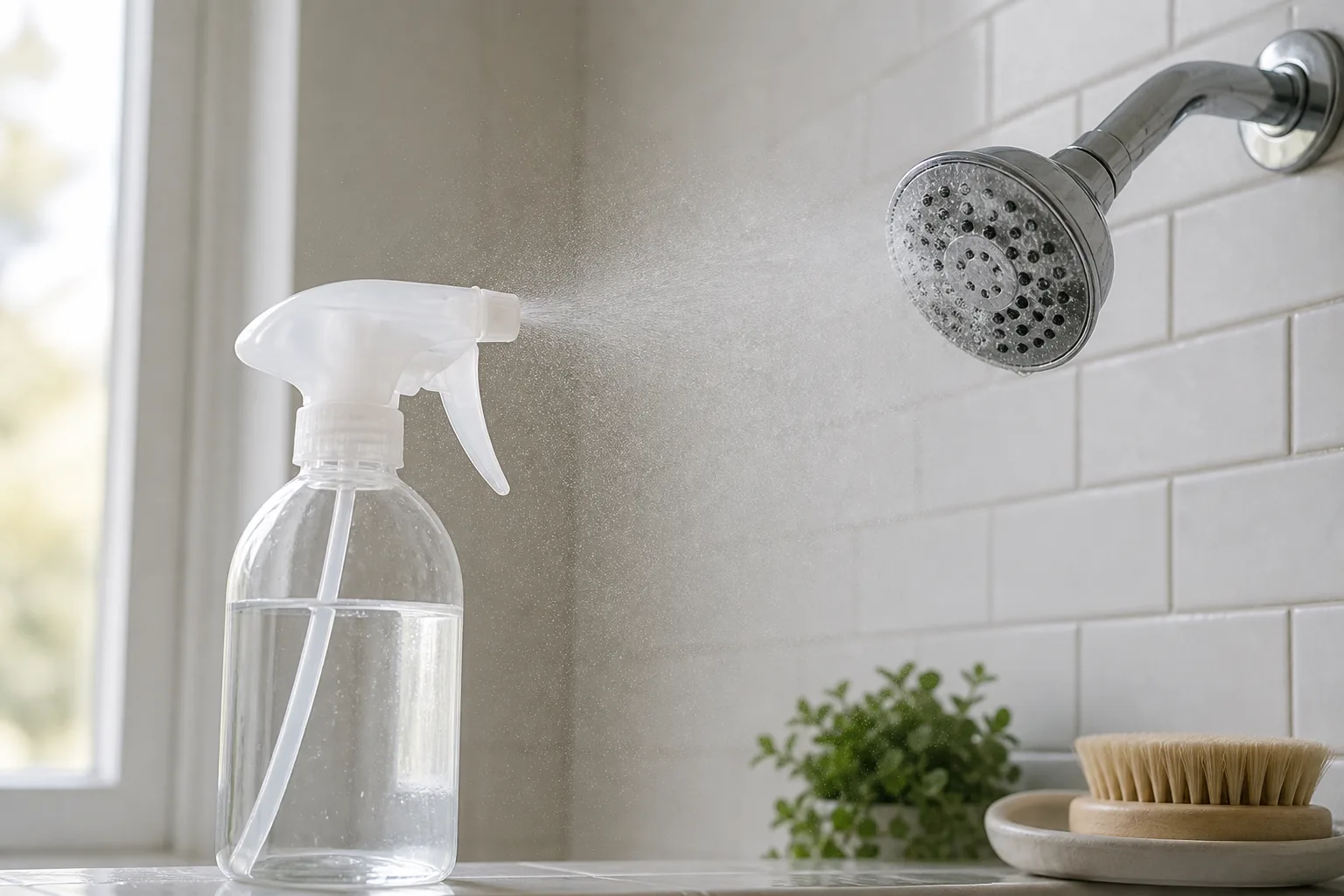
Rinse the section with clean water and look at the brush and cloth. If the material is still pink and slippery, wash it again before disinfecting. The CDC recommends cleaning visibly dirty surfaces before sanitizing or disinfecting because debris can make chemical treatment less effective (CDC clean-before-disinfect guidance).
Step 3: Disinfect According to the Label
Once the visible film and cleaner residue are gone, choose one disinfecting product labeled for the surface and follow its dilution and contact-time directions. Keep the surface visibly wet for the stated contact time when the label requires that, and provide the ventilation and protective equipment named on the label. The CDC specifically warns that products should not be mixed and that bleach combined with ammonia cleaners can cause serious injury or death (CDC bleach-safety guidance).
If you use regular unscented household bleach, do not improvise a concentrated mixture. CDC guidance for mold growth on hard surfaces gives a general example of 1 cup of bleach in 1 gallon of water, but that disaster-cleanup guidance is not a universal recipe for every bathroom material or product concentration. The bleach bottle’s label, the surface manufacturer, and local safety guidance determine whether and how it should be used.
Never pour bleach onto a surface that still has vinegar, ammonia, toilet-bowl cleaner, hydrogen peroxide, or another chemical on it. If you are changing products, rinse the surface thoroughly, allow it to drain or dry as appropriate, and use the next product only as its label permits. If you notice a sharp chemical smell, burning eyes, coughing, or breathing difficulty, leave the area, get fresh air, and contact Poison Control or emergency services as appropriate; the CDC’s ammonia guidance says not to mix household cleaners and to leave an indoor area for fresh air after a chemical release (CDC ammonia safety information).
Step 4: Rinse, Dry, and Inspect
Rinse away the disinfectant if the label says to rinse, especially where bare skin, children, food, or pets may contact the surface. Wipe or squeegee away standing water, launder or discard the cleaning cloth according to its care instructions, and leave the fan running until the area is dry.
Inspect the surface in good light after it dries. A pink shadow can be pigment staining left in grout rather than active slime, while a soft, wet, or returning deposit means the cleaning job or the moisture correction is incomplete. Do not keep escalating chemical strength to chase a stain that is embedded in damaged caulk; replace failing caulk and fix the moisture source instead.
How to Clean Pink Film from Drains and Toilet Bowls
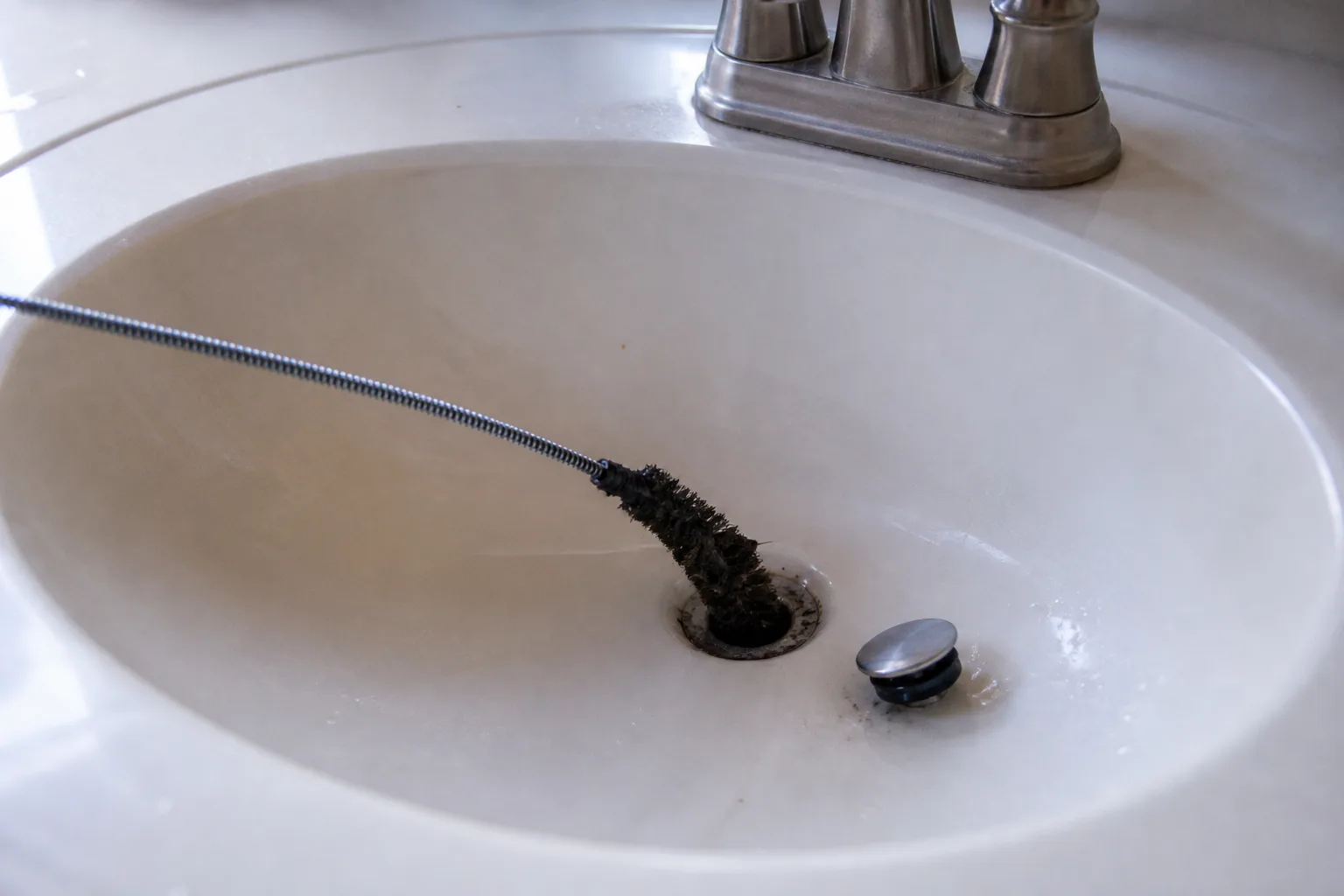
Drains and toilet bowls need a little more patience because water, residue, and biofilm can hide below the visible edge. For a sink, remove the drain cover if it is designed to come off, clean the accessible underside and surrounding overflow area with a dedicated brush, rinse, then use a single label-approved disinfecting product. Do not reach deep into the plumbing or create a spray cloud.
For a toilet, lower the waterline only if the bowl and product instructions allow it, apply a toilet cleaner intended for that fixture, brush beneath the rim and around the waterline, flush or rinse as directed, and then use a separate disinfecting step only when the product label supports it. Never combine toilet-bowl cleaner with bleach or another cleaner, even if the bowl still looks stained.
Do not copy controlled hospital experiments that used very hot water, steam, drain plugs, or specialized equipment. Boiling water can damage some fixtures, seals, or pipes, and a household drain is not a controlled clinical drain. If pink residue continues to return from the same drain after careful cleaning, inspect for slow drainage, leaks, a dirty overflow channel, or a deeper plumbing problem; a plumber may be more useful than another bottle of cleaner.
What to Do with Curtains, Caulk, and Sponges
Wash a fabric shower curtain or liner according to its care label, then dry it completely before rehanging. A plastic liner with heavy buildup, persistent odor, cracks, or growth embedded in folds is often more sensible to replace than to keep scrubbing. Keep the replacement spread open after showers so water does not remain trapped in pleats.
Caulk is different from glazed tile. If the pink film wipes off a sound bead of silicone, clean and rinse it gently, then use only a compatible product; if the caulk is cracked, lifting, soft, or discolored through its depth, remove and replace it after the joint is dry. New caulk over damp material only hides the source and gives the next film a protected edge.
Do not put a contaminated sponge or brush back beside clean dishes, toothbrushes, or cosmetics. Wash a reusable tool with a product suitable for it and let it dry fully, or discard it when it is inexpensive and difficult to clean. A damp brush stored in a closed caddy can reseed the same ledge you just cleaned.
Why Bleach, Vinegar, and Baking Soda Are Not Interchangeable
These products solve different parts of the problem, and “natural” does not mean chemically interchangeable.
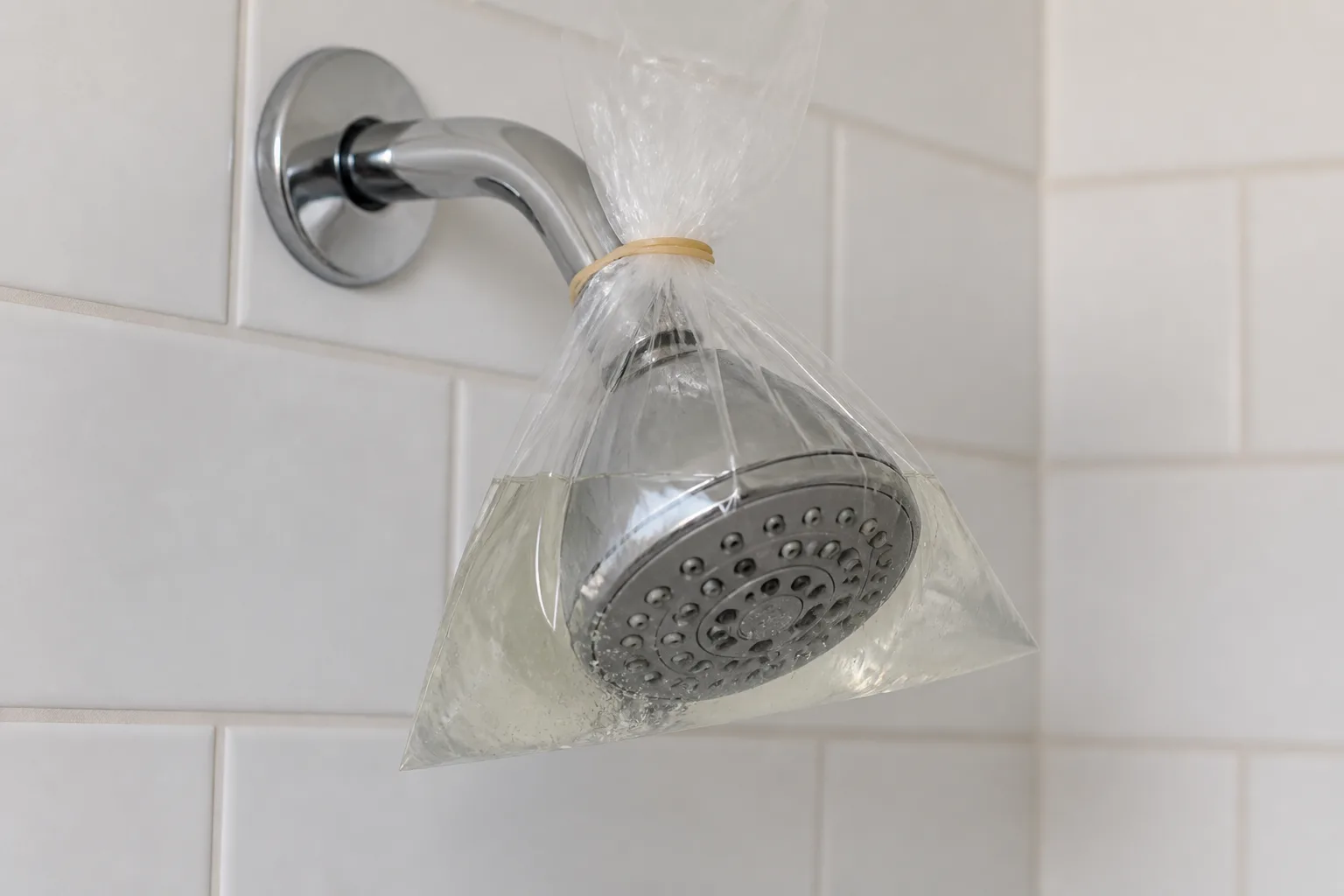
- Bleach: A disinfecting chemical when used in an appropriate labeled application. It can damage fabrics and some finishes, irritate skin and lungs, and become dangerous when mixed with other cleaners.
- Vinegar: An acidic cleaner that can help loosen mineral deposits and some soap residue on compatible surfaces. It is not a universal substitute for a labeled disinfectant, and it must never contact bleach residue.
- Baking soda: A mild abrasive and deodorizing household powder that can help lift grime when the surface will not scratch. It does not make every mixture safer, and it should not be used as a reason to scrub aggressively into grout or caulk.
- Hydrogen peroxide products: Use only a product whose label identifies the intended surface and application. Do not assume that a bottle of household peroxide has the same strength, contact time, or approved use as a formulated disinfectant.
Martha Stewart’s practical cleaning coverage describes vinegar-and-water and bleach-based approaches as separate options, with different dwell times and materials (Martha Stewart pink-mold cleaning guidance). The safer synthesis is simple: choose one method, rinse between incompatible products, and follow the product label rather than building a stronger homemade cocktail.
Prevent Pink Mold from Returning
The prevention plan is mostly a drying and residue-control plan. After each shower, squeegee or wipe the wettest surfaces, pull the curtain open, leave the fan running long enough to clear visible condensation, and hang towels so they can dry. Open a door or window only when it improves airflow safely; do not rely on an open window if outdoor humidity or weather makes the bathroom wetter.

Once a week, remove the film that feeds bacteria: wipe soap dishes, faucet bases, shower ledges, drain covers, tub edges, and the lower curtain hem. Rinse shampoo and conditioner residue from the wall rather than letting it dry into a sticky layer. If a household member uses a bath oil or heavy body product, the ledges and drain area may need attention more often.
Then look for the condition that cleaning cannot fix. Repair dripping faucets, clear slow drains, replace a saturated liner, improve the fan or its run time, and investigate condensation on cold pipes. If the same patch returns after you have improved drying and removed residue, check behind trim, under the tub edge, around the toilet base, and inside the sink overflow for hidden moisture.
When to Call a Professional or a Clinician
Get help instead of continuing DIY cleanup when any of these apply:
- Growth covers a broad area, spreads onto drywall, carpet, wood, insulation, or HVAC components, or follows a sewage backup or major water leak.
- You can smell or see moisture behind a wall, the same spot returns despite drying and cleaning, or the material is too damaged to rinse and dry.
- The cleanup would require entering a tight, poorly ventilated space or using chemicals that you cannot handle safely.
- Someone who would be exposed has asthma, a chronic lung condition, a weakened immune system, or a history of strong reactions to cleaning products.
CDC mold guidance advises professional consideration for mold covering more than 10 square feet and for buildings with substantial water damage; that threshold is general mold guidance, not a precise test for a small Serratia film (CDC mold-prevention guidance). The more important rule is to call when the source is hidden, the material is porous and wet, or the cleanup creates more exposure than the problem is worth.
Call a clinician for symptoms, not for the color alone. Persistent eye pain, breathing trouble, fever, or an inflamed wound deserves medical advice, especially after contact with contaminated water or surfaces. A laboratory diagnosis of infection belongs in health care; a home cleaning article cannot establish that a bathroom stain caused an illness.
Conclusion
Pink “mold” in a bathroom is usually Serratia marcescens bacterial film growing where water and soap residue linger, but pink color alone cannot prove the identity. For a small patch on a compatible surface, ventilate, protect your skin and eyes, wash away the biofilm, rinse, disinfect with one label-approved product, and dry everything thoroughly.
The lasting fix is rarely a stronger spray. Keep shower walls, drains, curtains, and toilet edges from staying wet; remove soap residue before it builds; clean reusable tools; and investigate leaks, condensation, or hidden reservoirs when the film returns. If the growth is extensive, hidden, mixed with water damage, or unsafe for your household to clean, stop escalating DIY chemicals and bring in the right professional.