How to Get Free Seeds for Your Garden and Start Growing
Find free garden seeds through libraries, community swaps, nonprofits, and seasonal offers, then check shipping costs, dates, and local growing rules.
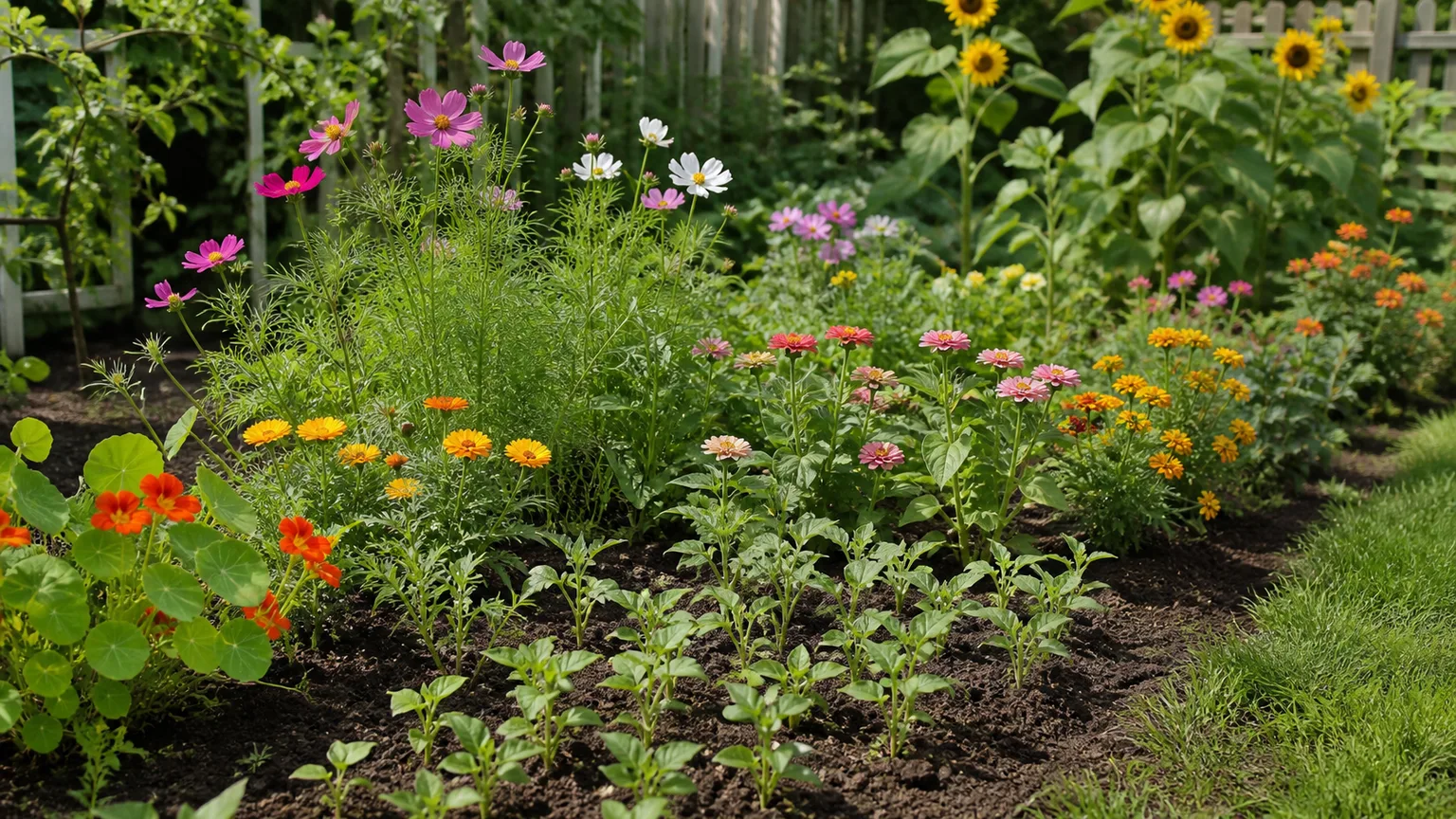
Free seeds can help you start a garden on a small budget, but a “free” offer is useful only if the seed is viable, suited to your growing season, and truly free after postage or membership costs. Start with public libraries and local seed exchanges, then check community gardens, nonprofits, and seasonal promotions. Availability differs by town and time of year, so use the steps below as a search plan rather than a promise that every source will have packets in stock.
Make a short list before you search: the space you can plant, the amount of sun it gets, your approximate last and first frost dates, and the vegetables or flowers your household will actually use. A few packets chosen for your conditions are more valuable than a large assortment that arrives too late or will not mature before frost.
Start with your local public library
Many public libraries host a seed library, a community resource that offers small packets of vegetable, herb, or flower seeds. Programs may be run by librarians, volunteers, extension educators, or local gardening groups. The North Carolina State Library seed-library page describes a state network and offers an example of how library seed programs can make gardening resources available to patrons; it does not mean every library in every state has the same selection or rules.
Search the library’s website for “seed library,” “seed bank,” or “garden seeds,” then call before making a special trip. A branch may offer seeds only at certain times of year, limit the number of packets per visitor, require a library card, or stock only a small seasonal selection. Some programs invite gardeners to return seeds at the end of the season, but others simply offer packets without requiring a return. Read the local instructions instead of assuming there is a universal borrowing model.
Check the seed-library rules before visiting
Ask whether the packets are free, whether you need a local card, how many you may take, and when the next restock is expected. Find out whether packet labels include variety names, harvest years, or planting instructions. If the program accepts returned seed, ask which crops it can safely distribute and how it wants seed cleaned and labeled. Do not bring unlabeled seed or seed saved from a diseased plant and leave it for someone else.
A seed library can also be a source of local knowledge. Volunteers may know which fast-maturing varieties work in nearby gardens, which crops are easy for beginners, and what can still be sown this late in the season. Treat those suggestions as a useful starting point, then compare them with your own frost dates and the seed packet’s days to maturity.
Look for community seed swaps
Seed swaps are commonly organized by garden clubs, libraries, botanical gardens, community gardens, neighborhood groups, or seasonal plant fairs. Some are no-cost exchanges; others ask for a small admission fee, membership, or donation to cover room rental and materials. Search event calendars for “seed swap,” “seed exchange,” and your town name, and check the organizer’s page for the current date and participation terms.
A swap is especially useful when you want a few varieties rather than full retail packets. Gardeners may have surplus seed from a recent purchase, saved seed from an open-pollinated crop, or varieties that no longer fit their garden. Ask where and when the seed was collected, how it was stored, and whether the parent plant was a hybrid. A clear answer matters more than an impressive handwritten label.
Bring labeled seeds and useful notes
If you have seed to exchange, package it in clean paper envelopes or small sealed packets and label the plant, variety, collection year, and any relevant growing notes. Include whether it is open-pollinated or hybrid if you know. Do not distribute seed that is moldy, insect-damaged, mixed with other varieties, or of uncertain identity. Local swaps may set their own rules, so check before bringing a large box.
When you take home seed, make a record of the source and what the donor told you. If a packet contains only a handful of seeds, reserve a few for a second sowing rather than planting every seed in one row. A small trial helps you see whether the variety germinates and suits your conditions before you rely on it for a full harvest.
Ask garden clubs and community gardens
Local horticultural societies, master gardener groups, botanical gardens, school gardens, food banks, and community gardens sometimes hold seed-starting workshops or share leftover packets. Contact the coordinator directly: explain what you want to grow, how much space you have, and whether you are new to gardening. Programs may be able to point you to a seed library or provide surplus seeds, but participation rules and inventory vary.
Community gardens sometimes divide extra seed or starts among members, yet a plot or volunteer commitment may be required. Check whether the garden has a waiting list, work-hour expectation, or seasonal fee before treating it as a free source. If you can volunteer, helping prepare beds, label plants, or weed a shared plot can build useful local knowledge even when seeds are not available.
Check nonprofits and seed-sharing networks
Seed-conservation organizations and regional food-growing nonprofits may share seeds through local chapters, educational programs, or community partners. Seed Savers Exchange, for example, maintains a community-centered seed-saving and exchange network; its seed-saving resources can help you understand how to handle seed responsibly. A network listing or membership offer is not automatically free seed, so read the current terms and any postage or membership costs.
Some nonprofits focus on school gardens, food access, Indigenous seed stewardship, or disaster recovery. Eligibility may depend on being a teacher, community garden, food pantry, or resident of a particular county. Search with a specific phrase such as “free garden seeds community program” plus your town or county, and prioritize pages run by a library, university, municipality, botanical garden, or established nonprofit.
Watch for seasonal company offers
Seed companies, garden stores, and agricultural organizations sometimes advertise sample packets, first-order promotions, giveaways, or free seed with another purchase. Treat these offers as temporary. Confirm that the promotion is still active, note the minimum purchase, shipping fee, geographic limits, quantity, and whether the seed variety is named. A “free packet” attached to a costly order may not save money if you do not need the other items.
Use an email address you are comfortable giving to the company, and review the checkout total before submitting payment details. Avoid offers that make exaggerated claims about guaranteed harvests, request unnecessary personal information, or do not identify the seed clearly. Current rules for mailing or importing seeds can vary by crop, state, territory, and country. Before accepting a seed from outside your region, check applicable plant-health and agricultural guidance, including USDA APHIS plant import information.
Use seeds you already have
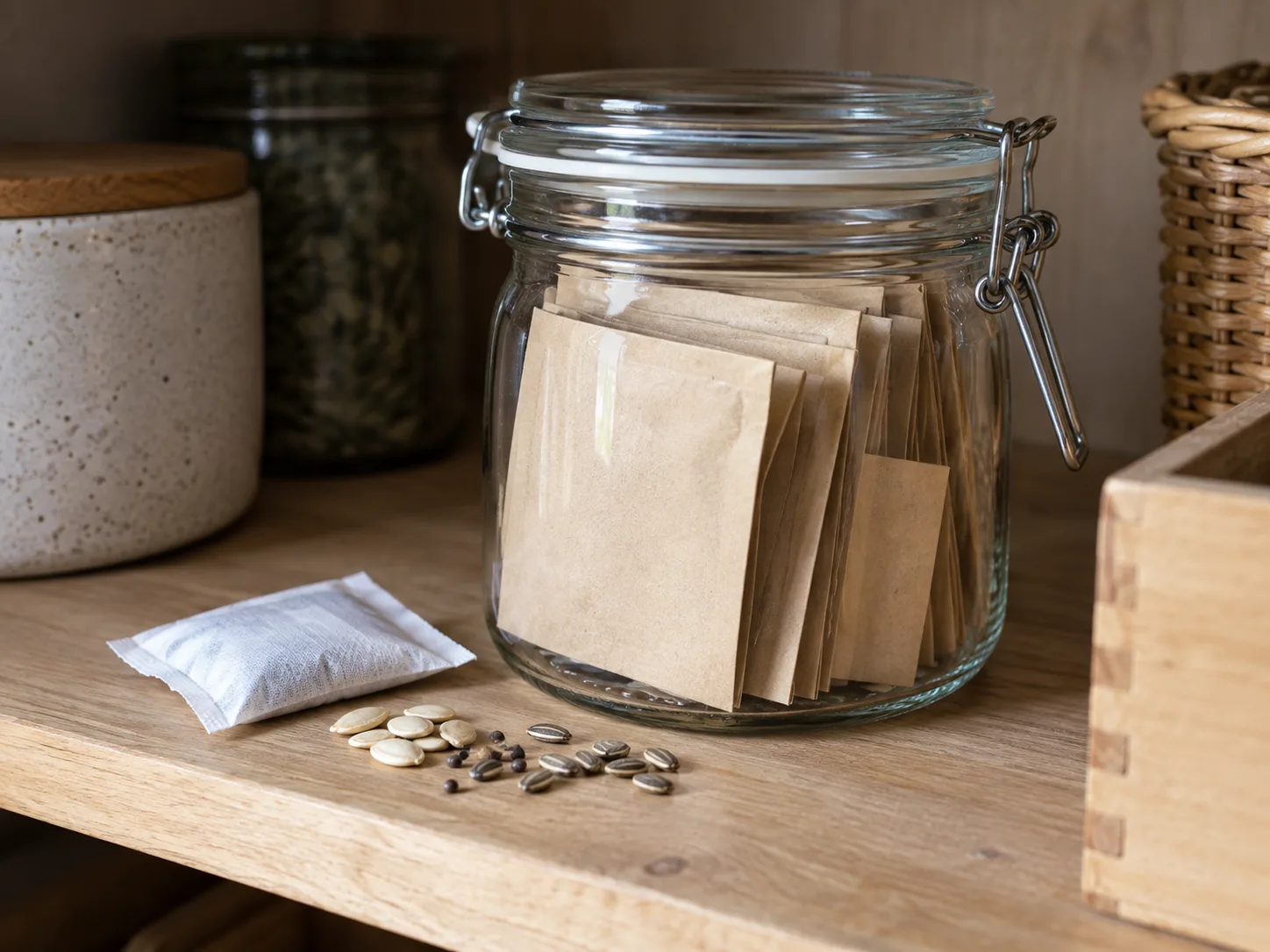
A forgotten seed packet in a drawer may be a no-cost source, but age alone cannot tell you whether it will germinate. The University of Minnesota Extension seed-saving guide explains the difference between saving seed and simply storing it; Iowa State University Extension describes harvesting and storage practices. Good storage in a cool, dry place helps, but species and conditions matter.
Test older packets before sowing
Place a small sample of seeds on a damp paper towel, fold it, put it in a loosely closed bag or container, and keep it at the crop’s usual germination temperature. Check it on the schedule given for that seed type, keeping the towel moist but not waterlogged. Count how many sprout. If only a few of ten seeds germinate, sow more densely in a small test row or replace the packet through a free local program rather than depending on it for a full bed.
This is a practical estimate, not a laboratory certification. Different species need different temperatures, light, or pre-treatment, so check a university extension guide before concluding that a slow seed is dead. Record the test date and result on the packet, and label the test tray so you do not confuse seedlings.
Save suitable seeds responsibly
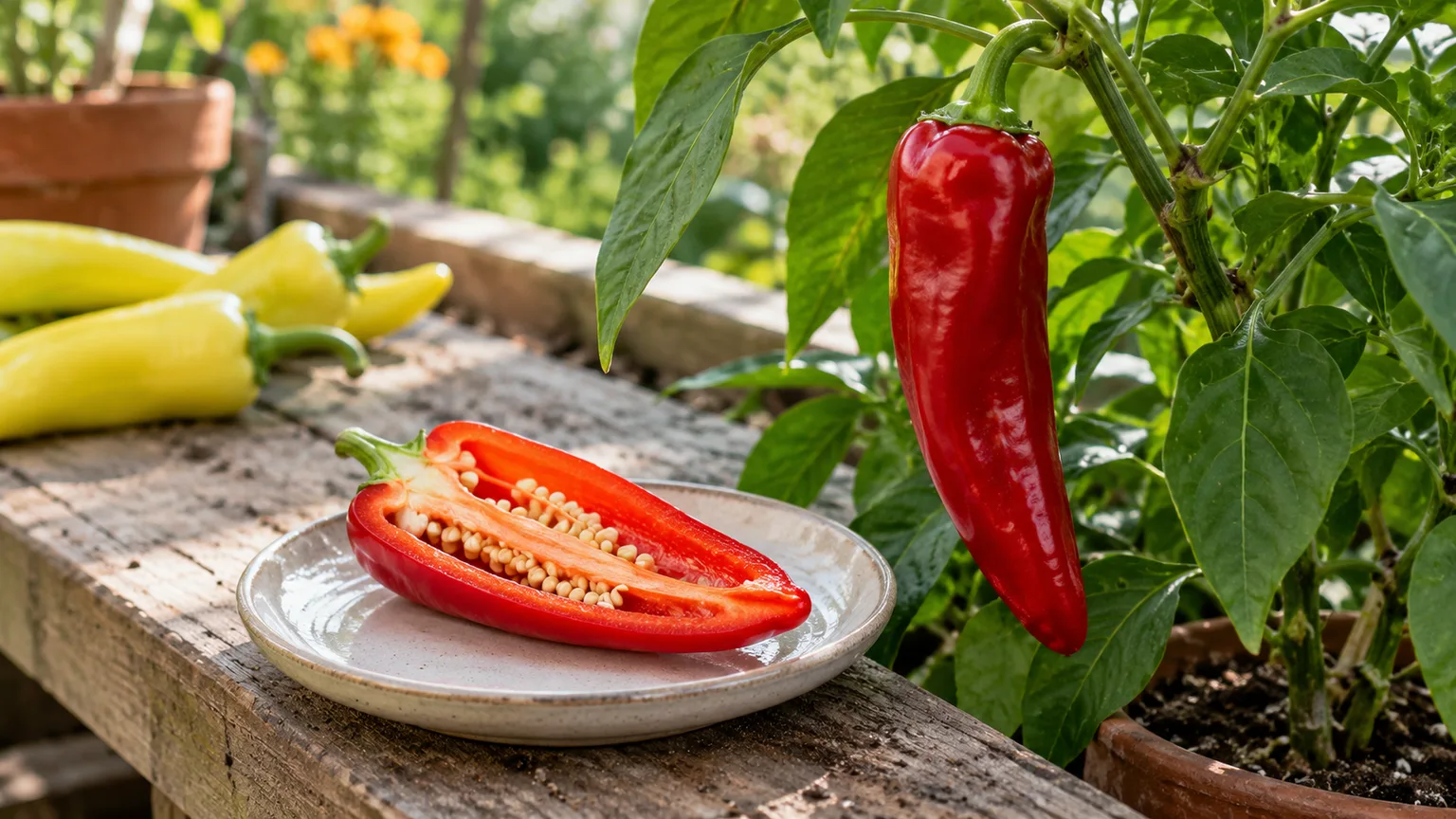
Saving seed can make future sowing essentially free, but the plant type matters. Open-pollinated varieties generally reproduce recognizable traits when isolated and maintained properly. F1 hybrid seed may germinate, but its offspring can differ in size, flavor, color, or maturity from the parent plant. If you want a reliable repeat of a named cultivar, check whether it is open-pollinated before saving.
Plants in the same species may cross-pollinate, sometimes through insects or wind. Seed Savers Exchange’s seed-saving guide explains why isolation and crop-specific techniques are important. Begin with crops that are simpler to keep true to type in your garden, such as peas, beans, or self-pollinating tomatoes, and learn the recommended harvest and drying method. Do not save seed from a plant with a serious disease or from a treated ornamental unless you know it is safe and suitable.
For seed that will be shared, write the crop, variety, year, and location on the envelope. Note whether the seed is hybrid or open-pollinated and whether you are uncertain. The RHS guide to collecting and storing seed recommends dry, cool storage and careful labeling. Store only fully dry seed in clean envelopes or appropriate containers, and do not seal damp seed where it can mold.
Choose varieties that can grow in your area
“Free” does not offset a mismatch between plant and climate. Compare days to maturity with the number of frost-free days left in your season. If you are shopping late, prioritize quick crops that can be direct-sown in your local weather or seedlings that tolerate the remaining season. If a packet calls for cold stratification, a long warm season, or a specific soil temperature, decide whether you can provide that condition before you take it.
Check the variety name, mature size, sun needs, and expected harvest. A compact bush bean may work in a container where a vining bean needs a trellis; a heat-sensitive lettuce may bolt quickly in midsummer. Use local extension calendars and packet instructions together, because a national packet date cannot account for every regional climate. If a label is missing or unreadable, treat the seed as unidentified and avoid relying on it for food safety or a specific crop.
Ask for free seeds clearly
A concise request helps a volunteer or organizer answer quickly. Try: “Hello, I’m starting a small container garden in [town]. Do you currently have free vegetable or herb seeds available, and are there limits, dates, or a library-card requirement? I’m hoping to grow varieties that mature within about [number] days.” If you need a particular crop, ask whether the packet is labeled and what season it suits.
For an online giveaway, check the post date and ask whether postage is included before sharing your address. For a seed swap, ask whether you must bring seed to participate or whether beginners can take a few packets. If there is no answer, move to a current source rather than assuming an old listing still applies. Local program pages can change from year to year as donations and volunteers change.
Stretch a small supply without wasting it
Start with the area you can prepare and maintain. If you have only a balcony, choose a few container-friendly herbs or compact vegetables rather than accepting packets for crops that need long rows. Sow a portion of each packet at the recommended spacing and keep the remainder cool and dry, unless the label says otherwise. Succession sowing small batches can provide harvests over time and reduce waste.
Share surplus packets with neighbors, a school garden, or a community plot only if the seed is clearly labeled and in good condition. Keep records of sowing date, germination, and harvest so next year’s selection is based on what actually worked. Free seeds are most valuable when the varieties fit your place and the harvest gets used.
Conclusion
Check your public library first, then ask local garden groups and look for seed swaps or nonprofit programs. Confirm that packets are currently available, learn the rules, and include any shipping or membership costs in the comparison. Choose varieties that fit your season, test old seed, and save only suitable varieties with accurate labels. A few well-chosen seeds can start a productive garden without creating a drawer full of packets you cannot use.