9 Safer Flower Garden Pest Controls That Actually Help
Identify the pest, protect pollinators, and choose a targeted flower garden control, from a water rinse to a correctly labeled insecticidal soap.
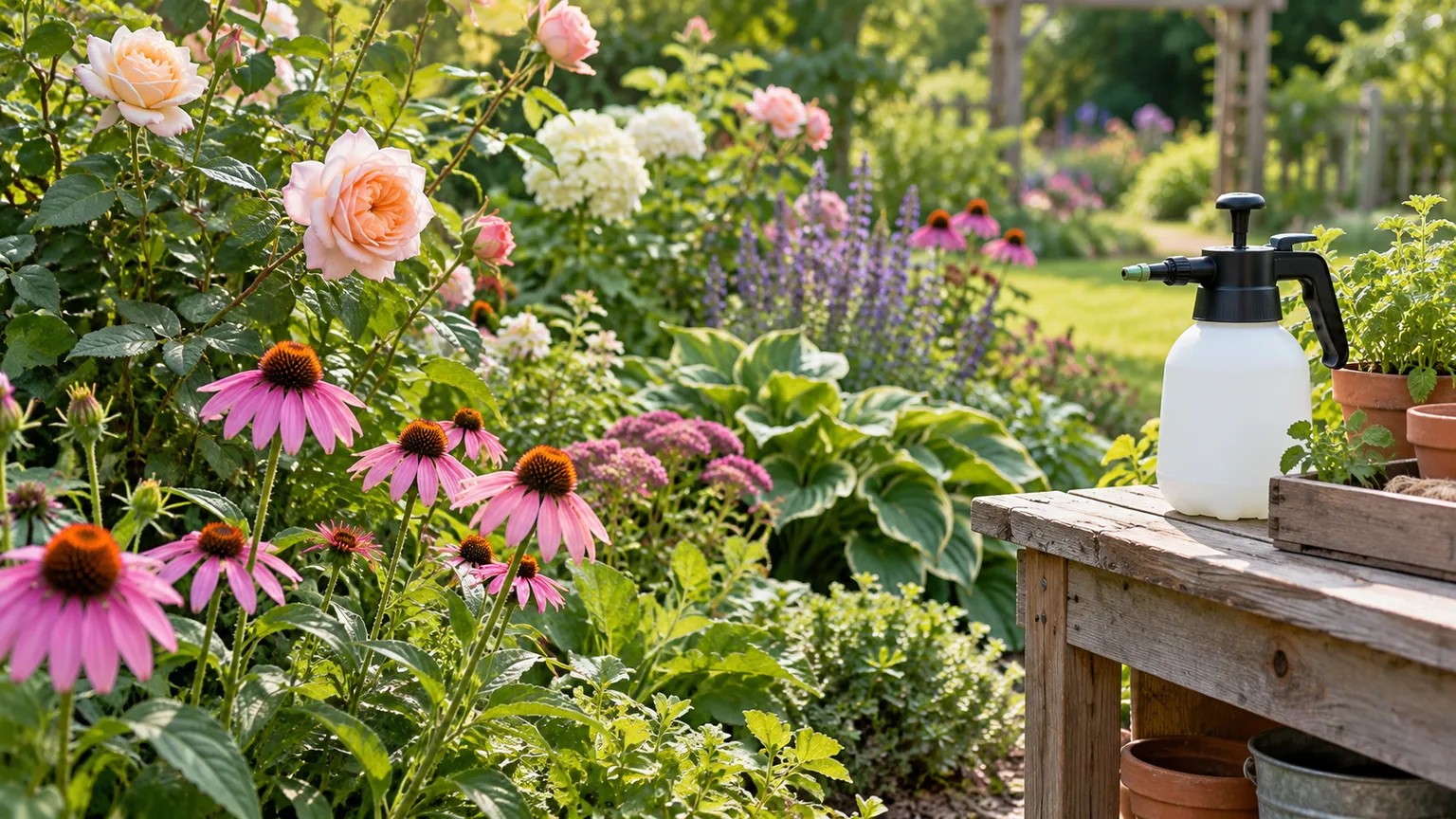
Aphids on new rose growth, holes in dahlia leaves, or caterpillars chewing a prized perennial can make a quick homemade spray sound appealing. But familiar ingredients are not automatically plant-safe, insect-specific, or better for the garden than a labeled product.
The most useful answer to “What homemade pesticide should I make?” is often “none yet.” First identify what is feeding, decide whether the damage is serious enough to warrant control, and choose the least disruptive action that fits the pest. Below are nine practical options for a flower garden, from a plain water rinse to targeted products that are formulated and labeled for plants.
The short answer: skip untested pantry sprays
There is no reliable set of nine kitchen recipes that can be promised safe and effective for every flower bed. Oklahoma State University Extension notes that the safety and effectiveness of homemade pesticide mixtures are not confirmed; dish detergents may contain degreasers, fragrances, and other additives that can injure leaves. UF/IFAS Extension also distinguishes formulated insecticidal soap from household detergents and warns that soaps can harm beneficial insects as well as pests.
See Oklahoma State Extension’s caution on homemade pesticides and UF/IFAS guidance on soaps and detergents.
That does not mean every store-bought pesticide is the right choice, or that you need to spray at all. It means you should not assume that dish soap, garlic, pepper, tobacco, alcohol, vinegar, or cooking oil is harmless because it came from a pantry. Start with the nine controls below; several cost nothing and do not involve a pesticide.
A practical sequence is: inspect one affected plant, photograph the insect and damage, remove a small colony physically if possible, and check again before escalating. If several plants are deteriorating or the pest is spreading quickly, contact your county extension office with the photos and the plant name; an accurate diagnosis can prevent treating the wrong problem. The page’s nine options are not interchangeable recipes, and the more narrowly you match the method to the pest, the less of the garden you need to disturb.
Identify the pest before treating the flower bed
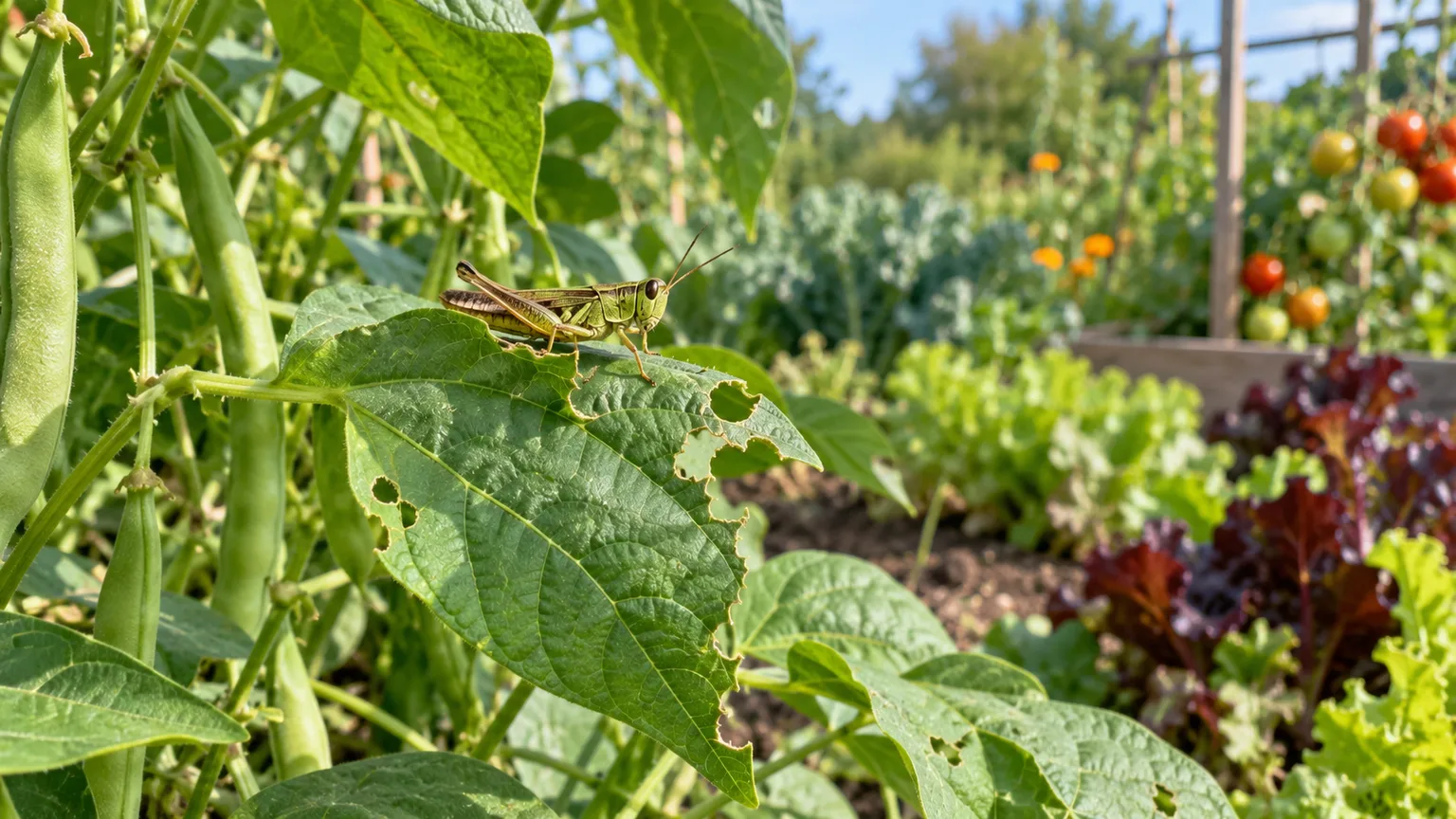
Look at the plant and the insect before choosing a remedy. Aphids cluster on tender shoots and flower buds; spider mites are tiny and often leave stippling or fine webbing; chewing caterpillars leave ragged holes or frass; slugs leave irregular holes and often a silvery trail. Similar-looking symptoms can also come from weather, disease, or normal leaf aging, so inspect both leaf surfaces and the newest growth.
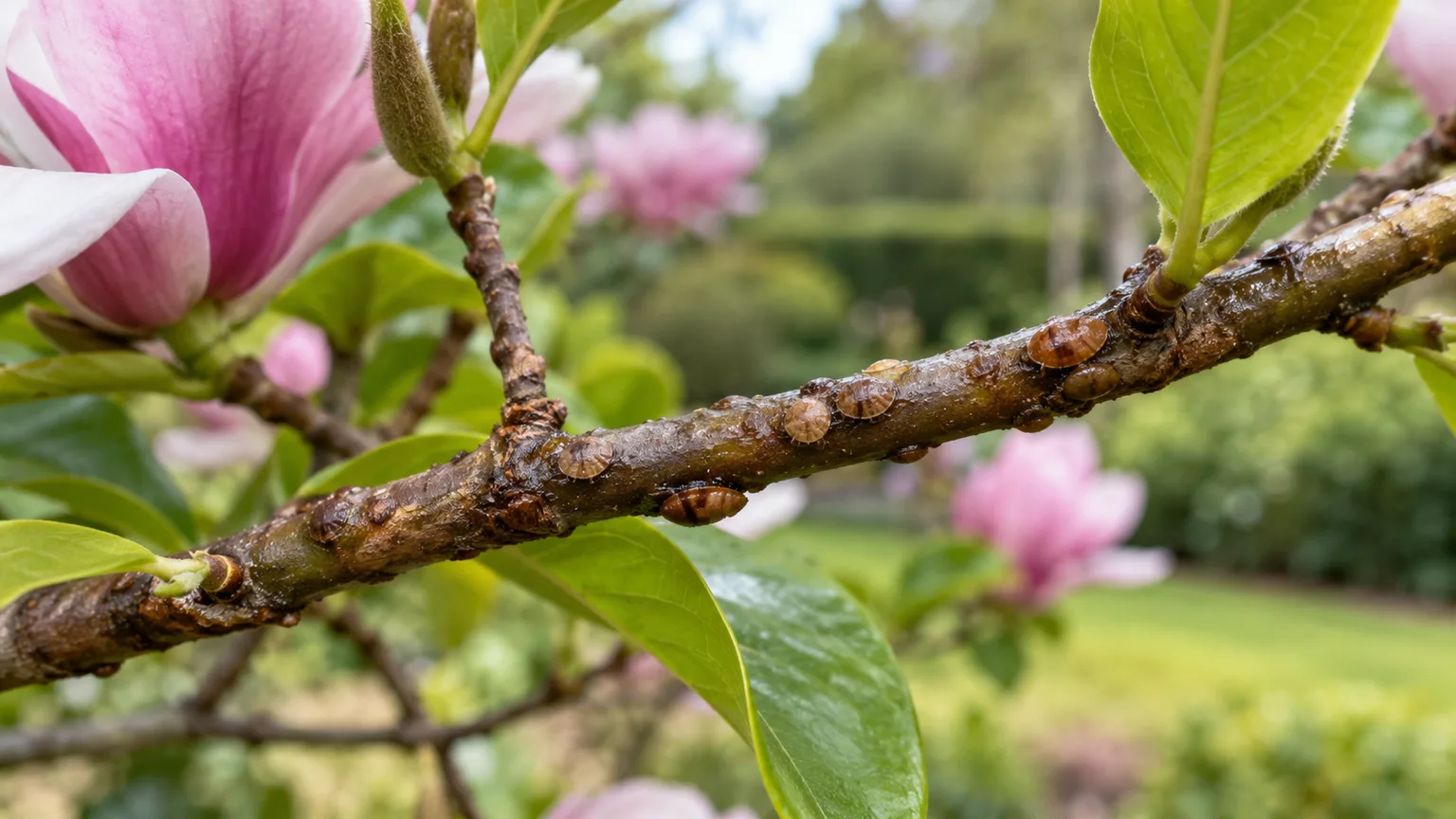
A sticky coating may be honeydew from sap-feeding insects, while white flecks can be shed aphid skins; neither sign alone tells you how much harm is occurring. The Royal Horticultural Society notes that many aphids are part of garden food webs and that plants can often tolerate them, so “I can see a bug” is not the same as “I need to spray.” Read its aphid identification and management advice for examples of common signs and natural enemies.
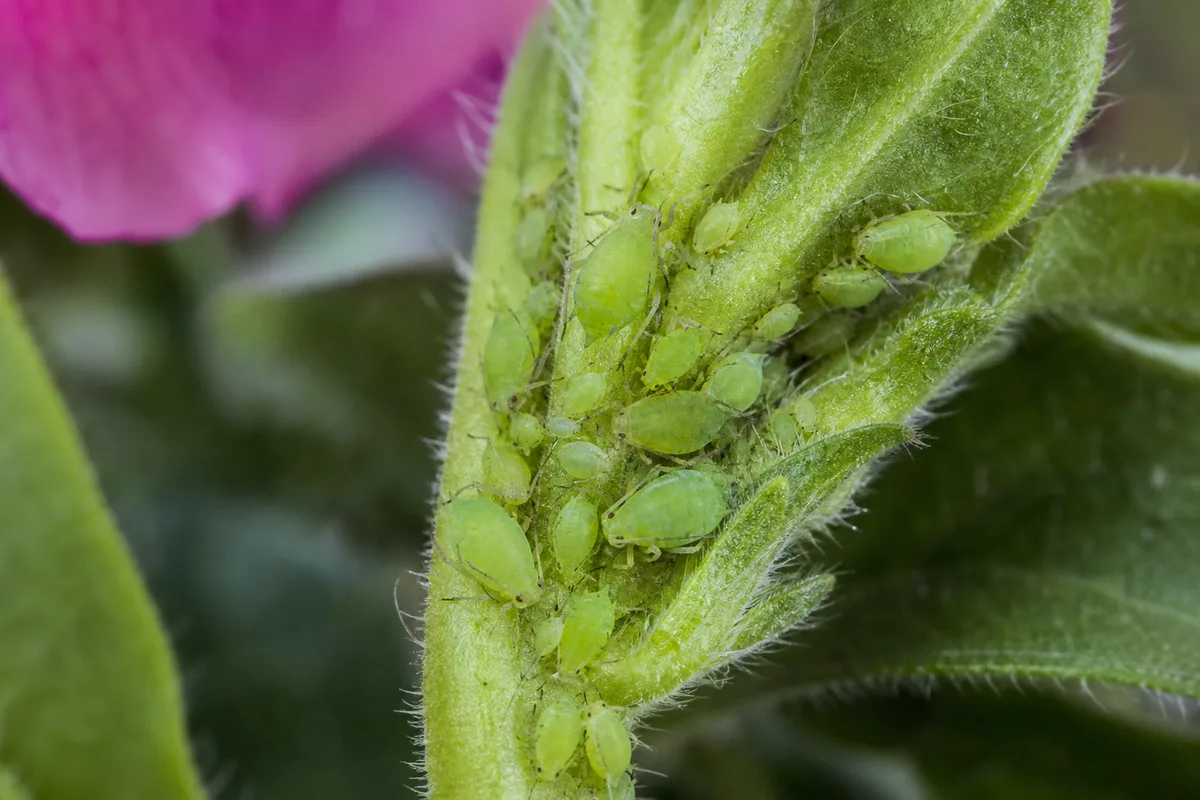
Then ask whether damage is actually increasing. A few aphids on a vigorous shrub may be food for lady beetles and lacewings, while a rapidly growing colony deforming buds deserves a closer response. Photograph the same shoot today and again in a few days, note whether predators are present, and treat only if the plant’s value or health is being affected.
This observation-first approach is consistent with integrated pest management: combine identification, monitoring, prevention, and targeted control rather than reaching immediately for a broad spray. UF/IFAS Extension outlines this approach in its integrated pest management guidance.
Nine lower-risk ways to control garden pests
These are not nine homemade pesticide formulas. They are nine workable choices for a home flower garden, in an order that starts with the least disruptive. Choose the option that matches the pest and the plant; do not stack several treatments just because one has not worked overnight.
If you are unsure which to try, use a simple escalation ladder: monitor a stable, healthy plant; rinse or hand-remove a localized pest; prune a badly affected tip; then consider a labeled product only when the damage is spreading or deforming important growth. After each step, give it time to work and reassess the same plant rather than treating the entire bed on a calendar. That record tells you whether the intervention helped and keeps repeated spraying from becoming a habit.
1. Rinse exposed aphids and mites with water
For aphids on sturdy stems, a firm stream of plain water can knock many insects off the plant. Aim at the colony, including the undersides of leaves, and support delicate stems with your free hand or spray from a short distance. Check again after a day or two; repeat only if live pests remain and damage is continuing.
A weekly walk-through, with a closer look at bud clusters and leaf undersides, often catches colonies before they are hard to reach. Gardeners’ Path also describes routine inspection and a gentle hose rinse as practical first steps for aphids on roses in its rose aphid control guide.
This is not a cure for insects hidden inside curled leaves or tightly packed buds, and it can break fragile flowers if the stream is too forceful. Water also does not leave a residue that protects new growth, so it works best as a quick knockdown followed by monitoring. Avoid soaking flowers that are already heavy with rain or prone to fungal problems, and use a gentle rinse rather than a pressure-washer blast.
2. Hand-remove larger pests
For beetles, slugs, snails, and larger caterpillars, hand removal can be more precise than spraying the whole plant. Check plants early in the morning or near dusk, when many pests are easier to see. Drop the pests into a container of soapy water away from the bed, or move them only if you can identify them and local guidance recommends relocation.
Do not remove every caterpillar or insect you find without checking what it is. Some caterpillars become butterflies, and many insects that look unfamiliar are predators or harmless visitors. If you are unsure, take a sharp close-up photo and ask a local extension service or master gardener before treating a whole patch.
3. Prune and discard a badly infested tip
When one shoot or flower stalk is covered with pests, clipping that small section can remove a concentrated population without coating the rest of the plant. Use clean pruners, place the clipping directly into a bag, and discard it with household trash rather than shaking insects across the garden or leaving the cutting under the plant.
Pruning is most useful when the infestation is localized and the plant can spare the growth. Avoid removing a large share of foliage from a young, stressed, or already sparse plant. Do not compost material that is heavily infested unless your composting system reliably reaches pest-killing temperatures; otherwise, the insects may survive and return.
Before pruning, check whether the shoot carries lady beetle larvae or another predator; removing the whole cluster can remove both pest and helper. Disinfect pruners between plants if you suspect disease as well as insects, and avoid shearing an entire shrub simply to remove a small colony.
4. Use a labeled insecticidal soap for exposed soft-bodied pests
If aphids, whiteflies, mealybugs, or young mites persist, a ready-to-use insecticidal soap labeled for the flower species and target pest may be an option. These are formulated pesticide products, not the same thing as dishwashing detergent or hand soap. They work by contact, so the spray must reach the pest; hidden insects and eggs may escape.
Read the whole label before buying and before application. It identifies the plants and pests covered, mixing directions if it is a concentrate, protective equipment, weather limits, sensitive species, and restrictions for pollinators or water. Soap is not selective: it can harm beneficial soft-bodied insects it directly contacts.
Never increase the concentration or add oil, garlic, or another product unless the label specifically instructs you to do so. Many insecticidal soaps require insects to be thoroughly wetted and may need repeat applications, but interval and maximum frequency are product-specific. Treat one small area first when the directions allow, then wait the label’s stated observation period; a hardy rose and a tender fern-leaved perennial may not respond alike.
If pests are confined to a few buds, target that area rather than coating every flower and leaf in the bed.
5. Choose a labeled horticultural oil for the right target
Horticultural oils are refined products designed for pest-management use; they are not interchangeable with cooking oil. Depending on the formulation and label, they may help control exposed mites, scale crawlers, aphids, or other specified pests by contacting and smothering them. They do not solve every insect problem, and a spray that misses the pest will not provide reliable control.
Use only a product labeled for the plant and pest, and follow its temperature, moisture, and application directions exactly. Oil can injure drought-stressed plants or sensitive foliage, and some combinations with other products can cause damage. Keep it off open blooms and pollinators, and do not assume “horticultural,” “organic,” or “natural” means harmless in every situation.
If the label does not allow use on that plant or target, choose another control.
6. Use Bt only for susceptible caterpillars
A product containing Bacillus thuringiensis subsp. kurstaki, commonly called Bt kurstaki or Btk, can target certain feeding caterpillars when they eat treated leaves. It is not a general insect spray and will not control aphids, beetles, mites, or slugs. The exact target and use site must appear on the product label.
Timing matters because the caterpillar must consume the treated foliage, and young larvae are generally easier to manage than large ones. Identify the caterpillar first, check whether it is a species you want to protect, and apply only if the label covers the pest and ornamental plant. Even a more targeted pesticide can affect susceptible non-target caterpillars, so keep it off host plants where desirable butterfly larvae are feeding.
If you cannot identify the caterpillar, wait and photograph it rather than applying a broad product on a guess. The visual damage may look similar across moth and butterfly larvae, but the ecological cost of treating all caterpillars is not the same as controlling one confirmed plant-damaging species.
7. Exclude pests with a properly timed cover
A lightweight insect net or row cover can block some beetles, moths, and other egg-laying adults before they reach a plant. Secure the edges so insects cannot crawl underneath, and install the barrier before the pest arrives; a cover placed over plants that already hold pests can trap them inside.
Covers can also block pollinators. Remove or open them when flowers need visits for seed or fruit production, and make sure the fabric does not overheat plants in sunny weather. For purely ornamental flowers that do not need pollination, a temporary barrier may be a useful seasonal tool.
Match mesh size to the pest and ensure it does not press on tender blooms. Covers are most helpful when you know which pest is likely and can install them at the right point in the season; they are less useful after eggs or larvae are already inside. Check beneath the cover regularly for trapped pests, overheating, and moisture buildup, and uncover plants when pollination or airflow is important.
8. Reduce slug and snail shelter, then collect them
For slug and snail damage, inspect the garden after dark or on damp mornings and collect the animals by hand. Reduce boards, dense weeds, and other moist hiding places directly beside vulnerable seedlings, while keeping mulch where it benefits the soil and does not create a persistent pest refuge around the plants.
This approach lowers the number of pests without spraying the foliage, but it takes repeated checks. Avoid scattering salt in beds: it can damage plant tissue and build up in soil. If hand collection is not enough, consult a local extension guide for options suited to your region and read a product label before using any bait around children, pets, wildlife, or waterways.
A shallow dish or damp board can help you confirm whether slugs are present, but any monitoring trap should be checked and emptied often. Do not leave food scraps or attractants where pets, wildlife, or children can reach them, and do not assume a trap will protect plants unless you monitor it and act on what you find.
9. Conserve beneficial insects and let them work
Lady beetles, lacewing larvae, hoverfly larvae, and tiny parasitic wasps can suppress aphids and other garden pests. Avoid blanket spraying when these beneficial insects are already feeding. Keep a range of flowering plants available through the season, provide some undisturbed habitat, and tolerate a small amount of cosmetic damage when the plant remains healthy.
This is pest control by prevention and balance, not an instant fix. You can often tell that natural enemies are active by finding predator larvae, aphid “mummies” (swollen, tan aphids parasitized by wasps), or fewer live pests on repeatedly checked shoots. Avoid buying beneficial insects as a first response without local advice; released insects may disperse, fail to establish, or be the wrong species for the pest.
Avoid ants tending aphid colonies if you are assessing an aphid outbreak; ants may defend the honeydew-producing pests from predators. You can also improve the odds of natural control by providing nectar and pollen plants across the season rather than expecting one flowering annual to support beneficials all summer. The goal is not to make every insect disappear, but to keep a healthy plant growing while natural enemies help prevent the pest population from surging.
Why common homemade pesticide recipes can backfire
Dishwashing liquid is designed to remove grease from dishes, not to protect the waxy surface of a living leaf. Its ingredient list can change, and a home recipe rarely accounts for the plant species, water hardness, pest stage, weather, or exact concentration. UF/IFAS notes that detergents can strip leaf-protective lipids and that even formulated insecticidal soap can injure plants if applied incorrectly.
The same mismatch applies to many viral recipes. Garlic or citrus infusions have no dependable label directions for a specific flower and pest; tobacco mixtures involve nicotine, a toxic compound; alcohol can damage foliage; and hot pepper can injure eyes and skin. Epsom salt is not a dependable insecticide, and repeated salt applications can create a soil problem.
Avoid mixing household cleaners or combining ingredients in a spray bottle. Penn State Extension explains why home remedies often lack reliable rates, may harm plants and beneficial insects, and can create handling and legal concerns in its guidance on home remedies.
If you need a pesticide, buy a product that is labeled for the target pest and ornamental plant, and follow that label. In the United States, legal requirements can depend on whether a product is registered or exempt and how it is used, sold, distributed, or applied for hire; do not assume a homemade recipe is automatically exempt. UF/IFAS Extension explains the distinction in Are Homemade “Pesticides” Legal?.
For home use, the simplest reliable rule is to use a labeled product only in the ways and places its label permits.
Apply any pesticide with care around flowers
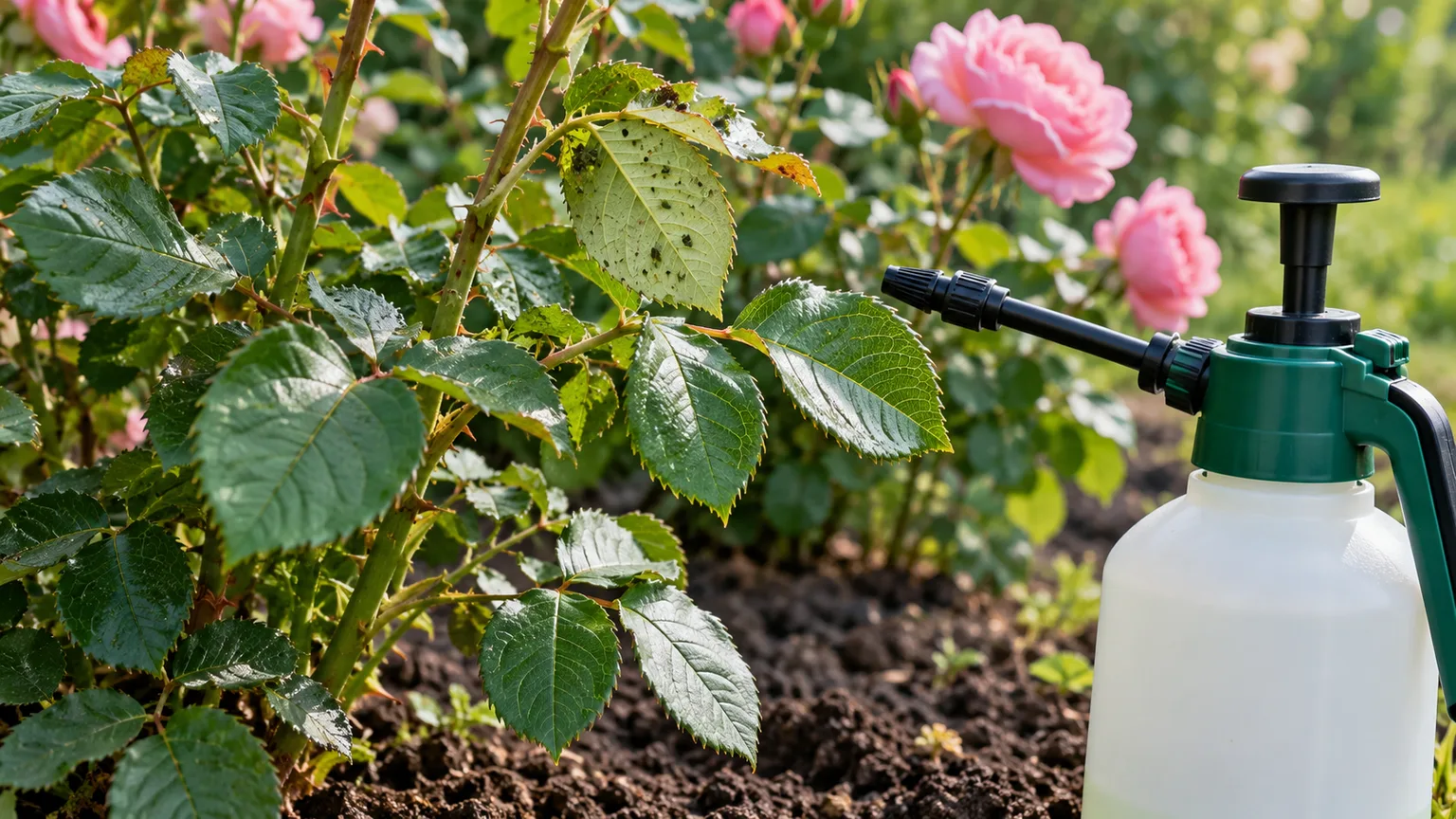
Before spraying, look for bees, hoverflies, butterflies, and other beneficial insects on the plant. Do not spray open flowers or active pollinators; choose a nonchemical method or wait until the bloom period has passed if the treatment is not urgent. Some labels restrict application during bloom or when pollinators are present, so the product instructions control.
A spray can affect a beneficial insect through direct contact even if the active ingredient does not persist for long. For a flowering plant with bees visiting, choose a water rinse or hand removal if it will solve the problem; if a pesticide is necessary, wait until pollinators are no longer active and follow all label restrictions rather than relying on a generic spray-at-dusk rule.
Check the weather and plant condition too. Heat, drought stress, strong sun, wind, or high humidity can raise the chance of plant injury or drift; the exact limits differ by product, so use the label rather than a one-size temperature rule. Test the product on a small part of the plant when the label allows and wait the specified interval to check for injury before treating more.
Keep children and pets away as directed, wear required protective equipment, and store and dispose of the product according to its label.
“Organic” and “minimum risk” are regulatory or production terms with specific meanings, not blanket safety guarantees. UF/IFAS and UConn Extension both emphasize that ingredient identity, concentration, plant sensitivity, and use pattern matter. A targeted product used as labeled can be a more accountable choice than an improvised mixture, while a simple water rinse or hand removal may be better still.
What to do if a spray injures a plant or fails
If foliage wilts, spots, or turns brown soon after a treatment, stop applying it. If the label says to rinse after exposure or the spray is still wet and the plant can tolerate a rinse, follow that guidance; do not try to neutralize the mixture with another household chemical. Save the product label, note the time and weather, and photograph the damage so an extension educator can help distinguish spray injury from disease or heat stress.
If the pest remains after treatment, do not automatically increase the dose or spray more often. Check whether the insect was correctly identified, whether the product label includes it, and whether the spray reached the pest. Some contact products require complete coverage; others may not affect eggs or insects hidden in curled leaves.
Reassess after the label’s stated interval, and switch to a different control method only if monitoring shows that damage continues.
Conclusion
The safest homemade pesticide recipe for a flower garden is usually no recipe at all. Start by identifying the insect and measuring whether it is causing meaningful damage; then try water, hand removal, pruning, exclusion, or habitat support before considering a pesticide.
When a product is needed, choose one labeled for the plant and pest, and follow its directions exactly. That approach gives you a better chance of protecting your flowers while avoiding unnecessary injury to pollinators, beneficial insects, and the garden itself. A little leaf damage is often a fair trade for a thriving plant and a functioning garden food web.
Save sprays for a verified pest problem, then use the most targeted option that the label and the flower both allow.