12 Natural Flea Remedies for Your Home
Find out which natural flea remedies help, which are mostly myths, and how to combine cleaning, pet care, outdoor control, and follow-up safely.

If you find one flea on a pet or in a room, start with a coordinated cleanup—not a stronger-smelling spray. Fleas are easiest to control when you work on the host, the places where immature fleas develop, and the next wave of adults at the same time.
The CDC’s flea-control guidance breaks that work into sanitation, pet treatment, home treatment, and follow-up. That sequence matters more than whether the ingredient in your spray bottle is “natural.” The remedies below are ranked by the job they can actually do, with limits included so you do not mistake a short-lived repellent for a complete flea treatment.
Start by confirming that fleas are the problem
Fleas are tiny, dark, fast-moving insects that jump rather than fly. On a pet, use a fine flea comb over a white towel or sheet; black specks that turn reddish when damp may be flea dirt, but a veterinarian can confirm the cause of itching, hair loss, or skin irritation.
Also inspect the environment. Fleas and their immature stages concentrate where a host rests: pet beds, rugs, sofa seams, carpet edges, under furniture, cracks, and shaded outdoor areas used by pets. If the insects are coming from houseplant soil, sink drains, or a pantry, you may be dealing with fungus gnats, drain flies, or fruit flies instead. The remedy has to match the insect.
Why adult-only remedies keep failing
Most fleas have four life stages: egg, larva, pupa inside a cocoon, and adult. The CDC explains that eggs can hatch in one to 10 days, while cocoons protect pupae from changing conditions and many insecticides or repellents.
That is why a room may look clear for several days and then produce new adults when people or pets move through it. A trap or bath can reduce adults you see today, but it cannot remove every cocoon hidden in a rug. Think in repeated passes: remove what you can now, keep disturbing and cleaning the resting zones, and follow the label or veterinary plan for any treatment you use.
The 12 natural remedies that are worth your time
No single home remedy reaches every flea stage. The strongest lower-chemical plan combines mechanical removal first, careful pet treatment, targeted outdoor work, and monitoring so you can tell whether the number of adults is actually falling.
1. Vacuum edges, cracks, and resting places
Vacuuming is the most useful first move because it physically removes adults, eggs, larvae, flea dirt, and debris from the places fleas develop. Work slowly along carpet edges, baseboards, sofa seams, beneath cushions, under beds, pet sleeping areas, and the route your pet takes between the door and its favorite resting spot.
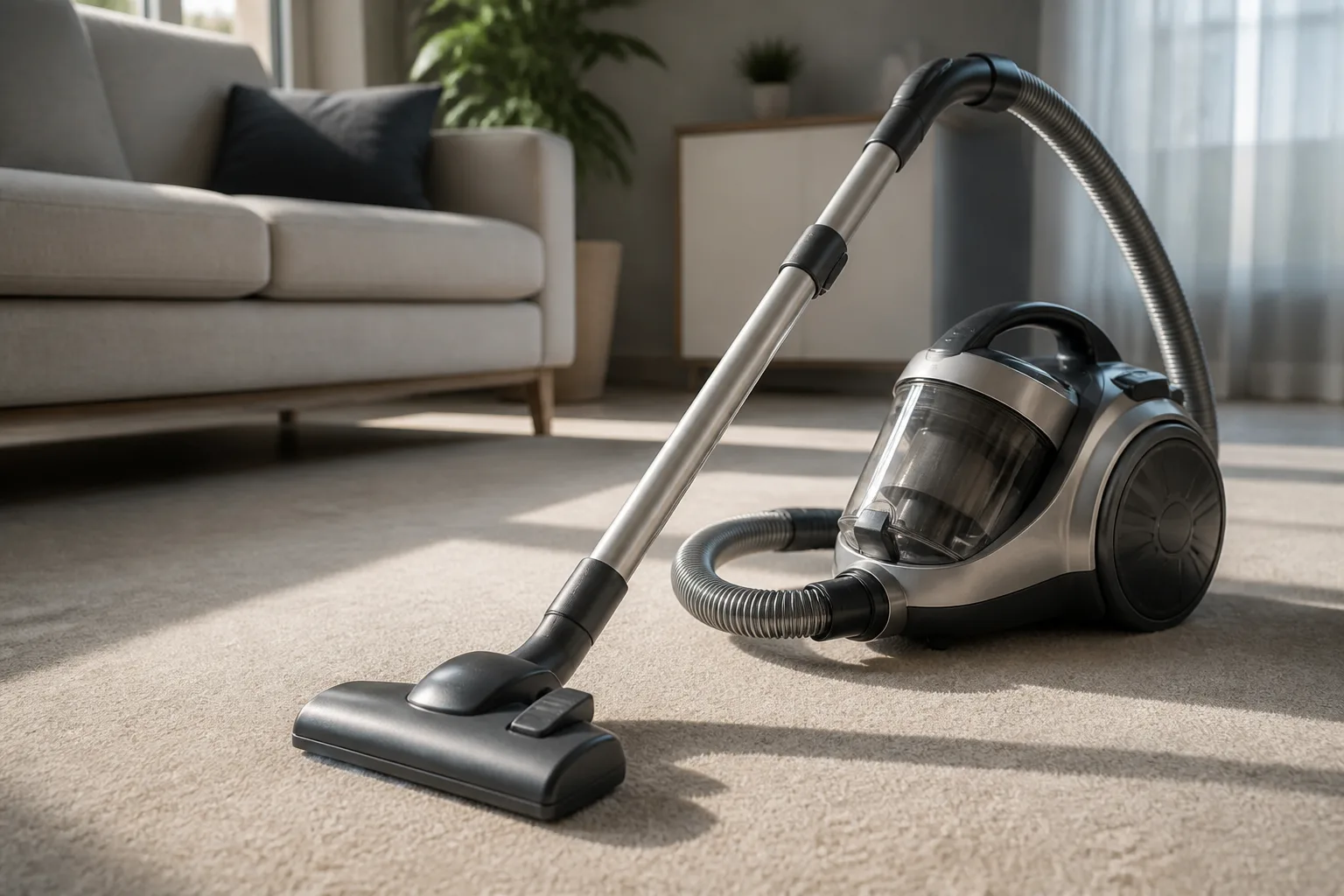
Use the crevice tool where the floor head cannot reach. Empty a bagless canister outdoors into a sealed trash bag, or remove a disposable bag before storing the vacuum; otherwise live material can remain in the machine. Repeat frequently during the first week and after every major textile cleaning. Vacuuming is not glamorous, but it is the remedy that keeps a new adult wave from staying hidden in the same fibers.
Best for: carpets, rugs, furniture, cracks, and daily reduction of adults and immature stages. Limit: it cannot reach every cocoon, and it does nothing for an untreated pet or an outdoor host.
2. Hot-wash and fully dry washable textiles
Wash pet bedding, blankets, washable rugs, cushion covers, and the clothing or throws that pets lie on. Use the hottest cycle the fabric allows, then dry everything completely. The goal is not to perfume the fabric; it is to combine agitation, washing, and heat with the removal of the dirty water and lint.
Do not forget the bed cover under the visible pet blanket, the mat beside the back door, or the towel used after baths. If an item cannot be washed safely, seal it away until it can be cleaned, or ask a cleaner what heat treatment the material tolerates. Laundering is especially important after a flea-comb session because combed fleas often fall onto the towel beneath the pet.
Best for: pet bedding and frequently washed fabrics. Limit: a clean blanket does not protect a pet from new fleas, and sealed bags need to stay sealed until the contents are treated or discarded.
3. Steam-clean carpets and upholstery
Steam cleaning adds heat and moisture to the fibers that vacuuming cannot fully clear. Use it on carpet and upholstery only when the material and equipment instructions allow it, and move furniture so the resting zones—not just the open center of the room—are reached.
Let treated fabric dry fully before a pet uses it again. Damp upholstery can create a different problem, and a steam pass is not a reason to stop vacuuming or to skip pet treatment. It works best as a reset after thorough vacuuming and again when the room has dried.
Best for: rugs, carpeted floors, and sturdy upholstered resting areas. Limit: it is slow, can damage delicate fabrics, and may not penetrate every thick cushion or protected cocoon.
4. Wash and flea-comb every pet
A bath with plain soap and water can kill or remove adult fleas on the animal during that session. Comb slowly, paying extra attention to the neck, face, belly, and area in front of the tail, and rinse or drown the combed fleas in soapy water.
The CDC recommends treating every pet in the home and talking with a veterinarian about the right flea-control product. That is not a contradiction of a natural approach. It is a safety boundary: home remedies cannot substitute for species-, age-, weight-, and health-appropriate veterinary advice, particularly for kittens, puppies, senior animals, pregnant animals, or pets with skin disease.
Never put concentrated essential oil, vinegar, garlic, alcohol, or a homemade powder directly on a pet. A bath removes some adults; it does not kill eggs, larvae, or pupae in the home, and it may not provide lasting protection against reinfestation.
Best for: immediate adult-flea reduction on a dog or cat when the animal can be bathed safely. Limit: short-lived control unless the pet and environment are handled together.
5. Use a light-and-soapy-water trap as a monitor
Place a shallow dish of water with a small amount of dish soap near a suspected indoor resting zone, where pets and children cannot drink from or knock it over. A nearby lamp can make the setup more noticeable to adult fleas at night, but treat this as a monitoring trap, not a whole-room solution.
Count what you catch before changing several things at once. If the dish catches adults after you clean a rug or move a pet bed, that is useful evidence that the room still has activity. Empty it daily, keep electrical cords and water well separated, and never use an open candle as the light source; a fire hazard is not an improvement over a flea.
Best for: confirming adult activity and showing whether a room is improving. Limit: it does not reach eggs, larvae, or protected pupae, and it may catch very little if the dish is not near the host’s resting route.
6. Remove clutter and debris from indoor and outdoor hiding places
Fleas prefer protected, humid, shaded microhabitats more than exposed, dry surfaces. Indoors, clear piles of fabric from the floor, wash or seal pet toys, clean beneath furniture, and close the gap under doors if animals are entering from outside. Outdoors, remove leaf piles and dense debris where pets nap, pick up pet waste, and keep the area around doghouses and porches easy to inspect.
Gardening Know How’s practical yard guidance recommends cleaning clutter, weeds, and lawn debris before treating a flea-prone area, then focusing on places where pets actually spend time. That approach also protects beneficial garden life because it avoids treating the whole yard simply because one shaded corner is active.
Best for: reducing protected habitat and finding the source. Limit: mowing or tidying the yard does not treat a pet that is carrying adults indoors.
7. Use targeted outdoor watering only where it is safe
Some gardening guidance describes flooding a small, flea-prone outdoor patch to disrupt eggs and larvae. If you try this, limit it to a clearly identified, well-drained area away from the foundation, electrical equipment, wells, waterways, erosion-prone soil, and plants that dislike saturated roots.
Do not flood the entire lawn or assume more water means better control. Wet soil can damage turf, compact paths, encourage fungal disease, and move contaminants into storm drains. A targeted rinse may be a short-term outdoor layer; it is not a substitute for removing debris, treating the host, or using a labeled product when a professional recommends one.
Best for: a small, safe, outdoor resting patch with suitable drainage. Limit: weather-dependent, temporary, and inappropriate for many yards or gardens.
8. Try beneficial nematodes in shady outdoor zones
Beneficial nematodes are microscopic organisms sold for biological pest control. Gardening Know How describes using flea-targeting nematodes in shady areas around foundations, planted areas, doghouses, and outbuildings, with the important caveat that they do not survive well in strong sun.
If you use them, choose a product whose label names the pest and site, check storage and application directions, and apply when soil moisture and temperature fit the instructions. Watering immediately after application may be required by the product, but do not improvise a rate. Nematodes are an outdoor tool; they will not solve fleas in a carpet, sofa, or pet coat.
Best for: targeted, shaded outdoor areas where pets rest. Limit: product- and weather-dependent, and not an indoor treatment.
9. Use labeled diatomaceous earth with dust precautions
Diatomaceous earth, a silica-based powder, can damage insects by abrading and drying their outer surface. That mechanism is real, but “natural” does not mean harmless to breathe. The National Pesticide Information Center explains that diatomaceous-earth products are regulated for particular sites and pests, and that dust can irritate the nose, lungs, and eyes.
If you use it, select a product labeled for flea control and the exact location you want to treat. Follow every label instruction, avoid creating a cloud, keep people and pets away as directed, and do not dust bedding, a pet, a child’s play area, food-preparation surfaces, or a whole room because a social post called the powder “food grade.” Let settled residue stay only where the label allows, then clean it up as directed.

The powder also stops working when it becomes wet, so outdoor rain and damp carpet reduce its usefulness. It is a targeted supporting measure, not a reason to stop vacuuming.
Best for: dry cracks, edges, and other label-approved sites. Limit: inhalation and eye exposure, lower performance when wet, and no reliable reach into every cocoon.
10. Treat cedar chips as a limited outdoor barrier
Cedar chips can replace messy debris or damp mulch around a pet resting zone, and the scent may make an area less inviting to some insects. Use them as a landscaping and habitat-management choice, not as proof that fleas have been killed.
Keep cedar chips out of a pet’s mouth, do not pack them against siding or a damp foundation, and never confuse cedar chips with cedarwood essential oil. The latter is a concentrated oil and should not be applied to a pet or used freely in a home with cats. The Pet Poison Helpline lists cedar-related and other essential-oil exposures as a veterinary safety concern; a fresh-smelling yard is not worth a poisoning risk.
Best for: replacing outdoor clutter and defining a dry, inspectable pet zone. Limit: weak evidence as a stand-alone flea treatment and no effect on indoor stages.
11. Use diluted vinegar only on compatible hard surfaces
Vinegar is better described as a short-lived odor deterrent and cleaning aid than as a flea killer. A diluted solution can be used on compatible, nonporous surfaces such as a washable threshold or sealed floor after a patch test, then wiped clean and allowed to dry.
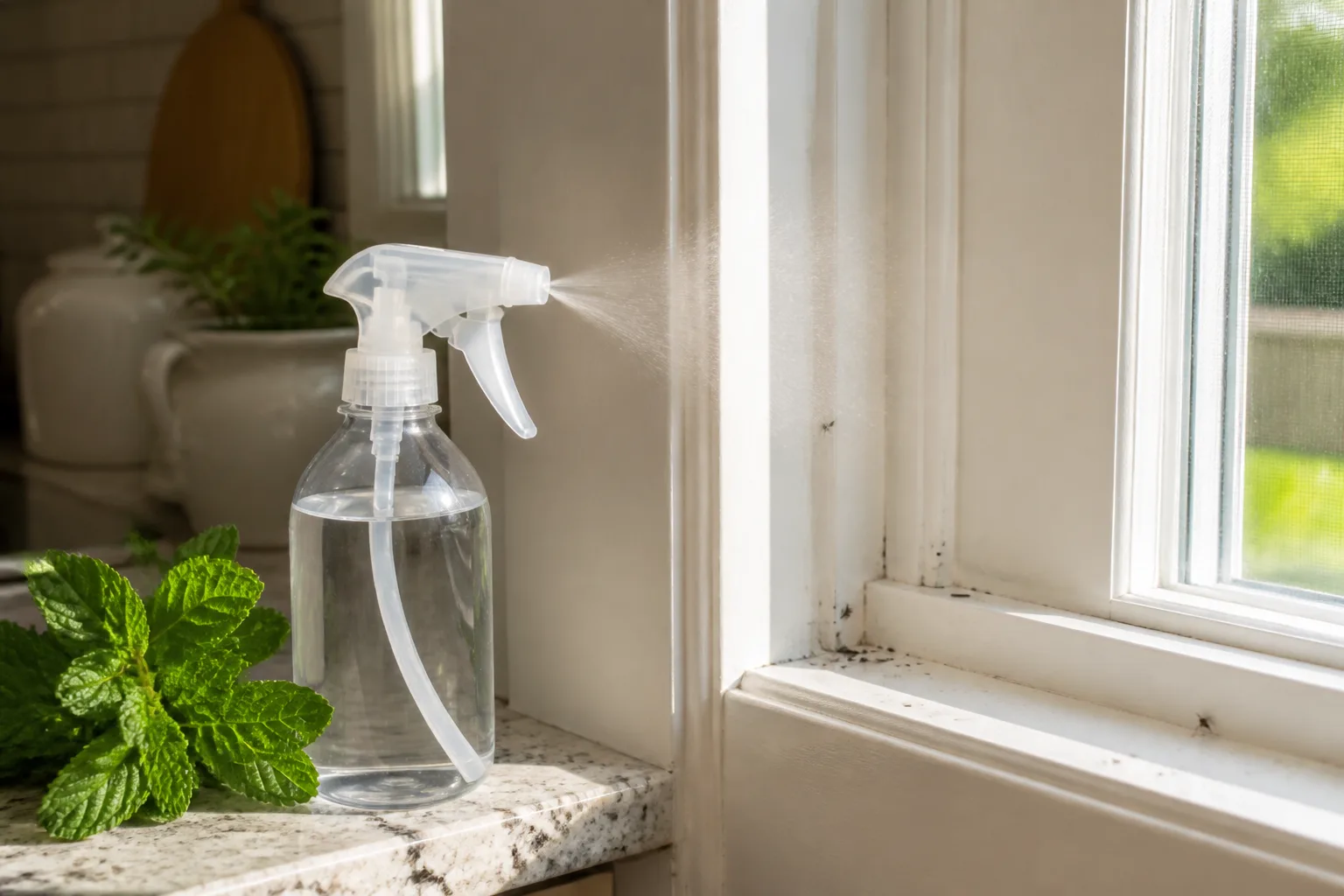
Do not spray vinegar on pets, carpet, upholstery, unsealed stone, delicate wood, electronics, or a cat’s bedding while the animal can contact the wet surface. Never mix it with bleach or other cleaners. Vinegar cannot remove eggs from a rug, penetrate a cocoon, or replace the four-part control sequence.
Best for: a compatible, cleanable hard surface where you want a temporary scent change. Limit: no dependable kill, no residual control, and possible surface damage.
12. Treat herbs and essential oils as optional—or skip them
Dried rosemary or lavender in a sealed, pet-inaccessible closet may make stored linens smell fresh, but there is not enough practical evidence to treat a sachet as flea control. Planting a strongly scented herb outside can be pleasant, yet it does not create a reliable barrier around a dog, cat, doorway, or entire yard.
Essential oils deserve a firmer warning. The Pet Poison Helpline says cats are especially vulnerable to concentrated oils and identifies oils including citrus, peppermint, eucalyptus, tea tree, pine, cinnamon, clove, and pennyroyal as poisoning risks. Its veterinary guidance for dogs also describes serious exposures when concentrated oils are put on skin or ingested.
Do not diffuse oils as a flea treatment in a small room, add them to a pet bath, apply them to fur, or spray an oil-and-water mixture where an animal can lick it. If a pet contacts or swallows an essential oil, move it away from the source and contact a veterinarian or animal poison service promptly; do not induce vomiting unless a veterinary professional tells you to.
Best for: optional fragrance in a controlled, pet-inaccessible location. Limit: unreliable flea control and a meaningful pet-safety risk when concentrated.
Natural remedies that sound better than they work
Several common suggestions are not worth making the center of an infestation plan. Salt and baking soda may dry a surface, but leaving loose powder in carpet creates a dust and cleanup problem without giving you dependable control of every stage. Boric acid is a pesticide, not a harmless kitchen ingredient; if a labeled product is ever used, follow that label and keep it inaccessible to children and pets.
Oil baths are also a poor shortcut. Oil can mat fur, irritate skin, create a grooming exposure, and still leave the home full of eggs and pupae. Garlic, onion, alcohol, undiluted citrus, and concentrated plant oils should never be improvised as pet treatments. A “natural” label describes an origin, not a safe dose, legal application, or proven result.
Fine Gardening’s practical organic-pest advice supports a useful general rule: start with physical removal and barriers, protect beneficial organisms, test any homemade plant spray on a small area, and avoid spraying in conditions that can cause plant or surface injury. For household fleas, translate that into remove, wash, monitor, and verify before reaching for a stronger mixture.
Follow a seven-day flea reset plan
Use this sequence for a mild, early problem while you arrange veterinary guidance for any infested pet. It is a repeatable workflow, not a promise that every infestation will end in seven days.
- Day 1 — inspect and isolate. Check every pet with a flea comb, note where people see bites or adults, and move washable bedding into sealed bags until it can be laundered. Identify the rooms and outdoor resting areas that need attention.
- Day 1 — clean the environment. Vacuum edges, furniture seams, under beds, pet routes, rugs, and the space around the main entrance. Empty the vacuum outside. Wash and completely dry bedding, blankets, and washable rugs.
- Day 1 — address the host. Bathe and comb pets only if they can be safely handled, and contact a veterinarian about a lasting, species-appropriate flea plan for every pet. Do not wait for a home remedy to prove itself if a kitten, puppy, or unwell animal is affected.
- Days 2–3 — repeat the high-payoff work. Vacuum the same resting zones again, wash any missed textiles, inspect the trap or comb, and remove clutter or debris from the matching outdoor area. Record whether catches are rising or falling.
- Days 4–5 — add one targeted layer. If the yard is clearly involved, consider labeled beneficial nematodes or another approved outdoor measure. If an indoor dry crack needs a product, use only a label-approved diatomaceous-earth application with dust precautions.
- Days 6–7 — reassess, do not guess. A few newly emerged adults do not prove that cleaning failed; pupae can emerge later. If activity is unchanged, re-check the pet, the underside of furniture, the back of rugs, and the outdoor route. Follow veterinary or product re-treatment timing rather than applying more ingredients at random.
The CDC notes that moderate to severe infestations can take months to control and require follow-up because of the flea life cycle. If a professional product is used, the CDC says follow-up treatments may be needed within five to 10 days, along with ongoing vacuuming and sanitation. Always follow the product label or veterinarian’s directions for the specific treatment.
Know when natural control is not enough
Call a veterinarian when a pet has heavy flea exposure, intense itching, open sores, weakness, pale gums, or unusual behavior, or when a young, elderly, pregnant, or medically fragile animal is involved. Do not apply a homemade repellent while you wait for an appointment.
Bring in a licensed pest professional when adults keep appearing after coordinated cleaning and pet treatment, when several rooms or neighboring units are involved, or when you cannot safely reach carpets, crawl spaces, porches, or shaded outdoor harborages. Ask what products will be used, where they may be applied, how long people and pets must stay out, and what follow-up is included.
Natural control is a reasonable preference, but the safe version is integrated pest management: identify the flea, remove habitat, treat every host with qualified guidance, use targeted tools, monitor the trend, and escalate when the evidence says the problem is bigger than a homemade spray can handle.
Conclusion
The best natural flea remedies are the ones that remove fleas rather than simply making the house smell different. Vacuuming, laundering, steam cleaning, careful flea combing, and targeted habitat cleanup form the foundation; soapy-water traps, beneficial nematodes, labeled diatomaceous earth, cedar landscaping, and diluted vinegar have narrower supporting roles.
Start today with every pet, every favorite resting place, and the route between the yard and the home. Repeat the high-payoff cleaning, avoid concentrated essential oils and loose dust around animals, and use the flea count—not the scent of the room—to decide whether your plan is working.