How to Grow and Care for Holy Basil (Tulsi)
Learn how to grow holy basil indoors or outside, from warm seed starting and pruning to watering, harvest, and bringing a tender plant through winter.
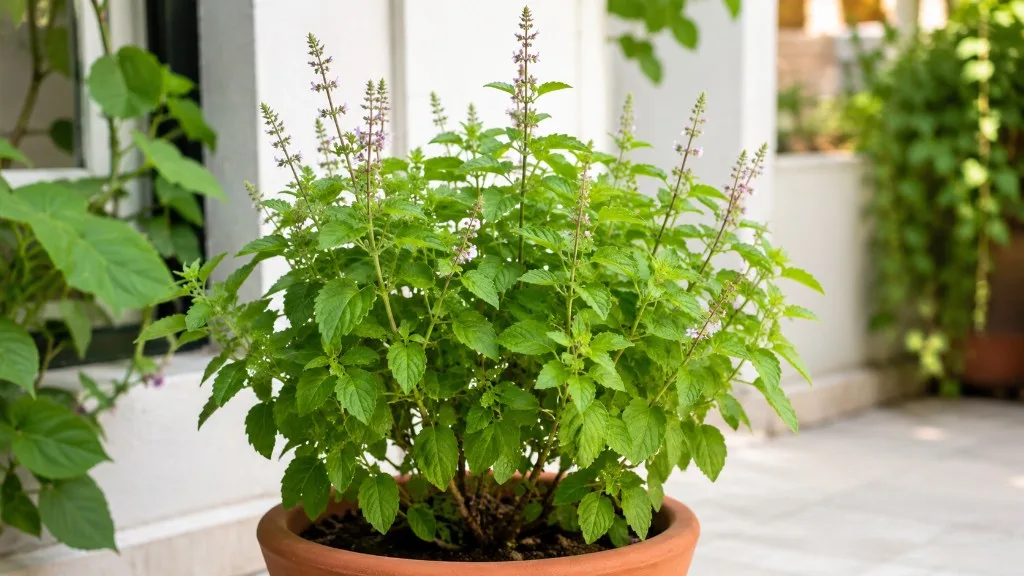
Holy basil, or tulsi, grows best when you give it warmth, direct light, and soil that stays lightly moist without holding water around its roots. It is a tender herb, so in most climates the simplest plan is to grow it outside for summer and treat it as an annual; gardeners with a bright, warm indoor space can keep a potted plant going longer.
The main difference between a thriving plant and a lanky or stalled one is usually not a complicated fertilizer recipe. It is warmth, light, drainage, and regular pinching.
Is holy basil a good fit for your climate?
Holy basil is native to tropical and subtropical regions of Southern Asia. North Carolina State Extension describes it as an aromatic annual or short-lived perennial subshrub that can reach about three feet, while Practical Self Reliance’s tulsi growing guide and other gardeners’ accounts treat frost as the cutoff for outdoor growth.
In a warm, frost-free climate it may persist for more than one season, but in colder regions it is more reliable as a warm-season herb that you replant or move indoors. NC State Extension’s plant profile also notes that holy basil prefers full sun and moist, well-drained soil.
Use nighttime temperature, not a calendar date alone, to decide when it is ready to go out. Wait until frost has passed and nights are reliably mild; if nights are still dipping toward 50°F, give seedlings more time indoors.
Cold does not always kill a mature plant immediately, but it can pause growth, discolor leaves, and set back a young transplant. Moving a pot inside before cold nights arrive is easier than trying to revive a plant after chilling.
If your summers are short, start seeds indoors so the plant gets a head start. If you have only a dim room and no grow light, an outdoor summer crop may produce more leaves than a struggling year-round houseplant. Tulsi can self-seed where flowers mature, and NC State Extension cautions that it may become aggressive outside its native range; remove seed heads if you do not want seedlings appearing around the bed next year.
Check the plant name before you buy
Look for the botanical name Ocimum tenuiflorum on a seed packet or nursery label. It is also listed under the older name Ocimum sanctum, and both may be sold as holy basil, tulsi, or tulasi.
The name “basil” alone is not enough: sweet basil and Thai basil are different garden selections, and their flavor, appearance, and use are not identical to tulsi. Penn State Extension’s basil guide describes several basil types, including holy basil, as distinct choices rather than interchangeable plants.
Rama and Krishna are two familiar tulsi types. Rama usually has greener foliage and a milder, clove-like aroma; Krishna often has more purple coloring and a sharper, peppery scent.
Seed sellers may offer other strains and use names inconsistently, so treat the cultivar description as a guide to foliage and flavor, not a guarantee that two packets with the same label will look identical. If botanical identity matters to you, choose a seller that prints the species name and describes the strain clearly.
Holy basil’s value is broader than a kitchen seasoning. The plant is culturally and spiritually significant in Hindu traditions and has a long history of use in Ayurveda; gardeners also grow it for its fragrance, flowers, and pollinators.
Those traditions are not the same thing as evidence that a homegrown plant or tea treats a health condition. If you are interested in concentrated tulsi supplements or using the herb medicinally, ask a qualified health professional about your situation and medications rather than relying on a plant-care guide.
Grow tulsi in a sunny, sheltered location
Aim for at least six hours of direct sunlight a day. A plant in strong light tends to branch more compactly and make sturdier stems; one reaching toward a window or leaning across the bed is asking for more light. NC State Extension lists full sun as the preferred exposure.
A practical tulsi guide from Healthy Green Savvy uses a similar six-hour baseline and notes that containers may benefit from late-day shade during intense heat. Treat that as a heat-management adjustment, not a substitute for a sunny site; deep shade usually means slower, leggier growth and fewer usable leaves.
Outdoor timing and site
Choose a warm spot with open airflow and protection from cold wind. A garden bed near a sunny wall can hold heat, but avoid a cramped corner where foliage stays wet after rain.
Space multiple plants roughly 18 inches apart or follow the seed packet’s mature-width guidance; crowding makes harvesting harder and can keep leaves damp. In heavy clay, use a raised bed or a container rather than planting directly into soil that remains saturated after a storm.
Growing holy basil in a container indoors
A container is useful if you want to move tulsi in fall, have poor garden drainage, or need to protect it from wind. Choose a pot with drainage holes and enough volume for a branching herb rather than a tiny decorative cup.
Set it at the brightest window you have, rotate the pot occasionally so one side does not stretch, and add a full-spectrum grow light if winter daylight is weak. An indoor plant can survive in a warm room yet still become sparse if the light is too low; warmth by itself does not replace sun.
When moving a plant between indoor and outdoor conditions, transition it gradually. Put it outside in bright shade for a short period, then lengthen the exposure and increase direct sun over about a week.
Sudden exposure to strong sun and wind can scorch or wilt tender leaves even when the weather is warm. Bring the pot back inside overnight if a cold snap is forecast during the transition.
Choose loose soil and a pot with drainage
Tulsi does not need a fussy soil formula. The useful target is a fertile, crumbly mix that lets water pass through while holding enough moisture for roots to draw on between waterings.
In a garden bed, improve compact soil with organic matter and choose a place where rainwater does not collect. In a container, use a quality potting mix formulated for outdoor or indoor pots; garden soil alone can pack down and drain poorly in a small pot.
Make drainage visible, not theoretical. Water should flow from the pot’s bottom holes, and the container should not sit in a saucer full of standing water.
If a plastic nursery pot fits inside a decorative cachepot, lift it out to water and empty the outer pot afterward. Soggy conditions deprive roots of oxygen and can lead to yellow leaves, soft stems, or root decay; adding more fertilizer will not fix a root zone that stays waterlogged.
Water deeply, then let excess drain
Keep young plants evenly moist while they establish. For a container, check the top inch of mix with a finger; when that layer is dry, water thoroughly until it drains, then discard runoff.
In a garden bed, check below the surface rather than reacting to dry-looking mulch. A fixed daily schedule is unreliable because a small pot in hot sun can dry in a day while a larger pot in cool weather may stay damp much longer.
Do not confuse “moist” with constantly wet. If the soil is already cool and damp, wait and improve airflow or drainage instead of watering again.
Water near the soil line when possible, especially during humid weather, so leaves do not stay wet overnight. A brief wilt in afternoon heat may recover by evening; if the plant is still limp in the morning, check whether the root zone is bone dry or saturated before choosing a fix.
Start holy basil from seed
Seeds are often easier to find than nursery plants, and starting your own lets you choose a specific tulsi type. Sow indoors about six to eight weeks before your expected last frost if your season is short. Use clean seed-starting mix in a tray or small pot, moisten it, and press seeds onto the surface or cover them only with a very light dusting.
Keep the mix warm—around 70°F or warmer—and consistently damp but not waterlogged. Practical Self Reliance’s tulsi growing guide gives a similar warm-start approach and describes slow, cool germination as a common reason seeds fail.
Cover the tray loosely with a clear dome or plastic until seedlings emerge, then remove the cover and give them bright light and gentle air movement. Check daily: the surface should not dry out, but condensation should not keep the seedlings dripping wet.
Germination commonly takes one to three weeks, depending on seed freshness and warmth. If nothing appears after several weeks, sow a second small batch rather than flooding the original tray; excessive water can rot seeds that are simply slow.
Once seedlings have a few sets of true leaves, move crowded seedlings into individual small pots. Handle them by a leaf rather than squeezing a delicate stem, and keep them warm while roots settle.
Avoid feeding tiny seedlings heavily; a rich seed-starting mix and careful watering are more important at this stage than pushing rapid growth. If the stems stretch and topple, increase the light and move the light source closer according to its instructions, rather than compensating with a large fertilizer dose.
Transplant after warmth stabilizes
Before planting outdoors, harden seedlings off for about a week. Begin with an hour or two in a sheltered, shaded location, then gradually add outdoor time, wind, and direct sun.
Bring them in if the forecast turns cold or harsh. This slow adjustment reduces the shock of going from still indoor air to bright sun and moving air.
Plant at the same depth the seedling grew in its pot, firm the soil gently, and water it in. Keep the bed moist while new growth appears, but do not bury the stem or pack soil hard around it. If the plant droops after transplanting, give it temporary afternoon shade and check the soil before watering again; droop can be ordinary transplant stress or a sign of a wet root zone.
Propagate a favorite plant from stem cuttings
A cutting is useful when a mature plant has the aroma or leaf color you want to keep. Use clean, sharp snips to take a healthy, nonflowering stem several inches long, cutting just below a leaf node.
Remove the leaves from the lower part of the stem and place the cutting in a clean glass of water with the lower node submerged and the remaining leaves above the water. Keep it warm in bright, indirect light and refresh the water every few days.
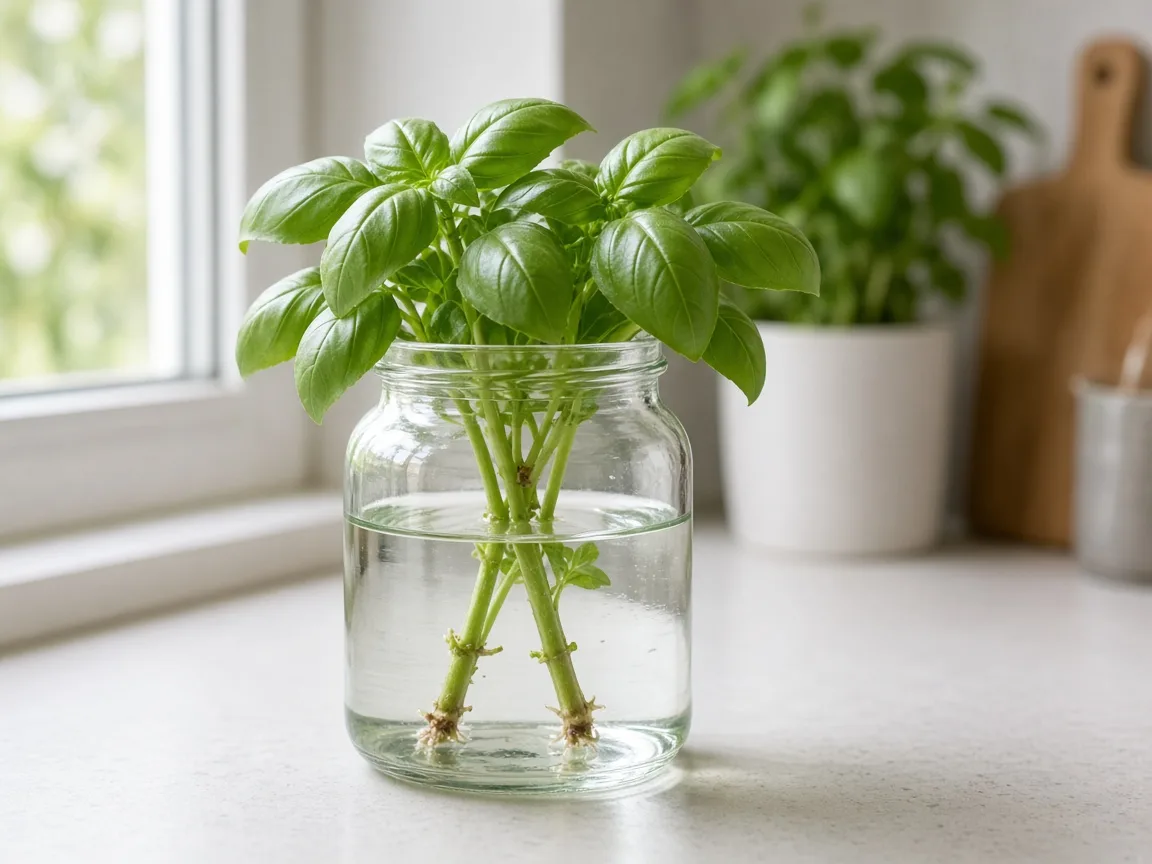
When roots have formed and are long enough to handle without breaking, pot the cutting into a small container of moist, free-draining mix. Keep it out of harsh midday sun while it adjusts, then increase light as new growth appears.
Penn State Extension notes that basil cuttings root readily in water; for tulsi, the extra practical step is to keep the new plant warm and avoid letting the first pot dry completely before roots have spread. A cutting can also root in moist potting mix, but water makes root development easier to see.

Pinch tips to make a leafy, branched plant
Start pinching when a seedling is established and has several pairs of true leaves. Use clean fingertips or snips to remove the growing tip just above a pair of leaves; new side shoots can then develop from the nodes below the cut.
Repeat on vigorous stems as they lengthen, rather than cutting the plant back hard all at once. Regular harvests of young stem tips do the same work and give you leaves to use.
If you want a tall, flowering specimen, pinch less. If you want a compact plant with many harvest points, start shaping it before one central stem becomes tall and woody.
Penn State Extension describes pinching basil tips as a way to encourage branching and delay flowering. Do not remove every bit of new growth from a small seedling: it needs enough leaves to keep building roots and stems before repeated harvests make sense.
Decide what you want from the flowers
A flowering tulsi is not automatically a failed plant. The flower spikes add fragrance and visual interest, and they can draw pollinators; leaving some flowers also gives you a chance to collect seed later.
If your priority is a steady supply of tender leaves, pinch flower buds as they form and keep harvesting the top growth. This redirects growth toward leafy branches for a while, though no plant can remain in a purely vegetative state forever.
For a pollinator or seed-saving plant, let some stems bloom and mature. Keep one healthy branch or one plant for seed while trimming others for leaves, which gives you both uses without asking a single stem to do everything.
Allow seed capsules to dry on the plant, then collect them before they scatter. Because tulsi can self-seed, remove spent flower heads if you want to limit volunteers in the bed.
Fertilize lightly and manage common stress
If the bed or potting mix is reasonably fertile, start with compost worked into the bed or a modest amount of balanced container mix rather than frequent high-nitrogen feeding. Rapid, soft growth is not always better: it can produce stems that flop and leaves that are less resilient to handling or weather. Follow product labels if you do use fertilizer, and apply it to moist soil so concentrated salts do not contact dry roots.
Read the plant before feeding. Pale, stretched growth in a dim room points first to inadequate light; yellow lower leaves in wet soil point first to drainage or watering; stalled growth during a cool spell may simply reflect temperature.
A fertilizer application cannot compensate for any of those conditions. Avoid adding garden amendments by guesswork to a container, where salts and excess nutrients accumulate more readily than in open ground.
Bring a healthy plant indoors before cold weather
If you want to keep tulsi through winter, move a healthy container indoors before nights become cold, not after the plant has been chilled. Inspect both sides of leaves and the stems for aphids, mites, whiteflies, and eggs, then rinse or wipe foliage and keep the plant apart from other houseplants for a short observation period. A move indoors can bring hitchhiking pests into the house, so a quick inspection is worthwhile.
Choose the brightest warm location available and reduce watering as growth slows, while never leaving the root ball bone dry for long. A sunny window may sustain a modest plant; a grow light can help maintain stronger growth through short winter days.
The plant may shed some leaves while adjusting to indoor light and humidity. Remove damaged foliage, avoid a cold draft or hot furnace blast, and wait for active new growth before resuming regular harvests.
If the plant has already been exposed to frost, check stems before discarding it. A fully blackened, soft plant is unlikely to recover, but a brief cold dip may damage only exposed leaves. Trim dead tissue after the extent of injury is clear and keep any living stems warm; do not water heavily in the hope of reversing cold damage.
Harvest leaves, flowers, and seed with a plan
Begin regular harvesting once the plant is established and has enough branching to replace what you remove. Pick individual leaves for a small amount, or cut a short stem tip just above a leaf pair when you want the plant to branch.
Take only part of the plant at a time, leaving plenty of healthy foliage to support regrowth. Harvest in the morning after dew has dried for a clean, aromatic crop, and avoid stripping every leaf from a young plant.
Fresh tulsi is often used in tea or cooking, while leaves and flowering stems can also be dried for later use. Dry small, loose batches in a shaded, well-ventilated spot until crisp, then store them in an airtight container away from heat and light. Penn State Extension recommends harvesting basil before flowering for the most tender leafy growth, but tulsi can continue to flower while you harvest; the choice depends on whether leaf tenderness, flowers, or seed matters most to you.
For tea or culinary use, wash leaves and use them as you would any garden herb. A cup brewed from homegrown leaves is a food or beverage, not a standardized medicine.
Ohio State University’s review of holy basil notes potential medication interactions and cautions around concentrated supplements, including for people who are pregnant, breastfeeding, or trying to conceive. That is a different risk question from casually growing the plant; speak with a clinician or pharmacist before using supplements, especially if you take medication for blood sugar or blood clotting.
Solve common holy basil growing problems
Tall, thin stems: Low light is the first thing to check, especially indoors. Move the plant toward stronger light or add a grow light, then pinch the tips once it has enough healthy leaf pairs to branch. A crowded plant can also stretch because neighboring stems shade one another.
Yellow leaves and limp growth: Feel the soil before watering. A dry root ball needs a thorough drink; a wet, sour-smelling mix needs time to drain and may need fresh potting mix if roots are soft or dark. A few older leaves may yellow naturally, but yellowing across the plant after repeated watering points to a root-zone problem more than a need for fertilizer.
Brown, crisp edges: Check whether the pot dries very quickly, whether hot afternoon sun is baking the container, or whether the plant is next to a heater or cold window. Correct the exposure and watering pattern first. Do not mist repeatedly as a substitute for watering; wet foliage does little to solve dry roots and can encourage leaf disease if air is stagnant.
Chewed or stippled leaves: Look underneath foliage and along new growth for Japanese beetles, aphids, or mites. NC State Extension specifically notes that Japanese beetles can skeletonize holy basil leaves and recommends hand removal. For a small crop, isolate an indoor plant with pests and use a strong rinse or manual removal before considering any labeled treatment; edible plants should only receive products explicitly approved for that use.
Few leaves or early flowering: Warmth, light, water stress, and plant age all affect flowering. If you want more leaf growth, maintain steady moisture, increase light where possible, and pinch flower buds; if flowers are the goal, stop pinching and let the plant do its thing. The same plant cannot be managed to maximize leaves, seed, and flowers all at once, so choose the harvest you value most.
Conclusion
Holy basil is manageable when you treat it as a warmth-loving herb rather than a frost-hardy perennial. Start with the correctly labeled Ocimum tenuiflorum, give it a sunny place and well-drained soil, keep young plants evenly moist, and wait for reliably mild nights before setting them outdoors. In a pot, strong light and good drainage matter more than a decorative container or a strict watering calendar.
Pinch early for a bushier harvest, let selected stems flower if you want pollinators or seed, and move a healthy plant indoors before cold weather if you want to try overwintering it. When tulsi struggles, check temperature, light, and soil moisture before reaching for fertilizer. That simple sequence solves most preventable problems and gives you a useful plant for leaves, flowers, and fragrance through the warm season.



