How to Grow and Care for Banana Yucca
Grow banana yucca with drainage-first planting, a measured first-year watering plan, safe pruning, cold-weather protection, and advice for pots and offsets.
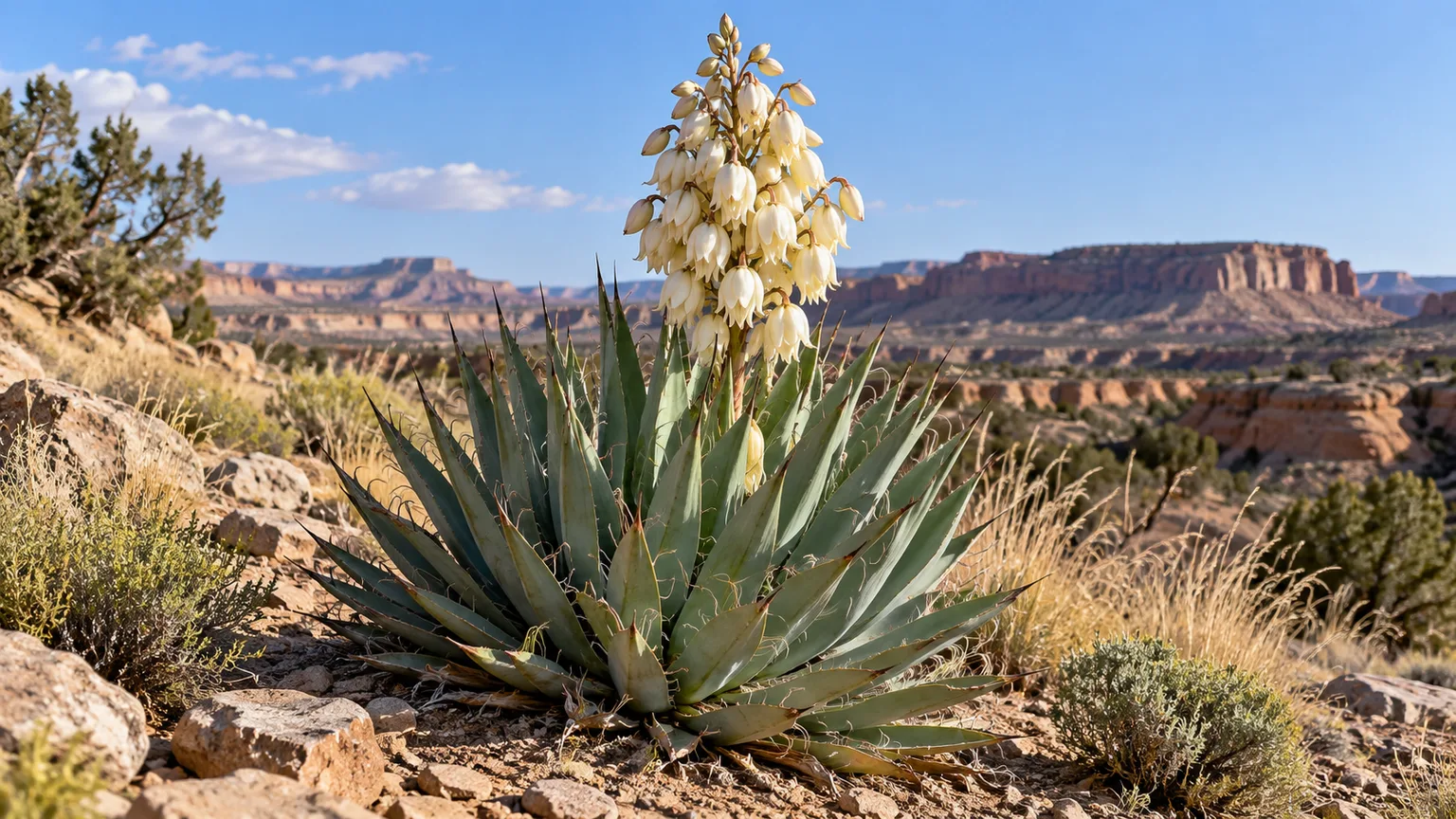
Banana yucca (Yucca baccata) is a compact-looking plant with a surprisingly broad reach: its stiff, pointed leaves can extend several feet from the crown, and a mature clump may spread much wider than the nursery pot suggests. Give it sun, room, and soil that drains quickly, and it asks for little routine care. The wrong low spot, by contrast, can leave its roots wet for days at a time.
This Southwestern succulent is not a true banana and will not grow a tree-like trunk like many indoor yuccas. Its common name comes from the fleshy, banana-shaped seed pods that may develop after flowering. The most useful care distinction is simple: water a new plant while it establishes, then let its root zone dry between deep soakings.
Know What Banana Yucca Needs
Banana yucca is an evergreen, clump-forming perennial native to the arid and semi-arid Southwest and northern Mexico. It makes one or more low rosettes of narrow, rigid leaves, sometimes with fine fibers along the margins, and sends up a short-to-moderate flower stalk from the center. The cultivar, local conditions, and age of the plant affect its final proportions, so use mature size as a planning range rather than a promise.
This is a good fit for a sunny rock garden, dry border, gravel bed, or wide container where a bold architectural form is welcome. It is a poor fit beside a narrow path, play space, or place where people brush past it. The terminal leaf spines are stiff enough to puncture skin, so location is part of care, not a finishing detail.
Tell Banana Yucca from Other Yuccas
Look for a low, trunkless cluster of blue-green to gray-green leaves with very sharp tips. Banana yucca can form several rosettes and broadens through offsets; the plant itself does not resemble a small banana tree. The species profile from Arizona State University describes a slow, clumping habit, leaves up to about 3 feet long, and a mature clump around 4 feet tall and 6 feet wide (ASU’s banana-yucca profile).
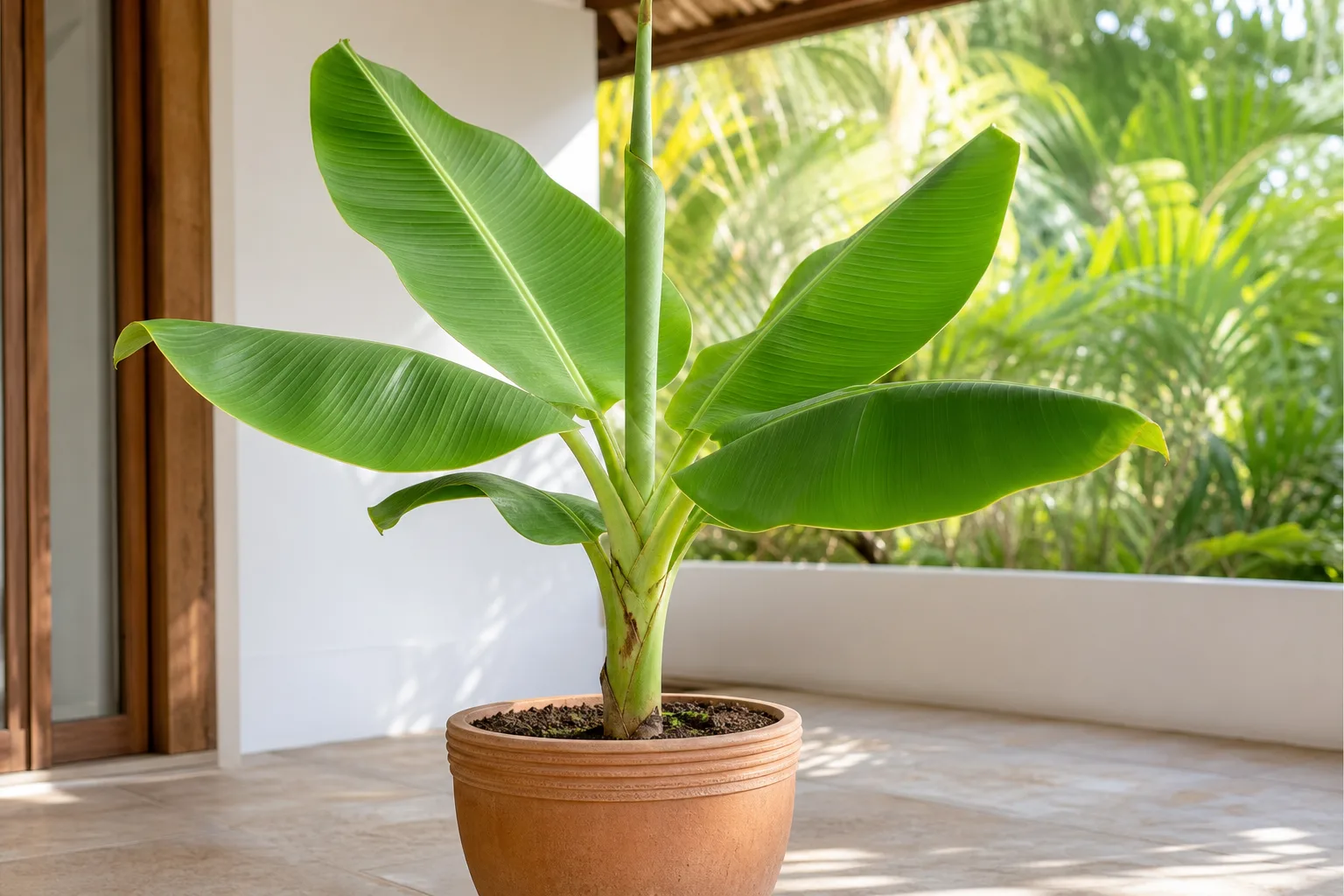
Do not identify it by the word “banana” alone. Banana plants (Musa species) have large, soft, paddle-shaped leaves and a tropical growth habit; Yucca baccata has narrow, armored leaves and is adapted to dry conditions. Other yuccas may share the sharp rosette shape, but not all have the same cold tolerance, dimensions, or fruit. Confirm the botanical name on the nursery label before choosing a planting site or expecting a specific pod.
Plan for the Mature Rosette
The crown may look small when you buy the plant, but the leaves can reach outward and the clump can develop offsets over time. Leave several feet of clear space around it, and allow extra clearance on the side facing a path. An Arizona State University plant profile lists a spread of roughly 6 feet; local populations and growing conditions vary, so use that figure as a minimum planning cue rather than a hard maximum.
Banana yucca is most comfortable outdoors where it can receive direct light and air movement. It can be grown in a large pot, but its sharp foliage and eventual width make it awkward as a long-term indoor houseplant. If you want a smaller maintenance burden, start with a young plant in a wide container and accept that you may eventually need to divide or relocate it.
Pick a Sunny Site That Drains
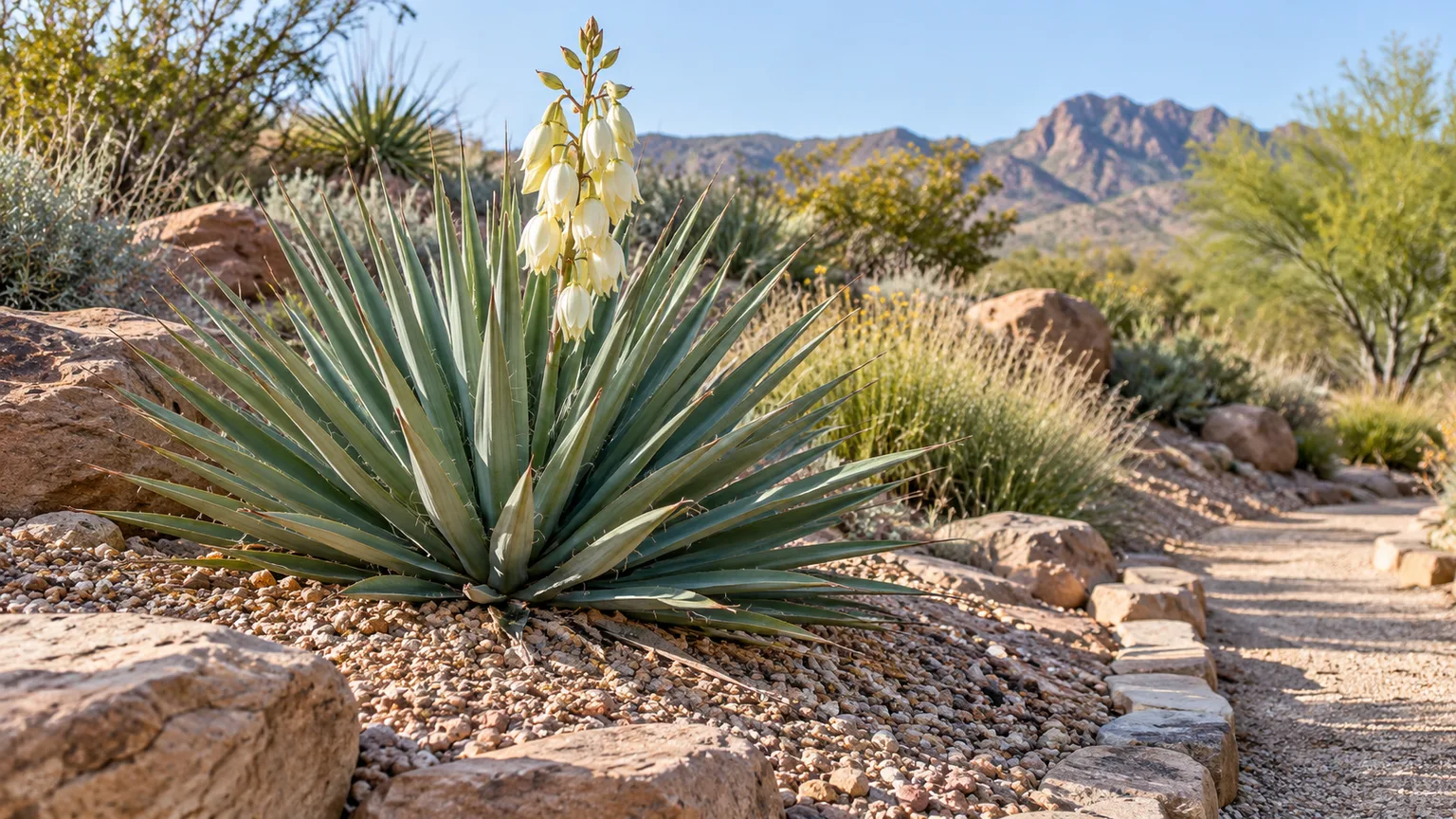
The best planting site is sunny, open, and free of standing water after rain or irrigation. Full sun is ideal; light shade is usually tolerated, especially where afternoon heat is intense, but a deeply shaded spot produces weaker, less compact growth. The profile at Arizona State University lists full sun to partial shade, while Gardening Know How likewise recommends sun or partial shade for this species (Gardening Know How’s banana-yucca guide). The Royal Horticultural Society also recommends full sun and very well-drained soil, and advises protecting the plant from excessive winter rainfall (RHS banana-yucca growing advice).
Drainage matters more than whether your soil looks sandy. Banana yucca can grow in different soil textures if excess water moves away from its roots; it is vulnerable when water sits around the crown or stays trapped in a cold, saturated bed. Before you plant, notice where puddles form after a storm and whether the site receives roof runoff, irrigation overspray, or snowmelt.
Make Heavy Soil Drain Faster
If water drains slowly, choose a naturally higher spot or build a broad raised mound rather than digging a small hole and filling it with gravel. A narrow pocket of loose material inside dense clay can collect water like a basin. A slope, berm, or raised bed lets water leave the whole root zone, which is the outcome you want.
You usually do not need to replace all the soil or make it rich with compost. If you amend, blend coarse mineral material through a broad area rather than layering it under the root ball. High Country Gardens recommends raised or sloped placement for hardy desert succulents and warns against low, water-collecting areas; its guidance for the blue-leaf banana-yucca cultivar also emphasizes fast drainage and protection from persistent winter moisture (High Country Gardens’ banana-yucca planting guidance).
A simple field check helps: dig a test hole roughly as deep as the root ball, fill it with water, and see whether it empties within a few hours. This is not a formal soil test, but a hole that remains full into the next day is a warning against planting at grade. Raise the site, redirect runoff, or use a container instead.
Plant Without Burying the Crown
Plant in spring after the ground is workable, especially in regions with cold or wet winters. The plant then has a full growing season to establish before winter. In warm, dry climates, early fall can also work if roots have time to settle before cold weather; avoid planting just before a season of freezing rain or saturated soil.
Handle the plant from the root ball, not by pulling its leaves together. Wear sturdy gloves, long sleeves, and eye protection, and keep the pointed ends away from your face. Dig a broad hole no deeper than the root ball, loosen circling roots if needed, and set the crown level with or slightly above the surrounding grade. Backfill with the original soil, firm gently, and do not pile mulch against the crown.
Water once after planting to settle soil around the roots. A thin gravel mulch can keep soil from splashing against the crown and visually suit a xeric bed, but do not cover the center of the rosette or use a deep, wet organic mulch. Label the plant and make a note of its mature width before placing companion plants nearby.
Set a Seasonal Care Rhythm
Banana yucca does not need a weekly chore list. Its care changes as roots establish and as the weather shifts: check moisture more often just after planting, slow down when temperatures cool, and avoid adding water when rain has already wetted the root zone. A small amount of attention at the right time prevents the common mistake of treating a desert-adapted plant like a thirsty perennial.
Give It Sun, Not Rich Soil
Place the rosette where it receives at least several hours of direct sun, ideally most of the day. Light afternoon shade can ease stress in the hottest, driest exposures, but too little light can leave a new plant looking loose or slow its flowering. If you move a container from shade to intense sun, increase exposure over a week or two so foliage can acclimate.
Skip the habit of enriching the planting hole with a large quantity of compost or manure. The goal is not maximum leafy growth; it is a stable, well-drained root zone and a plant that grows at its natural pace. If a soil test or clear nutrient deficiency indicates a need, use a conservative treatment suited to succulents rather than assuming fertilizer will fix slow growth.
Water More While Roots Establish
A newly planted banana yucca needs enough water to grow roots into surrounding soil, but it should not stay constantly damp. During the first several weeks, check the soil a few inches below the surface every few days. If the root zone is drying and the weather is warm, water slowly and deeply at the base; if it remains cool or wet, wait.
In a dry spell, a new in-ground plant may need a thorough soak about once a week at first, but that is only a starting point. Sandy soil dries faster than clay, a windy slope dries faster than a sheltered bed, and recent rain can replace irrigation entirely. Gardening Know How suggests regular irrigation for stronger growth but cautions against overwatering; reading the soil is more dependable than following a fixed calendar.
Keep water off the central crown when possible, especially during cool weather. Avoid short daily sprinkles: they wet the surface without encouraging deep roots and can leave the crown or leaf bases damp. A slow hose at ground level gives water time to soak in without washing soil away.
Let Established Soil Dry Between Soaks
Once the plant has rooted into the bed and is producing steady new growth, reduce supplemental irrigation. In a dry climate, an established banana yucca may need a deep watering only during extended hot drought; in regions with regular summer rain, rainfall may be enough. The exact interval depends on soil, exposure, and rainfall, not on a universal weekly rule.
Before watering, feel the soil a few inches down near the edge of the root zone. If it is still cool and moist, wait; if it is dry through the upper root zone during sustained heat, water deeply and then allow it to dry again. Brown leaf tips alone are not proof of overwatering. Old leaves naturally weather, wind and physical contact can scar tips, and sunburn can follow a sudden move into intense light.
Reduce supplemental water in fall as growth slows and cool weather arrives. Winter moisture is often the larger risk than winter cold: saturated roots in cold soil are slow to recover. If winter rains are heavy, improve drainage or shelter a container rather than trying to insulate a wet crown with mulch.
Skip Routine Fertilizer
A healthy, established plant in the ground usually does not need regular fertilizer. Feeding every spring can push soft growth without correcting the actual cause of poor performance, especially if the site is shaded or poorly drained. Do not fertilize in an attempt to force a bloom; mature plants may skip a season even when they are healthy.
For a container plant that has been in the same mix for several seasons, a light application of a balanced, low-strength fertilizer during active spring growth may be reasonable. Follow the product label and avoid feeding dry or heat-stressed roots. If a plant looks persistently weak, check light, drainage, planting depth, and root health before adding nutrients.
Grow Banana Yucca in a Container
A pot is useful when native soil stays wet or when you want to control the plant’s eventual spread. Choose a wide, heavy container with several unobstructed drainage holes; a lightweight narrow pot can tip as the stiff leaves expand. Start with a pot only modestly wider than the root ball, then move up when roots fill the container rather than placing a small plant into an oversized tub that stays wet for too long.
Use a fast-draining succulent mix with a substantial mineral component such as pumice, coarse perlite, or small gravel. Ordinary potting mix often holds too much water by itself, while pure coarse gravel may not retain enough moisture for young roots; aim for a mix that drains quickly but still anchors the plant. Keep the crown at the surface and never leave the container standing in a full saucer.
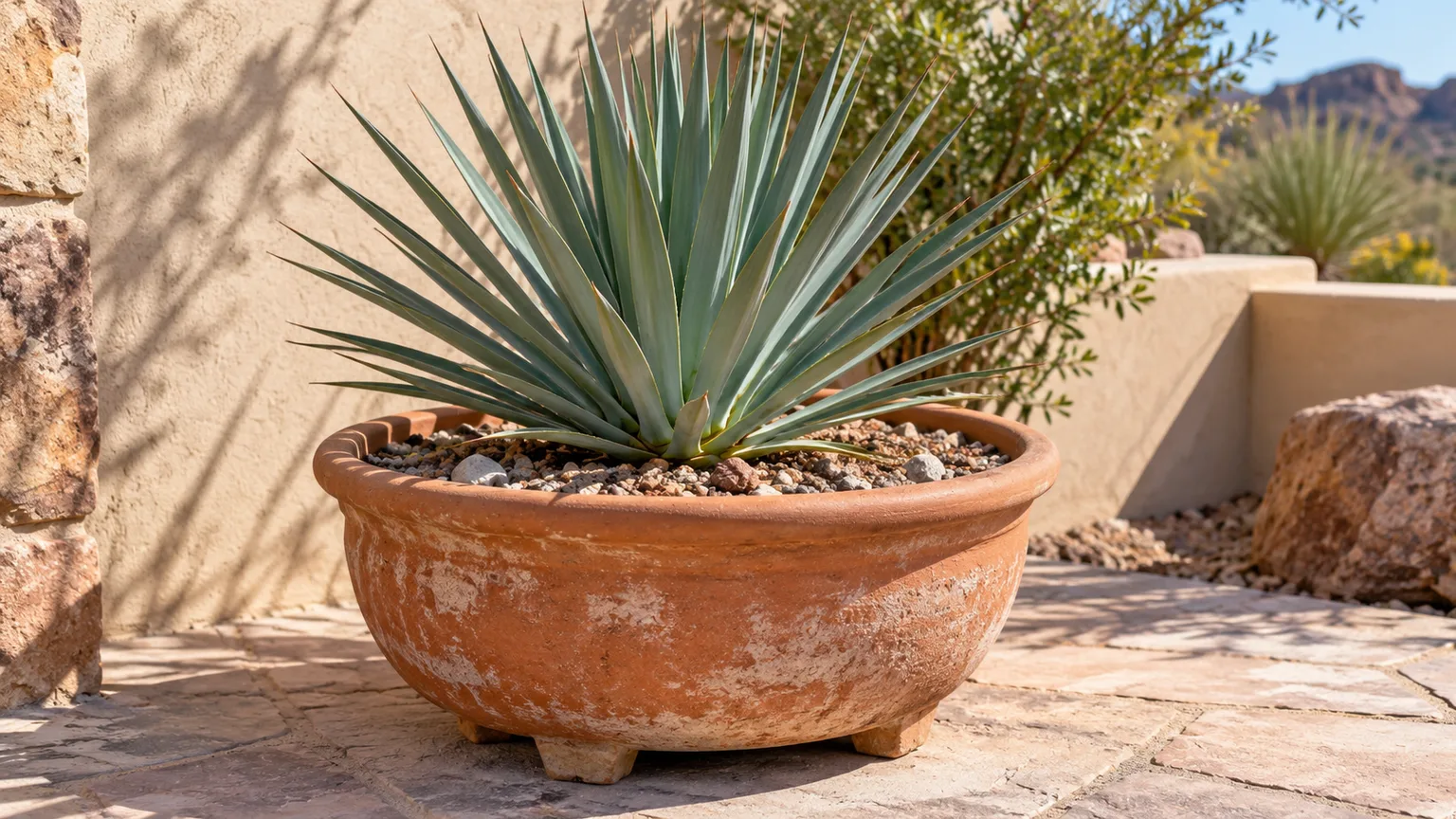
Set the pot outdoors in a sunny, ventilated spot and water when the mix has dried several inches down, then let it drain completely. Containers dry faster than ground soil in summer, so check them more often during heat, but do not assume daily watering is needed. In winter, move the pot under a rain shelter or against a protected wall where it remains bright and cool; water sparingly during mild spells only if the root ball has become dry.
A container does not make this a carefree indoor plant. A mature rosette may be wider than a doorway, and the leaf tips can injure someone in a crowded room. If you keep a young specimen indoors temporarily, give it the brightest available light, turn it periodically for even growth, keep it away from walkways and pets, and plan for outdoor placement or repotting as it grows.
Understand Flowers, Pollination, and Pods
Mature banana yucca sends up a central stalk of pendant, cream to ivory bell-shaped flowers, generally from spring into summer, with timing varying by climate and elevation. The USDA Forest Service reports a March-to-July bloom window across the species’ range (USDA Forest Service banana-yucca review). It may take years for a young plant to flower, and an established rosette can skip a season. That pause is not automatically a problem: maturity, recent growth, sunlight, moisture patterns, and local pollination all influence what happens above the leaves.
Flowering and fruiting are separate events. The fleshy pod that gives the plant its common name forms only after a flower is pollinated and develops; a plant can bloom without making pods. The USDA Forest Service describes banana yucca as pollinated by a nocturnal yucca moth. By inference, a garden where compatible yucca moths are absent may have little fruit even when the plant is healthy; do not use the absence of pods as a reason to overfertilize or keep the roots wet (USDA Forest Service banana-yucca review).
The fruit is not a banana and the plant is not related to Musa. Regional descriptions note that the pods have been used as food, but garden visitors should not assume that every yucca species, plant part, or preparation is interchangeable. Keep the plant’s sharp leaves and pet toxicity in mind, and do not let animals chew leaves or fruit.
Prune Sparingly and Work Safely
Banana yucca needs little pruning. Once the flower stalk has dried after blooming, remove it at the base with a long-handled, sharp tool if you want a tidier appearance. Do not cut into the central crown, which produces the plant’s new leaves, and do not remove green leaves just to make the rosette look smaller.
Old outer leaves may dry and droop as the clump grows. Remove only leaves that are fully dead or damaged, and cut them close to the base without reaching across the center of the plant. The plant will not become softer or safer if you trim the pointed tips; clipped tips can still be sharp and may leave an unattractive brown scar.
Protect Yourself from Sharp Leaves
Before pruning or dividing, clear children and pets from the work area and choose a calm day when wind will not push leaves toward your face. Wear heavy gloves, long sleeves, eye protection, and sturdy shoes. Approach from the outside of the clump, keep your face above and behind the leaf tips, and use a tool with enough reach that you do not have to lean into the rosette.
If you are removing an entire plant, do not tug it out by its leaves. Work around the root ball with a spade from a safe distance and cut roots as needed. A mature plant can be awkward and heavy; ask for help or hire a landscaper rather than taking a risky shortcut.
ASPCA Animal Poison Control lists yucca species as toxic to dogs, cats, and horses because of saponins; it reports vomiting in dogs and cats and liver disease or dermatitis in horses (ASPCA’s yucca entry). Keep pets from chewing the plant, and contact a veterinarian or poison-control service promptly if ingestion is suspected. The leaf spines create a separate physical injury risk even for animals that do not eat the plant.
Propagate from Offsets or Seed
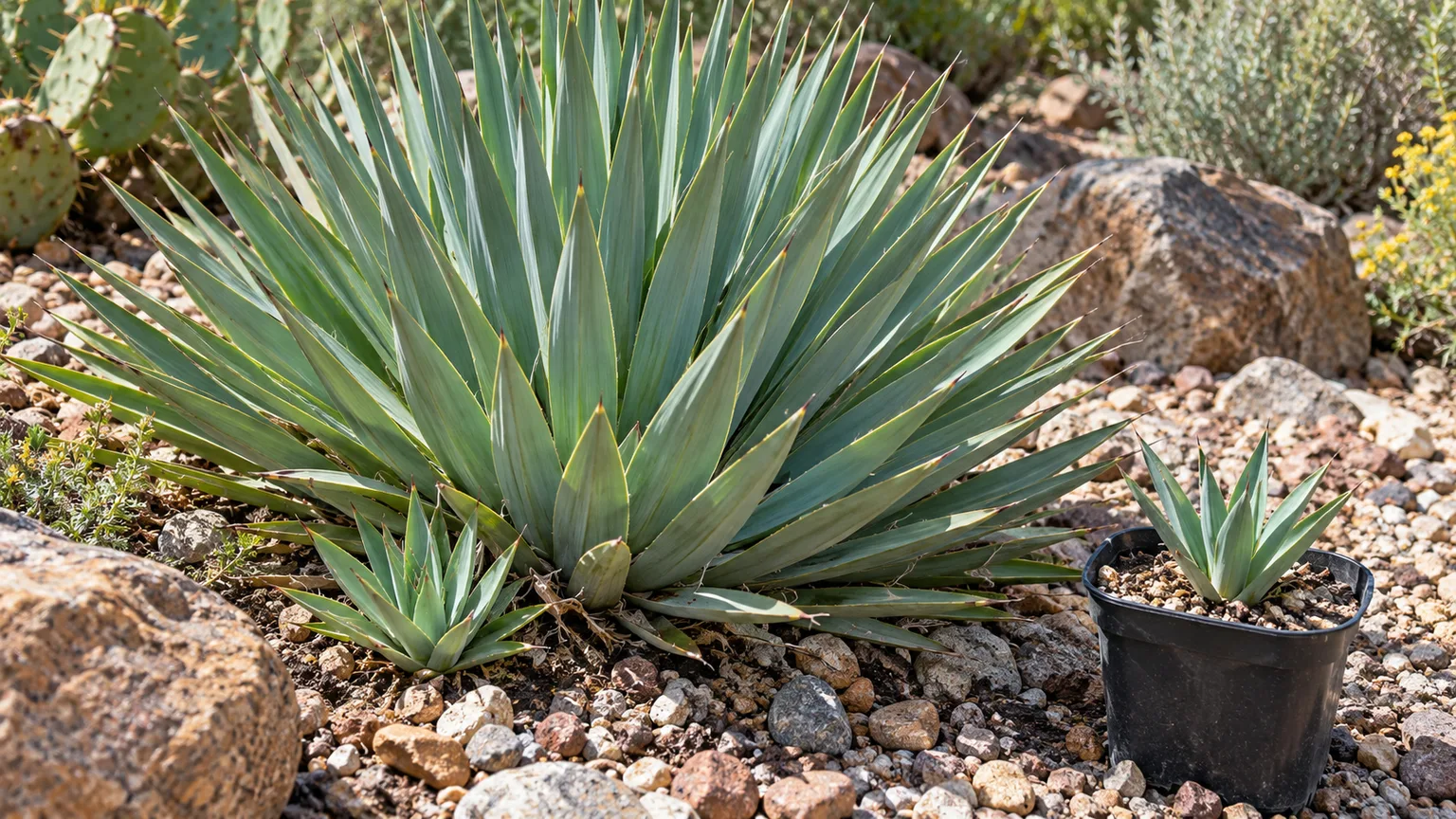
The most practical way to make another banana yucca is to separate a rooted offset from an established clump. Choose a pup with its own roots and enough leaf growth to handle; a small, rootless rosette may take longer to settle in. Work in spring or early summer while the plant is actively growing, when a division has time to establish before cold weather.
Divide an Offset; Sow Seed for More Plants
Wear the same protective gear used for pruning, then expose the soil around the chosen offset with a hand spade. Follow the narrow connection back to the parent and cut through it cleanly, keeping as much of the offset’s own root system as possible. Replant at the same depth in draining soil, firm the root zone, and water once to settle it; keep it lightly moist while roots establish, never saturated.
If the offset has a fresh cut surface, let it air-dry briefly before planting rather than placing a wet wound into soggy mix. Do not divide every pup at once: leaving some attached preserves the parent clump’s shape and reserves growth if the new division fails. A detached leaf by itself is not a dependable shortcut for this stemless species; choose an offset that includes the crown and roots.
Seed is slower and less predictable but useful if you want several plants. A pod forms only after successful pollination, so use mature seed from a reputable source if your garden does not produce fruit. Sow in a clean, fast-draining seed mix, keep the medium lightly and evenly moist rather than waterlogged, and provide warmth and bright light; germination can take several weeks or longer and may be uneven. Grow seedlings on until they have a sturdy root system before moving them outdoors, and acclimate them gradually to full sun.
Troubleshoot Rot, Brown Tips, and Missing Flowers
A soft or darkening crown, a foul smell at the base, or leaves collapsing from the center suggest a more serious issue than a few brown leaf tips. Stop irrigation, check whether water is pooling around the plant, and redirect runoff or move a potted plant into fresh draining mix if the roots are compromised. If the crown itself is mushy, recovery is uncertain; remove rotted tissue only with clean tools and avoid replanting into the same saturated pocket.
Brown tips have several possible causes, so check the whole plant before changing the watering routine. If only a few outer leaves are affected, they may simply be old or physically damaged. If new leaves are bleached or scorched on the sun-facing side after a move, provide temporary light afternoon shade and acclimate the plant more gradually. If the crown is firm and the soil drains, do not flood the plant in response to cosmetic damage.
Spider mites are more likely to become noticeable in hot, dusty, stressed conditions. Look for fine webbing and pale stippling on leaf surfaces rather than assuming every web is a pest; outdoor spiders may make harmless webs nearby. Rinse accessible foliage with a controlled stream of water and improve plant vigor by correcting drought stress or dust buildup. If damage continues, identify the pest and use only a product labeled for the site and plant; routine insecticide sprays are not a substitute for diagnosis.
A plant that has not flowered may still be young or may be spending energy on roots after transplanting. Confirm it receives enough sun, has not been recently divided, and is not growing in persistently wet soil. Then give it time. A fertilizer spike, excessive watering, or cutting healthy leaves is unlikely to make flowering happen sooner.
Conclusion
Banana yucca grows best when you choose the site before you choose the watering schedule: give it sunlight, room for its sharp leaves, and a root zone that drains after rain. Water more thoughtfully during establishment, then reduce irrigation as the clump matures and weather cools. With a dry winter footing, occasional cleanup, and careful handling, Yucca baccata can remain a distinctive, low-maintenance feature for many years.