Philodendron Care Indoors: Varieties, Light, and Water
Learn philodendron care indoors, from climbing heartleaf types to upright Birkin and Congo plants, with light, water, soil, support, propagation, and pet-safety guidance.
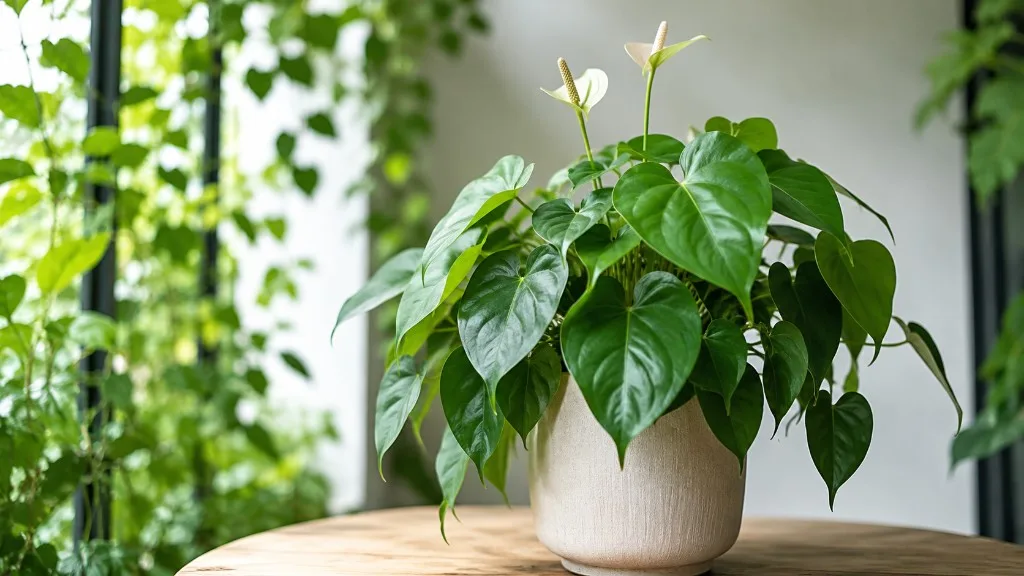
Philodendron is one of the largest and most forgiving houseplant genera you can grow indoors, but only after you stop treating every plant in the group the same way. A trailing heartleaf philodendron, a velvet-leaved climber, and a self-heading Birkin all share the Araceae family and a preference for warm, filtered light, yet they need different pots, support, and watering rhythms. The Royal Horticultural Society philodendron growing guide describes these plants as long-lived tropical foliage houseplants that range from huge upright specimens to slender climbers, which is exactly why a one-size care card fails in real homes.
If you are shopping for your first philodendron or trying to revive a leggy vine, start by identifying growth habit before you buy a moss pole, hanging basket, or oversized floor planter. That single decision prevents most of the yellow leaves, soggy soil, and cramped upright plants that make beginners think philodendrons are fussy when the setup was simply mismatched.
What Makes Philodendrons Different From Pothos and Monstera
Philodendrons belong to the aroid family alongside pothos, Monstera, peace lilies, and anthuriums. In the wild, many are hemiepiphytes: they may begin on the forest floor and climb toward brighter canopy light, or germinate on a branch and send roots down to soil. Indoors, that history explains aerial roots, node spacing, and why a supported climber often produces larger leaves than the same plant left to trail from a shelf.
Buyers frequently confuse philodendron with pothos because both can trail and both tolerate average home conditions. A practical distinction is the cataphyll, the dry sheath that wraps a new philodendron leaf as it unfurls; pothos does not produce this papery sleeve. Philodendron leaves also tend to be thinner and smoother, while pothos often feels slightly thicker or more waxy. Node spacing is another clue: many philodendrons carry one leaf per node in a more regular pattern, whereas pothos internodes can look more irregular on long vines.
Monstera overlap causes a second common mix-up. Split-leaf tree philodendron (Philodendron bipinnatifidum, sometimes still sold as P. selloum) produces deeply lobed leaves that resemble Monstera from a distance, but it is a different genus with different mature size and support needs. If fenestrations and Swiss-cheese holes are your goal, you want Monstera; if you want a philodendron, choose based on whether you need a climber, a self-header, or a terrestrial crawler.
Climbing, trailing, and self-heading habits
Climbing or trailing philodendrons produce a stem with nodes and aerial roots. They can hang from a basket, run along a mantel, or climb a moss pole or trellis. Supported stems often develop larger leaves and shorter internodes than vines left to wander in dim corners. Examples include heartleaf types, Brasil, micans, Pink Princess, melanochrysum, and many collector hybrids.
Self-heading or upright philodendrons grow from a central crown and spread outward rather than producing one long wandering vine. They usually need tabletop or floor width, not height on a pole. Birkin, Rojo Congo, Imperial types, and many Xanadu-style plants fit here. Forcing them up a moss pole rarely improves their form and can crowd new leaves.
Terrestrial crawlers such as gloriosum run horizontally along the soil surface. Their rhizome should sit on top of the mix, not buried, and they need a wide shallow container rather than a tall narrow one. Treating a crawler like a standard upright houseplant is one of the fastest ways to rot the stem.
Philodendron care at a glance
| Need | Practical indoor target |
|---|---|
| Light | Bright, indirect or filtered light for most types |
| Soil | Chunky, well-drained, slightly acidic mix |
| Water | When the upper 1–2 inches of mix are dry |
| Temperature | Roughly 65–80°F day; avoid sustained below 55°F |
| Humidity | Average home is fine; higher helps thin or velvety leaves |
| Feeding | Diluted complete fertilizer during active growth |
| Support | Useful for climbers; usually unnecessary for self-headers |
| Safety | Toxic if chewed; sap can irritate skin |
These targets are starting points, not a calendar. A philodendron in a bright bathroom will dry faster than the same cultivar in a dim guest room, and a self-heading plant in a large cachepot will stay wet longer than a small hanging basket. The sections below translate the table into decisions you can make week to week.
Choose the right indoor light
Most philodendrons grow best in bright, indirect light: enough illumination for steady new leaves without exposing foliage to harsh direct sun through glass. The RHS recommends positioning plants in bright but indirect light and keeping them out of direct summer sun that can scorch leaves. In a home, that often means a few feet from an unobstructed east window, or behind a sheer curtain on a south or west exposure.
Green heartleaf philodendrons tolerate lower light better than heavily variegated cultivars. A Pink Princess, White Princess, or Birkin with significant pale tissue needs more usable light to maintain pattern and growth speed. Low light does not mean a dark hallway; it means the plant may survive while producing smaller leaves, longer gaps between nodes, and vines that lean sharply toward the brightest source.
Reading east, north, and west windows
An east window is often the most forgiving placement for philodendrons because morning sun is gentler and the plant receives bright light for part of the day. A north window can work for green heartleaf types if the room is otherwise bright, but variegated plants may slowly lose contrast there. West and south windows can be excellent with diffusion or distance; watch for midday heat and sunburn on leaves that were grown in a shaded nursery.
If you move a plant closer to a window, acclimate gradually over one to two weeks. Sudden jumps from a shop shelf to intense sun produce bleached patches, tan crispy spots, or wilted leaves even when the soil is moist. Rotate the pot a quarter turn every week or two so growth does not lean into a single direction. When natural light is weak in winter, a full-spectrum grow light several inches above the canopy can stabilize growth without baking the leaves against hot glass.
Soil, pots, and drainage
Philodendrons prefer a loose, well-drained, slightly acidic potting mix rich in organic matter. The RHS suggests a blend such as two parts orchid bark mix to one part peat-free ericaceous compost, targeting roughly pH 5–6. You do not need an exact recipe, but you do need aeration: coarse bark, perlite, pumice, or chunky coco chips keep roots from suffocating in a dense, waterlogged block.
Every container must have a functional drainage hole. A decorative outer pot is fine only if you empty runoff after watering. Philodendrons are not pond plants; roots that sit in stale water invite root rot, fungus gnats, and chronic yellow lower leaves. When repotting, move up only one pot size. An oversized new pot holds moisture too long around a small root ball, which is especially risky in autumn and winter when growth slows.
Over time, salts from tap water and fertilizer can accumulate in the mix. If leaf tips brown despite good humidity, or if a white crust appears on the soil surface, flush the pot by watering thoroughly until water runs freely from the drainage holes, or refresh the mix at the next repot. Bloomscape and other grower care guides consistently emphasize discarding saucer water after each watering, which is a simple habit that prevents many self-inflicted root problems.
Water when the root zone dries
Water philodendrons when the upper inch or two of mix is dry and the pot feels noticeably lighter. Insert a finger, a bamboo skewer, or a moisture meter near the root ball, then water thoroughly until excess drains out. The interval might be every five to ten days in bright summer growth, or every two to three weeks in a cool, dim winter room. Calendar watering fails because light, pot size, humidity, and growth habit all change the drying rate.
Both overwatering and underwatering can make leaves droop, which is why leaf posture alone is a weak diagnostic. If the mix is wet and the plant looks limp, suspect root stress, compacted soil, or a pot without drainage. If the mix is dry and the plant perks within a few hours of watering, drought is the more likely cause. Self-heading types in large pots often dry more slowly than small trailing baskets; adjust expectations accordingly.
Use room-temperature water when possible. In hard-water areas, filtered or rainwater helps maintain soil acidity over time, as the RHS notes for long-lived houseplants. Reduce watering frequency in low winter light, but do not assume dormancy means never watering; roots still need moisture, only less of it and less often.
Temperature, humidity, and feeding
Philodendrons are tropical plants that appreciate warm, stable indoor temperatures, generally between about 65 and 80°F during the day. The RHS advises keeping them above 15°C (59°F) and away from cold drafts and hot radiators. Prolonged exposure below roughly 55°F can stunt growth and damage leaves, especially on newly purchased plants moved through cold weather without protection.
Average household humidity is acceptable for many green philodendrons. Higher humidity encourages larger leaves on thin or velvety types such as micans and melanochrysum, but humidity cannot compensate for saturated soil. A humidifier is more reliable than misting, which evaporates quickly and can spread foliar disease if done late in the day on crowded shelves. A pebble tray works when the pot sits above the waterline on stones, not in standing water.
Feed during active growth, typically spring through early autumn, with a balanced liquid houseplant fertilizer diluted to label strength. Apply to moist soil, never to bone-dry roots, to reduce salt burn risk. Reduce or pause feeding in dim winter months when the plant is not producing new leaves. Extra fertilizer will not fix low light, revert variegation, or rescue rotting roots; it only adds salts when the plant cannot use them.
Popular philodendron varieties for indoor growing
The genus contains hundreds of species and cultivars; only a fraction appear regularly in houseplant shops. The list below focuses on types you are likely to encounter indoors, with honest notes on difficulty, space, and light needs. For cultivar-specific routines, see dedicated guides such as Pink Princess philodendron care, Brasil care, micans care, Birkin care, and gloriosum care.
Trailing and climbing types
Heartleaf philodendron (Philodendron hederaceum and related heart-shaped cultivars) remains the most forgiving entry point. It tolerates moderate light, roots easily from cuttings, and works in hanging baskets or on shelves. It is still toxic and still needs drainage, but it forgives occasional drought better than many collector types.
Brasil adds a lime-green stripe to heart-shaped leaves and needs enough light to keep variegation crisp; dim rooms produce greener, less contrasted foliage. Micans offers velvety bronze-green leaves that show their best color with bright filtered light and stable support. Pink Princess (P. erubescens cultivar) is a climber prized for pink variegation; it needs bright indirect light, careful watering, and realistic expectations because new growth can revert toward green.
Melanochrysum and billietiae appeal to collectors who can provide warmth, humidity, and a moss pole; they are not harder because they are rare, but because they punish wet, stagnant air and low light more quickly than heartleaf types. Florida Green and related hybrid climbers combine lobed foliage with vining habit and benefit from vertical support early.
Upright and self-heading types
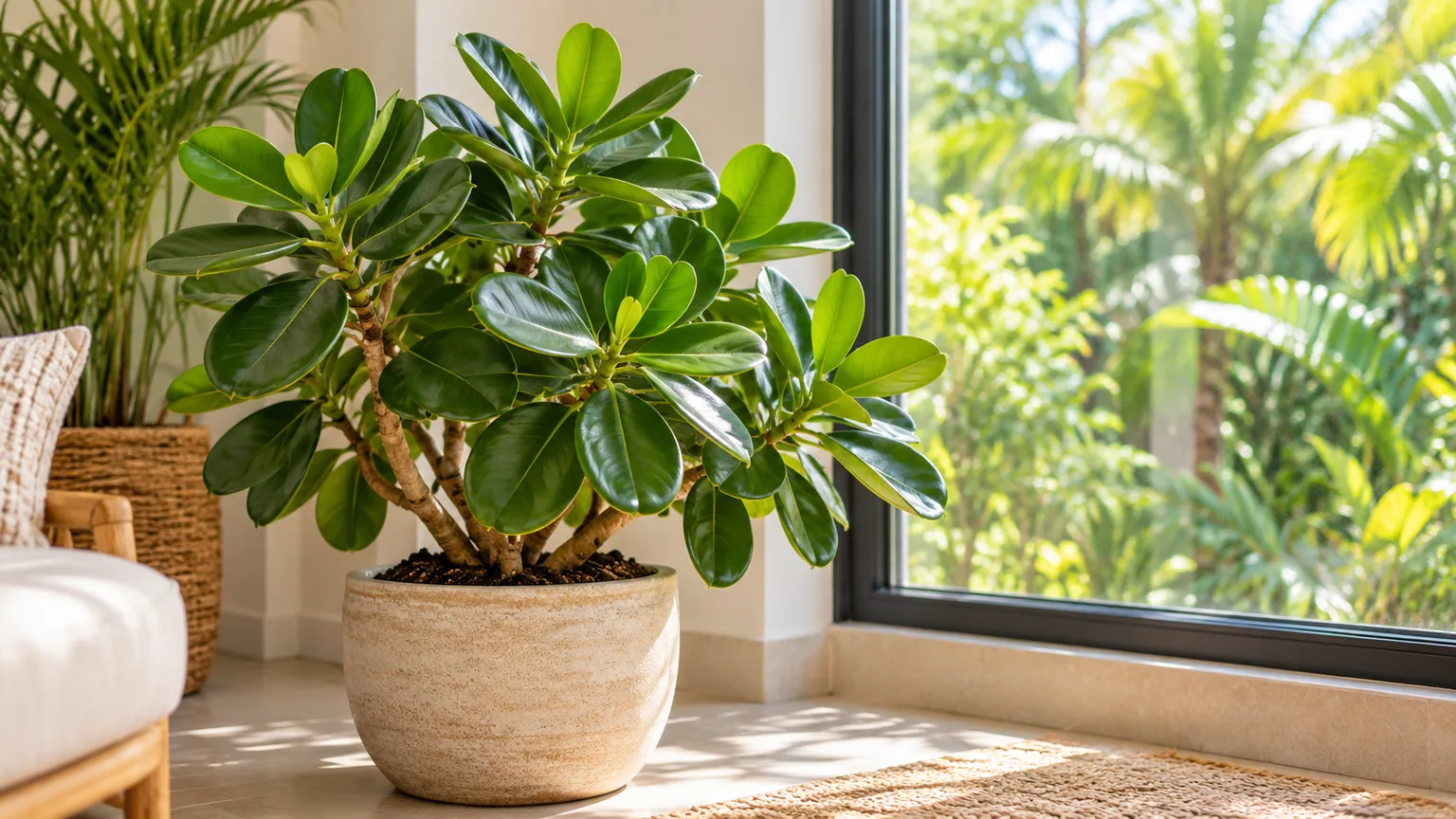
Birkin is a compact self-heading cultivar with white pinstripes on dark green leaves. It does not need a pole, but it does need bright filtered light and room for new leaves to unfurl without hitting a wall. Rojo Congo and Imperial Red produce large colorful new leaves that mature to deep green; they make bold floor plants when given width and consistent care.
Tree philodendron (P. bipinnatifidum) can become a substantial indoor specimen with deeply lobed leaves. Plan for floor space and a heavy stable pot. Xanadu and similar compact split-leaf types stay smaller and suit bright corners where a full tree philodendron would overwhelm the room.
Gloriosum is not a climber despite its dramatic leaves; it crawls along the soil. Give it a wide shallow container, keep the rhizome on the surface, and avoid burying the stem. Forcing gloriosum up a pole is a common mistake that leads to stem rot.
Moss poles, pruning, and shaping
Climbing philodendrons do not need a moss pole to survive, but support can improve form and leaf size when light and watering are already correct. A pole is not a substitute for brightness. Attach stems loosely with soft ties, guiding aerial roots toward moist sphagnum or coco fiber if you want them to anchor. Keep the pole moist during active growth, but do not let the main pot stay waterlogged just because the pole is wet.
Prune long or leggy vines in spring or early summer when the plant is entering active growth. Cut just above a healthy node with clean shears, and use the trimmings for propagation. Remove yellow or damaged leaves at any time of year. On variegated vines, you may prune back a fully green revert to a node that still shows desired color, but leave enough green tissue for the plant to photosynthesize.
Self-heading types rarely need structural pruning beyond removing damaged leaves. If an upright plant becomes lopsided, rotate it toward the light rather than staking leaves unnaturally. Wipe dust from broad leaves with a damp cloth so the plant can use available light efficiently, especially near windows and vents.
Propagating philodendrons
Philodendrons propagate readily from stem cuttings that include at least one node. A leaf alone, even a beautiful one, cannot produce a new plant because roots and shoots emerge from nodes, not from leaf tissue alone. Take a cutting roughly four to six inches long, cut just below a node, and remove lower leaves so one or two leaves remain at the tip.
Root the cutting in water, moist sphagnum, perlite, or airy potting mix with the node in contact with moisture and the leaf held above it. Change water every few days if propagating in a glass, and pot up when roots are several inches long and beginning to branch. Spring and early summer give the fastest results because day length and warmth support new growth.
Division works when a mature plant produces offsets with their own roots. Water the parent well the day before, gently tease the root ball apart, and pot each section immediately into fresh mix. Keep humidity slightly higher and light bright but indirect until new growth appears. Propagation is an excellent way to fill out a sparse basket or replace a vine lost to rot, provided you start from healthy tissue.
Repotting schedule and technique
Repot philodendrons when roots circle densely inside the pot, growth slows despite good light, or the mix collapses and dries unevenly. For many plants that means every two to three years, though fast-growing climbers in small pots may need annual upgrades. Spring and early summer are the safest windows because roots reestablish quickly in warm, bright conditions.
Choose a pot only slightly larger than the current root ball. Place fresh airy mix at the bottom, set the plant so the crown sits at the same depth as before, and fill around the sides without packing the mix into a concrete block. Water thoroughly once, then let the plant settle in bright indirect light without fertilizer for a few weeks. Avoid repotting a stressed, cold, or visibly rotting plant until you have removed damaged roots and allowed healthy tissue to callus.
Pests, diseases, and prevention
Healthy philodendrons resist most problems, but mealybugs, scale, spider mites, thrips, and aphids can appear on stressed plants. Inspect leaf undersides, stem joints, and new growth weekly. Sticky residue, fine webbing, pale stippling, or distorted young leaves are early warnings. Isolate affected plants, remove visible pests with a damp cloth or rinse, and treat with insecticidal soap or horticultural oil labeled for indoor use, repeating on the schedule the label requires.
Dasheen mosaic virus and other mosaic diseases affect aroids and can spread through contaminated tools, aphids, or infected cuttings. Mosaic shows as yellow streaking, mottling, or distorted growth that does not improve with better watering. Infected plants should be discarded rather than propagated because there is no cure and nearby Monstera, pothos, and other philodendrons are at risk. Sterilize shears between plants and buy from reputable sources to reduce introduction risk.
Fungus gnats are often a symptom of overwatering, not a primary enemy. Let the surface dry more between waterings, avoid leaving saucers full, and address adult gnats with sticky traps while correcting the wet root zone that sustains larvae.
Yellow leaves, brown tips, and root rot
Yellow leaves usually trace back to water, light, or age. Older bottom leaves yellow naturally as the plant grows; remove them if unsightly. Widespread yellowing with wet soil points to overwatering, poor drainage, or root rot. Yellowing with very dry soil suggests drought. A plant in too little light may yellow slowly while producing leggy new growth.
Brown leaf tips and edges can follow low humidity, inconsistent watering, salt buildup, cold drafts, pest damage, or direct sun on variegated tissue. Fix the most likely root-zone or placement issue first before chasing humidity tricks. Pale variegated sectors contain less chlorophyll and brown more easily than solid green leaves.
Root rot announces itself as sour soil smell, black mushy roots, soft stems, or sudden collapse despite wet mix. Unpot the plant, trim rotted tissue back to firm white or tan roots, and repot only healthy sections into fresh airy mix. If little root mass remains, take a healthy node cutting as insurance. Do not return the plant to the same oversized pot or dense mix that created the problem.
Toxicity around pets and children
Philodendrons contain insoluble calcium oxalate crystals that irritate mouth, tongue, and digestive tissues when chewed. The ASPCA lists heartleaf philodendron as toxic to cats and dogs, and the same compound group applies broadly across the genus. Sap can also irritate sensitive skin, so wear gloves if you react to plant juices and wash hands after pruning.
Keep plants off floor-level shelves that curious pets can reach, and teach children not to chew houseplant leaves. Symptoms may include drooling, pawing at the mouth, vomiting, or swelling. Contact a veterinarian or animal poison-control service promptly after suspected ingestion. Human poison-control centers can advise on child exposure. For a deeper safety overview, see philodendron toxicity.
Conclusion
Philodendrons reward indoor growers who match habit to setup: climbers and trailers for baskets, poles, or high shelves; self-headers for tabletops and floor space; crawlers for wide shallow pots. Bright filtered light, chunky well-drained soil, and watering driven by dryness in the upper root zone keep most varieties steady through the seasons.
Before you buy another cultivar, identify whether you are growing a vine, an upright plant, or a crawler, then choose light and pot size accordingly. Once that framework is in place, propagation, pruning, and pest control become straightforward extensions of the same routine rather than a pile of conflicting tips. That is when philodendrons stop feeling like a mystery genus and start behaving like the adaptable houseplants they are.