Snowdrops: How to Plant and Grow Them in Your Garden
Learn how to grow snowdrops, choose dry bulbs or plants in the green, find a suitable site, and protect the leaves that fuel next year’s early blooms.
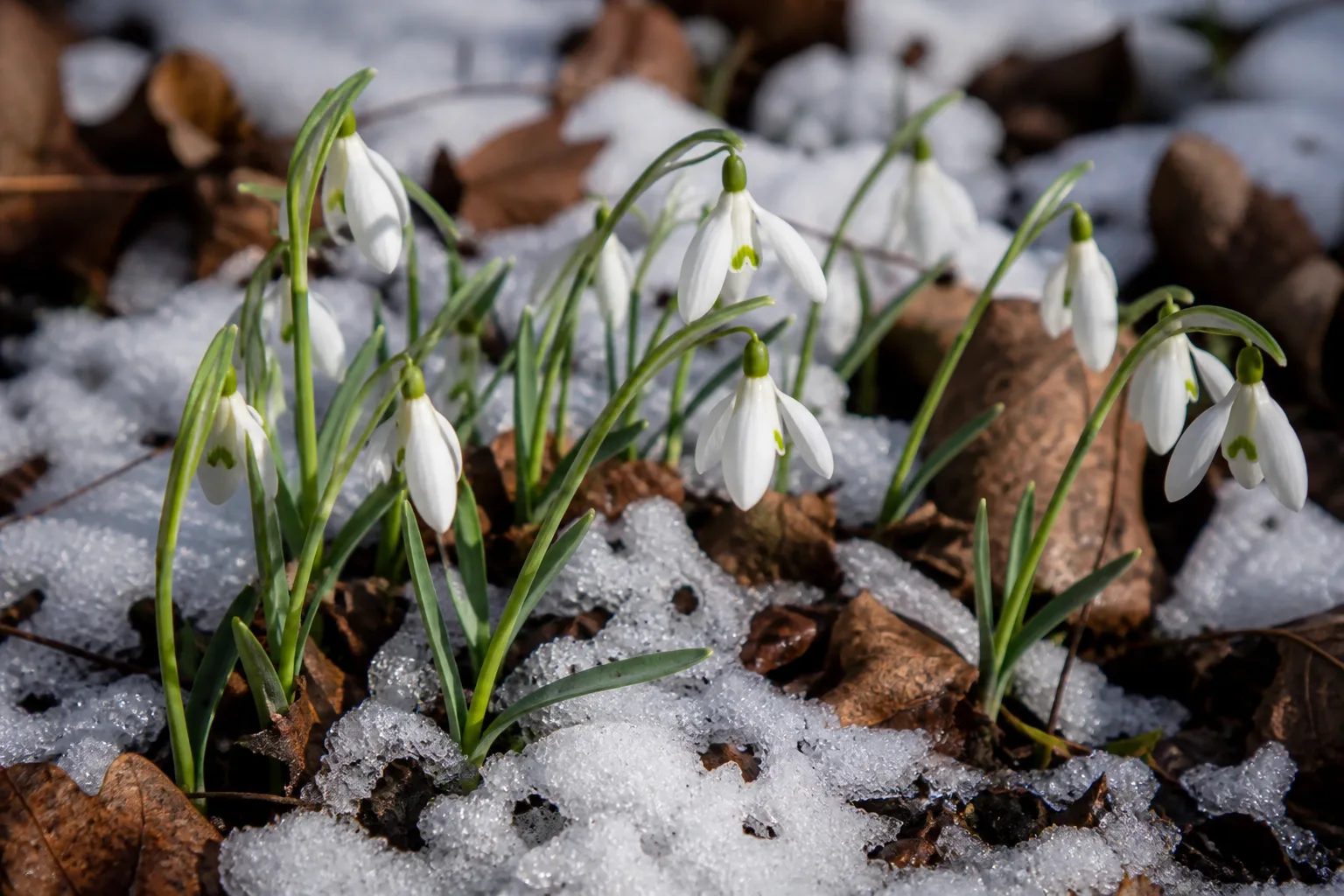
Snowdrops are small, white, bell-shaped flowers that can appear while winter still has a grip on the garden. Their timing is the main attraction: a cluster of Galanthus can bring a first sign of spring to a shady bed before most perennials wake up.
Flowerbulb.eu named snowdrops its 2025 Fall Bulb of the Year. That was a campaign designation, not the name of a new cultivar or a scientific award, and it is not a reason to buy whatever bulbs are left on a shelf. If you are planting now, the useful question is whether your site and planting stock suit snowdrops, and whether dormant bulbs or leafy plants will give you a better start.
What the 2025 title means—and what it doesn’t
The “Fall Bulb of the Year” label came from Flowerbulb.eu, a flower-bulb information and promotion organization. Its campaign highlighted Galanthus for its early flowers and garden use, but the title does not identify one particular snowdrop or certify that every snowdrop bulb will thrive in every region. The organization’s 2025 announcement is useful for confirming the campaign; for care, it is better to combine regional horticulture advice with the description of the species or cultivar you plan to buy.
That distinction matters because snowdrop is a common name for a genus with multiple species and many named cultivars. A small, familiar Galanthus nivalis is not identical in size, bloom timing, or performance to a larger species such as Galanthus elwesii, and a cultivar may have a different flower form or ability to set seed. Look for the botanical name and cultivar on the label rather than assuming a generic “snowdrop” packet promises a particular display.
Why snowdrops are valuable in the early-spring garden
Snowdrops deliver their best value before the garden is fully awake. The nodding flowers are easy to see against bare soil, leaf litter, or a thin layer of snow, and their short stature works at the front of a border, along a woodland path, or beneath deciduous shrubs. Their white petals and small green markings create a quiet display rather than a tall focal point, so a cluster reads more clearly than one isolated bulb.
Their season also makes them useful in a layered planting. Early bulbs can flower while tree branches are still open, then allow later perennials and groundcovers to take over as the canopy fills in. Pair them with other early bloomers such as crocuses or winter aconites when you want a longer sequence of spring color, but leave enough open ground for each clump to receive light and air.
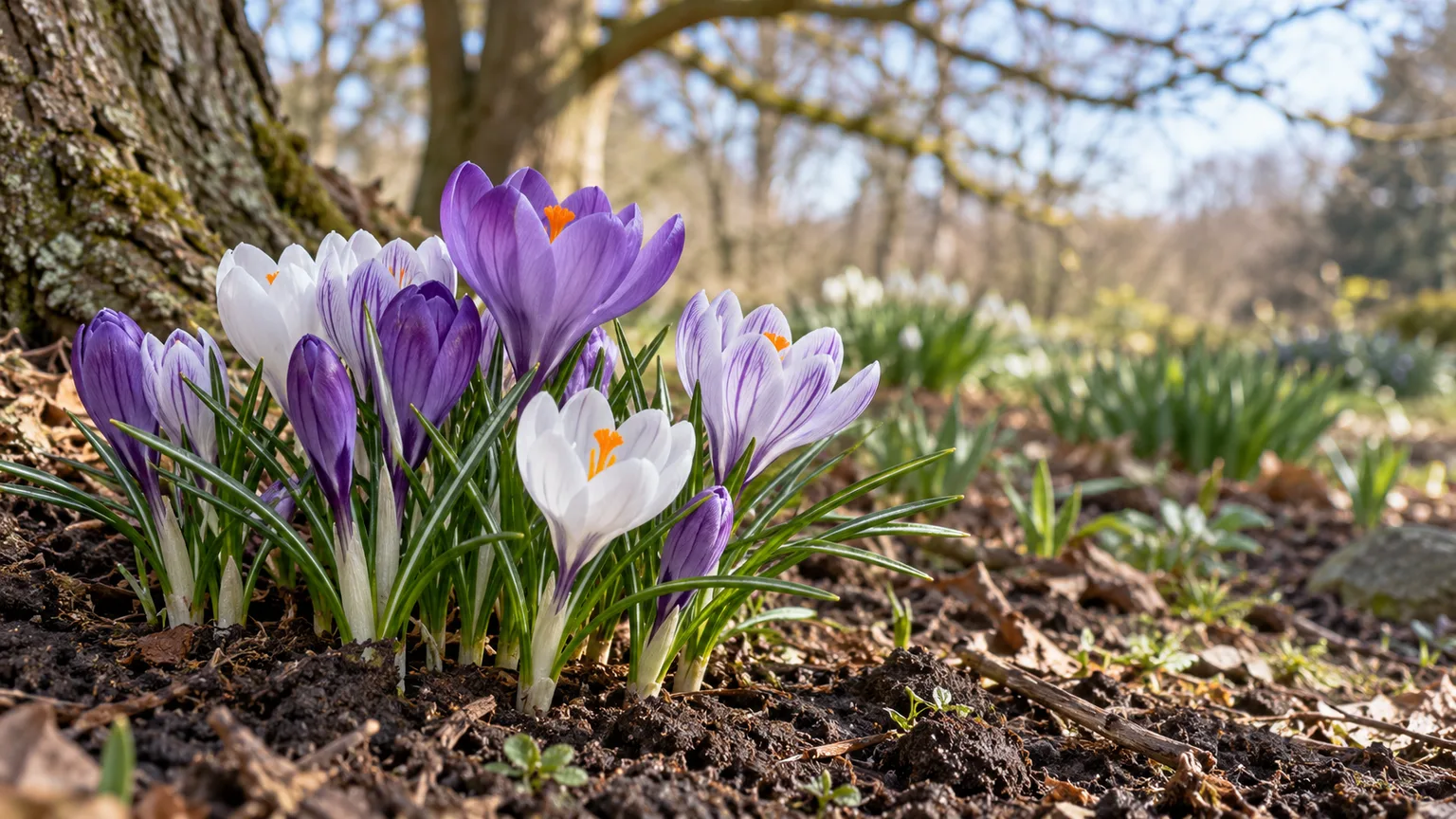
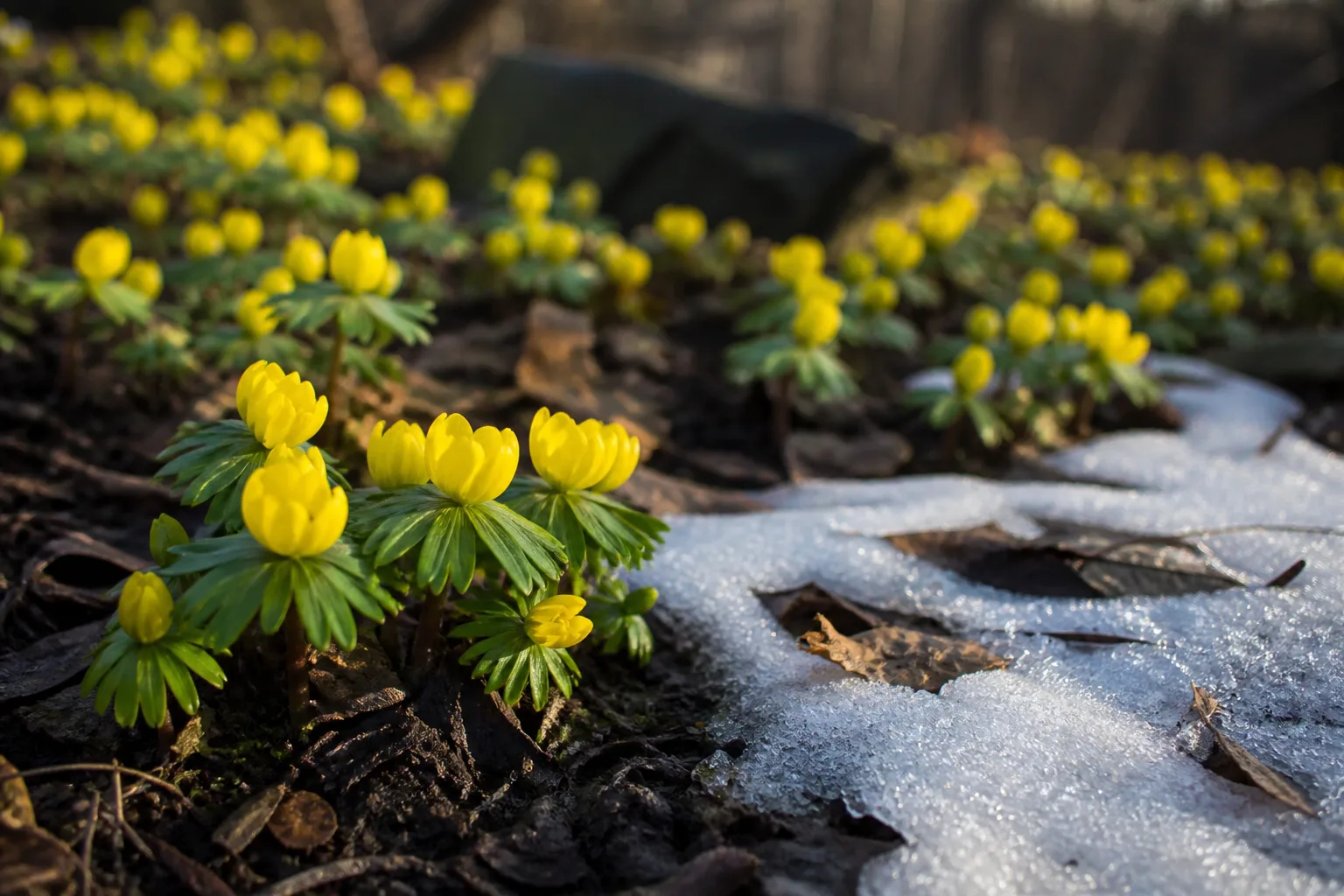
The timing is not identical everywhere. Snowdrops often flower in late winter or early spring, but local temperatures, exposure, elevation, and species affect the calendar. In a mild coastal garden they may open early; a colder inland site can see the same planting weeks later. Plan for a seasonal window, not a guaranteed date.
Choose a snowdrop suited to your garden
If you are new to Galanthus, start with a commonly sold species and a supplier that names it. NC State Extension describes Galanthus nivalis as a small bulbous perennial native to Europe and southwestern Asia, with white flowers in late winter to early spring. That species profile gives you a useful baseline, but a collection label may refer to another species or a selected cultivar.
Compare the stated mature height and flowering period with the place you have in mind. If the flowers need to be seen from a path or lawn edge, a taller species may be easier to notice. If you want a woodland-style drift beneath deciduous trees, the simple white flowers of common snowdrops may be enough; unusual or collectible cultivars are a choice for gardeners who want specific flower shapes or markings, not a requirement for a successful planting.
Species, cultivar, and spread are not the same thing
A named cultivar is a selected clone, so its traits are maintained by vegetative propagation rather than by assuming its seed will come true. Some cultivars are fertile and can contribute seedlings; others are sterile or set little viable seed. Bulb offsets also create new plants, so a sterile cultivar can still form larger clumps over time, though it may not naturalize through seed in the same way.
If your goal is a broad drift, ask the nursery whether the plant is fertile and how it is propagated. A supplier should be able to tell you the exact species or cultivar and whether the stock is sold dormant or in leaf. Choose a reliable, well-adapted species before paying a premium for a rare name; a named collector variety does not automatically make a better landscape planting.
Find the right spot before you buy
Snowdrops prefer soil that stays reasonably moist through the growing season but does not remain waterlogged. NC State Extension lists full sun to part shade and soil with good drainage, including sites that are occasionally wet. In a typical home garden, a deciduous tree or shrub edge is a useful compromise: the planting gets light before the canopy leafs out, then some shade as spring advances.
Check the site in summer, not just during bloom. A dry patch under an evergreen canopy can be too thirsty, while a low point where water sits after rain can rot bulbs. A moist, humus-rich soil with leaf mold or well-rotted compost is helpful, but adding organic matter will not fix poor drainage by itself; if a test hole stays full of water, move the planting to a better-drained spot or use a raised bed.
Consider competition and disturbance. Thick groundcovers, dense perennial roots, frequent hoeing, or regular digging can crowd or damage small snowdrop bulbs. Mark the area after planting and choose a place where spring cleanup, mowing, and later plantings will not cut through the clumps.
Choose fall bulbs or snowdrops in the green
Dry bulbs are sold for autumn planting and can be a practical choice when you want to plant a larger area at once. Their drawback is that small snowdrop bulbs can dry out during storage or shipping, which lowers the odds of establishment. Buy firm bulbs from a seller who handles them well, then plant them promptly instead of leaving the packet in a warm garage for weeks.
“Snowdrops in the green” are live plants dug and sold while their leaves are still present, usually after flowering. Gardens Illustrated and Homes & Gardens both describe this as a useful way to establish snowdrops; visible leaves also make it easier to position each plant and recognize where the bulbs are. The trade-off is timing and availability: you have to plant the leafy clump soon after it arrives, and the stock is usually offered around the post-bloom season rather than in autumn.
Match the planting form to your climate and schedule
Choose dry bulbs if fall planting fits your local conditions, the ground is still workable, and you can install them soon after purchase. Choose plants in the green if you can receive them during their leafy period and plant promptly into moist soil. If you are in a warmer region where common snowdrops may not persist as reliably, ask a regional nursery or extension office whether a particular species or cultivar has performed well locally before placing a large order.
Avoid treating a first-frost countdown as a universal calendar. Bulbs need time to root before the ground freezes, but frost dates, soil temperatures, and fall weather vary by region. The practical rule is to plant dormant bulbs in fall while the ground can still be worked, and to follow the supplier’s regional timing for living plants in the green.
How to plant snowdrops step by step
For dry bulbs, plant at roughly 3 to 4 inches deep, measuring to the base of the bulb, and use the supplier’s directions if they differ for a named species or unusual size. Flowerbulb.eu’s snowdrop profile lists a planting depth of about 10 centimeters to the bulb base, while Homes & Gardens gives a comparable 3-to-4-inch range. Space them close enough to read as a group—often about 2 to 4 inches apart—rather than scattering single bulbs across a large bed.
Set each bulb pointed end up. If the top is hard to identify, plant the bulb on its side; the shoot can orient as it grows. Backfill with the same soil, press gently to remove large air pockets, then water once to settle the planting if the ground is dry. Do not leave the site saturated or waterlogged.
For plants in the green, keep the roots and bulbs together as a clump, set the plant at the depth it was growing before, and water it in. Gardens Illustrated advises planting soon after delivery and keeping the roots moist if you cannot plant immediately. Do not split a small bundle into tiny pieces just to make more planting points; each division needs a bulb and roots, and a stressed, drying division may establish poorly.

Make a natural-looking drift
Instead of lining bulbs in a rigid row, plant small clusters in repeated pockets. One easy method is to toss a handful over the prepared area and plant each bulb where it lands, shifting any bulb that falls into a path or too close to a tree root. This creates an irregular pattern that looks more like a colony than a row of dots.
Keep a map or add a discreet marker for the first year. The bulbs are small and can disappear under foliage, so a clear planting record helps prevent accidental digging. If you want to combine them with crocuses or winter aconites, repeat each plant in separate but overlapping patches instead of mixing everything into one dense hole; that gives each species room to grow and makes later division easier.
Care for snowdrops through the year
Once established in a suitable site, snowdrops need little routine intervention. Keep the soil from drying severely during active growth, especially in the first growing season, but do not water on a schedule when rain has kept it moist. A thin layer of leaf mold or compost can improve the surface and mimic woodland leaf litter; avoid burying the shoots under a heavy mulch.
Fertilizer is usually not the first fix for a weak display. If the soil is poor, improve it gently with finished compost or leaf mold rather than giving a strong dose of fast-acting fertilizer. If clumps flower less well, first check whether the site has become too dry, shaded, crowded, or disturbed; feeding cannot compensate for the wrong conditions.
The foliage disappears naturally after flowering. That seasonal dieback is part of the plant’s cycle, not a sign that the bulbs have failed. Let the leaves remain visible until they yellow and collapse on their own, and avoid repeatedly disturbing the soil around the clump.
Let the leaves finish after flowering
After the flowers fade, green leaves continue photosynthesis and replenish the bulb for next year’s growth. Do not cut, braid, or mow them while they are still green. In a lawn or path edge, plant snowdrops where you can leave the foliage alone until it yellows; if that is impossible, a bed or woodland edge is a better site.
You can remove spent flowers if you want to limit seed formation, but it is not necessary for a tidy planting. If you want seedlings to help a fertile variety spread, leave the flowers and developing seed capsules in place. Either way, keep the leaves intact until they die back rather than trying to force the site to look neat too soon.
How snowdrops spread—and when to divide them
Snowdrops spread in two ways: established bulbs make offsets, and fertile plants can produce seedlings. The offset route enlarges a clump gradually; seed offers more plants across a wider area but takes time. A new planting may look sparse for several seasons, especially when you start with a small number of bulbs or choose a cultivar that does not set viable seed.
When a clump becomes congested or flowering declines, lift and divide it after bloom while the leaves are still visible. Separate the bulbs gently, keeping roots attached where possible, and replant them promptly at their original depth in moist soil. This is also the easiest moment to spread a healthy clump into nearby open pockets without guessing where the bulbs are.
Do not divide on a fixed annual schedule. Small clumps need time to establish, and unnecessary lifting can set them back. If the planting is flowering well and has room, leave it alone; divide only when the group is crowded, you want to move it, or you want to extend a successful drift.
Cold tolerance, bloom time, and regional expectations
Snowdrops are associated with cold-weather gardens because their flowers can emerge in late winter, but “cold tolerant” does not mean every species is right for every climate. NC State Extension notes that Galanthus nivalis seeds need a cold spell below 20°F to germinate and that the plant may have a shorter lifespan in warmer climates. Its plant profile lists a broad range of hardiness zones, but a listing is not a guarantee for every cultivar, microclimate, or local summer.
In a cold region, planting in fall while the soil is workable gives dormant bulbs time to root before winter. In a mild region, the more important questions may be whether the species receives enough seasonal chilling, whether summer soil dries too much, and whether the supplier has stock adapted to warm conditions. If snowdrops are unreliable in your area, treat them as an experiment in a small, well-chosen site rather than buying a large quantity.
Bloom timing also shifts. A sunny spot under bare deciduous branches may warm earlier than a deep north-facing bed, and an unusually warm winter can advance flowering. Use the plant as an early-season accent, not as a precise date marker or predictor of future weather.
What snowdrops offer pollinators
Early flowers can provide forage at a time when few garden plants are open. NC State Extension identifies snowdrops as bee-pollinated and includes them in pollinator garden uses. In a mild spell, visiting bees may use the flowers; on cold or wet days, pollinator activity will be limited regardless of what is blooming.
Snowdrops should be one part of a broader planting plan rather than the entire pollinator garden. In North America, Galanthus nivalis is native to Europe and southwestern Asia, though NC State Extension notes it has naturalized in parts of the United States. If supporting local wildlife is a central goal, pair it with regionally appropriate native early bloomers and keep a mix of spring-through-fall flowers available.
The campaign’s marketing language has sometimes described snowdrops as a uniquely essential food source or a reliable weather signal. Those claims go beyond what a home gardener needs to decide whether to plant them. Their dependable value is simpler: they can flower early, offer a possible nectar and pollen resource when conditions allow, and add visible interest to a dormant garden.
Common snowdrop planting mistakes to avoid
The most common failure is buying dry bulbs and letting them shrivel before planting. Order from a seller that ships at the right season, inspect bulbs on arrival, and plant them promptly. If a bulb is soft, moldy, or badly shriveled, do not expect it to establish as reliably as a firm bulb.
The next mistake is choosing a site that is either bone-dry or constantly wet. Snowdrops like some moisture, especially while growing, but stagnant water can rot bulbs; deep dry shade can prevent them from establishing. Test the area after rain and consider summer conditions before planting rather than judging by one spring visit.
Planting too shallow, spacing too widely, or cutting foliage early can also delay a convincing display. Follow the supplier’s depth directions, group bulbs rather than scattering singles, and let leaves senesce naturally. Finally, do not expect newly planted bulbs to create an instant carpet; a naturalized patch builds over time and depends on the species, cultivar, site, and care.
How to buy healthy bulbs or plants
Read the botanical name on the label and check whether the stock is dormant bulbs or plants in the green. For dormant bulbs, look for firm, plump specimens without soft spots or mold, and buy from a reputable bulb supplier that ships close to the planting window. Because snowdrop bulbs are small and can dry out, prompt planting matters more than buying a large quantity at a discount.
For plants in the green, check that leaves are attached and roots have not been allowed to dry. Plan the planting site before ordering, then get the plants into the ground soon after arrival. If shipping delays are unavoidable, follow the seller’s holding instructions and keep roots lightly moist rather than soaking the bulbs.
Ask questions before purchasing: Which Galanthus species is this? Is it a named cultivar? Is the cultivar fertile? How large is the mature clump expected to become? Is the stock suited to your climate, and when should it be planted where you live? Clear answers are more useful than a promise that the variety is rare, “weather-proof,” or guaranteed to form a carpet.
One safety note belongs on the buying label: NC State Extension flags the bulbs as toxic if eaten. Store loose bulbs out of reach of children and pets, and do not mistake snowdrops for edible onions or other garden plants.
Is a snowdrop planting right for your garden?
Snowdrops are a good fit if you have a moist but well-drained site, some spring light, and room to leave the foliage alone after flowering. They are especially satisfying beneath deciduous trees, where the early flowers are visible before the canopy closes and where a natural drift can expand without competing with a dense carpet of evergreen groundcover.
They are less suited to a permanently soggy bed, a hot and dry site with no summer moisture, or a lawn you need to mow early in spring. They may also be a poor fit if you want immediate, full coverage from a handful of bulbs. Choose another early bloomer or start with a modest trial group if those conditions describe your yard.
The 2025 campaign title is a useful reminder to look at snowdrops, not a deadline. If fall bulbs are available and the soil is workable, plant them in fall; if your preferred stock is offered in the green, plan for the post-bloom season and plant it promptly. In either case, good siting and patient aftercare matter more than buying in a rush.
Conclusion
Snowdrops earned attention as Flowerbulb.eu’s 2025 Fall Bulb of the Year because they can bring delicate flowers into a garden before most spring plants are awake. Their success still depends on choosing a suitable Galanthus, matching the planting form to your schedule and climate, and giving bulbs a moist, well-drained place where their leaves can finish naturally.
For a reliable start, pick a planting site first, buy clearly labeled stock from a good supplier, and plant dormant bulbs promptly in fall or leafy plants soon after flowering. Give the clumps time to settle before judging how quickly they spread, and divide only when they need space or you want to extend the drift.