How to Grow and Care for Everbearing Strawberries
Learn how everbearing strawberries differ from day-neutral types, when to plant, how to manage first flowers and runners, and how to harvest through the season.
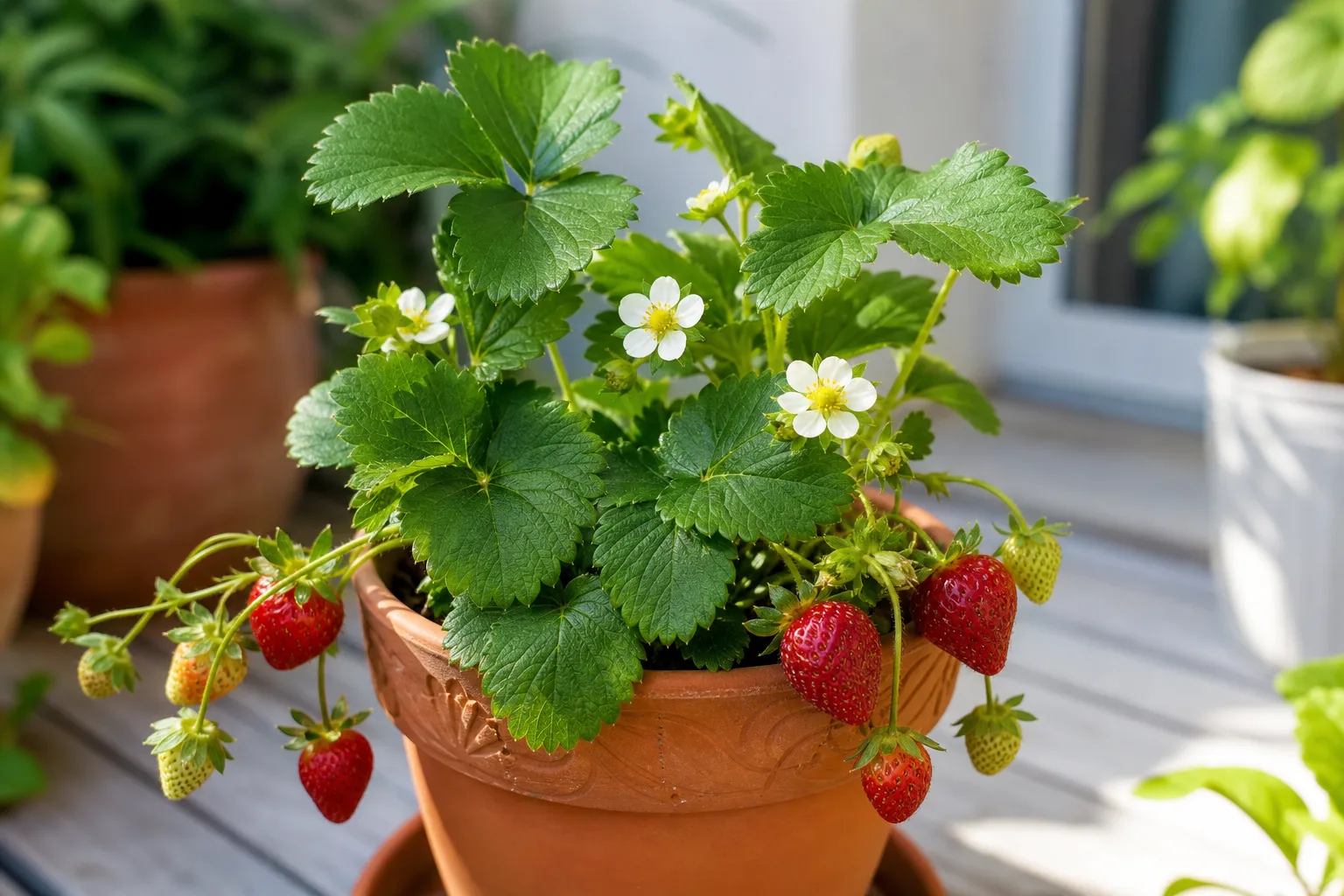
Everbearing strawberries are for gardeners who want fresh berries over a longer stretch of the season instead of one concentrated summer crop. They usually produce in several flushes, not an uninterrupted stream, and the crop depends on cultivar, weather, plant age, and how well the shallow roots stay watered. A long harvest starts with choosing the right kind of strawberry for your region, then letting young plants establish before asking them to carry fruit.
One point clears up much of the confusion: “everbearing” does not mean every strawberry plant with repeat harvests behaves the same way. Some sellers use the term broadly for strawberries that fruit beyond the June crop, while extension publications distinguish everbearing from day-neutral types. Read the variety label and local recommendations before you plan around a particular harvest calendar.
What “Everbearing” Means—and What It Does Not
June-bearing strawberries produce one large, relatively brief crop. Everbearing, also called perpetual-fruiting by some growers, tend to produce smaller flushes over a longer period. Day-neutral cultivars can keep flowering and fruiting as long as conditions suit them, but they still pause when heat, cold, or plant stress interrupts growth. Penn State Extension describes day-neutral harvests as peaks and valleys through summer, and the Royal Horticultural Society likewise describes perpetual strawberries as producing small crops from early summer into autumn rather than one constant supply (Penn State Extension’s strawberry guide; RHS strawberry-growing guide).
| Strawberry type | Usual harvest pattern | What to plan for |
|---|---|---|
| June-bearing | One heavy crop over a few weeks | Best when you want berries in quantity for freezing or preserving |
| Everbearing or perpetual | Several smaller flushes over a longer season | Good for fresh picking over time; fruiting still has pauses |
| Day-neutral | Repeat flowering and fruiting while conditions are favorable | Can crop for months, but heat and frost can stop or slow production |
The names are not applied consistently across nursery catalogs, especially for older cultivars. A variety such as ‘Quinault’ is one cultivar, not a definition for every everbearing strawberry; do not assume every plant sold under that label will give three equal harvests or share the same hardiness. Treat the named variety and the advice from your local extension service as more useful than the marketing category alone.
Choose a Variety That Fits Your Climate
Buy a named, healthy transplant from a reputable nursery, then check whether it is a traditional everbearer or a day-neutral cultivar. Ask your county or regional extension service which varieties handle your summers, winter lows, and common soil diseases. A cultivar that performs well in a cool northern garden may crop poorly through a hot summer farther south, even if both gardens fall inside a broad USDA hardiness range.
Penn State’s home-garden list includes day-neutral cultivars such as Albion, Seascape, Mara des Bois, Tribute, and Tristar, with notes on traits and disease susceptibility. That is a regional reference, not a nationwide ranking: use it to see how specific the choice can be, then ask a local nursery or extension office for varieties that have done well nearby (Penn State Extension’s strawberry variety guide).
Choose based on the job you want the plants to do. If you want berries for weeks of snacking, repeat-bearing plants are a good fit; if you want enough fruit to make jam in a weekend, a June-bearing variety may suit you better. If you have a short season, prioritize a cultivar that ripens reliably before frost; in a hot-summer region, ask about heat performance rather than selecting only for cold hardiness.
When to Plant Everbearing Strawberries
Plant dormant bare-root strawberries in early spring once the soil is workable and excess water has drained away. Potted plants can go in during spring, or in late summer or early autumn where the local climate leaves enough mild weather for roots to establish before winter. The exact calendar date varies by region, so use local planting guidance rather than a single national date; the RHS recommends spring or late-summer-to-autumn planting and notes that establishment before the next fruiting season matters (RHS strawberry-growing guide).
If bare-root plants must wait before planting, keep them cool and shaded so their roots do not dry out. Soak dry roots briefly before planting, spread them through the hole, and water the bed after backfilling. If you plant later than recommended, pay closer attention to moisture while new leaves and roots develop, and do not expect a stressed transplant to produce a full crop immediately.
Give Plants Full Sun and an Airy Site
Choose a place that receives at least six hours of direct sun, has good air movement, and does not stay waterlogged after rain. Full sun supports flowering and sweet fruit; some shade tolerance is not the same as thriving in shade. In a very hot climate, a day-neutral plant may take a midsummer break even when it receives excellent care, so select locally adapted cultivars and keep the root zone cool instead of automatically moving the bed into deep shade.
Avoid low pockets where cold air or standing water collects. Give the plants enough room to reach the crown, remove weeds, and pick berries without brushing through wet foliage; a dense, tangled patch dries slowly and hides ripe or rotting fruit. If your garden has heavy clay, a raised bed can improve drainage and make it easier to keep the planting from becoming crowded.
Prepare the Bed and Set Crowns at Soil Level
Strawberries need fertile, slightly acidic, well-drained soil. Work in mature compost before planting if the bed is poor, and use a soil test to check pH and nutrient needs rather than adding lime, sulfur, or fertilizer by guesswork. Strawberries have shallow roots: Penn State notes that a large share of roots in heavier soil sit in the upper six inches, which helps explain why both drought and waterlogged soil can set plants back (Penn State Extension).
Plant with roots below the surface and the crown—the short central stem where leaves emerge—level with the soil line. A buried crown is prone to rot, while an exposed crown and roots dry out; spread bare roots outward and firm soil around them without packing it hard. For open-ground planting, leave roughly 14 to 18 inches between plants as a practical starting range, then follow your cultivar or local extension spacing if it differs; day-neutral systems that remove runners may be planted differently from beds allowed to fill in.
Water Steadily Without Keeping Roots Soggy
Check moisture in the root zone, not just on the dry soil surface. Water slowly at the base when the soil a couple of inches down is beginning to dry, and adjust for rainfall, temperature, soil texture, and plant size. Because strawberry roots are shallow, a brief dry spell during flowering or fruit swell can affect berry size; constantly wet soil, however, deprives roots of air and encourages rot.
Drip irrigation or a soaker hose is useful because it puts water near the roots while keeping flowers, leaves, and ripe fruit drier. Water in the morning when possible, particularly if overhead watering is unavoidable, so foliage has time to dry. A layer of clean straw around established plants helps moderate soil moisture and temperature; leave the crown uncovered and do not use mulch to compensate for poor drainage (RHS strawberry-growing guide).
Do not treat “one inch of water per plant” as a universal schedule. Measure rainfall if useful, but let the actual bed condition determine whether you water; clay holds moisture longer than sandy soil, and an exposed container may dry between checks. If leaves droop in afternoon heat but perk back up by evening, check soil before adding water, since heat stress and saturated roots can both look like wilting.
Feed for Fruit, Not Excess Leaves
Start with a soil test and moderate soil preparation instead of automatically applying a high-nitrogen lawn or garden fertilizer. Too much nitrogen can produce lush leaf growth without solving poor fruit set, while a thin, pale plant may be short of nutrients, water, or healthy roots. Remove the obvious stress first, then follow a local recommendation or the product label for the crop and growing system.
Day-neutral plants carrying fruit over a long season can need more consistent nutrition than a plant producing one short crop. Penn State Extension notes that their day-neutral fertilizing approach differs from June-bearing strawberries, while the RHS advises that plants in decent, regularly mulched ground often need no extra feed and that container plants may need regular liquid feeding during active growth (Penn State Extension; RHS strawberry-growing guide).
For pots, use a fertilizer labeled for edible fruiting plants and follow its rate and interval; nutrients wash out of containers faster, but doubling the dose is not a shortcut to more berries. If plants are vigorous and leafy but flower poorly, stop adding nitrogen and review light, cultivar, and heat before feeding again.
Decide Whether to Remove the First Flowers
The right answer depends on planting stock and how quickly it establishes. Small bare-root plants or plugs planted early in the season often benefit from having their first flower clusters removed for about four to six weeks, or until new leaves and roots show that the plant is growing strongly. Then stop pinching flowers so the plant can begin its repeat crop.
Regional production guidance may use a calendar instead of a fixed number of weeks. University of Wisconsin–Madison Extension cites a four-to-six-week flower-removal period for day-neutral crops in its Midwest production guidance; Penn State recommends removing day-neutral flowers and runners only through early July in its planting-year schedule, while the RHS says spring-planted perpetual strawberries establish better if their first flush is removed. These approaches share the goal of letting plants establish, but their dates are not interchangeable across climates; cold-stored runners planted in late spring may be allowed to flower when growth is good (University of Wisconsin–Madison Extension; Penn State Extension; RHS strawberry-growing guide).
Do not keep stripping flowers from an established, healthy plant just because it is the first calendar year you own it. If a potted transplant already has a substantial root ball and is growing vigorously, follow the nursery’s advice for that variety; if a plant is weak after transplanting, let it build roots and foliage before asking it to fruit.
Manage Runners Without Crowding the Bed
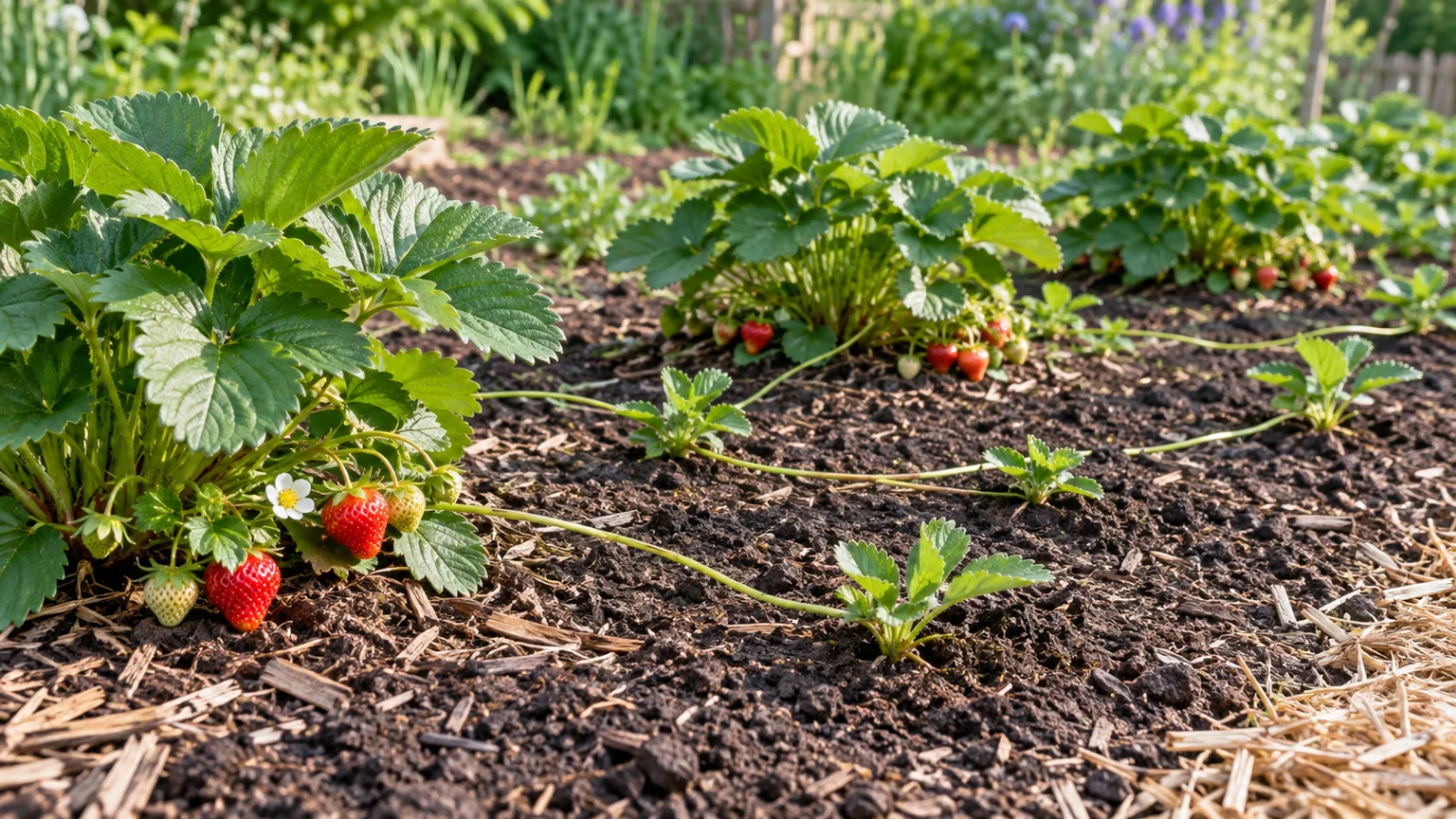
Runners are long stems that form daughter plants where they touch moist soil. They are useful for replacing old plants, but too many runners can crowd the crowns, shade the bed, and make berries harder to find. If your main goal is fruit, clip unwanted runners near the mother plant with clean snips while they are small; you do not need to pull or disturb the strawberry crown.
If you want replacements, root only a few strong daughter plants in small pots or at the edge of an open row, keeping them attached until they have rooted. Once the new plant resists a gentle tug and is growing on its own, cut the connecting runner. Do not let every runner fill the bed by default: a contained row is easier to water, weed, inspect, and harvest.
Grow Everbearing Strawberries in Containers
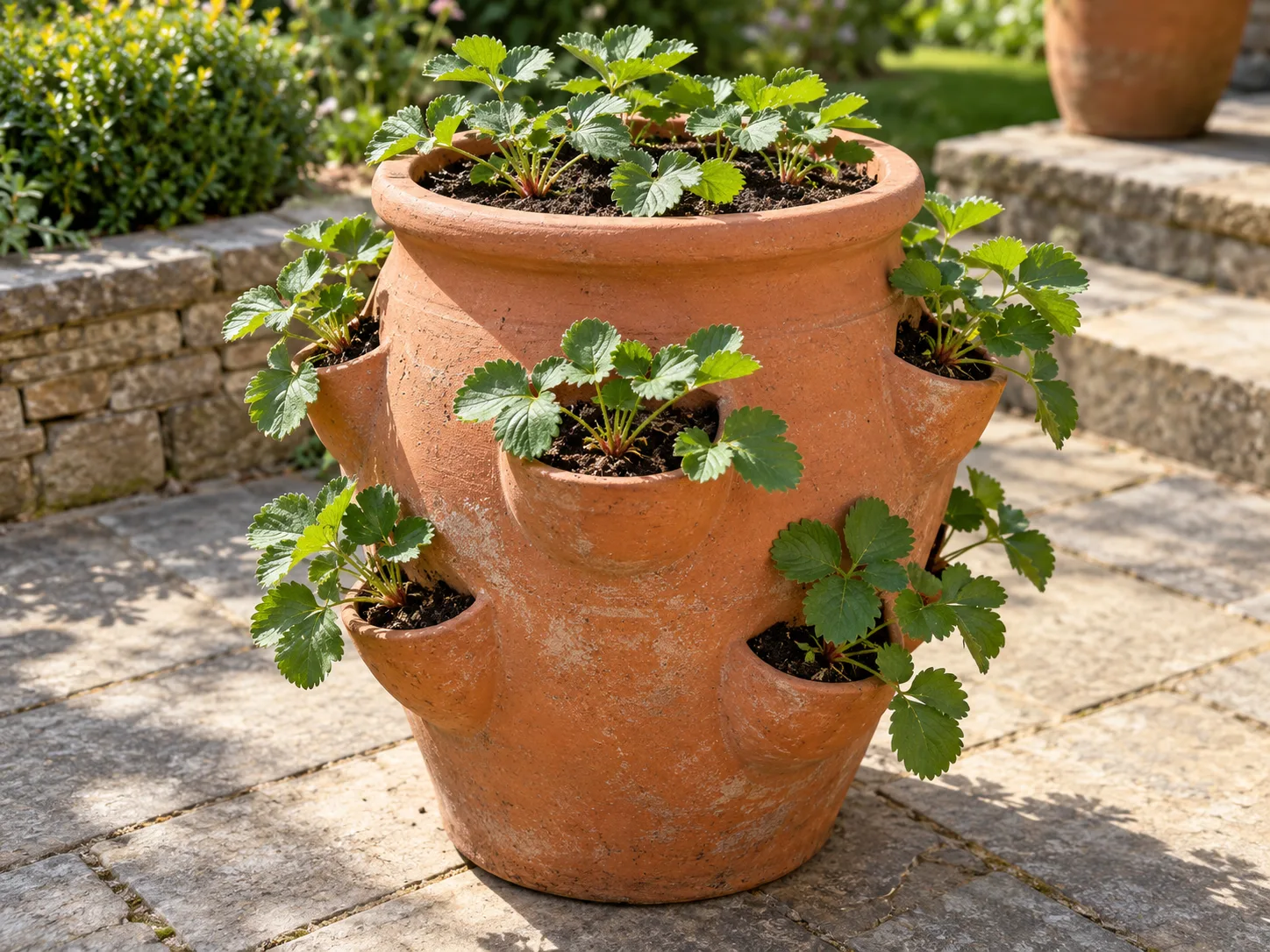
Containers are useful when garden soil drains poorly, space is limited, or slugs make ground-level fruit difficult to protect. Choose a broad, stable pot, trough, or window box with drainage holes and enough surface area to leave about eight inches between crowns. A deep container is not essential for a shallow-rooted crop, but a tiny pot dries so quickly that it makes watering harder.
Fill it with a free-draining potting mix, set each crown at soil level, and place the pot where it gets at least six hours of direct sun. A strawberry tower can save floor space, but its pockets often dry unevenly; check each planting pocket rather than watering only at the top. The Royal Horticultural Society notes that traditional strawberry pots can be harder to keep productive, and practical container advice from Savvy Gardening and GrowVeg emphasizes drainage, spacing, and the extra attention required for moisture in pots (RHS; Savvy Gardening’s strawberry-container guide; GrowVeg’s guide to strawberries in pots).
Container soil warms and dries faster than garden soil, especially in terracotta, fabric, hanging baskets, or a pot against a sunny wall. Check the mix daily during hot or windy weather and water thoroughly when it is drying; do not leave the pot standing in a full saucer. A light straw mulch keeps berries clean and slows moisture loss, but keep the crown and growing point clear.
Harvest Fully Red Fruit Often
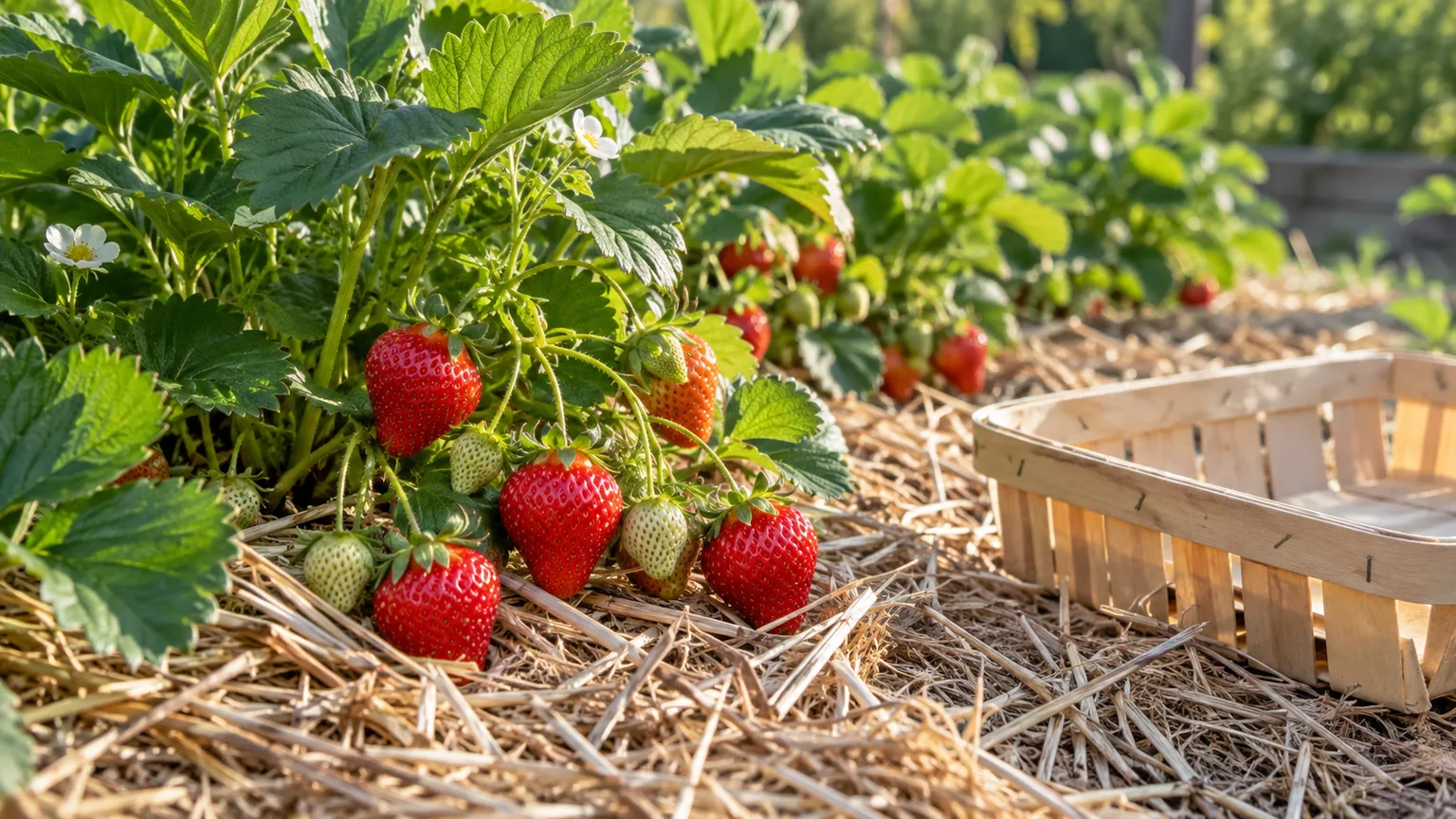
Pick berries when they are fully colored, including the shoulder near the stem; strawberries do not finish ripening after harvest. Check plants every day or two when fruit is coloring quickly, and remove overripe or damaged berries so they do not sit in damp foliage and attract pests. Handle fruit gently and keep it shaded after picking.
The number and size of harvests will vary, so look for a repeat pattern rather than a guaranteed three waves. Some everbearing cultivars make a spring crop followed by a later flush, while day-neutral plants may produce smaller amounts more steadily until heat or frost slows them. Penn State describes the day-neutral season as fluctuating peaks and valleys, not a continuous high-yield harvest (Penn State Extension).
For the best keeping quality, pick once dew has dried, retain the green cap, and refrigerate berries promptly if you are not eating them right away. Penn State advises keeping picked fruit out of direct sun and washing it just before use. If rain is coming, harvest fruit that is already fully red rather than leaving it to split, soften, or rot on the plant.
Protect Plants from Summer Heat, Frost, and Winter
Heat can reduce fruit set or pause day-neutral production even when leaves still look healthy. Keep the root zone evenly moist, use light-colored straw mulch to limit soil heating, and remove weeds competing for water. Do not promise yourself a specific number of harvests because a plant is labeled everbearing; hot spells can interrupt flowers and fruit, and cooler weather can bring production back.
Open strawberry flowers are vulnerable to frost. If a late frost is forecast while plants are flowering, cover them overnight with breathable fabric or another suitable crop cover and remove it when the temperature rises; flowers with blackened centers often will not set fruit. The RHS identifies this dark-centered bloom as frost damage and recommends protecting flowers and early fruit when cold conditions threaten (RHS strawberry-growing guide).
In-ground plants can overwinter as dormant crowns where the cultivar and climate allow it. In cold regions, Penn State recommends about four inches of clean straw mulch after dormancy to reduce cold injury and soil heaving, with the timing adjusted to local winter conditions; remove or pull it back in spring as new growth resumes (Penn State Extension). A pot is more exposed than the same plant in a bed, so move it to an unheated sheltered space, sink it into the ground, or insulate around it; check every few weeks and water only if the mix dries.
Diagnose Weak Growth or a Small Harvest
When flowers appear but berries do not, check weather and pollination before adding fertilizer. Frost can damage flowers; unusually high heat can slow day-neutral fruiting; drought or saturated soil can stress the crown; and covers or indoor growing can keep pollinating insects away. In a greenhouse or under a cover, expose flowers to insects when conditions allow or gently transfer pollen among open flowers with a soft brush.
Small or misshapen berries have several possible causes. Incomplete pollination can leave parts of a berry poorly developed, while drought during fruit swell, excessive crowding, an aging bed, or a cultivar poorly suited to local heat can reduce size and quality. Look at the whole pattern: many damaged flowers after one cold night suggests frost, while a bed with dense foliage and few ripe berries points toward crowding, light, or nutrition rather than a sudden pest problem.
If plants wilt, feel the soil before watering. Dry soil calls for a slow soak and mulch; wet soil calls for better drainage and a pause in watering. If leaves show spreading spots, fruit develops gray fuzzy growth, or crowns keep collapsing despite corrected moisture, remove affected material and contact a local extension office for diagnosis before using a pesticide or fungicide.
Prevent Slugs, Birds, and Fruit Rot
Keep ripening berries off damp soil with clean straw or another dry mulch, and leave enough space for air to move around the leaves. Water at the base instead of repeatedly wetting ripe fruit, and remove soft, moldy berries promptly. Gray mold is especially likely to become a problem when fruit stays damp and crowded, so prevention starts with spacing, drainage, and sanitation rather than a spray.
Inspect undersides of leaves and new growth for aphids, and look around fruit and mulch for slugs or snails. Containers may reduce some ground-level pest pressure but they do not make plants pest-proof; birds can still find a patio pot. If you use netting, hold it taut over a frame and secure the edges so birds and other wildlife cannot become tangled in it. The RHS lists gray mold, slugs, fruit aphids, and other strawberry problems, and recommends protecting ripening fruit from birds while keeping covers secure (RHS strawberry-growing guide).
Renew the Planting at the Right Time
Strawberries are perennial plants, but a productive bed is not permanent. Overcrowding, disease pressure, and declining vigor reduce the value of old crowns; the RHS suggests replanting beds after roughly three to four years, while Penn State notes that day-neutral systems are managed differently from June-bearing beds and are not renovated in the same way (RHS strawberry-growing guide; Penn State Extension).
For a small home planting, use a simple annual check: keep healthy young plants and a few selected runners, discard weak or diseased crowns, and start a new row in a different spot when the old bed becomes crowded or yields decline. Do not mow an everbearing or day-neutral bed as if it were a June-bearing planting that has just finished its one crop; remove dead or diseased leaves selectively and follow the cultivar’s local renewal guidance.
Conclusion
To grow everbearing strawberries well, start with a locally suitable variety and treat “everbearing” as repeat fruiting, not a promise of berries every day. Give the plants sun, fertile well-drained soil, crowns at the surface, steady root-zone moisture, and room to dry; remove early flowers only while small plants establish, then manage runners according to whether you want fruit or replacements. Harvest fully ripe berries often, protect blossoms and crowns from weather extremes, and renew old beds before crowding and disease erase the advantage of a longer season.



