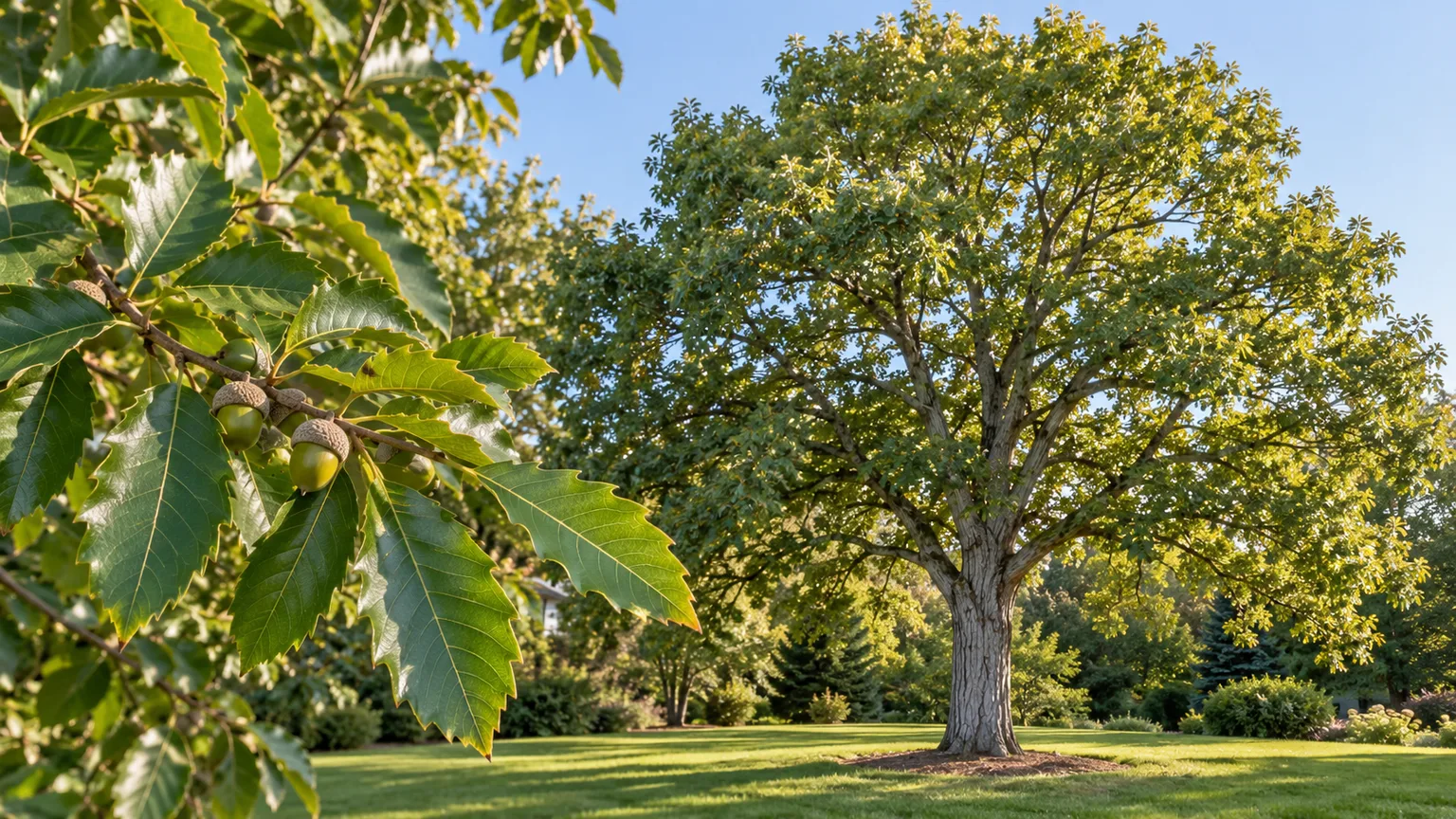
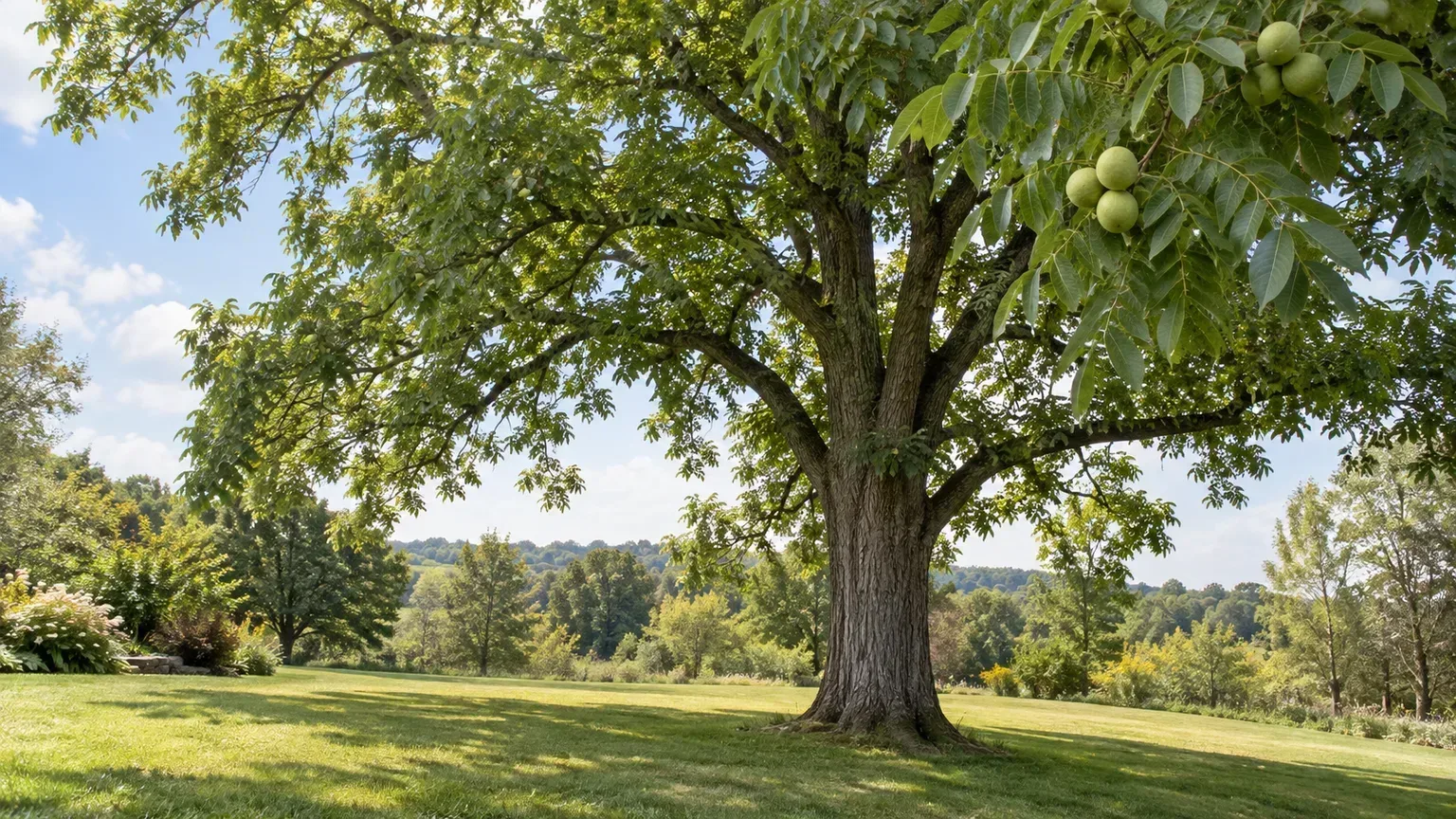
European Beech Care: How to Grow a Healthy Tree or Hedge
Get practical European beech care advice for site choice, soil, watering, cultivars, pruning, and disease monitoring before planting this long-lived tree.
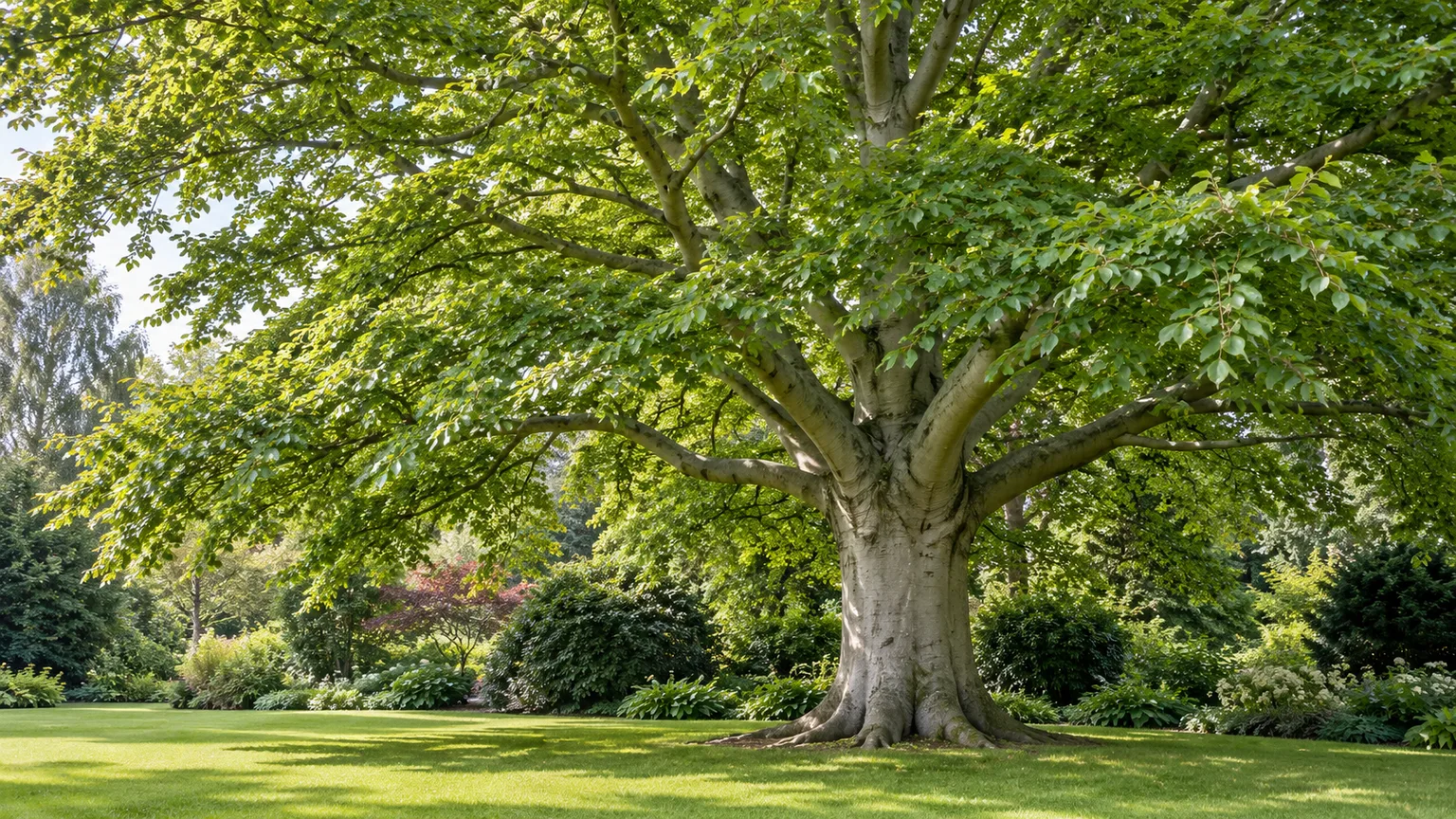
European beech (Fagus sylvatica) is a long-lived deciduous tree with smooth gray bark, a broad canopy, and leaves that turn golden copper in fall. It can be a magnificent specimen in a large property or a dense, clipped hedge, but an ordinary tree is too large for many suburban yards. The most important care decision happens before planting: decide which form you want and whether the site can support its mature footprint and root system.
European beech is native to Europe and parts of western Asia. In the right climate, it tolerates a range of soils, but it performs best where the ground drains well and does not dry hard for long periods. The RHS plant profile describes a vigorous tree that can exceed 25 meters in height and spread widely; the exact size varies by climate, cultivar, and growing conditions.
Decide whether you want a tree or hedge
As a specimen, European beech develops a wide, densely branched crown that casts deep shade. It can anchor a large lawn, woodland edge, or avenue, but it should not be planted where it will eventually compete with a house, overhead utility line, driveway, or neighbor’s mature trees. A young nursery specimen can look modest for years, so picture the mature canopy rather than judging by the size at purchase.
Beech can also be grown as a hedge. It tolerates regular clipping, and young hedges often keep dry leaves on the branches into winter, offering some screening after leaf fall. A hedge is not a dwarf tree: it needs routine shaping, and the mature root system still requires a suitable planting strip. The practical Gardeners’ World beech growing guide covers tree and hedge forms and makes the useful distinction that a standard tree needs far more room than a clipped boundary.
Understand the mature footprint and roots
European beech forms broad, shallow-spreading roots near the soil surface, with deeper roots also present. The surface roots can lift or interfere with lawn edges, paving, and shallow planting, while the dense canopy limits the light below. The Washington Park Arboretum plant profile notes the importance of those extensive surface roots and the tree’s sensitivity to drought and poorly draining soils.
That combination makes underplanting difficult. Shade-tolerant groundcovers may establish around the edge of the canopy, but digging through mature roots to install a dense bed can injure the tree. If you need an open lawn or colorful border beneath a large specimen, beech may not be the best choice. The RHS beech guide similarly cautions that the dense canopy and shallow root system limit what grows below a standard tree.
Compare useful cultivar forms
The green-leaved species is the classic large tree. ‘Purpurea’ and related copper beech forms have purple foliage that colors best with good light, while ‘Pendula’ has a weeping habit. ‘Dawyck’ cultivars grow more upright and columnar; ‘Tricolor’ has variegated foliage and usually needs a protected site to prevent leaf scorch. These are different forms, not interchangeable small-tree guarantees, so check the specific nursery’s mature height and width.
Some cultivars are useful for hedges or narrow spaces, but a fastigiate shape can still become tall, and a weeping canopy may spread broadly even if its height is restrained. If the garden is genuinely small, compare compact alternatives before buying. Utah State University’s European beech profile is a useful reference for identifying mature leaves, bark, buds, and fruit; local botanical gardens can help verify cultivar form in your climate.
Identify the tree before you buy
European beech has smooth gray bark and oval leaves with gently wavy edges and visible side veins. Spring leaves emerge bright green, mature to deeper green, and turn yellow to copper-brown in fall; small bristly capsules enclose the nuts. In colder climates, young trees and clipped hedges may hold some dry leaves through winter, while mature specimen trees often drop more of them. Check the scientific name on the plant tag because common names can be used loosely in nurseries.
Match the site to beech’s needs
Choose full sun to partial shade with evenly moist, well-drained soil. Beech tolerates a range of soil textures and pH, but saturated ground deprives roots of oxygen, while hot, dry sites can cause leaf scorch and early drop. The RHS species profile recommends free-draining ground and notes that drought-prone settings are a poor match.
Avoid planting beneath utility lines or near structures simply because the young tree currently fits. Check overhead and underground utilities, the future canopy width, sightlines at driveways, and the distance to hardscape. In hot, humid parts of the eastern United States, European beech may struggle; NC State’s plant profile notes the species’ limits in warmer southeastern areas. Ask a local extension office whether a native beech or another shade tree is a better regional choice.
Hardiness is only one part of that decision. A tree can survive the coldest winter in a zone yet still suffer through hot summers, dry winds, or soil that remains waterlogged after storms. Observe the site through a full growing season if you are unsure: note the afternoon sun, where rainwater stands, and whether nearby trees show drought stress. That small amount of site-reading can prevent years of trying to rescue a tree from a climate mismatch.
Plant with the root flare at grade
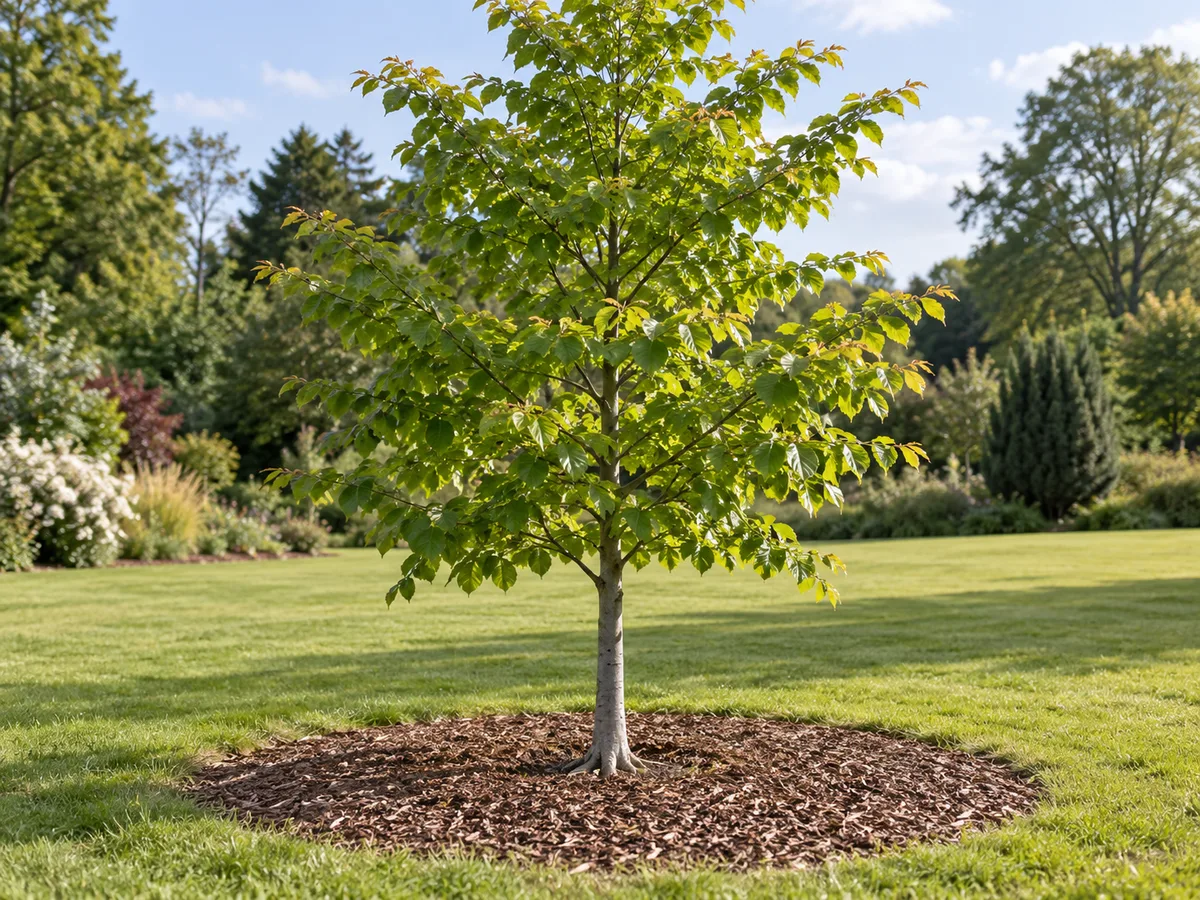
Plant container-grown trees during a mild period when you can water consistently; bare-root beech is usually planted while dormant. Before digging, call your local utility-location service. Make the hole broad rather than excessively deep, and set the tree so the root flare—the widening point where trunk meets roots—sits at or slightly above finished soil grade.
Remove the container and inspect for roots circling the root ball. Loosen or correct obvious girdling roots at planting, but do not tear apart the root system. Backfill with the native soil, water slowly to settle it, and stake only if the tree cannot remain stable in wind. Keep ties flexible and remove them once the root system holds the tree upright.
Spread a shallow layer of organic mulch over the root zone, leaving a clear gap around the trunk. Do not pile mulch against the bark. A broad mulched circle reduces competition from turf and helps soil retain moisture, which is especially useful while a young tree’s roots expand beyond the original root ball.
Prepare a hedge strip before planting
For a hedge, prepare the whole planting strip rather than making a series of isolated holes. Follow the nursery’s spacing for the size of plants you bought; bare-root whips may be set more closely than large container shrubs. Remove persistent grass and weeds from the strip, water the roots before planting if they are dry, and mulch after backfilling. Beech hedges fill in gradually, so resist the urge to fertilize heavily or cut them hard in the first season just to force faster growth.
Water for establishment, then watch drought
Newly planted beech trees need steady moisture while they establish, especially during hot or dry weather. Do not follow a rigid calendar: check the soil several inches below the surface and water deeply when the root ball and surrounding soil begin to dry. A brief shower may wet the mulch without wetting the root zone, so confirm moisture where the roots actually are.
Let the soil guide watering
Use a hand trowel or soil probe at the edge of the root ball to see whether water is reaching the planted roots. If the top is damp but the root ball is dry, apply water slowly in several passes so it can soak in rather than run off. In heavy soil, wait until it begins to dry before watering again; a beech tree wilting in saturated ground may have roots starved of oxygen, not a simple lack of irrigation.
After establishment, water during prolonged drought rather than keeping the soil constantly wet. Wilting, scorched leaf margins, or early leaf drop can result from drought, but similar symptoms can have other causes. Check soil moisture, drainage, and recent weather before changing irrigation. Avoid frequent shallow sprinkling, which wets only the surface and may not support deeper roots.
Keep the root zone cool and undisturbed
Protect the area under the canopy from vehicle traffic, soil storage, trenching, and repeated digging. Compaction reduces air and water movement through soil, while construction can sever roots that are essential to a mature tree. If work is planned near an established beech, consult a qualified arborist before excavation or grade changes.
Do not cut a surface root just because it is visible. First determine whether it is a structural root and how much of the root plate would be affected; a large cut can destabilize a tree and create an entry point for decay. If paving must be installed near an established specimen, discuss options such as shifting the route, using a permeable surface, or raising the walking surface with an arborist and hardscape professional. Avoid adding a thick layer of soil over roots to hide them, because changing grade can deprive roots of oxygen.
Do not plant moisture-hungry shrubs directly beneath the trunk simply to fill bare ground. The beech’s shade and root competition make establishment hard for other plants, and frequent irrigation to satisfy those plants can leave the tree’s root zone overly wet. If you want a layered look, plant small shade-tolerant species around the outer canopy edge where light and water are less constrained.
Prune according to the form
A well-sited specimen tree usually needs little routine pruning. Remove dead, broken, or crossing branches with clean, sharp tools, and make structural cuts while the tree is young rather than waiting until large limbs need removal. If a mature limb hangs over a roof or public space, hire a qualified arborist; do not top a beech to hold it below an unsuitable height.
For hedges, trim in late summer or during dormancy, according to local climate and the desired form. Avoid cutting back hard into old wood unless the hedge is known to tolerate renovation. Keep the base slightly wider than the top so sunlight reaches lower branches. This reduces bare patches and helps the hedge retain foliage from top to bottom.
If you want a formal hedge, begin shaping while plants are young and make light, consistent cuts rather than waiting several years for a drastic correction. A hedge clipped into a narrower top and broader base receives more light along its lower branches. Clean, sharp shears leave neater cuts; if foliage is wet or a heat wave is underway, postpone discretionary trimming so new edges are not stressed.
Recognize pests and disease concerns
Beech can host aphids and beech bark scale, and it may be affected by powdery mildew or fungal decay. Most problems are easier to address when you notice them early, but leaf symptoms are not a diagnosis by themselves. Photograph the leaves, note the location and recent weather, and consult local extension or an arborist before applying a pesticide or pruning extensively.
Beech leaf disease has emerged in parts of North America and has been reported on both American and European beech. The USDA Forest Service beech leaf disease workshop documents the developing research around this disease. If a tree develops unusual dark banding between leaf veins, distorted leaves, or progressive canopy decline, contact your state extension service or a certified arborist for diagnosis and current local guidance.
Beech leaf disease and when to call
Do not assume every curled or brown leaf is disease. Drought, late frost, root injury, scale insects, and compacted soil can produce overlapping symptoms. Take clear photos of affected leaves and the whole canopy, record when symptoms first appeared, and note whether nearby beeches show the same pattern. Local diagnostic services can compare those clues with current regional reports and advise whether monitoring, a site correction, or a professional assessment is appropriate.
Grow beech from seed or a nursery tree
For most landscape projects, buy a correctly identified nursery tree or hedge plant. This lets you select the desired cultivar and avoids the long wait required to grow a large specimen from seed. Choose a plant with a sound trunk, evenly distributed branches, and roots that are not tightly circling the container.
Beech can be propagated from seed, but seedlings may not reproduce a named cultivar, and they take years to become landscape-sized. The bristly seed capsules split to release beechnuts in fall. Collect only fully mature seed from a correctly identified, healthy tree, keep it cool and moist rather than letting it dry out, and follow a local propagation guide for the chilling treatment required in your region.
Conclusion
European beech is a strong choice when you have room for its broad canopy, free-draining soil, and a climate without prolonged heat and drought. Choose a specimen tree, hedge, or cultivar for the mature shape you actually need; plant it with the root flare visible; water through establishment; and protect the root zone from compaction. If a large tree is already showing decline or disease-like symptoms, get a local diagnosis before treating it.