What Is Mulch? Types, Uses, and How to Apply
Learn what mulch is, how organic and inorganic types differ, and which of eight common materials fits beds, trees, and vegetable gardens — plus depth, timing, and mistakes to avoid.
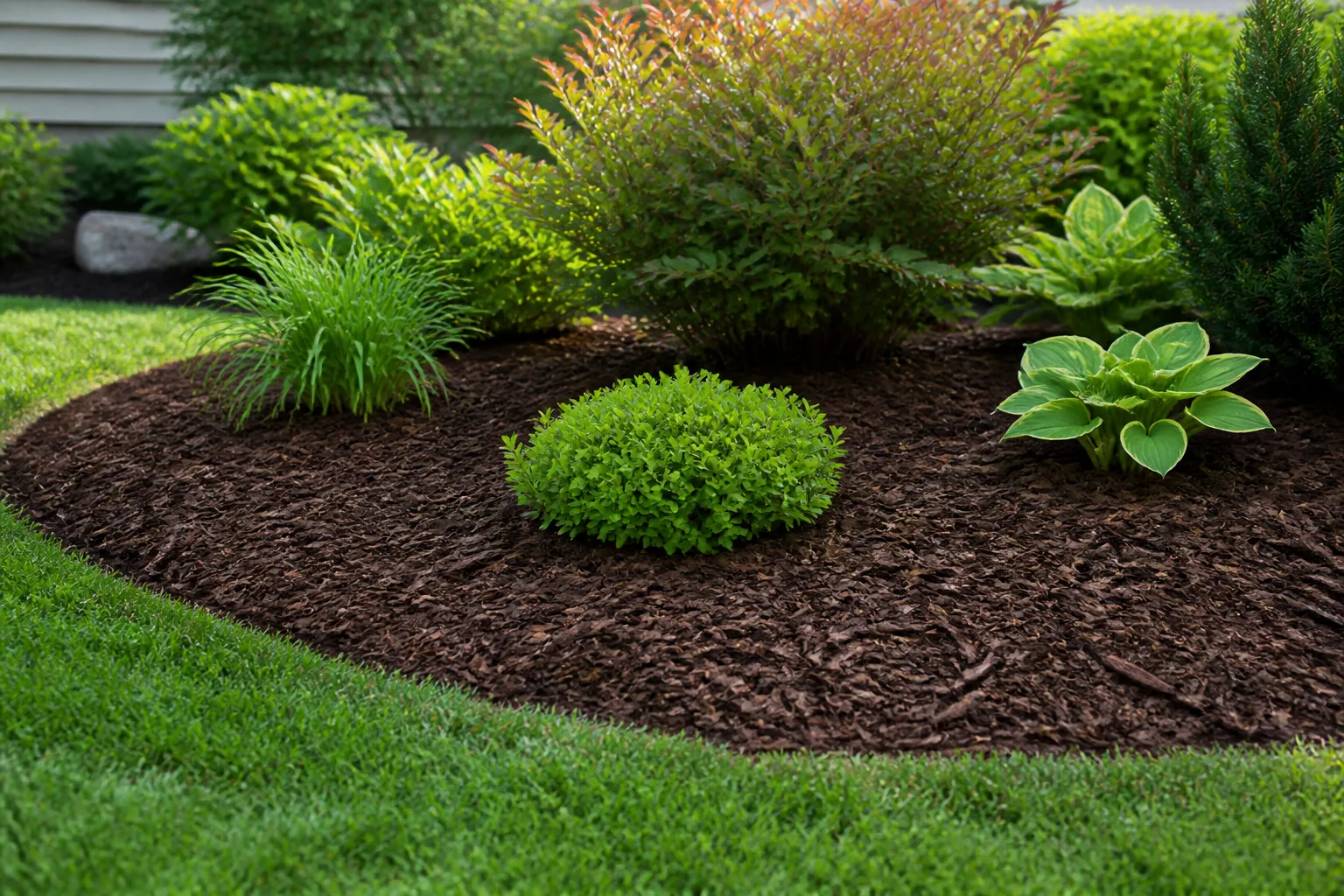
Mulch is any material spread on top of bare soil to protect it — not mixed in like compost. A 2- to 3-inch layer of the right mulch cuts evaporation, moderates soil temperature, suppresses many weeds, and (when organic) slowly feeds soil life as it breaks down. The wrong mulch applied the wrong way causes crown rot, nitrogen-starved yellow leaves, and bark damage that takes years to undo.
This guide explains what mulch actually does, how to choose between organic and inorganic options, and how to use eight common materials — bark, pine needles, grass clippings, newspaper, shredded leaves, straw, plastic or landscape fabric, and gravel or stone — without the mistakes that turn a helpful layer into a plant killer.
What Mulch Does for Soil and Plants
Mulch is not decoration with side benefits. It is a soil-management tool. Before you buy a bag at the garden center, decide which job you need done: hold moisture through a dry summer, insulate roots before winter, block weeds in a low-maintenance shrub bed, or warm soil for heat-loving crops. Different materials excel at different tasks, and some jobs — like improving nutrient content — are better handled by compost worked into soil than by a surface layer alone.
Moisture Retention and Temperature Moderation
A mulch layer shields soil from sun and wind, slowing evaporation so water stays available to roots longer between waterings. UConn’s Home & Garden Education Center notes that mulch also insulates soil — keeping it cooler in summer and warmer in winter — which reduces stress on roots during temperature swings and helps prevent frost heaving, where repeated freeze-thaw cycles push shallow-rooted plants out of the ground.
That insulation cuts both ways. Black plastic mulch warms soil early in the season, which tomatoes and peppers appreciate, but the same heat can stress cool-season crops or shallow-rooted ornamentals in midsummer. Light-colored gravel reflects heat upward and can scorch sensitive leaves on low-growing plants. Match the thermal effect to the plant, not just the landscape design.
Weed Suppression Without False Promises
Mulch blocks light that weed seeds need to germinate, which dramatically reduces hand-weeding in established beds. No mulch eliminates weeds permanently. Organic mulches break down and weed seeds blow in from neighboring lawns. Landscape fabric blocks many weeds initially but degrades within a few years, after which weeds root in the decomposing mulch layer above the fabric — a mess that is harder to fix than never installing fabric at all.
Organic mulch suppresses annual weeds well but allows perennial weeds with established root systems to push through. For persistent bindweed or nutsedge, mulch is a supplement to removal, not a replacement. See our guide on whether mulch actually prevents weeds for realistic expectations by mulch type.
Organic vs. Inorganic: Pick Your Category First
Every mulch falls into one of two families, and the choice matters more than the brand on the bag.
Organic mulches come from plant or animal material — bark, wood chips, straw, leaves, grass clippings, newspaper, and compost used as a top dressing. They decompose over time, adding organic matter and feeding soil microorganisms. That decomposition is the point: you will replace or top-dress organic mulch every one to four years depending on particle size and climate. Organic mulch is the default for vegetable gardens, woodland beds, and anywhere you want soil to improve over time.
Inorganic mulches include stone, gravel, rubber chips, plastic sheeting, and geotextile landscape fabric. They do not feed the soil and most do not break down on a useful timeline. Stone and gravel can last decades; plastic and fabric deteriorate and become trash in the soil profile. Inorganic mulch excels where you want permanent weed suppression with zero tillage — foundation plantings, pathways, and xeriscape designs — or where you need soil warming (plastic) or drainage (gravel in rain gardens).
A practical rule: if you plan to dig, divide, or replant the bed within five years, use organic mulch. If the bed is permanent and you will never amend the soil again, inorganic may fit — but understand you are committing to that material long-term.
How to Apply Mulch the Right Way
Buying the right mulch matters less than applying it correctly. Most mulch-related plant damage traces back to three errors: piling mulch against trunks, spreading it too deep, and mulching dry soil without watering first.
Correct Depth and the Donut Rule Around Trunks
For wood and bark mulches around trees and shrubs, keep the layer 1 to 3 inches deep — no more. UConn Extension warns that deeper layers can repel water as fungi colonize the mulch surface, starve roots of oxygen, and promote stem rot. Straw in vegetable paths can go deeper (3 to 4 inches) because it decomposes faster and you rework the bed annually.
Never pile mulch against a tree trunk or plant crown. The so-called volcano mulch — a cone of shredded bark stacked against bark — traps moisture on the stem, invites rodents to chew, and encourages crown rot fungi. Pull mulch back so it forms a flat donut with several inches of clear space around the trunk flare. For new plantings, keep mulch a few inches away from stems until the plant establishes.
Before spreading wood-based mulch, water the soil thoroughly. Dry, freshly bagged mulch can develop water-repellent fungal crusts. If you use wood chips or bark, lightly incorporate a nitrogen source — blood meal, urea, or a high-nitrogen fertilizer — into the top inch of soil first. Soil microbes breaking down carbon-rich wood temporarily compete with plants for nitrogen, which shows up as yellowing leaves on annuals and perennials.

When to Mulch Through the Seasons
Spring is the most common mulching window: after the soil has warmed and you have weeded, spread mulch to lock in spring moisture before summer heat. Wait until the ground is workable — mulching frozen or waterlogged soil traps cold and excess water against roots.
Summer top-ups are fine if an existing layer has thinned to less than an inch. Avoid adding thick fresh wood mulch during a heat wave without watering; hot, dry mulch piles can host nuisance fungi.
Fall mulching conserves soil moisture through winter and insulates roots against freeze-thaw cycles. Shredded leaves and straw are excellent fall mulches for vegetable garden beds you plan to rework in spring. Do not mulch fall-planted garlic or spring bulbs so deeply that shoots cannot push through — 2 inches of straw is enough.
Remove old, compacted mulch before adding a thick new layer if the existing material has matted into a water-blocking crust. Fluff or replace rather than endlessly stacking.
Bark and Wood Chip Mulch
Shredded bark and wood chips are the workhorses of ornamental landscaping. Chunkier bark nuggets last longer (two to four years) and allow better water penetration than fine shredded mixes that can pack down and pull moisture from soil surface. Hardwood bark breaks down faster than softwood; both work around trees, shrubs, and foundation plantings where you are not doing frequent digging.
Best for: Permanent shrub borders, tree rings, walkways between beds, and front-yard beds where a tidy appearance matters.
Avoid for: Annual vegetable beds (wood ties up nitrogen; dyed or recycled products may contain contaminants), areas where you plant frequently (you will spend half your time raking mulch aside), and anywhere artillery fungus has been a problem — wood-chip mulch (as opposed to bark nuggets) is the primary host.
Sourcing note: Dyed red or black mulch is often recycled wood product, not pure bark. It decomposes faster, may contain unknown additives, and is a poor choice near food gardens and children’s play areas. Ask your supplier what is in the bag.
Water new wood mulch after spreading. If it smells like vinegar, ammonia, or sulfur, you have sour mulch — anaerobic breakdown produced acetic acid that will burn plants. Spread it thin, soak it, let it air-dry for several days, then apply.
Pine Needles and Pine Straw
Pine needles — sold as pine straw in the Southeast — form a loose, airy mat that resists compaction and stays in place on slopes better than flat leaves. Contrary to garden folklore, pine needles lower soil pH only slightly and rarely enough to harm plants not already preferring acidic conditions. Fresh green needles are more acidic than aged brown straw, but the effect is modest in most yards.
Best for: Acid-loving ornamentals (azaleas, blueberries, rhododendrons), slopes, and pathways in pine-rich regions where needles are free.
Avoid for: Fire-prone wildland-urban interface zones in dry seasons (dry pine straw is flammable), and formal beds where the rustic look clashes with the design.
Pine bark nuggets resist artillery fungus better than wood-chip mulch — worth knowing if black spore spots have appeared on your siding from previous mulching.
Grass Clippings, Leaves, and Newspaper
These three are the budget mulches — often free from your own yard — and each comes with rules.
Grass clippings decompose within weeks, adding nitrogen and organic matter quickly. University of Minnesota Extension recommends leaving clippings on the lawn when possible; when you collect them, apply a thin layer (2 inches or less) to unplanted areas or compost them first. Thick, wet layers mat together, smell bad, and block water. Never use clippings from lawns treated with herbicides or pesticides within the previous few weeks. For a deeper dive, see using grass clippings as mulch.
Shredded leaves are among the best free mulches for woodland gardens and vegetable beds. Whole leaves mat in wet climates and repel rain; run them over with a mower or shredder first. A 2- to 4-inch layer insulates soil over winter and breaks down into rich humus by spring. Our guide on mulching vs. bagging vs. leaving leaves walks through when to keep leaves in place versus collect them.
Newspaper (and plain cardboard) blocks weeds effectively as a sheet mulch under a decorative top layer. Modern newsprint uses soy-based ink; avoid glossy inserts and colored advertising flyers. ATTRA’s sustainable weed management guide confirms cardboard and newspaper are acceptable organic mulches when overlapped with no gaps. Lay four to eight sheets thick, moisten, and cover with straw or wood chips so the paper does not blow away. Newspaper alone lasts one season — plan to replenish.
Straw and Hay for Vegetable Beds
Straw — the dry stalks left after grain harvest — is the classic vegetable-garden mulch. It keeps soil-borne diseases from splashing onto lower leaves, keeps paths walkable in wet weather, and shelters beneficial insects like spiders. Salt marsh hay is weed-free because its seeds require saltwater to germinate, though it is not available everywhere.

Hay is cut grass and often contains weed seeds. It works as winter insulation for perennials and bulbs if you accept some weed cleanup in spring. Apply hay 4 to 6 inches deep for winter protection; straw in active growing beds needs 3 to 4 inches for weed control.
Best for: Tomato and squash beds, strawberry winter mulch, garlic plantings, and muddy garden paths.
Avoid for: Beds where slugs are already a major problem (straw gives them cover — hand-pick at dusk or use iron phosphate baits if slug pressure is high), and anywhere hay seed contamination would be costly.
Straw decomposes slowly enough to last a full growing season and can be turned into the soil at season’s end or composted. It is the mulch to choose when you want clean fruit, fewer disease spores, and easy end-of-season cleanup.
Plastic, Landscape Fabric, Gravel, and Stone
Inorganic mulches trade soil improvement for permanence and weed blocking. Use them where tillage has stopped.
Black plastic warms soil, conserves moisture, and blocks weeds in vegetable rows. It requires drip irrigation or punched holes for water penetration; rain runs off the surface. Red plastic has shown modest yield increases for tomatoes in some research trials; white or reflective plastic can confuse certain insect pests. Plastic breaks down into microplastic fragments — many organic gardeners skip it in food beds for that reason.
Landscape fabric (geotextile) is porous, so water and air move through better than solid plastic. Weeds eventually grow in the mulch piled on top as the fabric degrades in three to five years. Fabric works under stone pathways and around young trees during establishment, but it does nothing to improve soil and makes future planting a cutting-and-peeling exercise. Top with a thin bark layer for appearance if needed.
Gravel and stone suit Mediterranean herb gardens, rain gardens needing fast drainage, and modern landscapes. Stone reflects heat, which lavender and rosemary appreciate but which can stress shade plants. Once down, stone is essentially permanent — removing it means picking out every piece. Lay landscape fabric underneath only if you accept the long-term fabric debris; otherwise expect some stones to sink into soil over years.

Best for: Permanent xeriscape beds, pathways, and foundation plantings with shrubs that will not be moved.
Avoid for: Any bed you plan to amend, divide perennials in, or convert to vegetables later. Also skip stone against heat-sensitive plants with leaves near the ground.
Mulch Mistakes That Kill Plants
Even the right material fails when application ignores basic plant physiology. Three problems account for most mulch-related callbacks from extension offices.
Volcano Mulching and Crown Rot
Piling mulch against trunks is the most visible error and among the most damaging. Moist bark tissue decays; borers and rodents move in; fungal crown rot follows. The fix is simple: pull mulch back until you see the root flare where the trunk widens at soil level. Maintain that clearance permanently — annual spring top-ups tend to creep inward each year.
Sour Mulch, Artillery Fungus, and Nitrogen Deficiency
Sour mulch smells sharp and chemical — spread it thin, soak, and dry before use or return it to the supplier. Artillery fungus launches black spore masses onto siding and car paint from wood-chip mulch; switch to pine bark nuggets or incorporate 20 to 40 percent mushroom compost into the mulch bed to suppress it, per UConn research summaries. Nitrogen deficiency from fresh wood mulch shows as yellowing leaves on hungry annuals — add nitrogen before mulching or top-dress with compost.
Yellow slime molds on mulch surface are harmless and can be raked away if unsightly. They indicate moist, organic conditions — not plant disease.
Some plants genuinely do not want mulch piled against their crowns. See which plants you should not bother mulching before blanketing an entire bed.
Conclusion
Mulch is any top-dressing material — organic or inorganic — spread over soil to conserve moisture, moderate temperature, and reduce weeds. Organic options like bark, pine straw, leaves, straw, and grass clippings feed soil as they decompose; inorganic stone, plastic, and fabric offer permanence at the cost of soil improvement. Choose your category first, match the material to the bed’s purpose, spread 1 to 3 inches of wood mulch (deeper for straw in vegetable paths), keep a clear donut around every trunk and stem, and water soil before you spread.
Eight types cover nearly every garden situation: bark for ornamental beds, straw for vegetables, leaves and newspaper for free weed control, pine needles for slopes, grass clippings for quick nitrogen in remote areas, and stone or fabric for permanent low-maintenance zones. Get the depth and the donut right, and mulch becomes one of the highest-return jobs in the garden calendar — wrong material or volcano piling, and it becomes an expensive way to stress the plants you meant to protect.