Compost vs. Mulch: Uses, Benefits, and Differences
Compare compost vs. mulch by purpose, depth, timing, and material. Learn when to use either, how to layer both, and how to avoid common soil and plant problems.
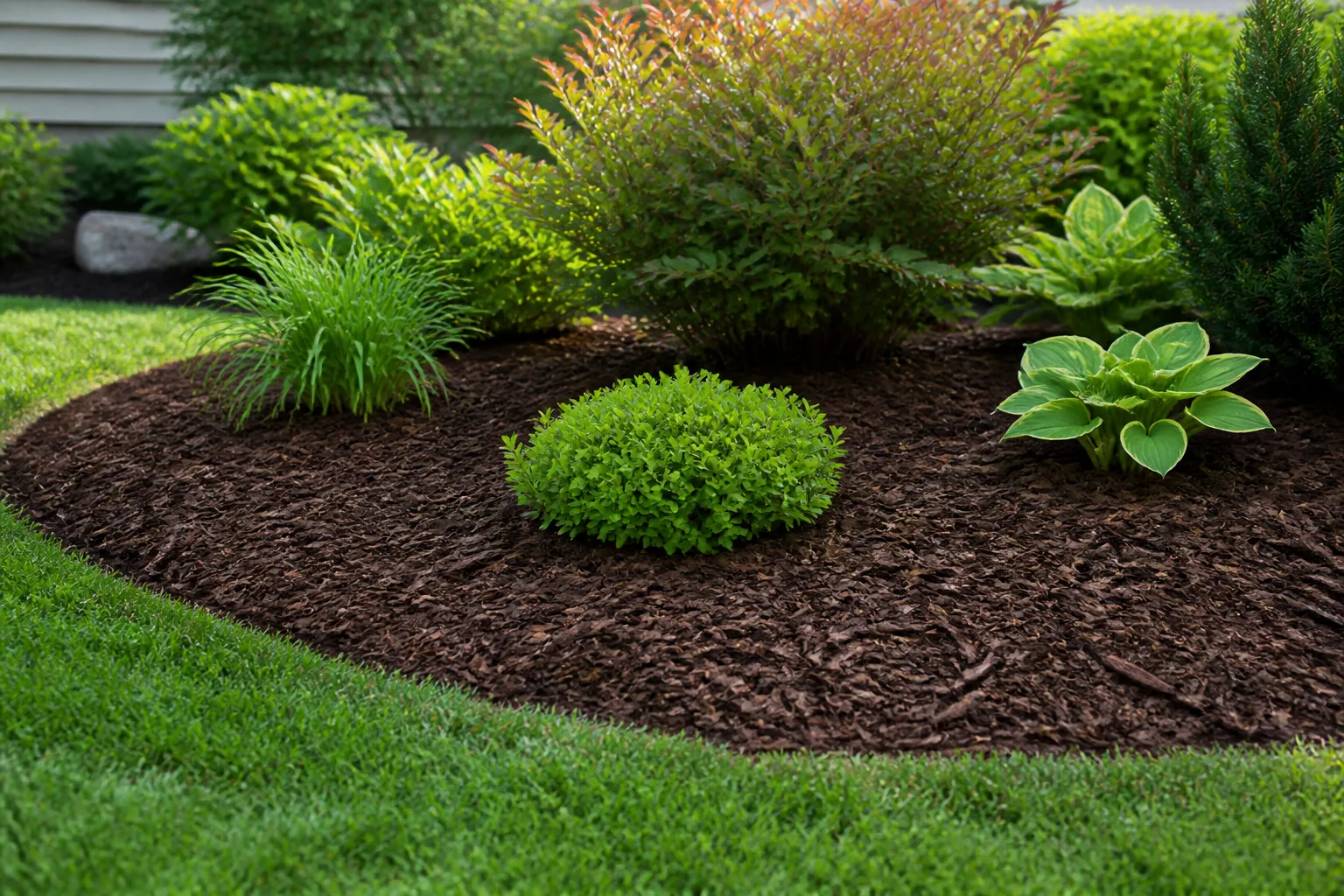
If you want to improve the soil itself, reach for finished compost. If you want to cover exposed soil to slow evaporation, discourage weeds, and buffer temperature swings, choose mulch. The terms overlap because both can be organic and both eventually affect soil, but their placement and immediate jobs are different.
A simple way to decide is to look at the problem in front of you. Soil that is compacted, low in organic matter, or hard for roots to work through calls for an amendment such as compost. A bare bed that dries quickly, crusts in rain, or keeps sprouting weeds needs a surface cover. Many gardens benefit from both, applied in the right order and in modest amounts.
The difference in 60 seconds
Compost is decomposed organic material used to improve soil structure and contribute organic matter and nutrients. It is mixed into soil or spread as a thin top dressing so soil organisms can continue incorporating it. Mulch is any material laid over the soil surface; it can be organic, such as bark, leaves, straw, or compost, or inorganic, such as gravel or a manufactured sheet.
The quickest test is this: compost is chosen for what it can add to soil; mulch is chosen for what it can do while covering soil. A layer of compost can technically serve as mulch, and a layer of organic mulch can eventually break down into soil organic matter. Those overlaps do not make them interchangeable in every situation. A thick bark layer is not a nutrient amendment you should dig into a vegetable bed, and a fine compost layer is not always a durable weed barrier for a shrub border.
What compost changes below the surface
Finished compost is the stable result of organic materials decomposing. It should look relatively uniform and soil-like, with few recognizable scraps, and smell earthy rather than sour or putrid. Those sensory clues are useful, but they do not tell you its nutrient balance; ingredients and production methods vary, so a bag or pile of compost is not a standardized fertilizer.
Compost’s main value is often physical and biological. Added organic matter can help clay soil form a more workable structure and help sandy soil retain water and nutrients. It also feeds the soil food web as it continues to decompose. Penn State Extension describes compost as a soil conditioner that can improve structure and water- and nutrient-holding capacity, while warning that repeated or excessive use can push nutrient levels beyond what crops need. A soil test is a better guide than assuming every bed needs another generous layer (Penn State Extension on compost use).
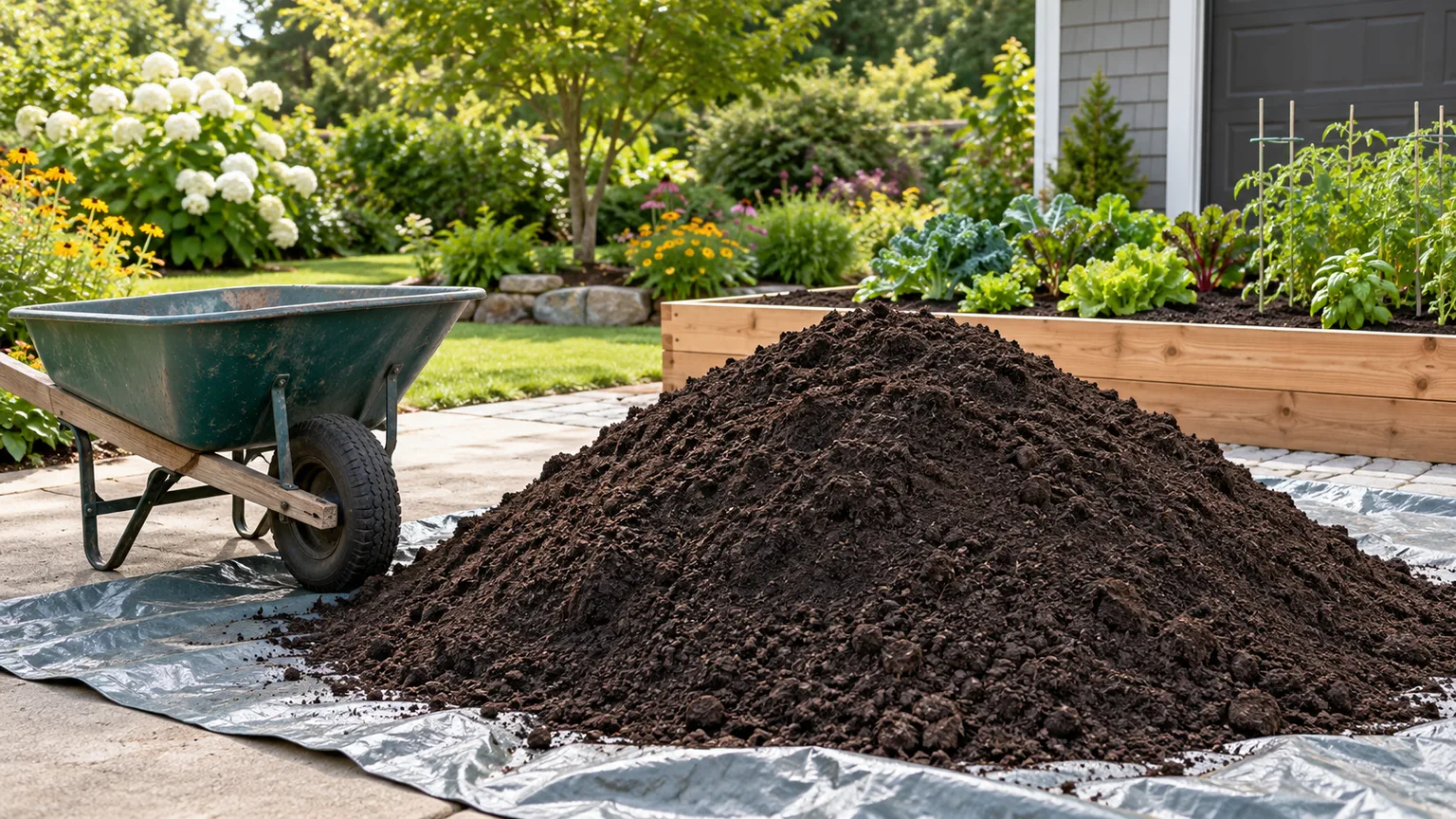
Compost can supply nutrients, but the amount and release rate depend on the source material and how fully it decomposed. It should not automatically replace a fertilizer plan for a demanding crop. If a soil test shows adequate phosphorus or other nutrients, adding compost simply because it is natural can make an existing imbalance worse. Think of compost first as a soil-building material, then as a nutrient source whose contribution depends on the batch and the bed. Savvy Gardening also distinguishes compost as an amendment from other products sold to improve soil and recommends matching any addition to the bed’s actual needs (Savvy Gardening’s guide to garden soil amendments).
What mulch changes at the surface
Mulch is a layer, not a recipe. Its immediate effect comes from placing material between the sun, wind, rain, and bare soil. A well-chosen layer can reduce evaporation, soften temperature swings, limit light reaching weed seeds, and reduce the force of raindrops that can crust or displace soil. As organic mulch breaks down, it returns organic matter; unlike compost, that benefit is gradual and depends on how quickly the material decomposes.
Mulch works best when it matches the site. Fine shredded material settles into a closer cover and breaks down sooner; coarse chips leave larger gaps and last longer. A path has different needs from a vegetable bed: the path benefits from durable chips that can tolerate foot traffic, while a planted bed may need a finer cover that is easy to move for sowing, feeding, or transplanting. The University of Minnesota Extension’s discussion of mulch alternatives for vegetable production shows why material choice involves tradeoffs among weed suppression, soil warming, moisture, crop timing, and cleanup rather than a single best mulch for every bed (University of Minnesota Extension).
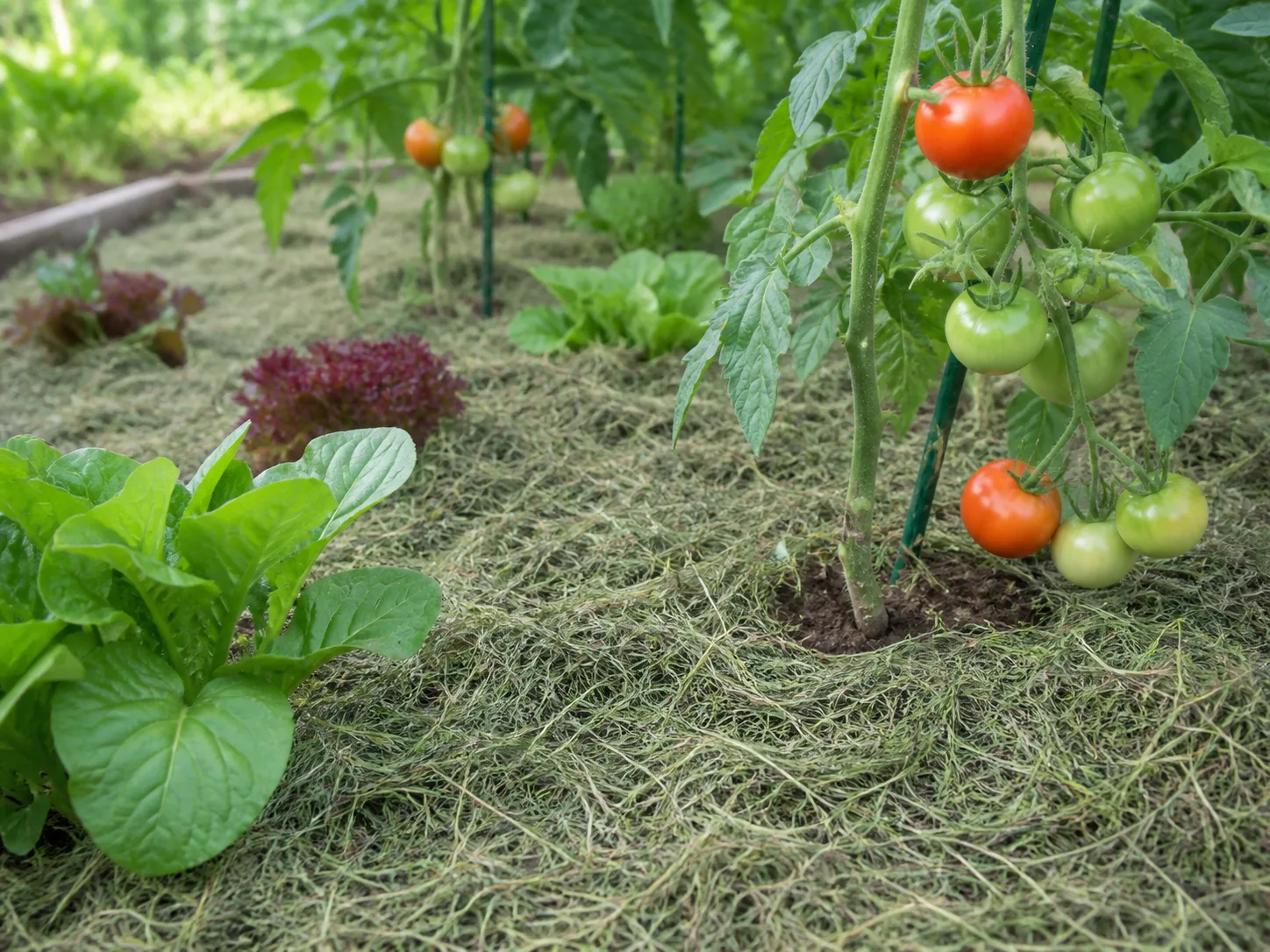
A surface layer does not correct compacted subsoil or replace an amendment where the soil lacks organic matter. It can make the growing environment steadier while protecting the surface, but water still has to reach the root zone and the soil underneath still needs suitable drainage. If weeds are already established, pull or cut them before mulching; covering a bed full of tall perennial weeds is unlikely to solve the problem by itself.
Compost vs. mulch at a glance
| Question | Compost | Mulch |
|---|---|---|
| Where does it go? | Into the soil or as a thin top dressing | On top of exposed soil |
| Main purpose | Add organic matter and improve soil condition | Protect the soil surface and manage moisture, weeds, and temperature |
| How quickly does it act? | Begins changing the soil as it decomposes and mixes in | Provides a surface barrier immediately; organic types improve soil gradually |
| Does it feed plants? | May contribute nutrients, but nutrient content varies | Usually not a dependable short-term nutrient source |
| Typical choices | Mature yard-waste, leaf, or other finished compost | Bark, wood chips, shredded leaves, straw, grass clippings, gravel, or sheets |
| Best first question | What does the soil need? | What should the surface layer do? |
The table is a starting point, not a rule that the materials must be kept apart. Compost can be used on the surface, and organic mulch eventually becomes part of the soil. The distinction is what you expect the material to do first. If the immediate goal is to stop bare soil from drying, a persistent mulch is usually easier to maintain; if the goal is to improve the rooting environment, work with the soil’s needs and the compost’s quality.
Can you use compost as mulch?
Yes. Mature compost can be spread over the surface as a mulch, especially in vegetable beds and borders where the goal is to feed soil organisms while keeping the surface covered. It is particularly convenient in a no-dig bed: lay a modest top dressing over the soil and let earthworms and other organisms incorporate it over time. You do not have to dig every amendment in, and repeated deep tilling can disrupt soil structure.
Compost is finer than most bark or chip mulch, so it usually does not last as long as a coarse cover or suppress weeds as reliably when applied thinly. A thick layer may dry into a crust, wash away on a slope, or add more phosphorus than the garden needs. Minnesota Extension notes that deep compost mulch can become difficult to wet when it dries and that excess compost can contribute to nutrient imbalance; it is a useful reminder that even a beneficial material can be overused. For a long-lived ornamental bed, use a compost top dressing for soil improvement and a suitable coarse mulch above or around it if you also need a persistent surface barrier.
Can mulch replace compost?
Sometimes, over time—but not when the bed needs a timely soil amendment. Leaves, straw, and wood-based mulches all decompose, and their residues add organic matter. If you keep the soil covered and return organic materials to the garden over multiple seasons, the soil can gradually benefit. That slow process is different from adding finished compost to a bed before planting or to a vegetable plot between crops.
An organic mulch cannot be counted on to provide a known dose of nutrients. Woody mulch decomposes slowly, and its nutrient contribution depends on its composition, particle size, and environment. If a crop has a specific nutrient need, use a soil test and crop-appropriate fertilizer guidance rather than waiting for surface chips to break down. Inorganic covers such as gravel or landscape fabric may protect the surface or suppress weeds, but they do not become organic matter. If your goal includes building soil, choose a biodegradable material or add compost separately.
When compost is the better tool
Use compost when the soil needs more organic matter, when you are establishing a new bed, or when you are refreshing an intensively planted vegetable plot. It can be incorporated before sowing or transplanting, lightly raked into the upper soil, or left as a surface dressing in a no-dig system. Penn State Extension recommends adding organic matter when creating or expanding a bed and describes incorporating roughly 1 to 3 inches into the upper 6 to 12 inches as one home-garden approach; the right amount still depends on the existing soil and the material you are using (Penn State’s soil-health guidance).
A soil test becomes especially useful when compost is added year after year, when plants show poor growth despite regular feeding, or when you do not know the history of a bed. Some composts contain substantial phosphorus or soluble salts, and the nutrient profile varies. Penn State’s compost guidance advises testing soil and compost where rates matter rather than applying continuously by habit. For a new garden, the practical sequence is to inspect drainage, test if possible, add a measured amount of suitable compost, then mulch only if the surface also needs protection.
When mulch is the better tool
Use mulch when you want to protect bare soil between established plants, reduce the rate at which the surface dries, or suppress annual weeds. A cover can also limit erosion and temperature extremes. Mulch is helpful under shrubs, around perennials, between vegetable rows, and on paths, but material and depth should follow the task. Fine straw can keep fruit cleaner in a vegetable bed; coarse wood chips can make a durable path; shredded leaves can cover soil while breaking down more quickly.
Mulch cannot eliminate every weed. It is most effective against seeds that need light to germinate, not well-established perennial weeds that push through or spread underground. Lay mulch after removing existing weeds and watering the bed, and keep enough space around stems for airflow. In spring, avoid using an insulating layer too early over cold, wet soil when you are trying to warm it for seed germination or heat-loving crops. In hot or dry weather, a soil cover may be valuable sooner, but check that rain or irrigation can still penetrate it.
When to use both, and in what order
Compost and mulch work well together when the garden needs both soil improvement and surface protection. First decide whether the soil needs compost, then decide whether the exposed surface needs a longer-lasting cover. For an established vegetable bed, for example, you might spread a modest layer of finished compost, gently scratch it into the top layer if appropriate, water the bed, and then cover the open spaces with straw or another crop-compatible mulch.
The same pairing works in a perennial border: use compost as a thin top dressing around plants, then spread bark or shredded leaves on the bare soil between them. Do not bury crowns, low stems, or the bases of shrubs under either material. Penn State Extension recommends keeping mulch several inches away from shrub and tree stems and trunks; a small open ring prevents persistent wetness and reduces the risk of decay or other stem problems (Penn State’s soil-health guidance).
The order matters because a coarse mulch laid down first blocks access to the soil. If you need to add compost beneath it, pull the mulch aside, apply the compost, and replace the mulch without increasing the total depth. You do not need to add both materials every year. Check what remains from the previous season, whether the soil is already improving, and what the crop or bed actually needs before topping up.
Choose mulch by material and garden zone
Bark and wood chips are slower to break down and are often most useful in shrub borders, around long-lived perennials, and on paths where durability matters. They can be awkward around tiny seeds or crops that need frequent shallow cultivation. If the chips are fresh, keep them on the soil surface rather than mixing them into the active root zone. In vegetable systems with narrow beds, wood chips can migrate into crop rows and make planting or cultivation harder; Minnesota Extension describes them as better suited to pathways in many such systems.
Shredded leaves are a versatile home-garden material. Whole leaves can mat into a dense sheet, so shred or chop them when a loose, permeable layer is important. Shredded leaves can be used as mulch or allowed to decompose into leaf mold. Straw is light and useful around vegetable plants, but quality matters: seed-bearing straw can introduce grasses or weeds, and a thick layer can keep cool-season beds colder. Ask about the source, spread it loosely enough for water and air to move, and check beneath it if slugs or persistent dampness are concerns.
Grass clippings can be used in thin, dry layers; a thick wet pile tends to mat and heat rather than function like a loose mulch. Use clippings only when the lawn has not recently received a herbicide that could injure garden plants, and allow fresh clippings to dry before layering. Gravel, landscape fabric, and plastic may serve specialized design or crop-production purposes, but they do not replenish soil organic matter. Fabric can become difficult to remove as weeds root through it, while plastic can limit water entry except where it is perforated or irrigated beneath. Match a material to the job and local climate instead of choosing only by color or lowest price.

How much compost or mulch should you apply?
There is no universal annual dose. Penn State Extension gives 1 to 3 inches of organic matter incorporated into garden soil as a starting approach for some home beds, while Joe Gardener describes using roughly an inch of compost as a gradual surface amendment in his own garden. These figures are examples, not prescriptions for every soil. If your bed already has high organic matter, excess phosphorus, poor drainage, or a history of repeated compost additions, test first and apply less—or skip compost until the soil needs it.
For surface mulch, Penn State’s home-garden guidance describes a uniform 2- to 4-inch layer of organic material, with the amount adjusted for whatever remains from the previous year. Particle size matters: coarse chips have more air space than fine shredded leaves, so the same measured depth does not create the same barrier. Start with enough material to cover soil evenly rather than building a mound. If water pools, the layer mats, or plant crowns remain wet, rake it thinner; if soil is exposed and weeds emerge, add a modest amount.
For bulk calculations, one cubic yard covers about 324 square feet at 1 inch deep, or about 108 square feet at 3 inches deep, before settling. Measure the bed rather than ordering by guesswork, then account for existing material. You can often use less by topping up only thin spots instead of removing sound, decomposing mulch and starting over each spring. Joe Gardener’s practical guide makes the same useful distinction between finer materials for planted beds and larger, slower-breaking chips for paths (Joe Gardener on mulch).
How to apply both without stressing plants
Start with the soil, not the wheelbarrow. Check whether it is compacted, unusually wet, sandy, or already rich in organic matter; use a soil test when nutrient levels are uncertain. Do not dig or till wet soil, because it can smear and compact. Pull weeds, remove diseased debris, and water dry soil before applying compost or mulch so that the materials do not seal in a dry surface.
If you are amending a new bed, spread the measured compost evenly and incorporate it only as deeply as the bed preparation requires; avoid repeated deep tilling. In an established no-dig bed, leave finished compost on the surface or work it in shallowly without disturbing roots. Once the soil is moist and the planting is complete, spread mulch over the bare spaces. Keep it away from trunks, crowns, and stems, and open a small gap around irrigation emitters if a dense cover blocks water from reaching the root zone.
A simple check a few days later can prevent several problems: lift a corner of mulch, feel the soil below, and see whether water penetrated. If the soil remains dry underneath, irrigate more slowly or open the cover around the drip line. If it stays saturated or smells sour, pull mulch back and investigate drainage rather than adding another layer. The best depth is one that covers the soil while still letting water, air, and routine bed work reach the roots.
Does wood mulch steal nitrogen?
The phrase is too broad. Fresh woody material can temporarily tie up nitrogen when it is mixed into soil, because microbes decomposing high-carbon material use nitrogen. Penn State Extension cautions against incorporating fresh wood chips, bark, or sawdust as a soil amendment for this reason; Minnesota Extension likewise notes that wood chips can compete with crops for nitrogen when they are too close to the rooting zone.
That does not mean every surface layer of wood chips will pull nitrogen out of a whole bed or that you should automatically fertilize after mulching. Keep coarse wood mulch on top, use it where it is suited—often paths or established landscape beds—and avoid mixing it into the vegetable root zone. Penn State Extension specifically warns about incorporation of fresh woody materials, while Minnesota Extension discusses keeping chips away from crop rooting zones (Penn State Extension; University of Minnesota Extension). If you do need to incorporate woody material, compost it first or allow it to age, and base any fertilizer decision on a soil test or crop-specific recommendation. Symptoms such as pale leaves can have several causes, so adding nitrogen solely because a mulch is present may create a different imbalance.
Mistakes that make either material less useful
The biggest compost mistake is assuming that more is always better. Compost varies in nutrients, and heavy repeated applications can raise phosphorus or salt levels beyond what plants need. Another mistake is using raw or partly decomposed material directly around young roots; unfinished material can heat, settle, or decompose unpredictably. If compost is sour-smelling, visibly full of undecomposed scraps, or from an uncertain source, let it finish or choose a tested product before spreading it among edible crops.
The classic mulch mistake is piling it against a tree trunk or shrub stems. Keep several inches clear, use a broad even layer, and do not build a steep ring around the plant. A second mistake is laying fresh mulch on top of a deep old layer without measuring what remains; excessive depth can keep crowns and soil too wet, obstruct irrigation, and make maintenance harder. A third is expecting mulch to kill established perennial weeds without first removing them.
Avoid treating landscape fabric as a one-time permanent solution. Soil and organic debris accumulate above it, where weed seeds can germinate; roots may weave into the fabric and make later removal difficult. Colored or bagged mulches also deserve a quick look at the label and source, especially around edible beds. In every case, choose material whose composition is known, keep it where it can do its job, and check the soil response rather than following a calendar automatically.
Quick choices for common garden situations
- A new vegetable bed: Test the soil if possible, incorporate a measured amount of finished compost if it needs organic matter, then mulch after planting only where a surface cover will help. Avoid burying tiny seeds under a coarse layer.
- A dry perennial border: Use compost as a thin soil-building top dressing if needed, then cover bare soil with leaves or bark. Leave plant crowns and woody stems exposed.
- A shrub bed with persistent weeds: Remove existing weeds first, then use a uniform, long-lasting surface mulch. Compost may be useful underneath only if the soil needs it; it is not mandatory.
- A garden path: Use coarse wood chips or another durable surface material. Compost is wasted there unless the path is also being converted into a planting bed.
- A raised bed between crops: Add a modest compost layer if the soil or crop rotation calls for it. A light mulch can help keep the bed covered between plantings, but pull it aside for direct seeding and let the soil warm when needed.
- A bed with high phosphorus or repeated compost additions: Pause compost and follow a soil-test recommendation. Maintain soil cover with leaves or a suitable low-nutrient mulch instead.
These examples show why the question is not simply which material is better. Start with the job: amend the rooting environment, protect the soil surface, or do both with a deliberate sequence.
Conclusion
Compost and mulch solve different garden problems. Compost is a soil amendment that adds organic matter and may contribute nutrients; mulch is a surface cover that manages moisture, weeds, temperature, and erosion. Organic mulch will eventually add organic matter too, but its effect is slower and less predictable than finished compost.
Use compost when the soil or crop needs it, use mulch when the surface needs protection, and combine them when both goals matter. Keep applications measured, account for material already in the bed, leave stems and trunks clear, and use soil-test results to avoid overfeeding. That simple decision process produces a bed that is easier to plant, water, and maintain season after season.



