How to Grow and Care for Strawberry Shake Philodendron
Learn Strawberry Shake Philodendron care, from bright filtered light and soil-check watering to support, propagation, and realistic variegation troubleshooting.
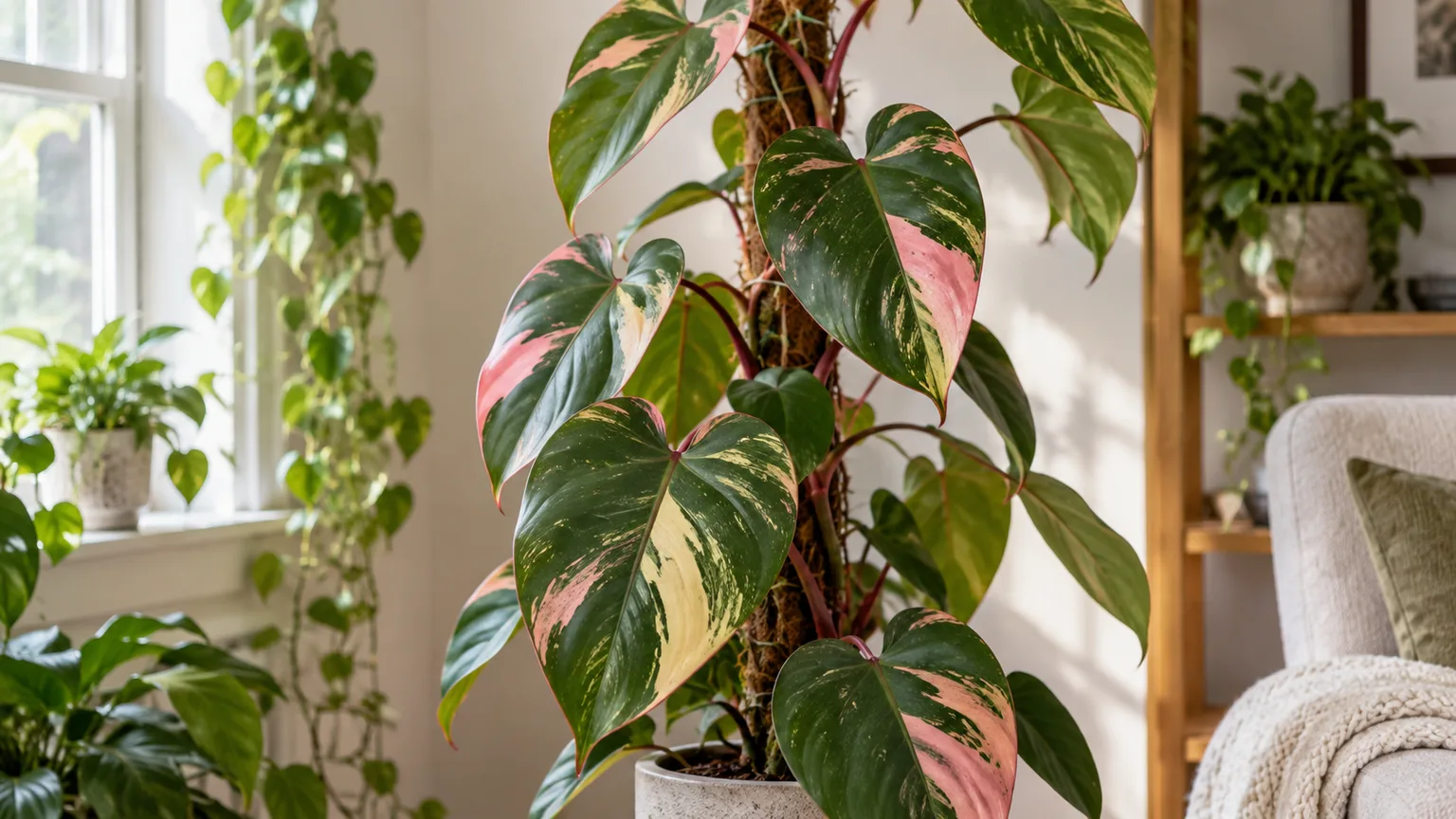
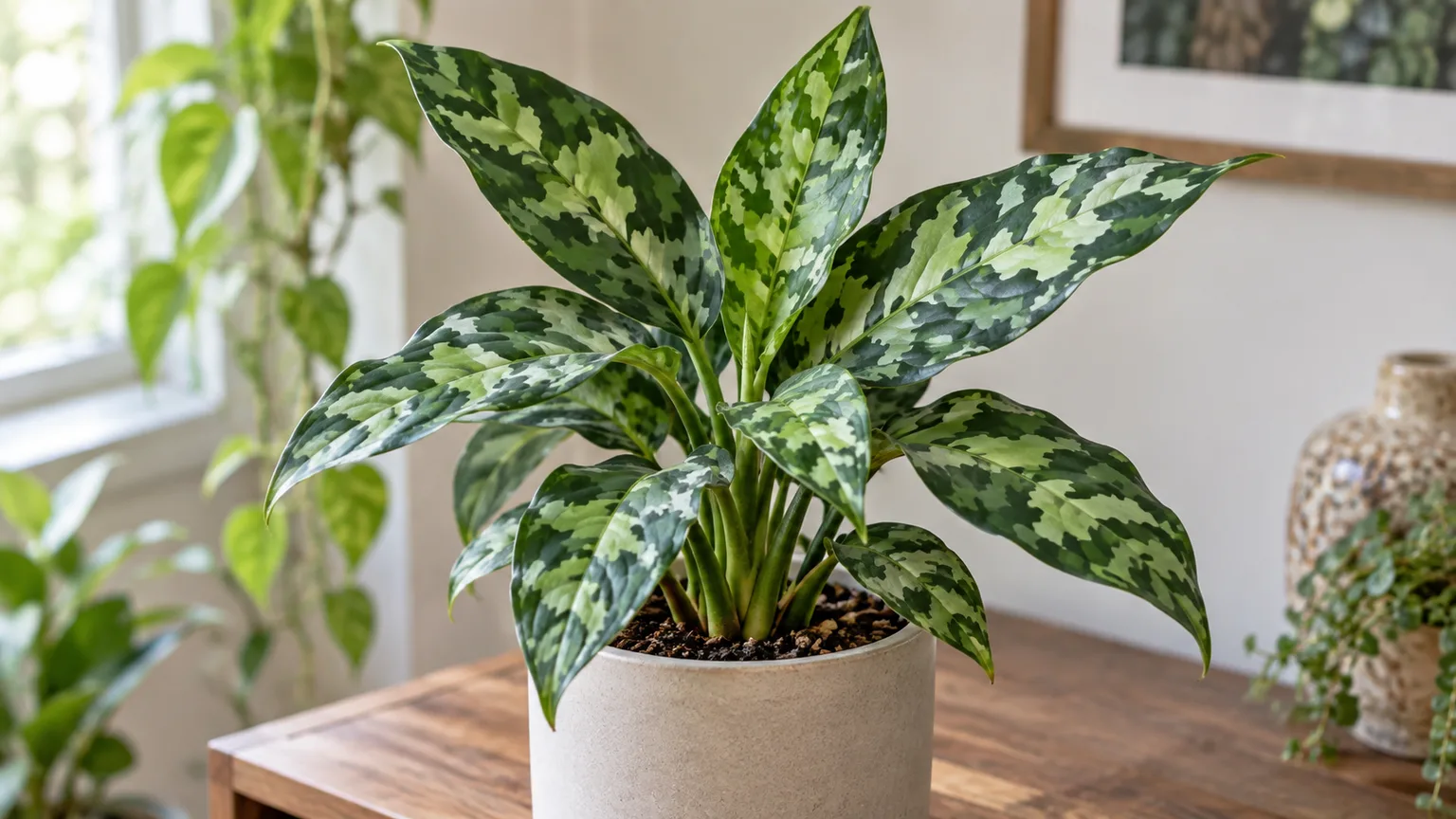
Strawberry Shake Philodendron is grown for leaves marked in shifting patches of green, cream, yellow, and pink. It is also a climbing tropical plant, so its long-term success depends less on elaborate equipment than on a few steady conditions: bright filtered light, an airy potting mix, thorough watering followed by partial dry-down, warmth, and support as the stem lengthens.
Color is the part you cannot schedule. Two leaves on the same plant may carry different amounts of variegation, and a brighter spot cannot recolor a leaf that has already opened. The care below is designed to keep the plant growing strongly and give new growth a good chance to show its characteristic pattern, while avoiding the common trap of responding to every green or yellow leaf with fertilizer or extra water.
Strawberry Shake Philodendron at a Glance
| Care factor | Practical starting point | Watch for |
|---|---|---|
| Light | Bright, indirect or filtered light for much of the day | Long bare stem sections indicate too little usable light; pale, crisp patches suggest harsh sun |
| Water | Let the upper 1–2 inches of mix dry, then water through and drain | A pot that stays heavy and wet for many days needs a root-zone check |
| Soil | Airy, moisture-retentive aroid mix | Dense, compact mix dries slowly and can starve roots of oxygen |
| Temperature | About 65–85°F (18–29°C); protect from cold drafts | Growth slows in cool rooms, especially when the soil stays wet |
| Humidity | Ordinary indoor humidity can work; moderate humidity helps new leaves unfurl | Dry air can worsen crispy edges, but misting is not a lasting humidity fix |
| Growth habit | Climbing philodendron; a pole or trellis is optional but useful | Unsupported stems may lean or sprawl |
| Pet safety | Keep out of reach of cats, dogs, and young children | Philodendrons contain irritating calcium oxalate crystals if chewed |
These are starting points, not a weekly care schedule. A small plant in a bright warm room can use water faster than a larger plant in a cool corner, even if both are in identical pots. The North Carolina State Extension profile for Philodendron erubescens describes the parent species as a warm-growing climber that prefers moist, well-drained soil and partial shade; the Royal Horticultural Society likewise recommends bright indirect light and watering after the top few centimeters dry. Those species-level recommendations are more dependable than exact schedules attached to a rare cultivar.
What Its Color Can—and Cannot—Tell You
Strawberry Shake is commonly sold as a colored selection of Philodendron erubescens, a tropical climbing philodendron. The species is native to Colombia, and NC State Extension describes it as a climbing herbaceous perennial with heart-shaped leaves and reddish petioles. Strawberry Shake stands out for the irregular cream, yellow, and pink tones mixed with green, but detailed horticultural trials on this specific cultivar are limited. That means familiar P. erubescens care is a sound starting point, while a seller’s precise temperature or humidity promise should not be treated as a universal rule.
Variegation is a pattern in which parts of a leaf have less chlorophyll than green tissue. Green areas do more of the photosynthetic work; pale and pink areas contribute less, so a heavily patterned leaf may not power growth as efficiently as a greener one. The pattern can differ between leaves because the growing point does not necessarily produce the same color distribution each time. Garden Betty’s discussion of the related Pink Princess cultivar illustrates this leaf-to-leaf variability in another P. erubescens selection, but it does not establish an identical pattern or response for Strawberry Shake.
Use that distinction when judging the plant. A single mostly green leaf is not enough to diagnose a care failure if the stem is firm and later leaves resume color. A run of smaller, greener leaves paired with long gaps between nodes is a stronger reason to review light. By contrast, white or tan sections that turn papery after a plant sits in direct afternoon sun point toward scorch. Care can support healthy new growth; it cannot guarantee a particular percentage of pink or cream.
Find Bright, Filtered Light Without Scorching the Leaves
Place the plant where it receives bright light for a large part of the day but where hot direct sun does not sit on the foliage for hours. An east-facing window often provides gentle morning light. A bright south- or west-facing window can work with a sheer curtain or by moving the plant back from the glass, especially in summer. The goal is not a dark rainforest corner: NC State and RHS both advise partial or filtered light for philodendrons, and a variegated plant in a dim spot may grow slowly and stretch toward the window.
Color changes alone are an imperfect light meter. Compare the newest leaves and the spacing along the stem instead of expecting every leaf to match. If new leaves become consistently smaller or greener and the plant leans, increase light in small steps. If pale sectors develop dry, sharply bounded tan patches on the window-facing side, reduce direct exposure before changing water or fertilizer.
Adjust a Window or Grow Light Gradually
Move a plant from a dim shelf toward a brighter window over several days rather than placing it straight into strong sun. This gives foliage time to adjust and makes it easier to tell whether a new position is helping. Turn the pot occasionally for balanced exposure, but do not repeatedly relocate it in response to one leaf; stable placement provides clearer feedback.
In a room without a bright window, a full-spectrum grow light can supplement ambient light. Keep it far enough from the leaves that they remain cool to the touch, follow the fixture maker’s distance guidance, and begin with a moderate daily cycle rather than running a powerful lamp around the clock. If a grow light is close enough to warm the pink or cream sections, increase distance. Do not increase light and fertilizer simultaneously; if the plant improves, you want to know which change helped.
Water After the Mix Partly Dries, Not by the Calendar
Check the potting mix before watering. When the upper inch or two feels dry but the lower root zone is not bone-dry, water slowly over the surface until excess flows through the drainage holes. Empty the saucer or cachepot so the roots do not sit in runoff. This thorough drink followed by a partial dry-down is safer than frequent small splashes, which can keep the center of a dense root ball wet while the surface looks dry.
How often that point arrives depends on light, temperature, pot size, and mix. A plant growing actively near a bright window may need water more often in spring and summer; a plant in winter’s shorter days usually dries more slowly. The calendar can remind you to check, but it should not decide. The RHS advises allowing the top few centimeters of compost to dry and warns that saturated compost can rot philodendron roots. Epic Gardening gives similar practical guidance for philodendron houseplants: maintain moisture without leaving the mix soggy.
If water immediately runs down the pot wall, the mix may have become hydrophobic. Soak the nursery pot briefly in a bowl of water, let it drain completely, then reassess the mix and roots before repeating. If the pot remains heavy for many days, do not add water because leaves look droopy; inspect drainage, temperature, and root health first. Drooping can follow both thirst and oxygen-starved roots, and adding more water to the latter makes the problem worse.
Build an Airy Root Zone and Use a Draining Pot
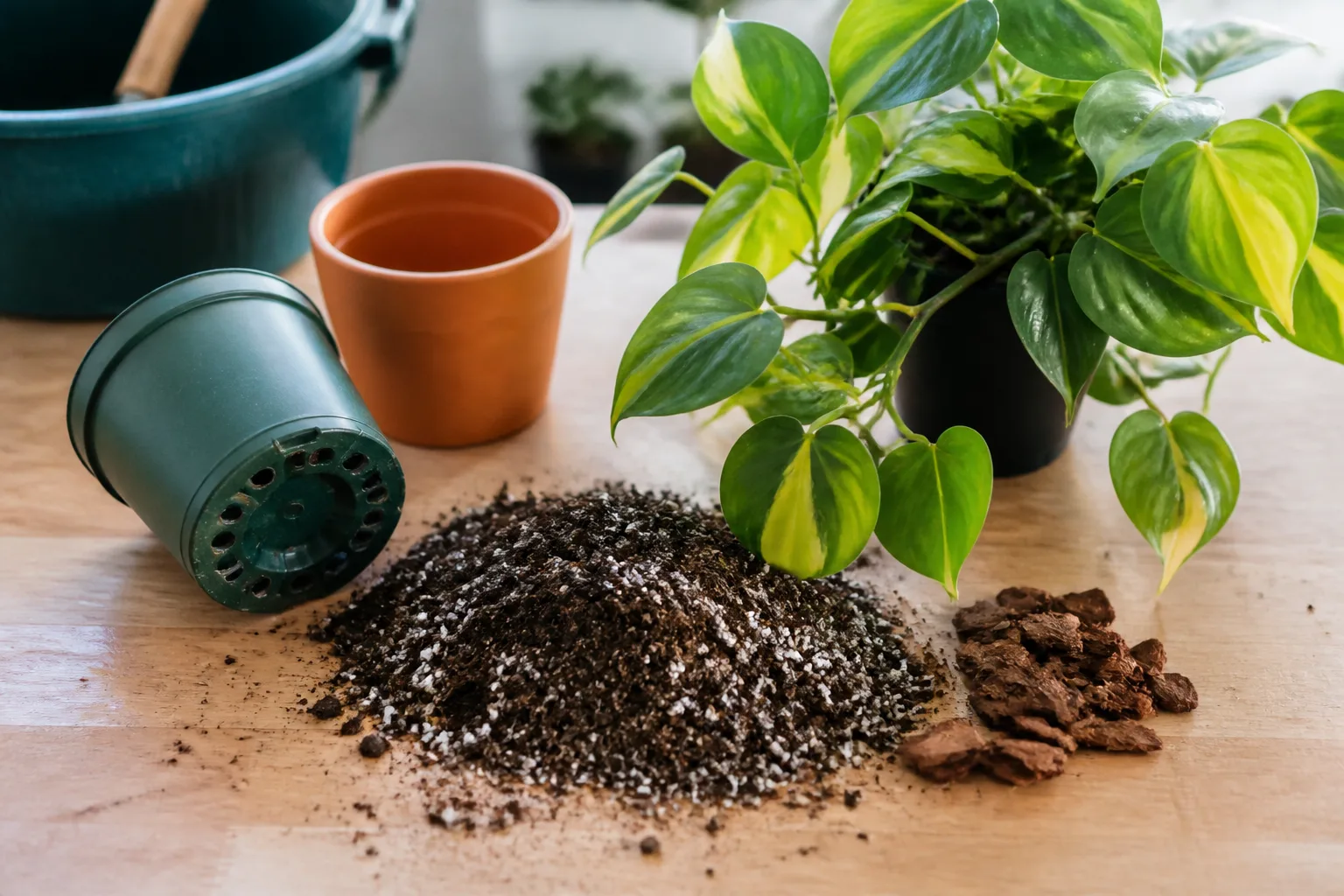
Use a loose indoor aroid mix that holds some moisture but leaves air around the roots. A practical starting recipe is one part quality houseplant potting mix, one part fine orchid bark, and one part perlite or pumice. If the room is very dry or the plant dries too quickly, increase the potting mix slightly. If the pot stays wet for an uncomfortably long time, use a coarser blend or improve the light and warmth before watering again. The best mix is the one that dries predictably in your room, not a magic recipe measured to the gram.
Choose a container with unobstructed drainage holes. A decorative cachepot is fine as an outer cover if you remove the nursery pot to water and pour away runoff. Do not fill the bottom of a pot without holes with gravel and expect it to function as drainage; water can still collect above that layer and saturate roots. The pot should fit the root ball snugly, with a little space for fresh mix, rather than dwarfing a small plant in a large volume of wet soil.
The leaf canopy can look dry while the pot’s center remains wet. Check with a finger or a wooden skewer inserted a few inches into the mix, and lift the pot to learn its usual “just watered” versus “nearly ready” weight. After a few cycles, those cues provide a better watering rhythm than a generic weekly number.
Keep It Warm, With Useful Humidity and Airflow
Normal comfortable indoor temperatures are usually suitable. NC State gives 65–85°F (18–29°C) as a range for P. erubescens and advises protecting it from cold drafts. Keep the plant away from an exterior door that opens into winter air, an air-conditioning outlet, or a heater that blows hot dry air directly across the leaves. Below about 60°F (16°C), growth may slow; cool roots also use water more slowly, which is why a winter watering interval should not be copied from summer.
Higher humidity can help delicate new leaves unfurl without sticking or tearing, but you do not need to turn an entire home into a greenhouse. The RHS notes that many philodendrons grow well in ordinary home conditions without exceptionally high humidity. If leaf edges repeatedly crisp while roots are healthy and watering is consistent, measure the room with a small hygrometer. A modest humidifier near the plant can improve local conditions; leave enough space for air to circulate and clean the unit as directed.
Misting changes humidity only briefly and leaves foliage wet. It is not a substitute for ambient moisture and can prolong leaf wetness if the room is cool or stagnant. Keep leaves reasonably clean with a damp cloth when needed, water at the soil line, and leave enough room between plants for airflow. A humidity adjustment is useful when the room is genuinely dry, but it will not repair roots already damaged by standing water.
Fertilize Only While Growth Is Active
Feed during spring and summer when the plant is producing new leaves. Use a balanced liquid houseplant fertilizer at the label’s conservative indoor rate, or dilute it if the product is intended for faster-growing outdoor plants. Apply it to already moist mix rather than a bone-dry root ball. If the plant is not growing because it is cold, poorly lit, recently repotted, or root-bound, fertilizer will not solve the underlying issue.
Reduce or pause feeding through darker months when growth slows. A pale leaf does not automatically mean the plant needs fertilizer: light, root damage, old foliage, and natural pattern variation can all produce color changes. White crust on the mix or pot rim, browned tips after repeated feeding, or a sour buildup smell are reasons to flush the mix with plain water during the next appropriate watering and review the dose. Never apply extra fertilizer to force more pink; excess salts can damage roots without controlling variegation.
Support the Climbing Stem Before It Sprawls
The parent species is a climber, and Strawberry Shake can be trained up a moss pole, coir pole, or sturdy trellis. A support keeps the plant upright and arranges leaves toward the light; as a stem climbs, mature foliage may enlarge under suitable growing conditions. Support is optional if you prefer a trailing shape and the pot is stable, but an unsupported stem may lean, sprawl, or leave the pot’s footprint.
Insert a pole near the stem during repotting when possible, so you are less likely to spear major roots. Attach the stem loosely with soft plant tape or a clip around the stem, not a petiole. Aim the nodes and aerial roots toward the pole, then check ties as the stem thickens. If you use a moss pole, keep it lightly moist rather than saturated. Roots may attach over time; they do not need to be forced or pulled into the moss.

Prune for Shape Without Chasing a Guaranteed Color Pattern
Remove yellow, dead, or badly damaged leaves with clean, sharp shears. If a vine becomes too long, you can shorten it just above a healthy node; that cut may stimulate a side shoot below the cut. Wear gloves if the sap irritates your skin, clean the blade afterward, and avoid removing a large share of healthy foliage at once. The plant needs its green leaves to make energy, including when those leaves are less colorful than you hoped.
If several consecutive new leaves are almost entirely green, first make sure the plant has adequate bright filtered light. Watch the stem at the newest nodes for a streak of pink or cream, and give the plant a few weeks of stable conditions before cutting. If a whole active section continues to produce all-green growth, pruning back to a node with visible color may encourage a different bud to grow, but it cannot guarantee the next leaves will match. Do not prune just because one leaf has a different pattern; leaf-to-leaf variation is normal for a variegated plant.
Pruning is also not a reliable way to turn a very pale leaf pink. Cream or pink tissue has less chlorophyll, so an almost entirely pale leaf may be short-lived or prone to browning. The useful aim is a vigorous stem with a balanced mix of green and colored tissue, not the largest possible patch on every leaf.
Repot When Roots or the Mix Give You a Reason
Repot when roots circle the pot densely, emerge from the drainage holes, or the mix has broken down and stays wet or compacted. One root at a drain hole is not an emergency. A plant can remain in a slightly crowded container while it is growing well and the mix drains normally; unnecessary repotting removes stable root contact and creates work without solving a real problem.
When a change is due, move up only one pot size—roughly 1–2 inches wider than the current pot—and use fresh, airy mix. Spring and early summer are convenient because the plant is entering active growth, but correcting a waterlogged, rotting root system should not wait for a particular month. If roots are healthy, loosen only the outer circling roots. Trim black, mushy roots with sterilized shears if rot is present, then pot into fresh mix and a clean container with drainage.
After repotting, water thoroughly and drain the pot. Keep the plant in bright indirect light and avoid fertilizing until it has settled and resumed growth. If you also plan to install a pole, do it during the same repot rather than disturbing the roots repeatedly. A brief pause in growth after repotting can be normal; repeated leaf drop or a sour, wet root ball calls for a drainage and watering check.
Propagate a Stem Cutting That Includes a Node
Strawberry Shake is propagated from a stem section with at least one viable node. A leaf with its petiole but no node cannot make a new climbing stem. Before cutting, identify a healthy section with a firm node, an aerial-root nub if available, and at least one leaf. If keeping the variegated look matters, choose a section from a stem that shows color, while understanding that the resulting plant’s future leaves may still vary.
Use clean shears and cut just below the node. Remove any leaf that would sit under water or in the rooting medium, but keep a healthy leaf above the surface. Set the node in clean water, damp sphagnum, or lightly moist aroid mix; do not bury the leaf or pack wet moss tightly around the stem. Give the cutting warmth and bright indirect light. For water, refresh it when cloudy and keep the node submerged while leaves stay dry. For moss or mix, keep the medium evenly damp rather than waterlogged and allow some ventilation.
Wait for roots to branch before moving the cutting into a pot. A root about 1–2 inches long is a reasonable first cue, but a few roots with side branches handle the change better than one short root. Plant the cutting in a small draining pot with the same airy mix used for the parent. Keep the mix slightly more evenly moist during the first settling period, then return to the usual partial dry-down. A clear cover can hold humidity temporarily, but open it daily and remove it once the cutting is stable so stagnant moisture does not invite rot.

Choose Water, Moss, or Potting Mix
Water makes root progress visible and is easy to refresh, but roots formed in water have to adjust when planted in an airy substrate. Sphagnum holds moisture around a node while retaining air if it is fluffy and not packed down; check it often because small containers can dry quickly. Rooting directly in the final mix avoids a water-to-soil transition, but you cannot watch roots as easily and the mix must be kept lightly moist without staying soggy. Choose the method you can monitor consistently rather than switching media repeatedly when roots take a few weeks to appear.
Do not take multiple large cuttings from a weak parent plant. A cutting with two or more nodes gives you options for placement and makes it easier to keep the leaf above the rooting medium, but the parent still needs enough green foliage to recover. If you have only one healthy node, propagate that single node rather than sacrificing several leaves for a more elaborate setup.
Troubleshoot Symptoms in the Right Order
Start by looking at the whole pattern: which leaves changed, where the plant sits, how long the mix stays wet, and whether the stem is still producing new growth. Change one variable at a time. Moving the plant, repotting it, and increasing fertilizer in the same weekend makes it difficult to learn what the symptom meant.
Green Growth, Fading Color, or Slow Growth
If new leaves are greener and smaller while the stem stretches toward a window, increase indirect light gradually. If growth is still healthy and only one leaf is greener, wait and observe rather than pruning immediately. Existing leaves will not recolor; judge whether the next few leaves improve after placement stabilizes. If green-only growth continues despite appropriate light, the active stem section may have limited variegation. A careful cut back to a node showing color is an experiment, not a guarantee.
Slow growth alone can be normal in a recently purchased or recently repotted plant, particularly in winter. Check temperature, light, and drainage before adding fertilizer. A plant that is warm, bright, and actively producing leaves may grow faster than a dim, cool specimen; this does not mean the slower plant needs to be watered on the same schedule.
Yellow Leaves, Brown Patches, and Leaf Spots
One older bottom leaf yellowing while the rest of the plant grows can be normal aging. Several yellow leaves at once call for a root-zone check: feel the mix, lift the pot, smell near the drainage holes, and look for a saucer holding water. If the soil is wet and roots or stems feel soft, correct drainage and remove rot rather than watering again. If the soil is dry and the pot is unusually light, water thoroughly and check that the mix actually absorbs it.
Brown patches concentrated on the window-facing side, especially on pale tissue, often indicate direct sun or heat. Filter the light and keep the plant away from hot glass. Brown tips around multiple leaves can reflect dry air, irregular watering, or fertilizer salts; check those conditions before misting. Small spreading dark or rust-colored spots may be leaf disease, particularly when foliage stays wet and air is still. Remove badly affected leaves, keep water off the foliage, isolate the plant if spots are spreading, and seek species-specific treatment guidance before applying a fungicide.
Pests and Root Problems
Inspect the undersides of leaves, stem joints, and new growth for spider mites, mealybugs, scale, and thrips. Fine webbing, sticky residue, pale stippling, cottony clusters, or silvery scarring are useful clues, but check with a hand lens before treating. Isolate an affected plant, wipe or rinse pests off where practical, and use only a product labeled for the plant and pest in your location. Follow its instructions for repeat applications; one treatment may miss eggs or insects tucked into leaf joints.
Root rot is more likely when a pot remains wet, the lower stem softens, or leaves yellow while the plant is drooping. Take the plant out only if those signs or poor drainage justify it. Remove mushy roots with clean shears, discard waterlogged old mix, and repot in fresh airy substrate. A wilted plant with dry mix needs water; a wilted plant in cold, soggy mix needs oxygen and drainage. That distinction prevents the most common well-meant mistake: adding water to roots that are already suffocating.
Buy Carefully, Quarantine, and Plan Safe Placement
When buying a collector philodendron, look at the growing point and stem as well as the most colorful leaf. Choose a plant with firm stems, several healthy leaves, and no visible pests or sour-smelling substrate. Ask the seller for a recent whole-plant photo if shopping online, and check that the stem has viable nodes for future growth. A striking leaf does not tell you whether the active growth point will produce the same pattern. Since cultivar-specific references and stock descriptions can be inconsistent, buy from a seller who identifies the plant clearly and offers a reasonable return or health policy rather than paying a premium based on one cropped image.
Keep a new plant away from your other houseplants for about two weeks while you inspect it. Check leaf undersides and stem joints every few days, and do not immediately repot a healthy plant unless the mix is saturated, pests are present, or the pot has no drainage. Letting it acclimate first gives you a baseline for its leaf posture and water use. Avoid placing it in direct sun just because the nursery display was bright; filtered light is a safer starting point.
Philodendrons are not pet-safe plants. NC State Extension identifies calcium oxalate crystals in philodendron tissues and reports mouth and stomach irritation if ingested; sap can irritate skin. The ASPCA lists philodendron as toxic to dogs and cats. Place the pot where children and pets cannot chew leaves, stems, or aerial roots, and clear fallen pieces from the floor. If a pet bites the plant, contact your veterinarian or an animal poison-control service for advice rather than waiting for symptoms or trying a home remedy.
Conclusion
Good Strawberry Shake Philodendron care is a steady balance: bright filtered light for robust new growth, a potting mix that lets roots breathe, water after partial dry-down, warmth without drafts, and support for the climbing stem. Feed only when it is actively growing, repot when the roots or mix call for it, and propagate from a real node rather than a detached leaf.
The color will remain less predictable than the care routine. A greener leaf does not automatically mean failure, and brighter light cannot recolor old foliage. Watch several new leaves, adjust one condition at a time, and keep the roots healthy; that gives the plant its best chance to keep growing while letting its natural pattern be what it is. For related climbing philodendron guidance, see our Pink Princess Philodendron care guide and Philodendron toxicity guide.