When to Soak Seeds Before Planting: A Gardener's Guide
Hard-coated seeds sprout faster after soaking—but tiny or light-loving seeds can fail if you soak them. Signs, timing, and step-by-step prep explained.
You opened a seed packet, read “soak overnight,” and still wonder whether that step actually matters—or whether you are about to ruin a whole tray of tiny lettuce seed. Soaking seeds before planting helps some crops sprout days faster and improves erratic germination on hard-coated species. It does nothing useful for many others, and for a few categories it makes sowing harder or strips protective coatings you paid for.
The decision is not about habit. It is about seed coat thickness, seed size, dormancy type, and what the packet actually asks you to do. This guide gives you sign-based rules gardeners use at the potting bench: when to soak, how long, when to scarify first, and when to leave seed dry and sow straight into moist soil.
If you are building a broader spring plan, pair this with our guides on how long seeds take to sprout, how to start seeds indoors, and easiest seeds to direct sow.
The Quick Answer: Soak Only Seeds With Hard, Slow-Penetrating Coats
Soak seeds when the coat is thick, hard, or famously slow to let water through—large legumes, many cucurbits, okra, beets, parsley, sunflowers, and flowers like morning glory and sweet peas. Skip soaking for tiny seed, fast-germinating crops, light-requiring seed, and fungicide-treated seed.
Timing matters as much as the soak itself. Start 6–12 hours before you plant, never more than 24 hours in water, and plant immediately after draining. Germination has already begun once imbibition starts; dried-out soaked seed often dies on the counter.
What Seed Soaking Actually Does (and What It Does Not)
Soaking is pre-planting hydration that softens a rigid seed coat and lets water reach the embryo faster than dry seed sitting on soil might achieve in the first day or two. That jump-start can shave two to three days off visible sprouting on hard-coated crops and raises germination percentage when some seeds in a batch have thicker coats than others.
Soaking does not replace warm soil, bright light after emergence, steady moisture in the seed zone, or correct planting depth. It does not break chemical dormancy, satisfy cold-stratification requirements, or revive dead seed. If the packet says “cold stratify 30 days,” a bowl of water overnight will not substitute for winter in a refrigerator.
Physical Dormancy vs. Seeds That Just Need Moist Soil
Many garden failures get blamed on “hard seed” when the real issue is cold soil or dry surface crust. True physical dormancy means the testa (seed coat) blocks water until it softens, cracks, or is scarified. Woody ornamentals, native perennials, and some legumes evolved that barrier so seed does not sprout in a random August rainstorm.
Other seed simply needs continuous moisture at the right temperature—no pre-soak required. Lettuce, radishes, and many brassicas germinate in days when soil is cool and damp. Soaking those seeds adds handling problems without speeding biology.
Rebecca Sideman, professor of sustainable agriculture at the University of New Hampshire, notes that thick-coated seed from woody ornamentals and native perennials often carries dormancy that must be overcome before germination—soaking is one tool in that toolbox, not the whole job. Read the packet for whether scarification or cold moist stratification is also required.
Soaking, Scarification, and Stratification Are Different Tools
| Method | What it does | Typical candidates |
|---|---|---|
| Soaking | Hydrates seed; softens coat over hours | Beans, peas, beets, okra, nasturtium |
| Scarification | Physically breaches coat (nick, sandpaper, file) | Morning glory, some milkweed, lotus |
| Stratification | Cold + moist period mimics winter | Many natives, delphinium, echinacea |
You can combine scarification then soaking when water still cannot penetrate after 12 hours. Stratification often includes a soak first, then weeks in damp cold—not the same as a single overnight bowl on the kitchen counter. Colorado State University Extension emphasizes viable seed, correct depth, and steady moisture for germination; pre-treatments only help when dormancy is the bottleneck.
Seven Signs Your Seeds Probably Need Soaking
Use these garden bench signs before you fill a bowl:
-
The seed is large with a visible hard shell — dried bean, pea, corn kernel, pumpkin seed. If it looks like it could chip a tooth, water will need time to penetrate.
-
The packet says soak, scarify, or pre-chill — treat that as authoritative unless you know the species is routinely mislabeled.
-
Germination days on the packet are long — okra listing 14+ days, parsley 3–4 weeks, sweet peas erratic. Pre-soaking often pulls first sprouts into a normal window.
-
You have sown before and got spotty emergence — same fresh packet, good moisture, warm soil, but half the row empty. Uneven coat thickness is a classic cause; soaking equalizes imbibition.
-
The crop is a native or woody perennial from wild-collected seed — physical dormancy is common. Soaking alone may not be enough, but it is often step one.
-
Beet or Swiss chard “seed” is a corky cluster — each pellet contains multiple embryos. Soaking softens the cluster coat and speeds uniform sprouting.
-
You plan to nick squash-family seed anyway — if you are clipping coats with nail clippers on pumpkin or cucumber seed, soak afterward (or before) so water enters the breach.
When two or more signs apply, soaking is a high-value step—not superstition.
Five Signs You Should Skip Soaking
-
Seed is tiny and dust-like — lettuce, carrots, basil, thyme. Wet seed clumps, sticks to fingers, and cannot be spaced.
-
The species needs light to germinate — sow on the surface and keep damp; soaking creates wet handling with no payoff. Packet says “do not cover” or “press into surface.”
-
Seed is coated with fungicide or bright pink/green treatment — soaking washes the protectant off and raises rot risk in cool wet soil. Sow dry.
-
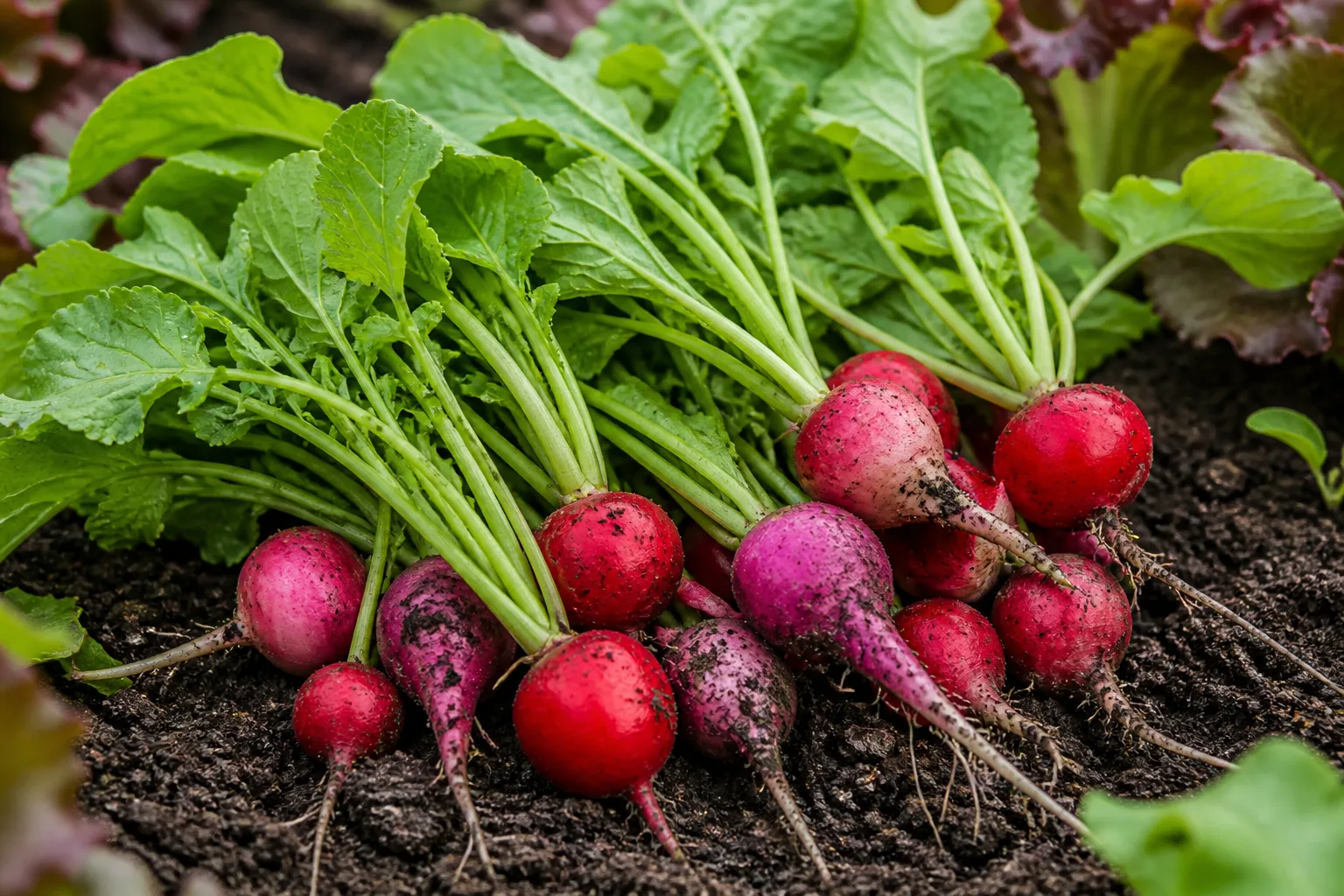
Germination is already fast in cool soil — radishes, many turnips, arugula. You gain a day but lose even spacing.
-
Gelatinous or mucilaginous seed — chia, some basil types. Soaking produces slime that is nearly impossible to sow cleanly.
Tomatoes are often debated. They are medium-sized but germinate reliably in warm moist soil within a week without soaking. Optional at best; skip if you want simpler handling.
When to Soak Seeds in Your Planting Timeline
Soak one day before, or the morning of, planting—not a week ahead while life gets busy. The UF/IFAS Gardening Solutions advanced seed-starting guide notes that overnight soaking fits practical schedules: start in the evening, plant the next morning after eight hours.
Indoor starts: soak the night before you fill trays so seedlings go under lights the same day. Outdoor direct sow: soak the evening before a planned sowing date when soil temperature already meets the crop minimum—check with a soil thermometer, not the calendar alone. The Iowa State germination requirements chart for annuals and vegetables lists minimum and optimum soil temperatures; soaking does not let you cheat a 70°F cucurbit requirement in 50°F mud.
Do not soak until soil is workable and you have seed starting mix or a prepared bed ready. Soaked seed cannot sit on the counter while you hunt for a tray.
How to Soak Seeds the Right Way

Water Temperature and Container Setup
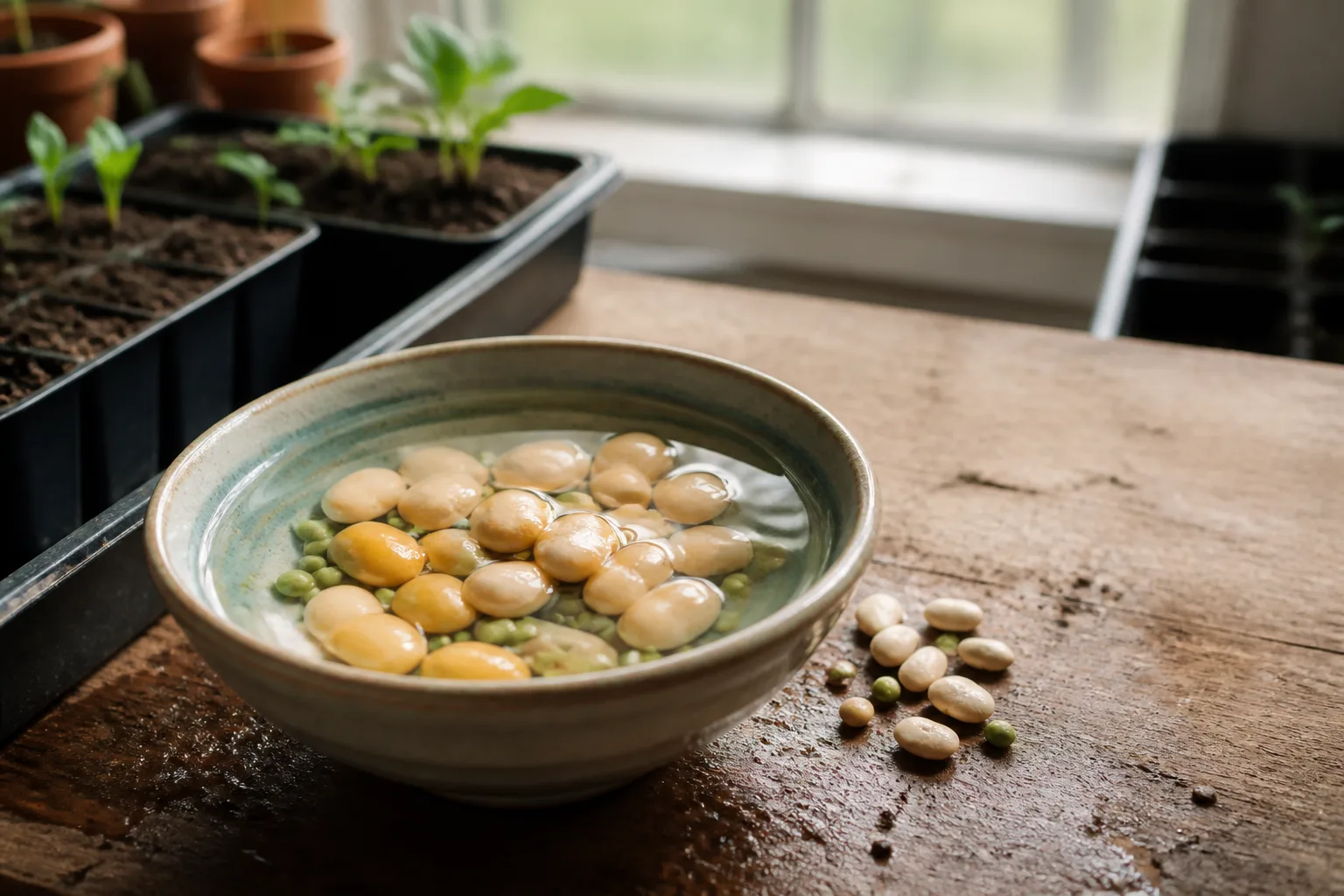
Use a shallow bowl or jar and room-temperature to lukewarm water—comfortable on your wrist, not hot tap water that can shock seed. Cover seeds with about an inch of water above them. A fine mesh strainer or sieve at drain time beats pouring through fingers and losing half the batch.
Keep the bowl at room temperature away from direct sun. Sun heats water unevenly and encourages algae on long soaks. For species that extension and experienced growers treat with boiling water (some woody natives), pour boiling water over seed and let it cool in the vessel for the full soak period—never plunge dry seed into actively boiling water.
How Long to Soak Without Crossing Into Rot
Six to twelve hours covers most seeds that benefit from soaking. Eight hours is a safe default when the packet is vague. Epic Gardening’s seed editorial team recommends overnight soaking as a practical window and warns that never exceed 24 hours—submerged seed past that point tends toward rot, fermentation, or drowned embryos.
Very hard coats (morning glory, some sweet peas) can use the 12-hour end. Moderately hard beans and peas often need 6–8 hours. Set a timer if you are prone to forgetting bowls on the counter.
The Float Test and What to Do With Floaters
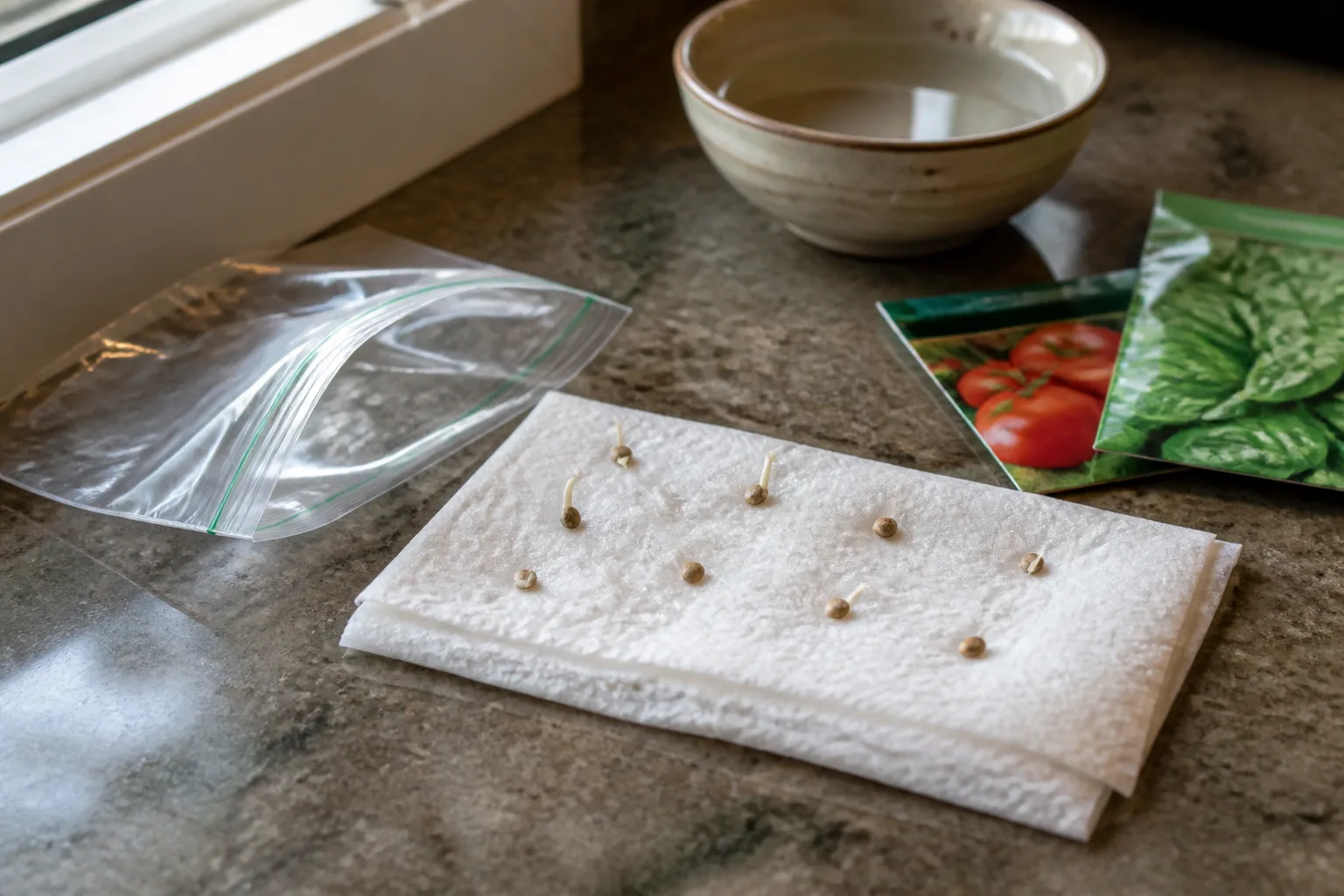
After soaking, floaters often lack viable embryo or hold trapped air in the coat. Discard floaters when seed is old or saved at home and you already expect weak viability. With fresh commercial seed, some healthy seed floats because of air pockets—do not throw away an entire packet based on float alone.
A useful rule: if floaters are wrinkled, slimy, or smell sour, discard them and the water. If they look plump like sinkers, plant both groups and compare emergence. Change water once mid-soak on very long 12-hour batches if the water clouds.
When Scarification Pairs With Soaking

Soaking alone cannot always penetrate an impermeable coat. Scarification creates an entry point. Common methods:
- Sandpaper or file — rub flat seeds between folded sandpaper until you see a pale spot, not until you crush the embryo.
- Nicking — clip the rounded edge of squash-family seed with nail clippers once or twice; avoid the pointed tip where the radical emerges.
- Boiling-water pour — pour over seed, cool 12–24 hours; used on some woody and prairie species per experienced grower practice documented on long-running homestead blogs like Insteading’s seed-germination techniques guide.
Order of operations: scarify first on extremely hard seed, then soak. On moderately hard morning glory, 12 hours soak alone often matches nicking results with less fiddly work.
Sweet peas and lupines may need both scarification and soak when packets specify. Milkweed and native baptisia fall in the “read the native seed protocol” category—soak is rarely the whole story.
Seeds That Benefit From Soaking Most Often
Vegetables and Legumes

These are the workhorses where soaking pays:
- Beans and peas — large legumes with tough testas; soak 6–8 hours. Very small bush bean seed can skip if you prefer.
- Corn — large kernel; soak speeds uniform emergence in cool spring soil.
- Cucumbers, melons, squash, pumpkins — cucurbit coats benefit; nick flat seeds if coats are exceptionally woody.
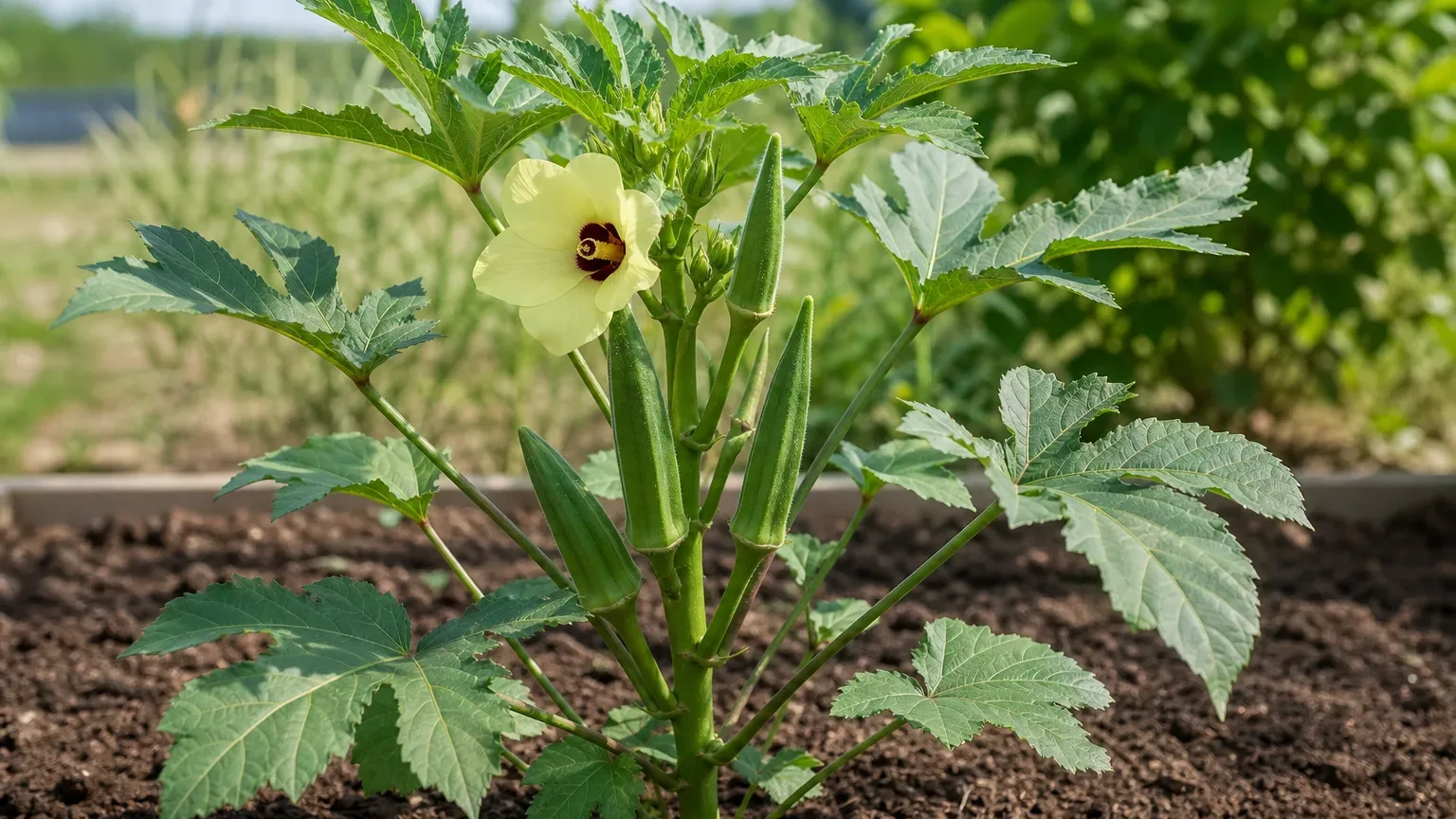
- Okra — hard coat; soaking can cut weeks-long waits down to about a week in warm soil.
- Beets and Swiss chard — soak corky clusters 6–8 hours before direct sow or tray start.
- Parsley — notoriously slow; 12-hour soak helps but patience is still required.
- Peppers — optional; some growers soak 8 hours for faster sprout under heat mats; others sow dry in warm trays with equal success.
Pair legume sowing with our easiest seeds to direct sow calendar when you want cool-season rows in place early.
Flowers and Native Perennials With Tough Coats
- Morning glory — 12-hour soak or nick; coat is famously resistant.
- Sweet peas — soak 8–12 hours; improves uneven batches.
- Nasturtium — thick wrinkled coat; overnight soak can pull 10–14 day germination closer to seven.
- Sunflower — large seed; moderate benefit, especially in cooler soil.
- Rosemary — slow; soak may help along with warm tray temperatures.
- Passionflower, canna, milkweed, baptisia, lupine — often need soak plus scarification or stratification; read species-specific instructions.
For a broader flower-starting context, see easiest flowers to grow from seed.
Seeds You Should Not Soak Before Planting
Keep these dry until they meet moist soil:
- Lettuce and most salad greens — tiny; clumps when wet.
- Carrots and parsnips — fine seed; need even moisture in soil, not a bowl.
- Radishes and turnips — fast in cool soil without pre-soak.
- Tomatoes and eggplants — reliable without soaking; optional only.
- Brassicas (cabbage, kale, broccoli) — small seed; sow into trays or soil.
- Zinnias, cosmos, bachelor buttons — medium seed that germinates quickly when warm.
- Foxglove, black-eyed Susan (when packet specifies stratify instead) — need cold period, not just soak.
- Fungicide-treated lawn or vine seed — coating is intentional.
When the packet is silent and seed is small, fast, or surface-sown, default to no soak.
After You Drain: Planting Soaked Seeds Indoors vs. Outdoors
Plant immediately after draining. Handle gently with a damp spoon or tweezers—not a dry paper towel that wicks moisture away. Plant at the same depth you would use for dry seed of that species: about two to three times the seed’s smallest dimension, per standard extension guidance from Colorado State University and University of New Hampshire Extension seed-starting fact sheets.
Indoors: pre-moisten starting mix, tuck soaked seed at depth, cover lightly, and place on a heat mat if the crop needs warm soil (tomatoes, peppers, cucurbits). Domes help until emergence; vent daily to prevent mold on large wet seed.
Outdoors: sow into already moist soil, firm gently, and protect from birds that learn quickly that exposed seed is food. Peas and beans can go into cool spring soil once minimum temps are met; cucurbits need real warmth—soaking does not protect them from a cold night.
Expect sprouts two to three days earlier than the packet range when soaking was appropriate. Adjust your checklist date for when to scout rows or trays.
Common Soaking Mistakes That Kill Germination
Soaking too long — past 24 hours, anaerobic rot wins. If you forgot a bowl, discard slimy seed and start fresh.
Letting soaked seed dry out — imbibition triggers metabolism; desiccation kills the embryo. Plant or refrigerate in damp paper towel only as a brief emergency, not storage.
Soaking everything in one bowl — different species need different durations; tomato and lettuce in the same water is a bad mix.
Skipping soil temperature — soaked peas in 40°F wet soil still rot. Match soil to the Iowa State germination chart before you soak.
Washing fungicide off treated seed — you paid for disease protection; soaking removes it.
Scarifying too deep — a nick is a scratch, not a bisection. If you expose mushy interior, toss the seed.
Assuming soak fixes old seed — weak viability does not return with water. Run a damp paper towel germination test on questionable packets instead.
Conclusion
Soak seeds before planting when the coat is hard, the seed is large, the packet asks for it, or past sowings were slow and spotty. Use lukewarm water for 6–12 hours, never beyond 24, drain, and plant the same day. Skip soaking for tiny, light-loving, fungicide-coated, and fast-germinating seed—and never treat soaking as a substitute for warm soil, stratification, or fresh viable seed.
The gardeners who get the best results are not the ones who soak every packet. They are the ones who match water, scarification, or cold to the dormancy in front of them, then get seed into moist soil immediately. Read the signs on the seed itself and the packet; your bowl of water is optional, not obligatory.