Groundhog-Resistant Plants for Flowers and Borders
Choose flowers and herbs groundhogs may be less likely to browse. Compare sun and shade options, regional limits, pet cautions, and when crops still need fencing.

If a groundhog has eaten its way through your lettuce or beans, changing part of the planting palette can make a flower border less tempting. The useful phrase is less likely to browse, not “won’t eat”: no garden plant is guaranteed safe when a woodchuck is hungry, accustomed to the site, or short on other food. Choose candidates that fit your garden first, then use physical protection for crops you cannot afford to lose.
Groundhogs feed on a range of vegetation. Kansas State University wildlife specialist Drew Ricketts describes them as herbivores that favor easily digested broadleaf plants, especially leafy greens, but also eat root vegetables such as carrots. University of Connecticut Extension likewise lists vegetables, trees, grasses, and legumes among their foods, including beans, cole crops, carrot tops, clover, squash, and peas. Plant choice changes the menu; it does not make a garden inaccessible. (Kansas State University Extension, University of Connecticut Extension)
What “groundhog-resistant” really means
A “resistant” label describes a tendency reported by gardeners or local extension educators, not a botanical force field. A plant that is often ignored in one neighborhood may be clipped in another, and even one animal may sample new growth while leaving mature leaves alone. A plant’s value can also change over the season: tender spring shoots and fresh transplants are easier to browse than established, woody, fibrous, or strongly flavored growth.
The label also does not prove that scent or toxicity is working as a repellent. Aromatic herbs, coarse foliage, or plants with unpalatable compounds may be less attractive, but surrounding vegetables with them has not been shown to make the bed inaccessible. Avoid claims that a row of lavender, marigolds, or onions will repel an animal or shield lettuce by itself. A layered planting may make a border more resilient because fewer plants are equally appealing, but it is not a substitute for a barrier around a high-value crop.
How to choose plants that fit your site
Start by naming the job the planting must do. A sunny pollinator strip, a shady foundation bed, a culinary herb patch, and a vegetable garden each need different plants and maintenance. If the only reason to choose a species is a resistance list, you may end up with a plant that dislikes your soil or climate and still gets eaten.
Start with light, soil, and climate
Watch the site at the time of year when the plant will grow. A bed beneath deciduous trees may be bright in spring and shaded in summer; a south-facing wall can make a dry-site herb suffer from reflected heat; a low corner may stay wet after rain. Match candidates to actual conditions, and check mature size so a small plug does not become an overcrowded clump that needs frequent cutting back.
Use your local extension service or botanical garden to confirm hardiness and invasive status. A plant list from New York does not automatically transfer to a hot, humid Gulf Coast garden or a dry western foothill. The USDA hardiness zone can help estimate winter survival, but it does not describe summer humidity, drainage, rainfall, or how much browsing pressure your yard receives.
Use regional lists as a starting point
Cornell Cooperative Extension of Columbia and Greene Counties organizes its groundhog-resistant suggestions by use, including sunny and shady entries, dry borders, herbs, woodland gardens, and pollinator plantings. That is more useful than treating every plant as suitable everywhere, but the list is regional and was last updated in 2021. Use it to make a shortlist, then check current local recommendations and the plant’s growing needs. (Cornell Cooperative Extension Columbia and Greene Counties)
A 2026 horticulture article from Nature Hills Nursery also groups herbs, alliums, and perennial flowers into a rabbit-and-groundhog-resistant palette. It combines guidance for two different mammals and uses broad claims, so it is best treated as a source of candidates to investigate rather than proof that those plants will be spared. The key is to compare local observations with the species’ needs and your own results, not to treat a list as a guarantee. (Nature Hills Nursery)
| Garden use | Candidates to trial | Practical limitation |
|---|---|---|
| Sunny, well-drained border | Lavender, thyme, sage, yarrow, coreopsis, blanket flower | These need appropriate sun and drainage; they are not a wall around nearby vegetables. |
| Pollinator planting | Butterfly weed, yarrow, coreopsis, ornamental alliums | Match each species to regional climate and pollinator needs; check pet exposure and spread. |
| Part-shade bed | Astilbe, heuchera, ferns, iris, bleeding heart | Shade does not guarantee protection, and moisture needs differ substantially. |
| Herb garden | Thyme, sage, chives, lemon balm | Some herbs spread; some are unsafe for pets to eat. Keep culinary harvest separate from wildlife browsing. |
Sunny beds: flowers and herbs to consider
Sunny beds often give gardeners the widest range of candidates because many aromatic herbs and dry-border perennials prefer strong light and free-draining soil. These are useful choices where those conditions already exist; do not create an unsuitable gravelly bed merely to chase a possible wildlife preference. Water new plantings while they establish, since a stressed plant can be more vulnerable to damage and will not provide the intended display.
Lavender, thyme, rosemary, and sage
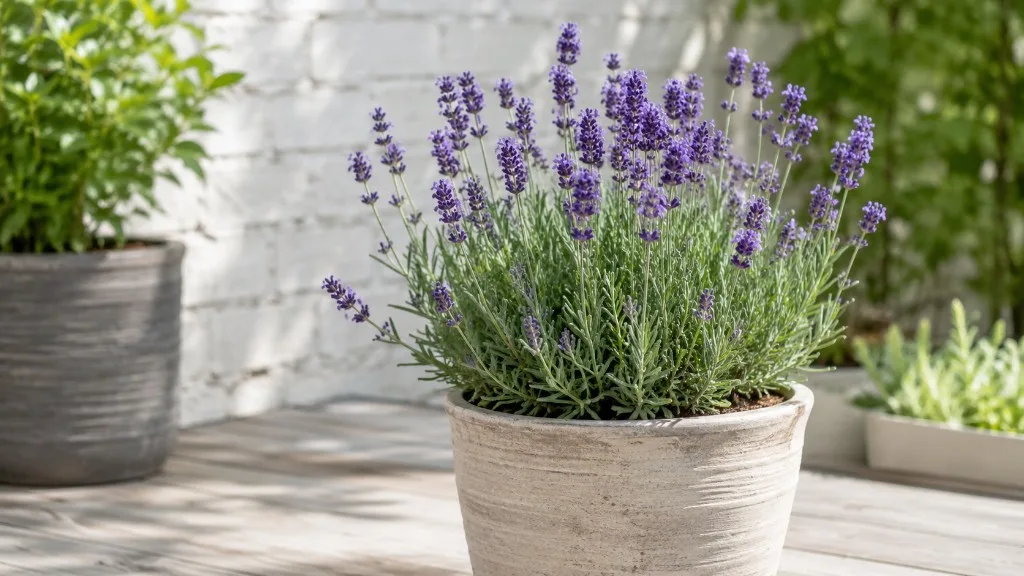
Lavender works well in a sunny, airy border where soil drains quickly. Cornell’s regional list includes lavender in several garden-use categories. It brings a lasting foliage structure and flowers for pollinators, but it dislikes persistently wet soil and may be short-lived in humid, poorly drained sites. If groundhogs sample it, do not assume the plant’s fragrance has failed as a repellent; it was never a dependable fence.
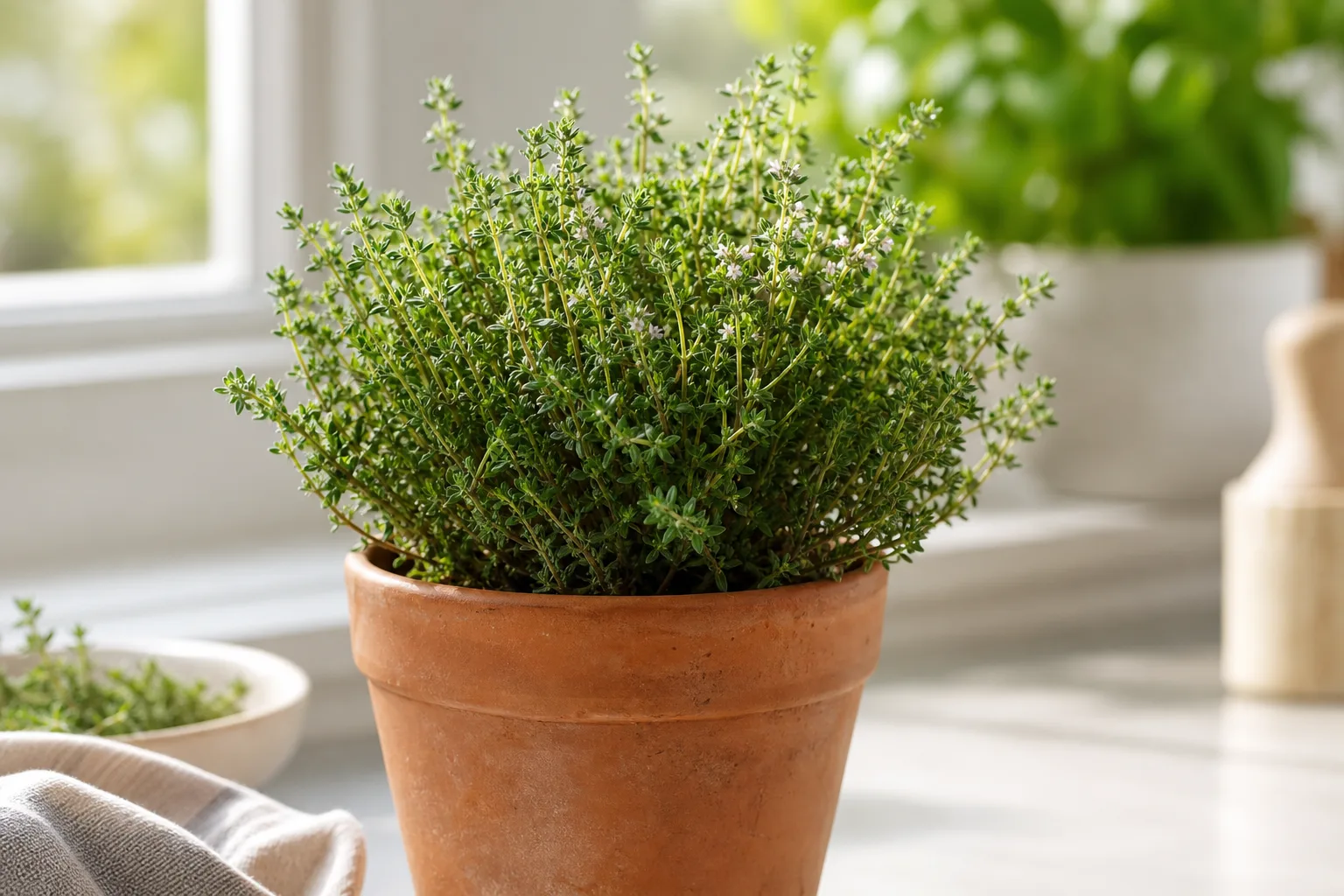
Thyme is a low-growing herb for a sunny edge, path, or container. Cornell’s list includes thyme in its herb-garden suggestions, making it a reasonable candidate for a trial planting in that region. Its small leaves and compact habit suit a front border, but thyme can be crowded by taller perennials and may decline in wet soil or heavy shade.
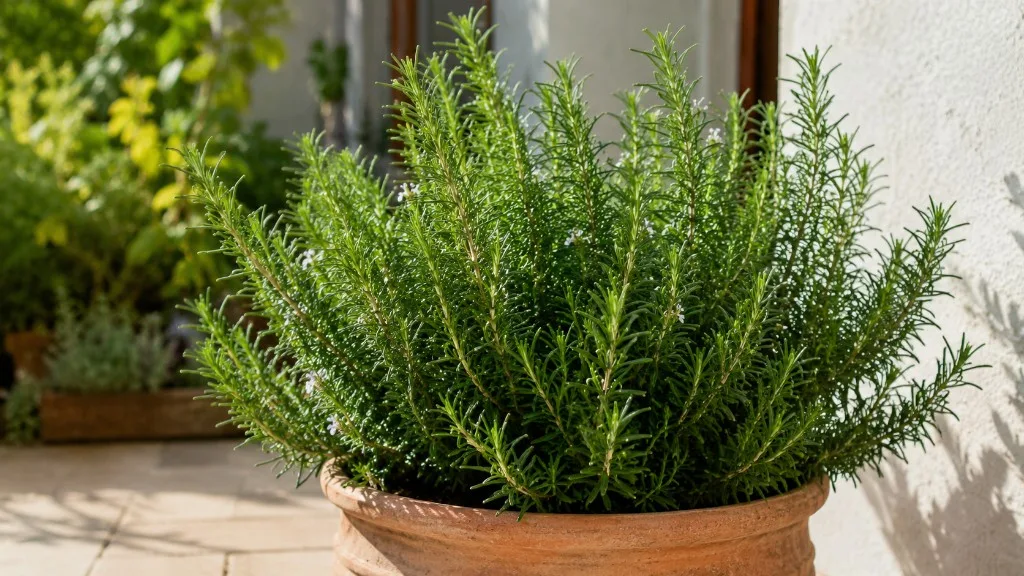
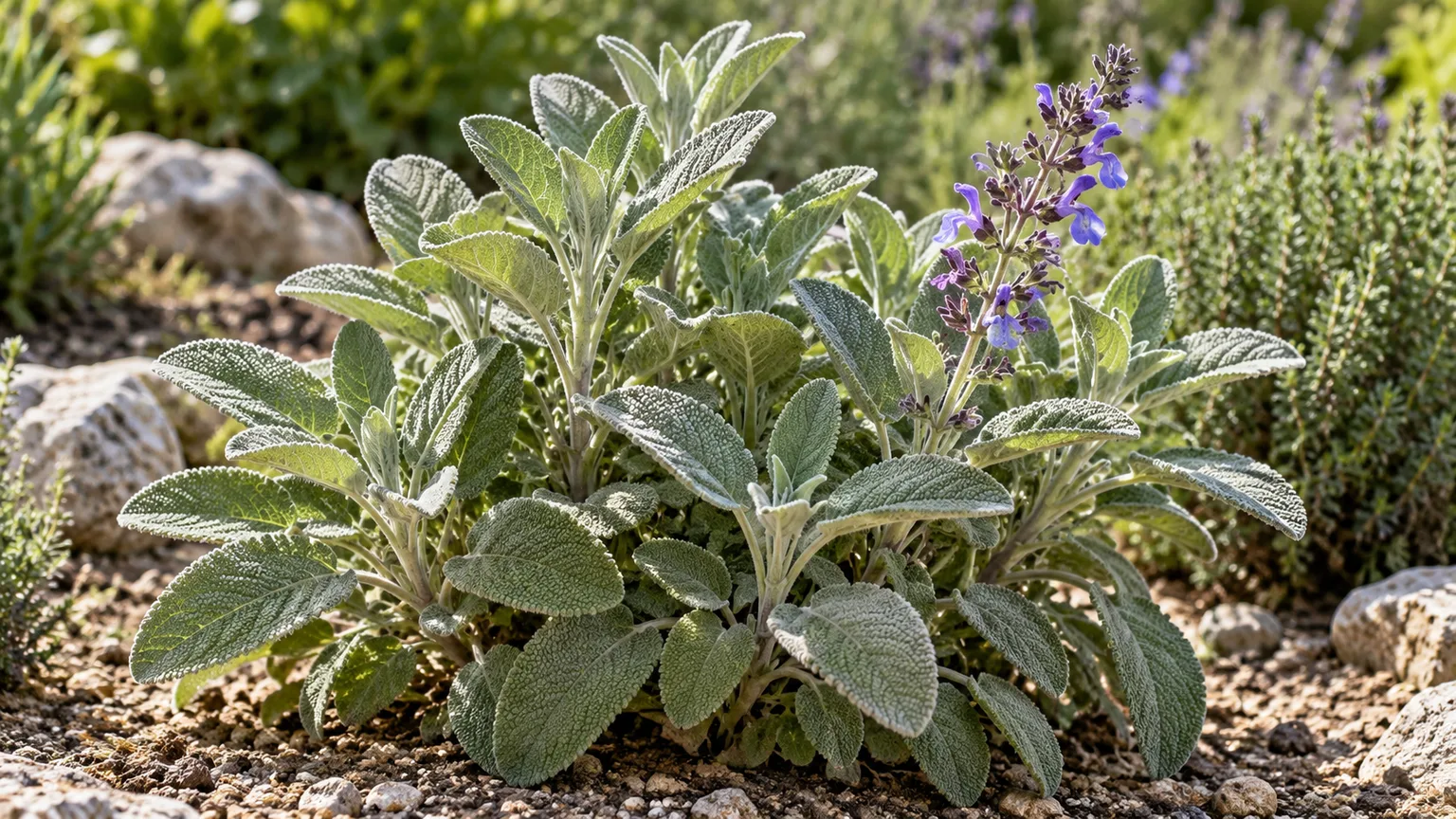
Rosemary and culinary sage offer evergreen or semi-evergreen structure in climates where they are hardy, and they can be grown in pots where winters are too cold. They are practical near a kitchen door, but do not expect them to protect more palatable crops planted beside them. A container gives you more control over soil drainage and winter placement; it does not necessarily put the plant out of reach of a climbing groundhog.
Lemon balm and catmint are additional herb-bed candidates in regional lists, but both can spread or seed beyond the spot where you plant them. Grow them where their mature footprint is acceptable, or use a container to limit root spread. Their aromatic foliage may be less appealing than tender greens, but fragrance is not a reliable animal-control mechanism.
Yarrow, coreopsis, blanket flower, and butterfly weed
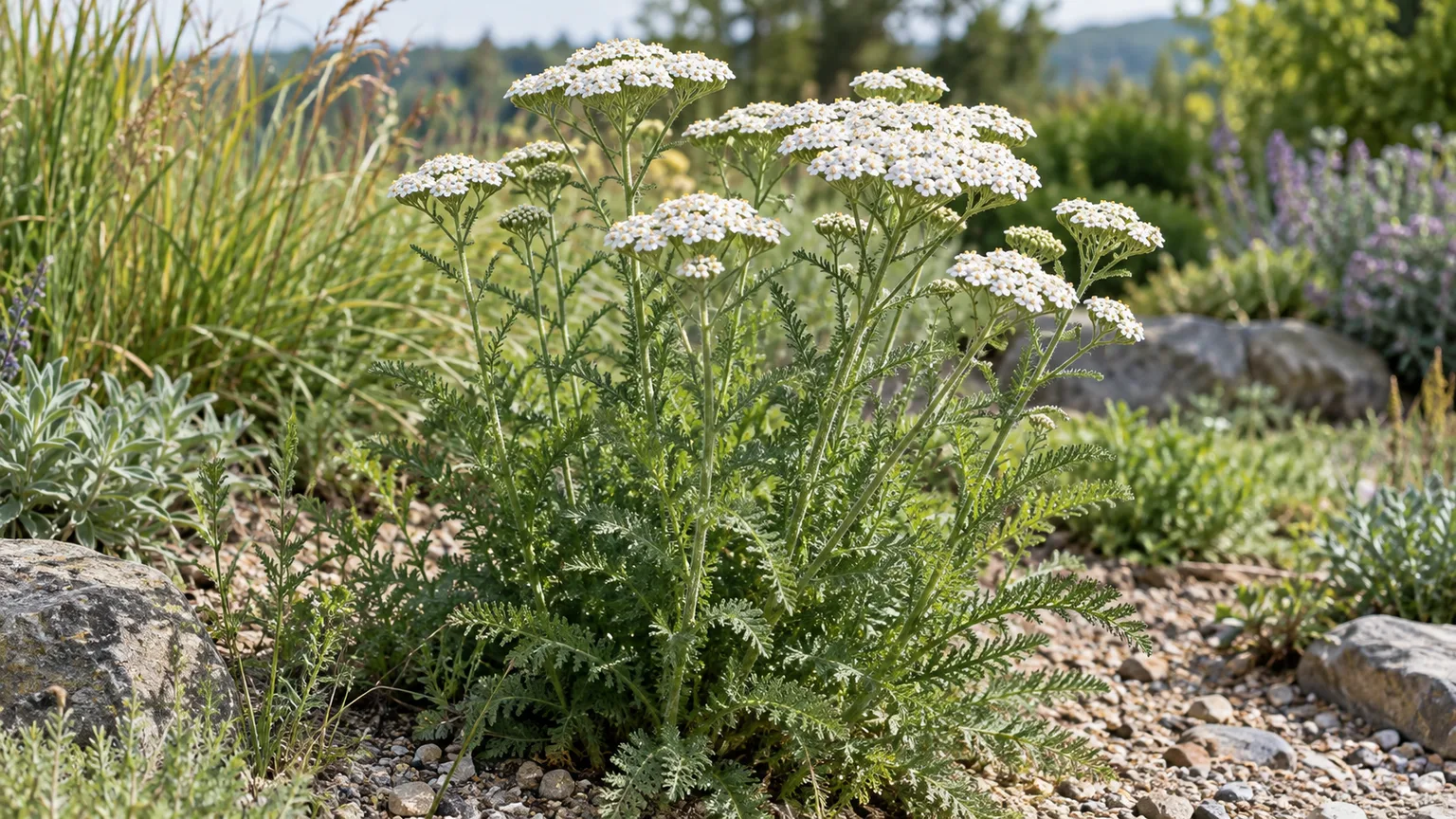
Yarrow (Achillea) combines fine foliage with flat clusters of flowers that can support pollinators. It is included in the Cornell list and is often a good fit for a sunny border with well-drained soil. Some varieties spread by rhizomes or self-seed, so choose a cultivar suited to the bed and remove seed heads if you want to limit volunteers. It is drought-tolerant once established, not drought-proof during its first season.
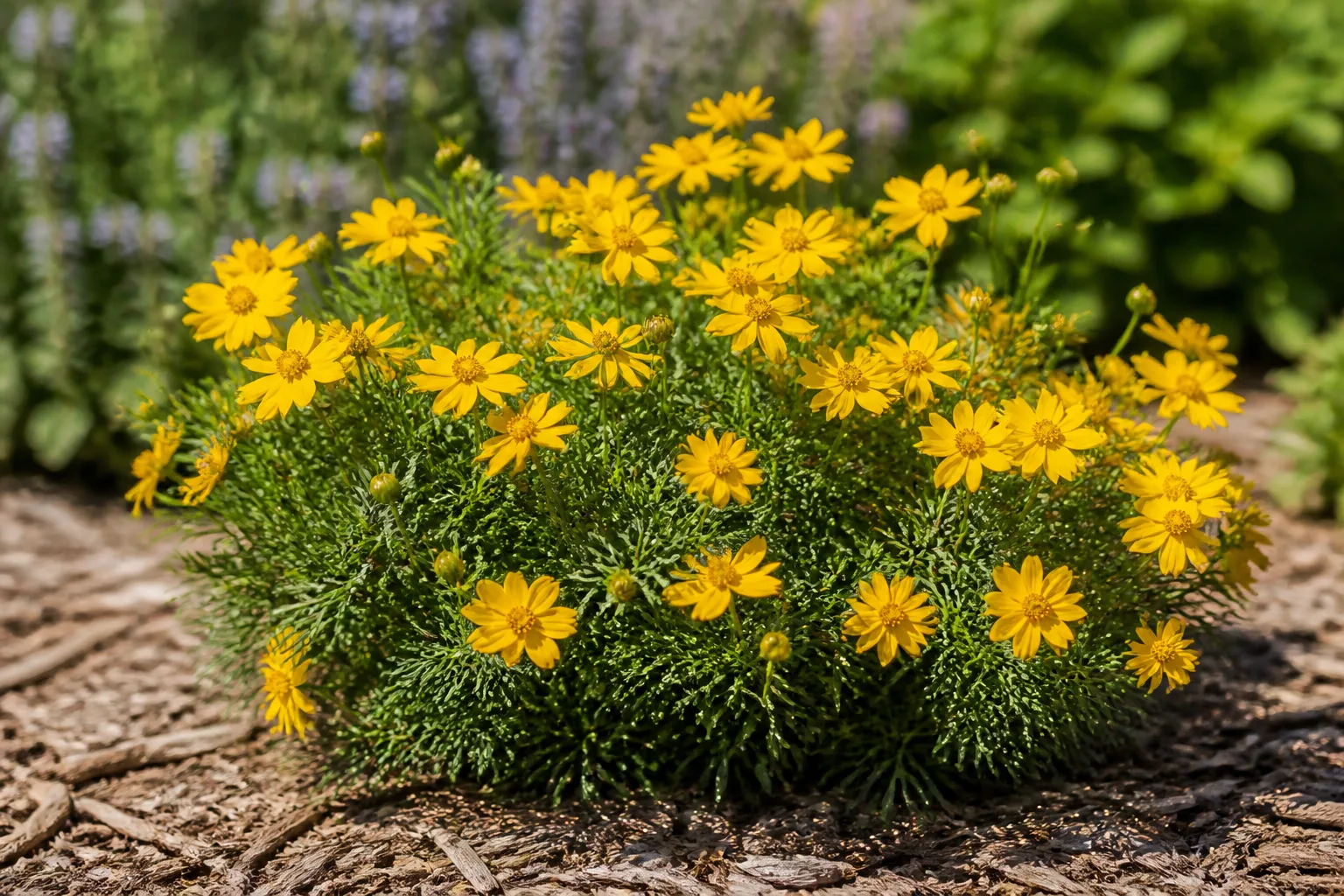
Threadleaf coreopsis (Coreopsis verticillata) has airy foliage and a long summer display in suitable sites. Cornell includes it in several garden-use lists. Give it room to form a clump and avoid planting it in a constantly wet pocket; a local cultivar may behave differently from the species or selections described in older regional lists.
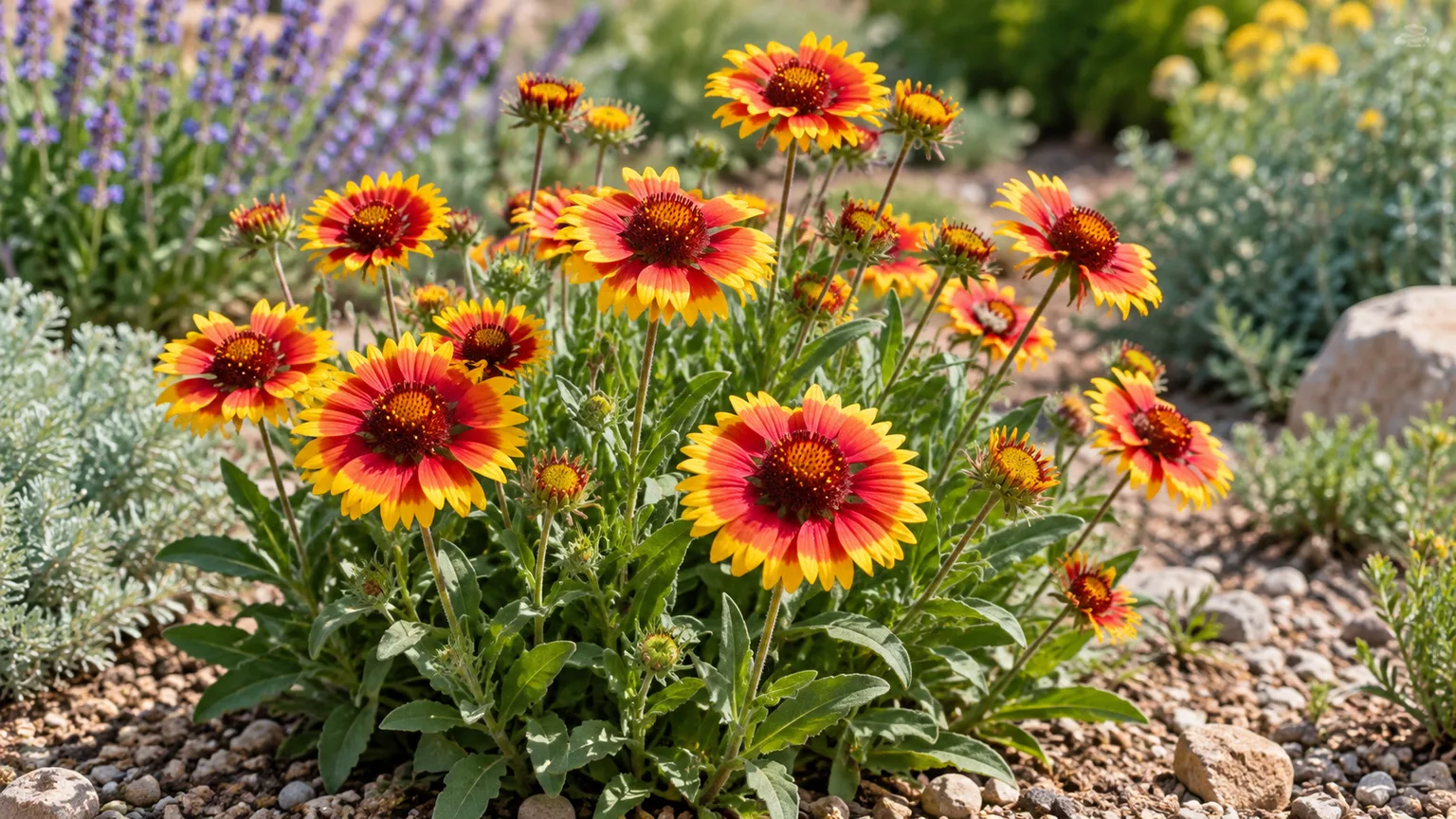
Blanket flower (Gaillardia) can bring bright, daisy-like flowers to a hot, sunny bed. The Cornell list names Gaillardia pulchella, while many nurseries sell other species or hybrids, including G. × grandiflora. Check the botanical name and local hardiness rather than assuming all blanket flowers behave the same. A dry site can suit these plants, though seedlings and fresh growth still need watering as they establish.
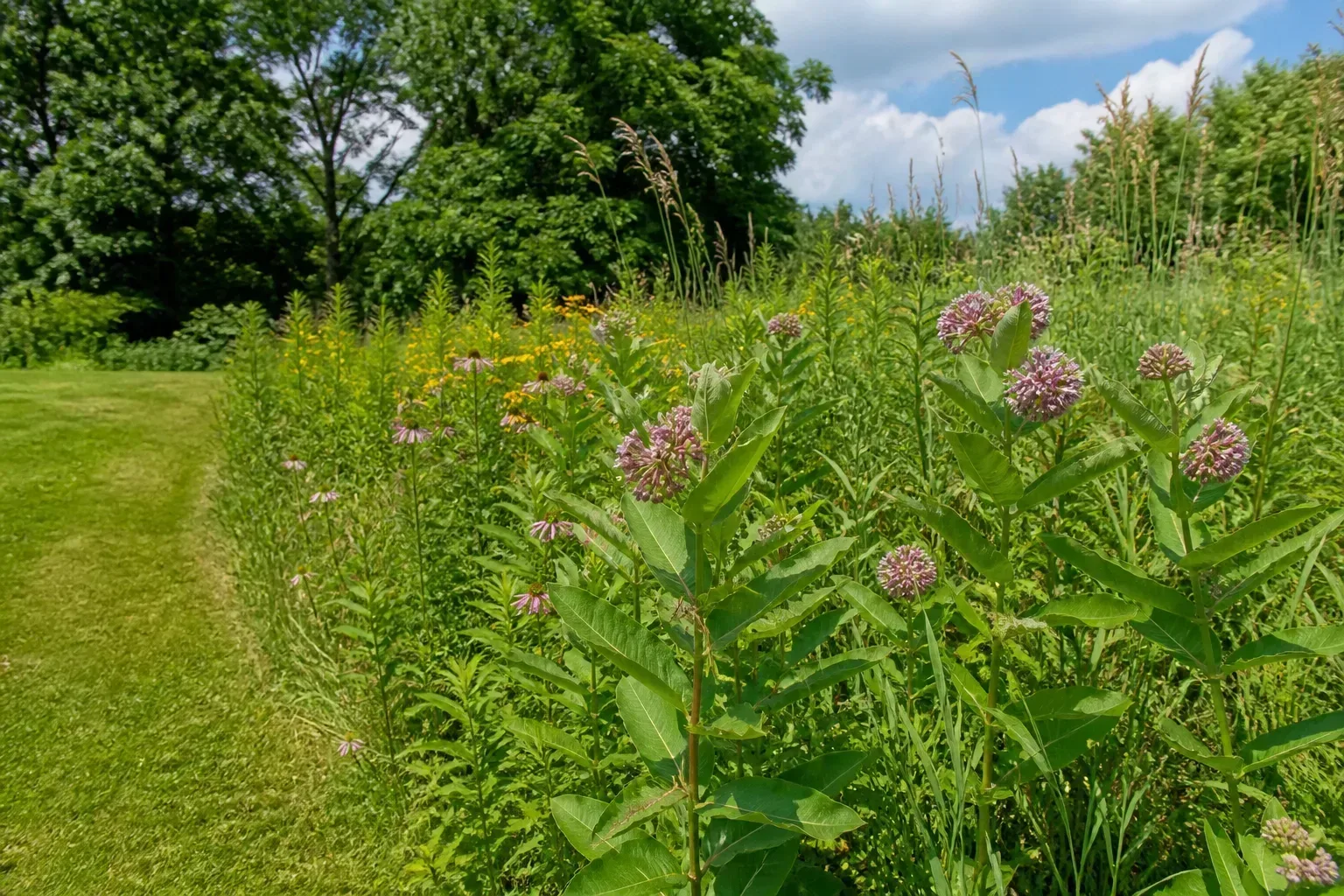
Butterfly weed (Asclepias tuberosa) is a native milkweed candidate for a sunny, well-drained pollinator garden where it is appropriate to the region. Its deep taproot makes it a poor choice for repeated transplanting, so settle on the location before planting. It is not a sacrificial crop or a guaranteed groundhog deterrent; select it for ecological and site fit, and consult local native-plant guidance before introducing it outside its native range.
Alliums and chives need a pet-safety check
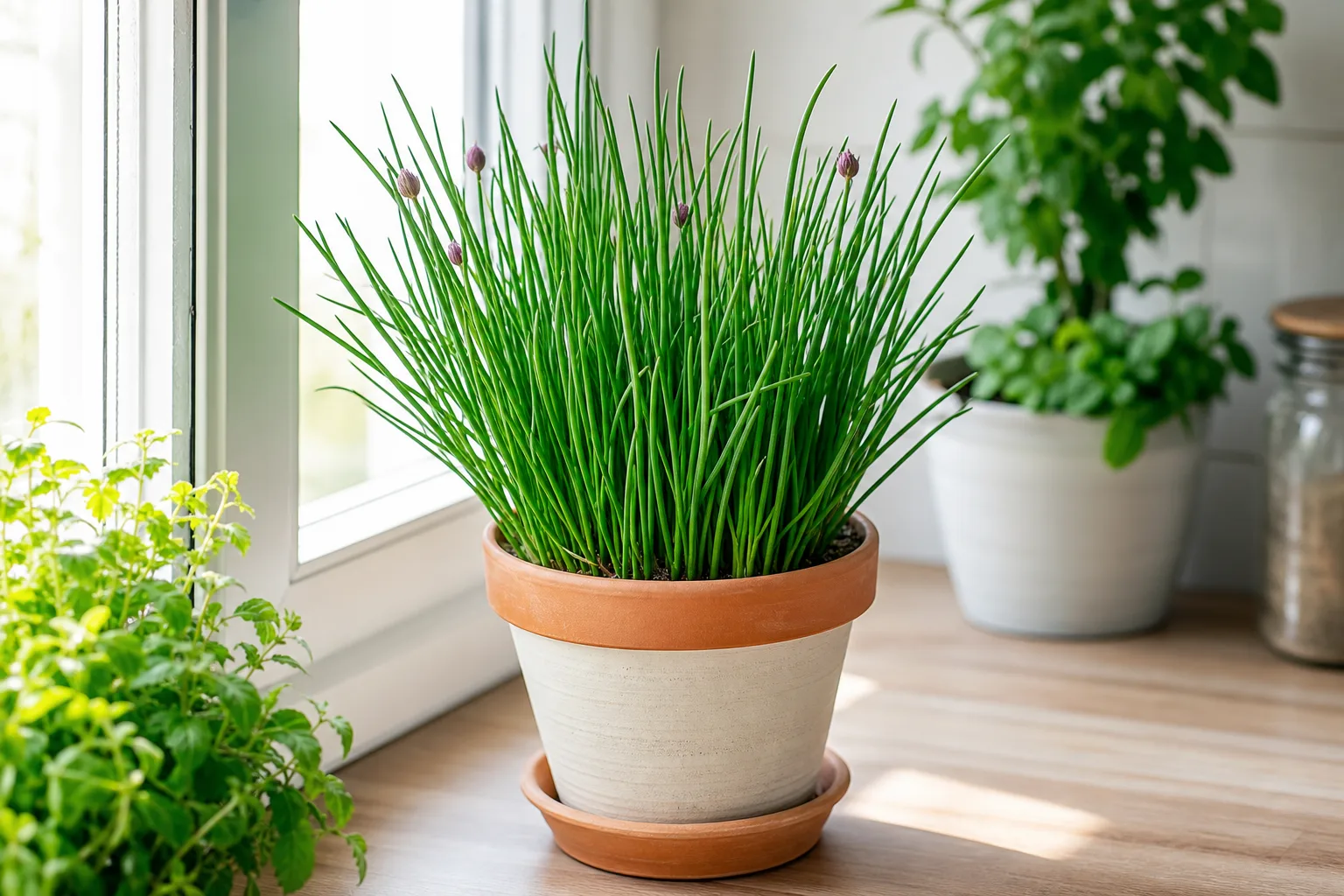
Cornell’s list includes ornamental onions, chives, and garlic chives among candidates. Their strong-flavored leaves can be useful in a mixed herb border, but chives are not pet-safe foods. The ASPCA lists chives (Allium schoenoprasum) as toxic to dogs, cats, and horses, so avoid them where pets graze or chew plants; verify any ornamental onion by its exact botanical name as well. A groundhog list does not answer a pet-safety question. (ASPCA chives toxicity profile)
Pollinator borders and seasonal color
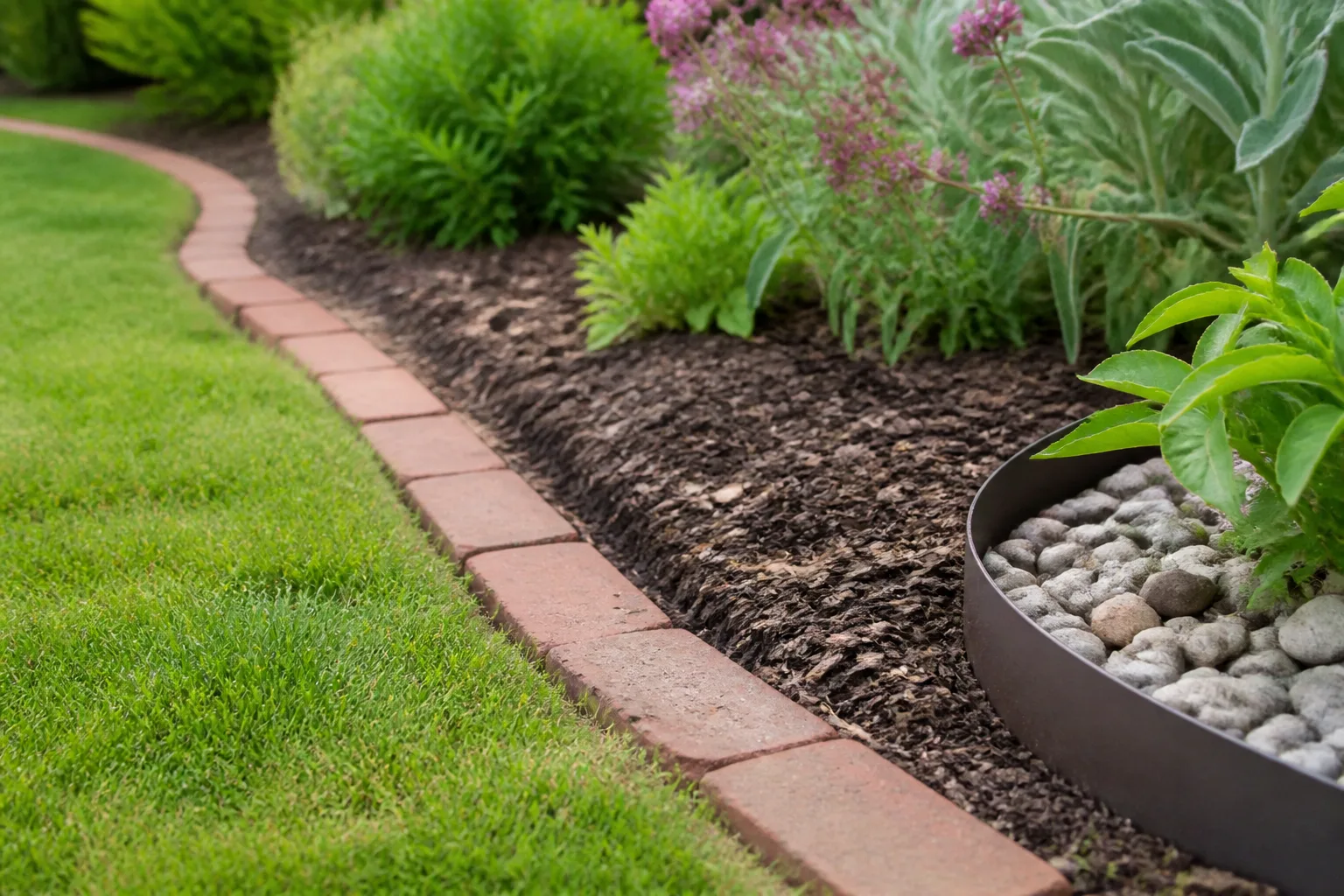
A pollinator bed can combine long-lived perennials, grasses, and a few annuals without relying on a single species to carry the display. Cornell’s list includes snapdragons, butterfly weed, yarrow, coreopsis, and ornamental grasses in its pollinator or seasonal groupings. Choose native plants with local ecological value where possible, and avoid species known to spread aggressively in your region. Keep flowering succession in mind so one plant’s brief bloom is not the entire season’s offer.
Annuals can fill a gap while perennials establish, but they are a higher-risk investment if a groundhog is already feeding in the bed. A nursery-size snapdragon or flossflower may be less attractive than a row of young lettuce, yet a hungry animal can still sample it. Use inexpensive annuals as flexible color, not as a protective ring. If an annual disappears, replace it with a suitable perennial or change the planting mix rather than repeatedly buying the same vulnerable plants.
Shade gardens: foliage and woodland structure
A shady garden can still offer choices, but evaluate moisture and drainage carefully. Dry shade beneath established trees differs from moist shade near a downspout, and a plant suited to one may fail in the other. Use a regional list for an initial shortlist, then select plants for the actual microclimate rather than expecting shade itself to discourage browsing.
Astilbe, heuchera, ferns, and iris
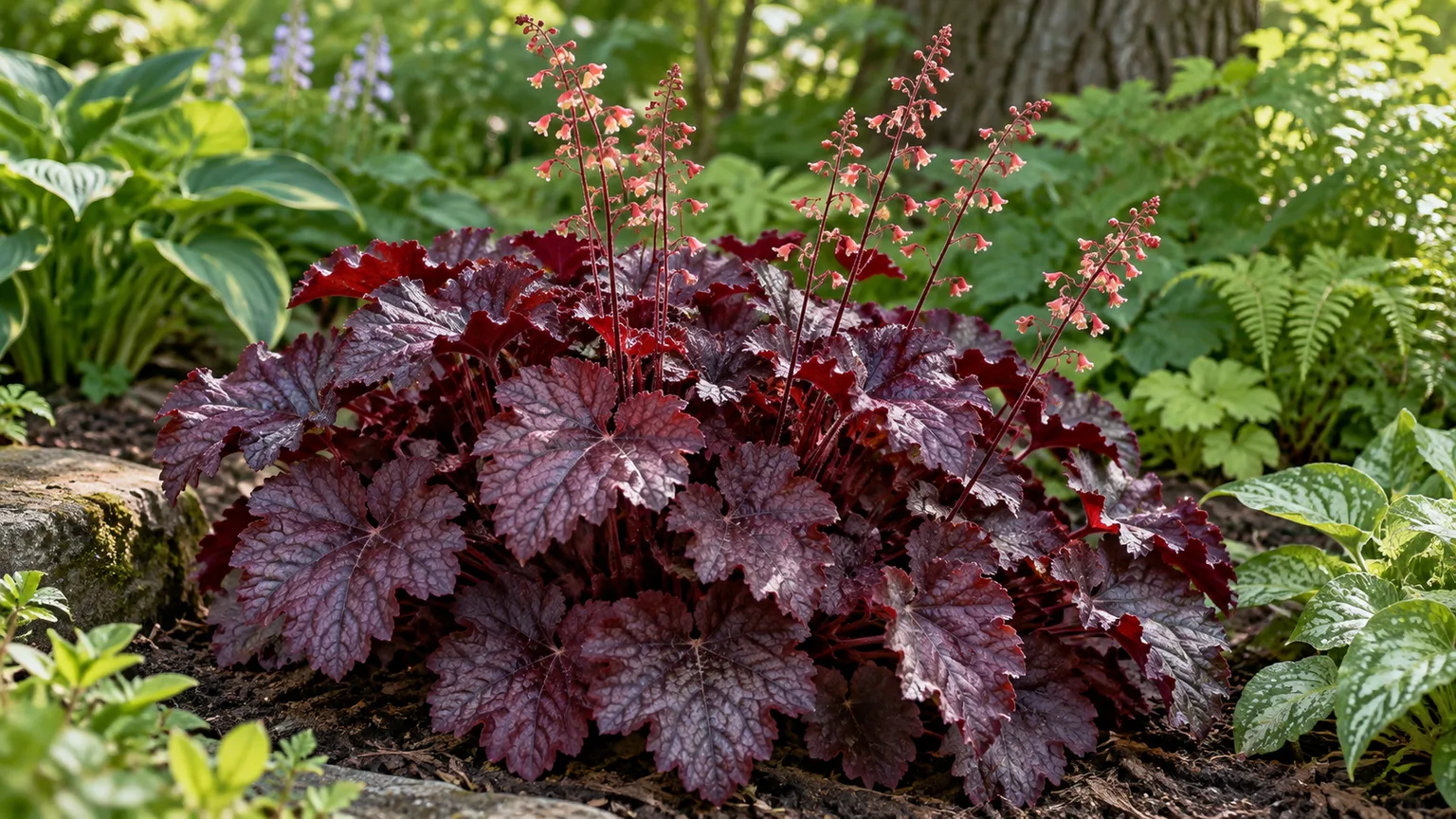
Astilbe brings plume-like flowers and divided foliage to a bed that stays evenly moist. It is a candidate in the Cornell list for shaded or wet-area plantings, but it can struggle in dry shade; newly planted crowns need consistent water until established. Heuchera adds durable foliage color and suits many part-shade borders, although cultivar tolerance for sun, heat, and humidity varies. Neither plant is a guaranteed no-browse choice.
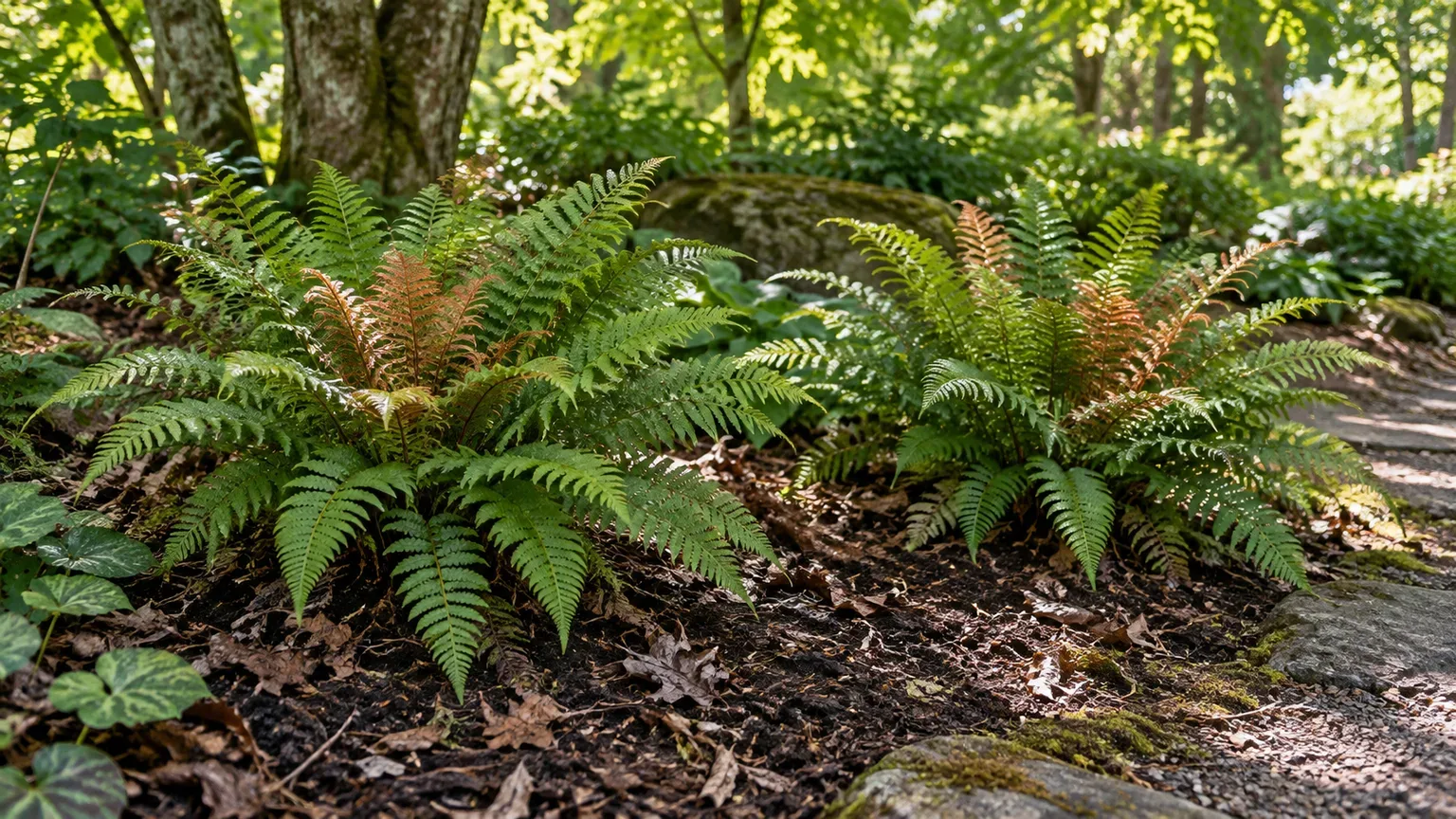
Ferns offer texture and seasonal structure rather than showy flowers. Choose a species native or well-adapted to your area and match its moisture needs: some woodland ferns prefer humus-rich soil, while others handle drier shade. Avoid a species listed as invasive or aggressive locally. A fern is most useful in a layered planting where its mature fronds fill a clear role, not as a token plant expected to stop a groundhog from entering the bed.
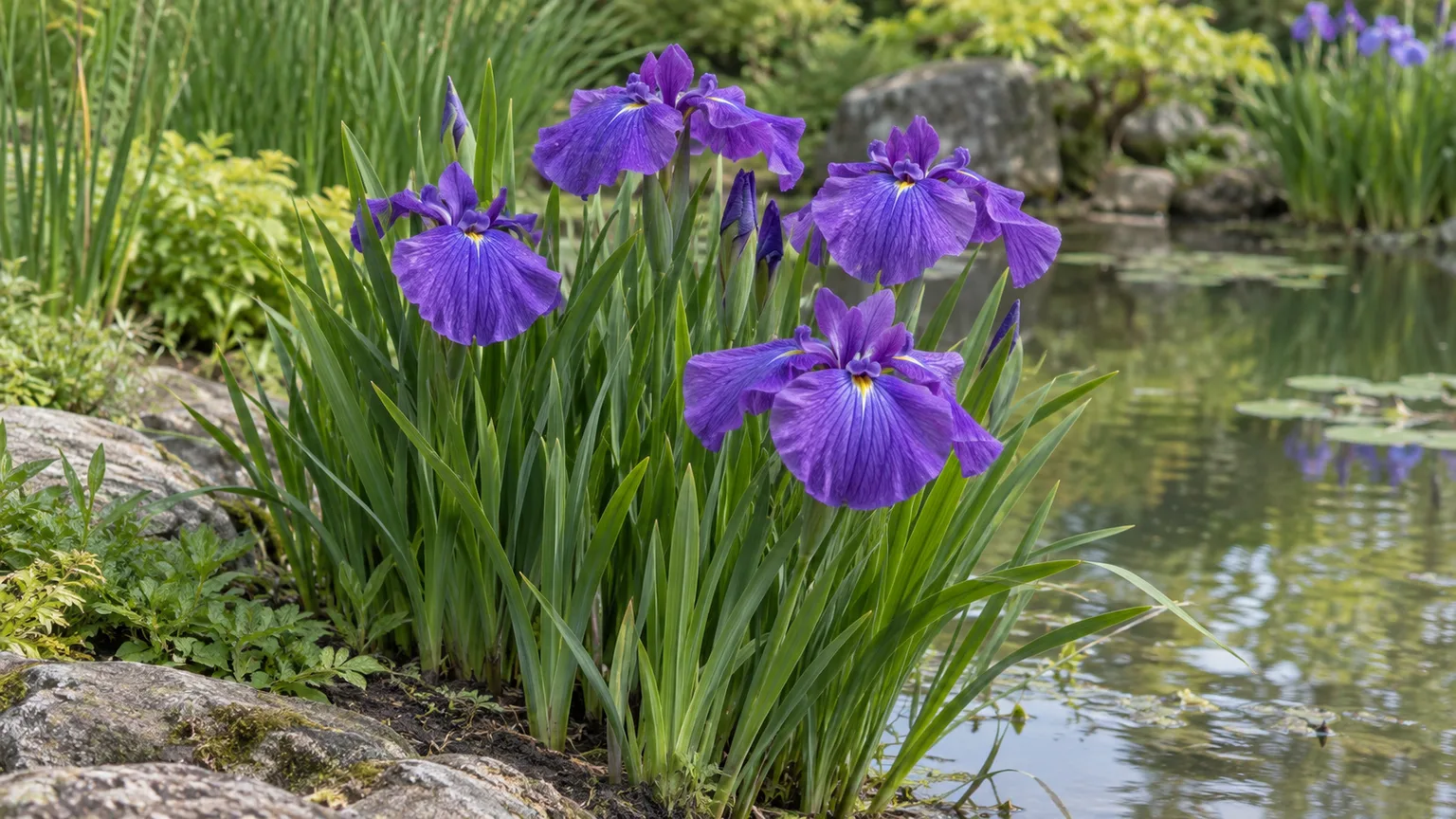
Iris can suit a range of conditions, but the genus is diverse. Bearded iris prefers a sunny, well-drained site with its rhizome near the soil surface; Japanese iris needs more moisture than many bearded types. Read the plant label and match the species to the bed instead of choosing an iris by color alone.
Bulbs and toxic ornamentals need caution
Some plants appear on wildlife-resistant lists partly because they are unpalatable or toxic. That does not make them a good choice around curious children, pets, or livestock. For example, the ASPCA lists foxglove as toxic to dogs, cats, and horses, and hellebore as toxic to those animals as well. Skip those plants where animals can chew them, or check a reliable toxicity reference for the exact species and position it accordingly. (ASPCA foxglove profile, ASPCA hellebore profile)
Daffodils and ornamental alliums are also common landscape candidates, but bulbs and foliage should not be treated as edible. ASPCA lists daffodils as toxic to dogs, cats, and horses, with the bulb the most poisonous part; keep pets from digging or chewing them. If you want a safer family planting, check the exact botanical name with a veterinary or poison-control reference before buying. A common name alone is not enough to establish safety. (ASPCA daffodil profile)
Edible beds: keep vulnerable crops protected
If you grow vegetables for food, resistance lists should not determine the entire crop plan. UConn Extension names beans, cole crops such as broccoli and cabbage, carrot tops, clover, squash, and peas among favored foods. K-State notes that groundhogs also eat broadleaf greens and root vegetables. That means lettuce, leafy brassicas, bean seedlings, peas, carrots, and squash are poor choices to leave exposed in a garden with active browsing.
Some regional lists include beets, fennel, onions, or potatoes as comparatively less-attractive vegetables. Treat that as a local observation to test, not a promise of harvest. A groundhog can eat an unfamiliar plant, dig around a root crop, or move on to a more tender option; the animal’s choice may also shift as nearby food becomes scarce. If the crop matters, use a physical barrier from planting through harvest.
For herbs, consider a small trial patch rather than betting the season on a whole bed. Plant one or two candidates, leave a nearby protected or unprotected comparison if space allows, and record what gets browsed during different growth stages. If a plant is untouched, keep it in the mix next year, but do not assume a new animal or a lean season will behave the same way. That simple garden log makes local experience more valuable than a generic national list.
Plants groundhogs commonly eat
Knowing what to avoid is as useful as knowing what to trial. Groundhogs often favor lush, tender food, especially where vegetables and clover are readily available. UConn Extension’s list includes beans, broccoli, cabbage, cauliflower, carrot tops, squash, peas, and clover; Kansas State also mentions leafy greens and root vegetables. The exact menu in your yard will vary, but these are sensible crops to protect first. (University of Connecticut Extension, Kansas State University Extension)
A vegetable garden’s tender seedlings may be more vulnerable than mature plants, but size alone is not protection. Groundhogs can feed on mature foliage and fruit, and they may revisit an established food source. If you see fresh, cleanly clipped stems, missing leaves, or a regular feeding path, confirm the culprit before changing the planting plan; rabbits, deer, and other animals can cause similar damage. The existing groundhog damage guide can help with identification and next steps.
Build a planting plan without false confidence
Start with the plants you want to keep, then group them by site and risk. Put robust ornamental candidates in the sunny or shaded beds where they thrive; keep the most vulnerable edible crops in the part of the garden you can protect. Do not arrange an aromatic herb perimeter and assume it functions like a fence. Groundhogs can cross a border to reach food, and a single gap may be enough to make the arrangement irrelevant.
Think in terms of replacement cost as well as browsing probability. If a perennial takes several years to fill a space, losing it is more expensive than losing an annual you can replace cheaply. Place your most valued plants where you can monitor them easily, and use a diverse mix so one feeding event does not erase the entire display. Diversity also helps the bed recover: if one plant is sampled, neighboring species may still provide flowers, foliage, and habitat.
A practical first season might pair lavender, thyme, yarrow, and coreopsis in a sunny, dry border; use astilbe, heuchera, and suitable ferns in a moist, shady bed; and grow lettuce, peas, or beans only behind a barrier. That is not a universal recipe. Adjust it for local hardiness, soil, native-plant guidance, pollinator priorities, and pets, then keep notes about what the actual animal eats.
When to use a physical barrier
Choose plants for resilience and appeal, but protect a high-value vegetable bed when repeated browsing would cost you a harvest. Physical exclusion is the reliable next step; companion planting, strong scents, and unverified homemade repellents should not be treated as equivalent. Because groundhogs can climb and dig, a barrier needs to be planned for the animal and the garden layout rather than improvised after seedlings disappear.
For the construction details and site-specific considerations, see the guide to keeping groundhogs out of a garden. This plant guide is about choosing less-attractive landscape species; the separate page covers exclusion methods. If you are unsure whether the damage is from a groundhog or whether a local rule applies to wildlife handling, consult your state wildlife agency or cooperative extension before taking control action.
Conclusion
Groundhog-resistant planting is a way to lower the odds of browsing, not a promise that an animal will leave every listed species alone. For sunny beds, consider locally suitable lavender, thyme, sage, yarrow, coreopsis, and blanket flower; for part shade, investigate astilbe, heuchera, ferns, and iris. Use university and local extension lists as a starting point, and check mature size, climate fit, toxicity, invasive potential, and water needs before buying.
Keep beans, peas, leafy greens, brassicas, and other valued vegetables protected if groundhogs are active. Test a small selection of less-attractive plants in your own garden, note the results, and adjust the next season’s mix. A garden that combines good site selection with realistic protection can remain attractive without depending on an unproven “groundhog-proof” plant list.