How to Grow and Care for Beardtongue (Penstemon)
Learn how to grow beardtongue with the right Penstemon for your climate, plus practical advice on sun, drainage, watering, pruning, and propagation.
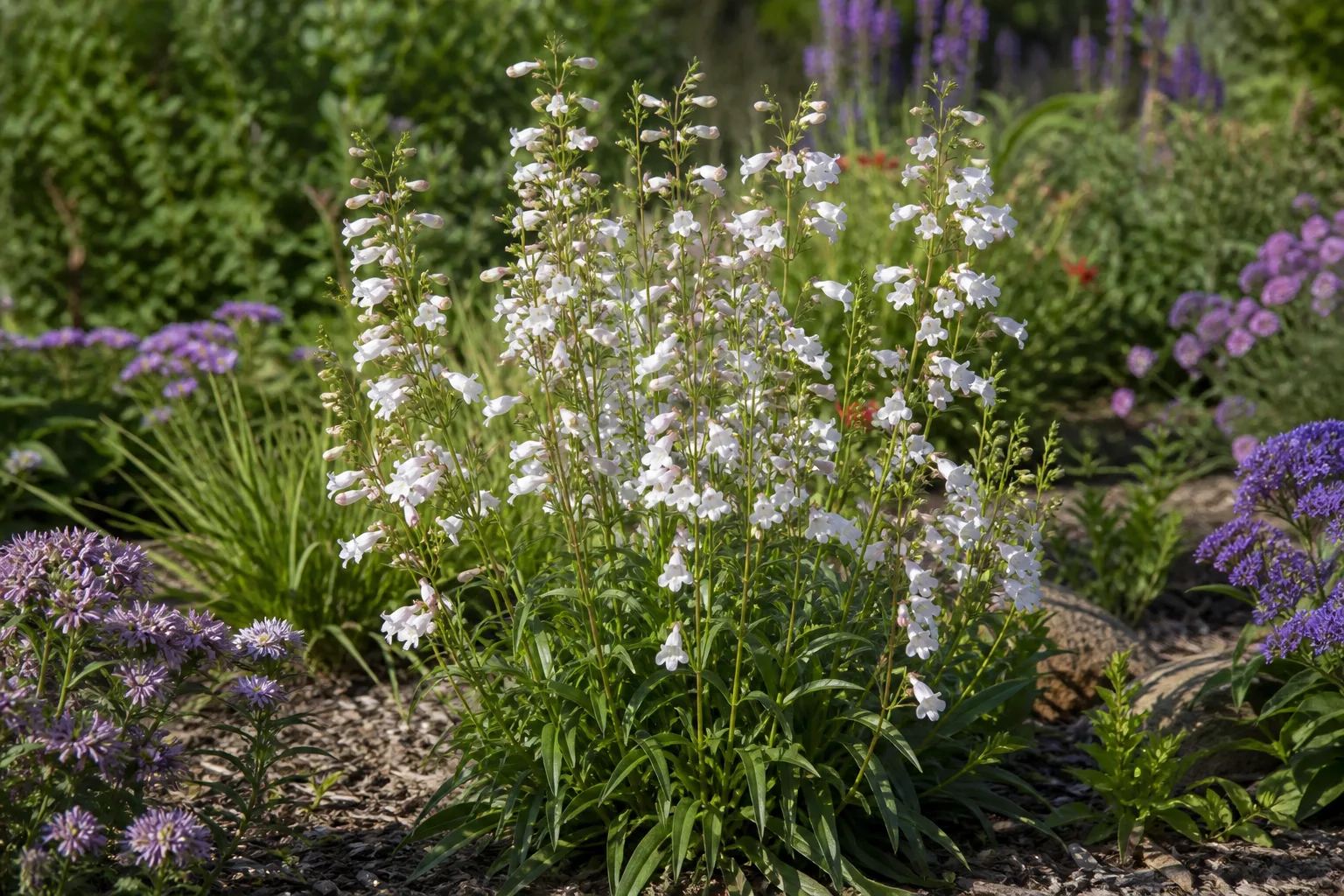
Beardtongue, or Penstemon, is a North American genus of flowering plants with upright stems and tubular blooms in shades that include white, pink, red, purple, and blue. It can be a reliable perennial, but “Penstemon” is not one uniform plant: species range from low mats to tall clumps, and their tolerance for summer drought, winter wet, and cold varies just as much.
For the best results, start with the botanical name on the tag, then match that species or cultivar to your local climate and soil. Most beardtongues flower well in sun and need decent drainage, but an eastern foxglove beardtongue can accept more moisture than many western dryland types. The North Carolina Extension Gardener Plant Toolbox describes the genus as having hundreds of species and widely different growth forms, so a universal watering or hardiness rule is not reliable.
Identify Penstemon before choosing a care routine
The name beardtongue refers to the flower’s unusual fifth stamen, which is sterile and often covered with tiny hairs. It projects from the tubular flower like a small beard, while the other four stamens produce pollen. Penstemon belongs to the plantain family, Plantaginaceae, and its flowers are arranged on upright stalks that attract hummingbirds and bees.
The basic shape is recognizable, but foliage, height, bloom time, and lifespan differ among species. Some have broad leaves and sturdy, upright stems; others have narrow, needle-like foliage or a low, spreading habit. The North Carolina Extension Gardener Plant Toolbox’s Penstemon profile describes the genus as ranging from mat-forming plants to tall species, with flower colors from purple and white to yellow and red.
Do not confuse the common name foxglove beardtongue, usually Penstemon digitalis, with true foxglove, Digitalis. Their flowers can look similar, but they are different plants in different genera. NC State Extension notes that P. digitalis lacks the toxicity associated with Digitalis foxglove; do not generalize that statement to every Penstemon, and check a reliable reference for the exact species if pets or children may chew it.
Choose a beardtongue that fits your site
Check three things before buying: the botanical species or cultivar, the expected mature size, and how it handles your region’s winter moisture. A plant sold simply as “beardtongue” may flower beautifully but still be a poor match for a wet clay bed or a cold, exposed container. Choose a locally native species when that is your goal, but still verify the growing conditions; native status does not mean every native Penstemon suits every yard.
Examples show why the species name matters
These examples show how different care can be within the genus:
| Beardtongue | Useful fit | What to check |
|---|---|---|
| Foxglove beardtongue (P. digitalis) | A taller eastern species with white to pale purple flowers, often suited to sun or light shade | It tolerates a wider range of soil moisture than many western types, but still needs drainage |
| Common beardtongue (P. barbatus) | Upright red or orange blooms for a sunny, generally drier garden | Confirm the cultivar’s cold range and avoid prolonged winter saturation |
| Foothill beardtongue (P. heterophyllus) | A compact western choice with blue flowers and drought tolerance | It is best matched to a warmer, well-drained site; check local hardiness |
| Rocky Mountain beardtongue (P. strictus) | Blue-purple flower spikes for a dry, sunny or partly shaded bed | Gravelly drainage suits many plants; elevation and winter wet still matter |
The Garden Design Penstemon guide describes these species and their distinct habits, sizes, and bloom periods. Its example of P. digitalis tolerating more moisture than western species is especially useful if your soil stays moderately damp, while dryland beardtongues are better suited to a raised or sloping bed that sheds winter rain.
Before purchasing, compare the tag’s height and spread with the space available, not just the flower photo. Dwarf cultivars can edge a path or rock garden, while tall prairie beardtongues need room behind shorter plants and may need support in windy locations. If the tag lists only a cultivar name, look up its species parentage and regional performance before treating its color or hardiness as a promise.
Give it sun with climate-appropriate shade
Most beardtongues bloom best in full sun, usually at least six hours of direct light. More sun helps many species hold a compact shape and flower more freely, while too much shade can produce long, weak stems and fewer flower spikes. In a hot climate or a site with intense reflected heat, afternoon shade can protect foliage without depriving the plant of useful morning light.
Match the light to the species and location. A western species adapted to open, dry slopes may want a bright, exposed position, while some eastern species such as P. digitalis tolerate light shade. If you are unsure, choose the brightest site with good airflow and watch the first season: a plant that stretches and leans is asking for more light, while scorched edges after planting may indicate abrupt exposure or heat stress.
Make drainage the first soil test
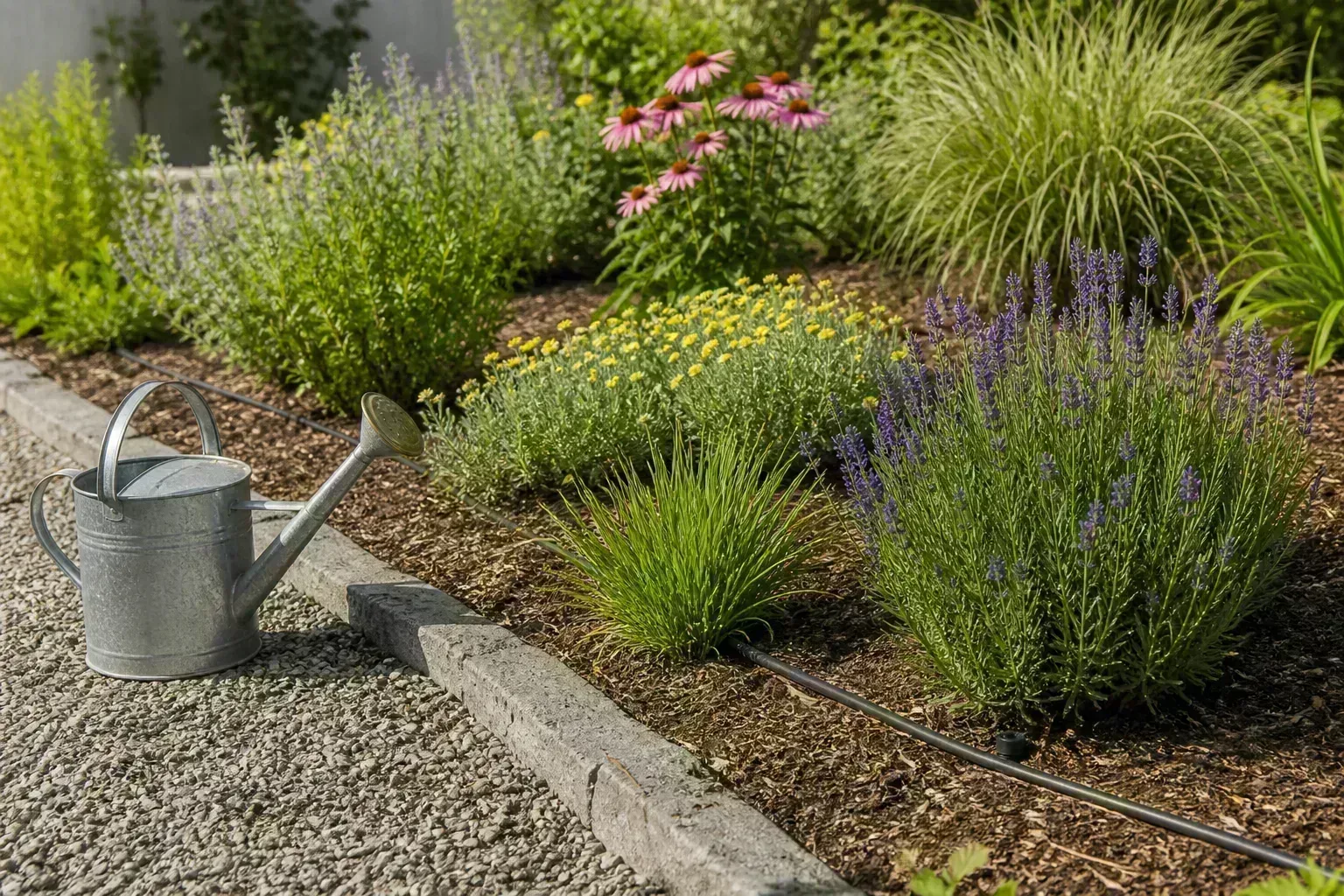
Good drainage is often more important than rich soil. Many beardtongues, particularly western species, struggle when their crowns sit in cold, saturated soil through winter. A bed that drains slowly can kill a plant that appeared drought-tolerant in summer; dry-weather resilience does not equal tolerance of waterlogged roots.
Check the site after a heavy rain. If water remains pooled for hours, the soil stays sticky and wet, or the bed sits at the bottom of a slope, choose a more tolerant species or plant on a raised mound. A gravelly, sandy, or loamy bed is often easier to manage for western types, while P. digitalis tolerates a broader moisture range, including clay, provided excess water can drain away.
Avoid automatically adding a large amount of compost, manure, or peat to every planting hole. Rich, moisture-retentive soil can encourage soft growth and prolong wetness around the crown; a species suited to poor, lean soil may do better with minimal amendment. The Gardenia Penstemon guide also emphasizes well-drained soil and warns that waterlogged conditions can lead to root problems.
If the soil is heavy, improve the growing area rather than digging a small amended pocket that acts like a basin. A raised bed or broad slope lets water move away from the crown, and choosing a moisture-tolerant eastern species may be more successful than trying to turn a persistently wet location into a dryland habitat. Keep the plant’s crown at or slightly above the surrounding soil level, especially where winter rain is common.
Plant at the right depth and spacing
Spring is a dependable planting time in colder regions because roots can establish before winter. In mild climates, early fall can also work if the plant has several weeks to settle before temperatures turn cold. Avoid planting a small nursery plant during extreme heat unless you can keep its root ball evenly moist while it establishes.
Loosen the soil around the planting area, then dig a hole about as deep as the root ball and wider than the nursery pot. Slide the plant out without pulling on the stems, tease apart only roots circling tightly around the bottom, and set it so the top of the root ball is level with the bed. Backfill with the original soil, firm gently, water to settle it, and check that the crown has not sunk below grade.
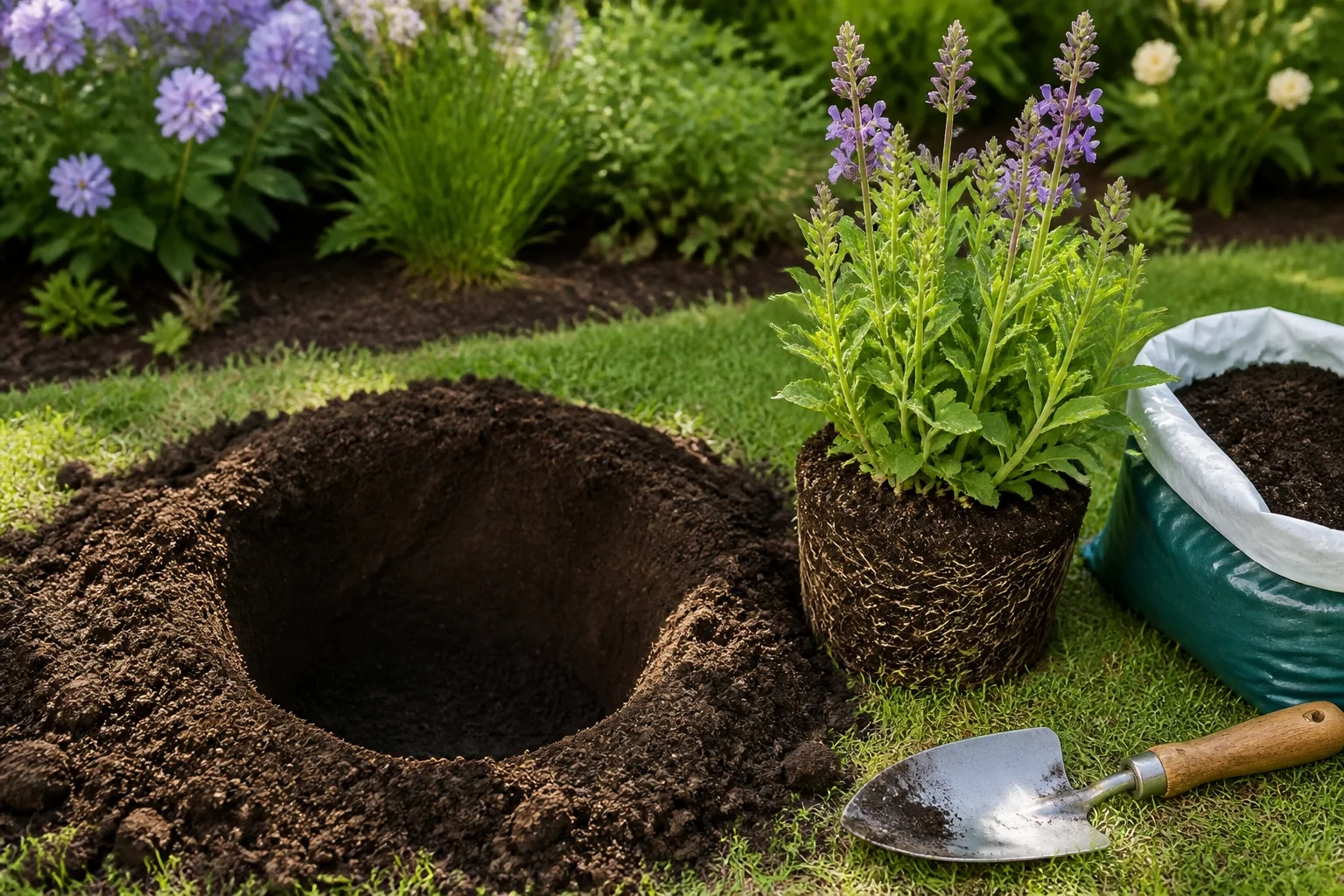
Use the mature spread on the label to set spacing rather than planting every Penstemon a foot apart. A compact cultivar can sit closer to the front of a border, while taller or spreading types need room for stems and airflow. Crowding may look full at planting time, but it makes maintenance harder and can increase mildew or leaf-spot problems when foliage stays damp.
Water more in the first year, less after establishment
Water a newly planted beardtongue deeply enough to moisten the root ball and the surrounding soil, then check it again as the top layer begins to dry. During the first growing season, consistent moisture supports root establishment, especially in warm weather or fast-draining soil. The RHS general perennial guide recommends regular watering during the first year, then additional water mainly during prolonged dry spells for established plants.
After the roots settle, reduce routine irrigation and let the plant’s type and site guide you. A dryland species may need little supplemental water once established, while a hybrid bred for garden borders or an eastern P. digitalis may appreciate water during a long dry spell. The Garden Design growing guide notes that water needs depend on soil and species origin, and that garden hybrids may need more summer water than locally adapted native species.
Do not water every beardtongue on the same weekly schedule. Feel the soil several inches down; if it is still cool and moist, wait, particularly in cool weather or heavy soil. If the root zone is dry and the leaves are losing firmness during a heat wave, give a thorough watering at the base rather than frequent shallow sprinkles that wet leaves but do not reach the roots.
Feed lightly and keep mulch off the crown
Penstemon is not usually a plant that needs a heavy feeding program. If the bed has reasonably fertile soil and the plant produces healthy foliage and flowers, extra fertilizer may add work without improving the display. The RHS says most border perennials need no added feed unless their soil is especially poor; a balanced spring application can be considered when growth is weak and a soil test or site history points to low fertility.
Avoid high-nitrogen lawn fertilizer or repeated bloom boosters around beardtongue. Excess nutrients can encourage leafy, soft growth at the expense of sturdy stems and may make a plant more likely to flop. If a plant is pale or undersized, first check sunlight, drainage, root crowding, and water before adding fertilizer.
A thin mulch layer helps suppress weeds and moderate soil temperature, but keep it away from the crown and stem bases. Gravel or small stone can suit dryland species because it does not hold as much moisture against the crown; organic mulch may be useful in cooler, moister settings when it is applied loosely. Whatever material you choose, avoid building a damp mound around the plant’s center.
Extend bloom without sacrificing seed
A beardtongue’s bloom window depends on its species and local climate. Many garden types flower in late spring or early summer, while some cultivars bloom later or continue for several weeks. Garden Design gives examples ranging from spring-flowering western species to summer-blooming hybrids, so check the tag when you want a particular month of color rather than relying on the common name alone.
To keep a clump tidy or encourage another flush where the cultivar is capable of reblooming, snip off spent flower stalks after most blooms fade. Cut just above a healthy set of leaves or a side shoot; avoid shearing the whole plant into its foliage. Deadheading can prolong flowering in some types, but it does not guarantee a second bloom for every species.
Leave some flower stalks to mature into seed capsules if you want seedlings, seed for later, or winter structure. The seedheads can also provide food for birds, and leaving them helps a native planting look natural after flowering. Decide which goal matters for that part of the bed: a tidier border, potential repeat bloom, or seed and wildlife value.
Prune according to crown habit and season
Deadheading a flower stalk is different from cutting back the whole plant. Beardtongues may be herbaceous, semi-woody, or evergreen depending on the species and cultivar, so do not assume that every clump should be cut to the ground in autumn. On an evergreen type, retain healthy foliage; on a herbaceous type, the old stems can remain through winter and be removed before new growth pushes up.
Use clean hand pruners and follow a stem down to the point where it meets healthy foliage or the base. Remove damaged, diseased, or fully dead stems, but do not cut deep into the crown to make the plant look perfectly bare. If you are not sure whether a stem is dead, wait for spring growth or gently scratch a small spot to see whether tissue underneath is green.
For a plant that has finished flowering, selectively remove spent spikes rather than cutting all stems at once. A strong post-bloom trim may stimulate fresh foliage or another flush in some varieties, but a late-season haircut can prompt tender growth just before frost. The Garden Design guide recommends leaving some late seedheads if you want the plant to self-sow.
Propagate Penstemon by seed or cuttings
Many beardtongues can be propagated from seed, and softwood cuttings work well for some cultivars. Seed is useful when you want to raise a locally adapted species or do not mind variation among seedlings; vegetative cuttings are a better choice when you want a new plant to resemble a named parent. Division is possible for some established clumps, but avoid repeatedly disturbing a plant with a deep or fragile root system.
A number of species are short-lived perennials, so planning ahead can prevent an empty spot when an older clump declines. Before cutting or lifting a plant, check that it is healthy and that its cultivar can legally be propagated; some commercial selections are protected. The Garden Design guide describes softwood cuttings and division as options, while NC State Extension also lists seed, cuttings, and division for the genus.
Sow seeds with species-specific stratification
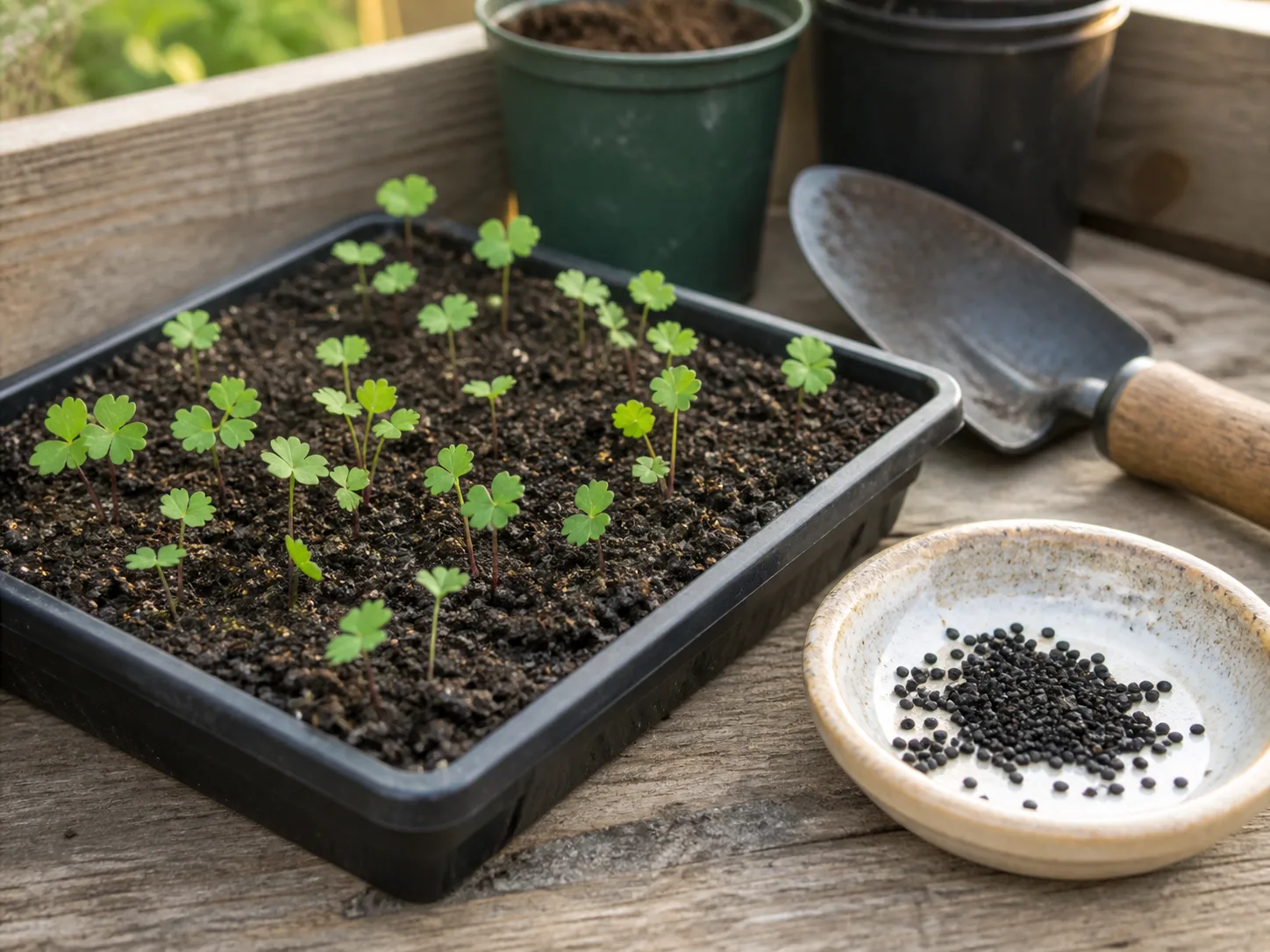
Some Penstemon seeds germinate more reliably after a period of cold, moist conditions, but the requirement varies by species and seed source. Check the packet before sowing; if it calls for stratification, refrigerate seed in a lightly moist medium for the listed period or sow outdoors in fall so winter provides natural chilling. Do not keep a seed tray saturated, because steady moisture is not the same as waterlogged soil.
Sow at the depth recommended for that seed. Keep the mix evenly moist until germination, then give seedlings bright light and enough airflow to prevent damping off. Seedlings may take a season or more to reach flowering size, and open-pollinated seed may not reproduce a named cultivar exactly, so label the sowing date and parent plant if those details matter to you.
Use cuttings for named cultivars
Take softwood cuttings from healthy, nonflowering shoots when new growth is still flexible and has not become woody. Use a clean blade, remove the lower leaves, and place the cutting in a sterile, free-draining propagation mix; keep it evenly moist while it forms roots, but do not seal it in a wet environment with no airflow. Timing differs with climate and species, so follow a regional guide or instructions from the cultivar’s nursery.
Once roots have formed, pot the cutting separately and let it grow until it can handle outdoor conditions. Acclimate it gradually to sun and wind before planting it in the garden. If you divide a mature clump, do so only when the plant is actively growing and you can take a rooted section without tearing the crown apart.
Troubleshoot weak growth and short flowering
When beardtongue looks poor, check the site before changing several care routines at once. Note how many hours of sun it gets, whether the soil is wet below the surface, whether the stems are crowded, and how old the plant is. A photo taken when the problem begins can help you see whether the issue is spreading or confined to one stem.
Diagnose flopping and poor bloom
Tall stems that lean or flop often point to too little sun, overly rich soil, excess water, or a cultivar planted where it is exposed to wind. Move support into place early in the season if needed, and consider a shorter cultivar next time rather than staking a plant that is naturally too tall for the bed. Do not cut the plant back hard during active bloom just to shorten it; you may remove flower buds and delay flowering.
If the plant makes leaves but few flowers, review light and fertilizer first. A shady spot, recently divided plant, young seedling, or high-nitrogen feed can all delay a strong flower display. Also confirm that the plant is not being cut back before its buds form and that the cultivar’s bloom period has not simply shifted with your local weather.
Respond to yellow leaves and wet crowns
Yellowing at the base can be normal as older leaves age, but soft, spreading yellow leaves combined with soggy soil suggest root or crown trouble. Check for standing water and inspect the crown only if decline continues; if it is soft or foul-smelling, remove affected material and improve drainage before replanting. Do not try to fix a wet root problem by adding fertilizer or watering more often.
Powdery mildew, leaf spots, rust, and slug or snail damage are more likely in crowded, damp conditions than in a sunny bed with airflow. Remove badly affected leaves, water at soil level, and open space around the plant; discard diseased material rather than composting it if the disease is spreading. The cause matters: fungicide cannot correct a site that stays wet, and an insect treatment will not solve leaf damage caused by slugs hiding under mulch.
Protect roots through winter
Cold tolerance depends on species, cultivar, drainage, and whether the plant is in the ground or a pot. A western beardtongue may handle dry cold but fail in a wet winter, while a moisture-tolerant eastern species can still be damaged by severe frost outside its reliable range. Read the plant tag for local hardiness and treat winter wet as a separate risk from minimum temperature.
In regions with freezing winters, leave a modest amount of old growth until spring if the plant’s crown is vulnerable or you are uncertain of its habit. It can provide some shelter and makes it easier to see where new growth emerges; remove dead stems before they shade the fresh shoots. The RHS notes that less-hardy perennials may need winter protection, while some old stems can also shelter beneficial insects.
For dryland types, use a site that drains through winter and keep heavy, moisture-holding mulch away from the crown. In a container, roots are more exposed to cold than roots in the ground, so choose a cultivar rated for your climate, protect the pot from repeated freeze-thaw cycles, and prevent rain from saturating the mix. A cold frame or sheltered unheated spot can help, but the plant still needs its outdoor seasonal rest; a warm living room is not a substitute for appropriate winter protection.
Grow beardtongue in pots and pollinator beds
A compact Penstemon can grow in a container if the pot has drainage and the mix does not stay soggy. Choose a container large enough for the expected root system and mature height, use a free-draining potting medium, and water when the root zone begins to dry rather than treating it like a thirsty annual. The pot will dry faster in summer and freeze faster in winter, so check it more often during weather extremes and move it to shelter when the cultivar needs protection.
For a border, place taller species behind shorter perennials and avoid crowding the base. Tubular flowers make many beardtongues useful in pollinator plantings, and NC State Extension notes their value to hummingbirds and bees, including a specialized bee associated with the genus. Pair them with plants that share their soil and moisture needs: dryland types belong with other drought-tolerant plants, while P. digitalis can fit a more moderately moist bed if drainage remains adequate.
If you are planting for wildlife, let some flower stalks set seed and leave a little structure standing into winter. If you want a neat formal border, deadhead more consistently and cut back only when the plant’s growth habit and local season make it safe. Matching the species to the bed matters more than trying to force every beardtongue into the same landscape role.
Conclusion
Beardtongue care starts with identifying the Penstemon you actually bought. Most need good light and reliable drainage, but species and cultivars differ in height, moisture tolerance, hardiness, bloom time, and how they should be pruned for winter.
Plant it at the correct depth, water regularly while it establishes, then taper irrigation according to its origin and your soil. Deadhead when you want a tidier display, leave some seedheads when you want seed or winter interest, and avoid rich, wet conditions around the crown. A well-chosen beardtongue can bring upright flowers and pollinator activity to your garden for years.