How to Grow and Care for Mexican Petunia
Learn Mexican petunia care: light, water, soil, cultivars, propagation, and how to control rhizome spread before it escapes your bed.
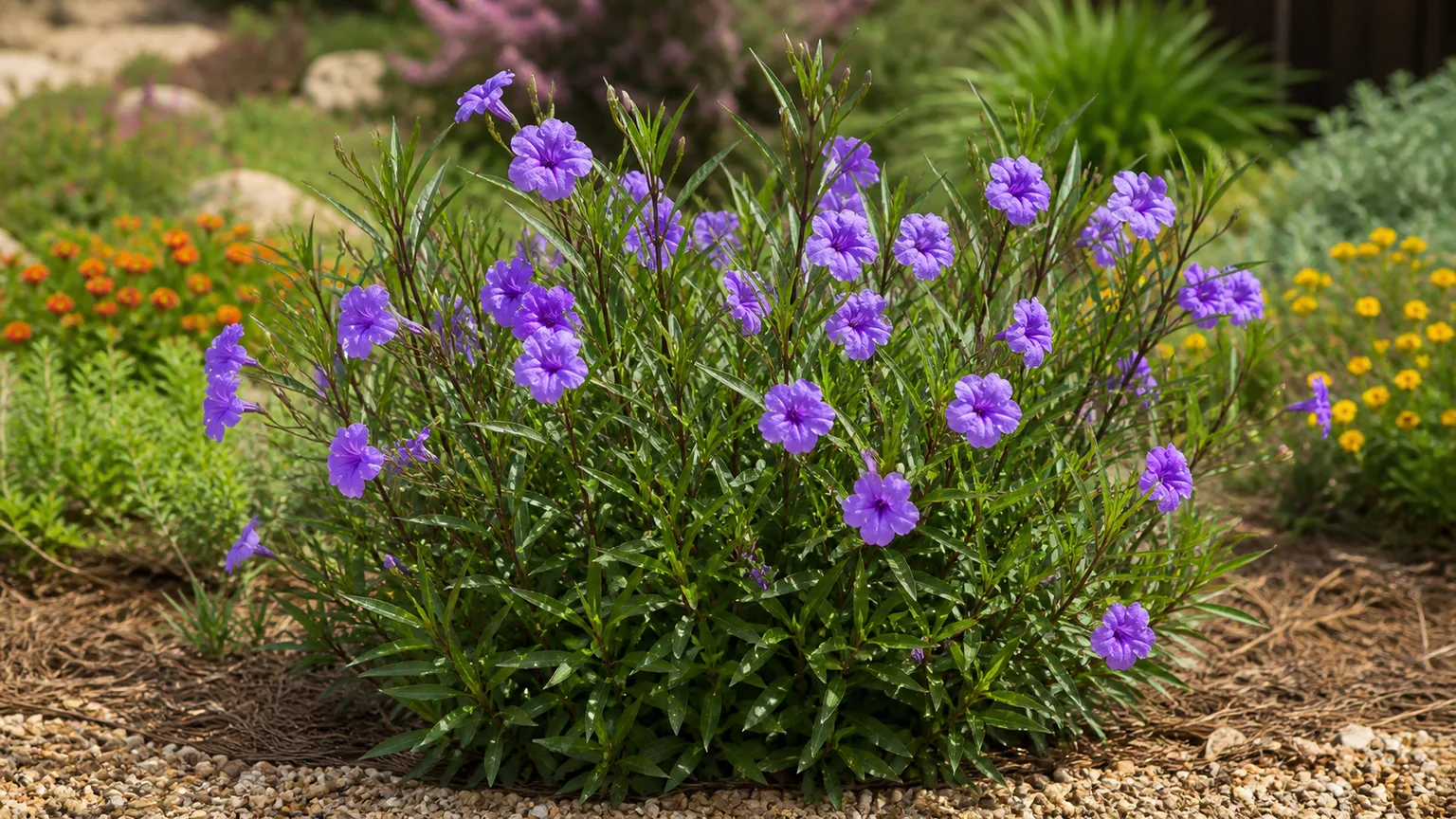
Mexican petunia (Ruellia simplex) is one of those plants gardeners either love or regret. The trumpet-shaped purple, pink, or white flowers look like petunias from a distance, but this heat-tolerant perennial belongs to the acanthus family—not the nightshade family that true petunias occupy. In the right spot it blooms for months with almost no pampering. In the wrong spot it spreads by underground rhizomes and seed, and removal becomes a multi-season project.
The smart move is to decide whether this plant belongs in your yard before you dig the first hole. If local guidance flags Ruellia simplex as invasive or potentially invasive, choose a sterile cultivar, grow it in a container, or pick a better-behaved native alternative. If you are clear-eyed about containment and your climate fits, Mexican petunia can be an outstanding performer for sun-baked beds, pond margins, and low-maintenance borders.
Unlike true petunias (Petunia spp.), which are often grown as annuals, Mexican petunia behaves as a hardy perennial in zones 8–10 and returns from underground rhizomes after mild winters. That perennial habit is what makes it both low-maintenance and difficult to remove once established.
What Mexican Petunia Is (and Why the Names Are Confusing)
Mexican petunia goes by several common names: Mexican bluebell, Britton’s wild petunia, and Texas petunia. Botanists now accept Ruellia simplex as the correct scientific name, though you will still see older labels like R. brittoniana, R. coerulea, R. tweediana, and R. spectabilis on nursery tags and in older references. NC State Extension notes that R. simplex was the name used when the plant was first described in Cuba in 1870, and that name takes priority today.
The plant is native to Mexico, the Caribbean, and Central and South America. It is a shrubby herbaceous perennial with a woody base, typically reaching 3 to 4 feet tall and 2 to 3 feet wide in the wild, though garden-grown plants often stay closer to 2 or 3 feet. Leaves are narrow, lance-shaped, glossy green, and 6 to 12 inches long. Stems may turn purple in bright light. Flowers are petunia-like trumpets in lavender, violet, pink, or white—and each bloom lasts only one day, though new flowers open daily during the active season.
Quick ID: Flowers, Leaves, and Stems
Look for opposite, willow-like leaves on stiff upright stems. Flowers are about 2 inches wide with five petals. After flowering, bean-like seed capsules form; NC State Extension reports that seeds are explosively expelled and can number 4 to 28 per capsule. Wet seeds develop a gel coating that helps them stick to soil or passing animals, which speeds dispersal. If you are trying to tell Mexican petunia apart from native wild petunia (Ruellia caroliniensis or R. nudiflora in some regions), check range maps and local extension resources—native ruellias are generally less aggressive and better suited to naturalistic plantings where you want local ecology intact.
Should You Plant Mexican Petunia? Check Invasive Status First
This is the section most care guides bury at the bottom. It belongs at the top because it changes every other decision you make.
Ruellia simplex has naturalized across the warm South and is listed as a Category One invasive species by the Florida Exotic Pest Plant Council because it invades natural areas and displaces native flora in Florida, according to NC State Extension. The University of Florida IFAS Center for Aquatic and Invasive Plants tracks it as an invasive plant of concern. It has also spread aggressively in parts of South Carolina, Texas, and Hawaii.
That does not mean every gardener in every state should avoid it. It means you should check your state and county invasive-plant lists before buying. A plant that stays politely in one neighbor’s clay may seed and rhizome freely in your sandy ditch line. If your site borders a wetland, storm ditch, woodland edge, or unmowed common area, the risk is higher.
How Rhizomes and Seeds Spread—and Why Sterile Cultivars Still Move
Mexican petunia spreads in two ways, and understanding both is essential to control.
Rhizomes are underground stems that send up new shoots several feet from the parent plant. Broken stem pieces in moist soil can also root. This is why tilling through a patch often makes the problem worse—you are planting fragments.
Seeds from fertile types germinate readily without cold stratification. Gardener’s Path notes seeds can be thrown as far as 10 feet from the parent plant. Sterile cultivars like ‘Purple Showers’ and ‘Mayan White’ eliminate seed spread but do not stop rhizome spread. If containment matters, treat even sterile selections as potentially mobile.
Mexican Petunia Care at a Glance
| Need | Practical target |
|---|---|
| Light | Full sun for strongest flowering; partial shade tolerated |
| Soil | Fertile, moist, well-drained; tolerates wet and dry extremes once established |
| Water | Even moisture during active growth; reduce in winter |
| Hardiness | USDA zones 8–10; evergreen in frost-free climates |
| Height/spread | 2–4 ft tall; 2–3 ft wide (dwarf cultivars shorter) |
| Bloom | Summer through fall; year-round in warm zones without frost |
| Fertilizer | Light spring feeding optional; avoid heavy nitrogen |
| Maintenance | Medium—mostly spread control and seasonal cutback |
| Wildlife | Attracts butterflies; deer typically avoid it |
Light Requirements for Strongest Blooms
Mexican petunia is a sun-loving plant. NC State Extension states it flowers best in full sun. In bright light, stems often develop a purple cast; in shade they stay greener and produce fewer blooms.
Full Sun vs Partial Shade Trade-offs
In hot-summer regions (Central Texas, Arizona low desert, inland Florida), afternoon shade can reduce leaf scorch on the tallest types. In humid Gulf Coast gardens, full sun usually produces the densest flowering. Deep shade is a poor fit—you will get leggy growth and sparse color. If your bed receives less than six hours of direct sun, consider the dwarf ‘Katie’ series in a brighter container you can reposition seasonally.
Soil, Water, and Drainage
One reason Mexican petunia is so popular in the South is its tolerance for difficult soil moisture. It grows in loamy, sandy, or clay-based soils as long as drainage is not permanently waterlogged at the crown. It also tolerates boggy margins and pond edges—useful for rain gardens if—and only if—you can keep rhizomes from reaching open water or natural areas.
Water newly planted ruellia deeply two to three times per week until roots establish. After that, established plants handle short droughts well. During the main growing season, aim for even moisture rather than alternating flood and bone-dry cycles, which can cause leaf drop. In winter, let the soil dry more between waterings, especially for in-ground plants in zones 8–9 where cool wet soil stresses roots.
Because Mexican petunia tolerates both wet feet and dry spells, it fits rain gardens, bioswales, and low spots that flood briefly after storms—again, only where rhizomes cannot reach storm drains or natural waterways. Sandy soils dry quickly and may need supplemental water twice weekly in July and August. Clay soils hold moisture longer; check the root zone with your finger before watering rather than following a rigid calendar.
Temperature, Humidity, and Winter Hardiness
Mexican petunia thrives in heat and high humidity. It is not frost-hardy. In USDA zones 8 through 10 it typically returns from roots or remains evergreen where winters stay mild. In zone 7 and colder, treat it as an annual or overwinter a container indoors.
A hard freeze may kill top growth to the ground. Wait until warm weather returns before assuming the plant is dead—rhizomes often resprout weeks after the last frost. Brown leaves after a cold snap are common; prune damaged foliage once you are past the freeze window.
In warm climates where Mexican petunia stays evergreen, winter care is simple: reduce watering and let the soil dry further between drinks. Do not fertilize during short days. A light mulch over the root zone helps in zone 8 margins, but pull mulch back from the crown in spring to avoid rot.
In colder zones, dig container plants before the first hard freeze and move them to a bright indoor spot above 45°F. Cut back top growth by one-third to reduce transpiration. Water sparingly—once every two to three weeks is often enough indoors. Reintroduce plants gradually in spring rather than placing them directly into harsh afternoon sun.
Fertilizer and Bloom Performance
Fertilizer is optional for in-ground plants in decent soil. If growth is pale or container plants exhaust their mix, apply a balanced slow-release fertilizer in early spring at label rates. Avoid heavy nitrogen—it pushes leafy, fast-spreading growth at the expense of flowers and makes the plant harder to manage.
If blooming is weak despite good sun, check moisture consistency and overcrowding before adding feed. A recent hard pruning, transplant shock, or cold damage can also pause flowering for several weeks.
Bloom Season and Flower Habits
Mexican petunia earns its garden reputation on flower power, not individual bloom longevity. Each trumpet-shaped flower opens in the morning and fades by the next day, but the plant replaces it quickly. In most of the Southeast and Gulf Coast, expect the heaviest show from late spring through fall—roughly May through September in zones 8–9. Where frosts are rare, plants can flower almost year-round, which is one reason they seed so freely in Florida.
Flowers are typically lavender to violet-purple, about 2 inches wide, with little fragrance. Pink and white forms come from named cultivars rather than the straight species. Butterflies—including swallowtails and monarchs—visit the nectar-rich blooms regularly, and hummingbirds may stop by in warm climates.
You do not need to deadhead for the plant to keep producing flowers. Deadheading does reduce seed set in fertile types and keeps the plant looking cleaner in formal beds. After a long bloom run, a light shearing can reset the clump and trigger another heavy flush within a few weeks if temperatures stay warm.
Best Cultivars to Know Before You Buy
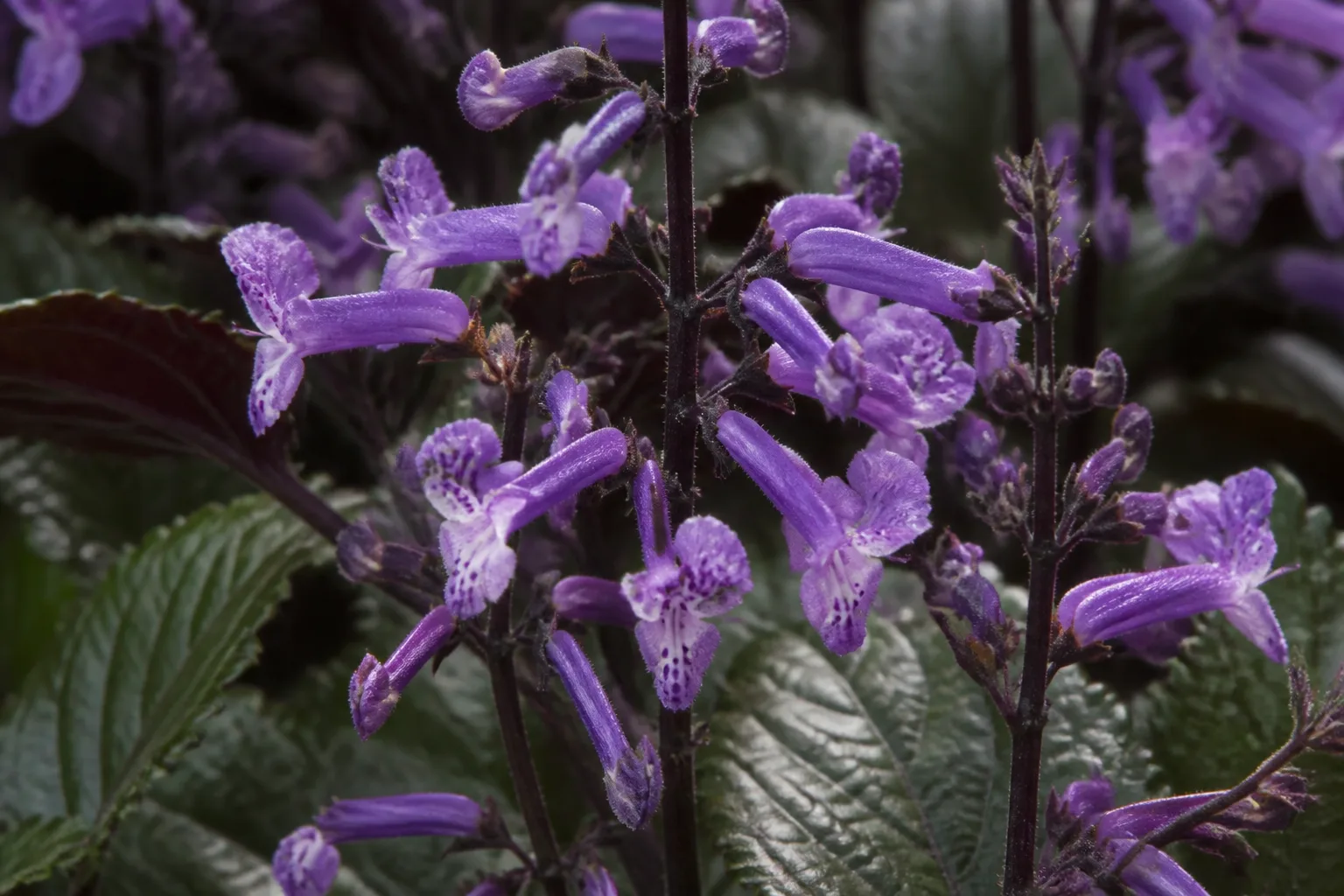
Nursery tags are inconsistent. Ask specifically about height, flower color, and seed fertility before you buy.
| Cultivar | Flower color | Height | Seed notes |
|---|---|---|---|
| ’Katie’ (dwarf) | Purple | Under 1 ft | Can reseed; slightly salt tolerant per NC State |
| ’Chi Chi’ | Soft pink | ~2 ft | Heat tolerant; verify fertility at purchase |
| ’Purple Showers’ | Purple shades | Up to 3 ft | Sterile; spreads by rhizomes only |
| ’Mayan White’ | White | Up to 36 in. | Sterile |
| ’Mayan Purple’ | Purple | Varies | Marketed as sterile; confirm tag |
For Florida and other high-risk areas, extension specialists commonly recommend ‘Purple Showers’ if ruellia is used at all—and still advise caution because rhizomes escape. Dwarf ‘Katie’ works well for edging when you accept regular edge monitoring.
How to Plant Mexican Petunia
Plant in spring after your last frost date, or in fall in zones 9–10 where roots establish quickly in warm soil. Space standard types 18 to 24 inches apart; dwarf forms can go 12 inches apart for a solid edge.
Dig a hole as deep as the root ball and twice as wide. Set the plant so the crown sits at soil level—burying too deep invites rot. Backfill, water thoroughly, and mulch lightly while keeping mulch off the crown. Avoid planting downhill from natural areas or drainage paths where rhizomes and seed can travel.
For pond margins, use a root barrier or container set into the ground if local rules allow ruellia at all. Even moisture-loving plantings need a plan for lateral spread.
Pair Mexican petunia with companions that can hold their own: lantana, ornamental grasses, and sun-loving salvias work in hot borders. Avoid pairing it with slow-spreading native wildflowers at a bed edge where ruellia rhizomes will outcompete them within a season.
Pruning, Deadheading, and Rejuvenation Cuts
Mexican petunia does not require deadheading to keep blooming—new flowers open daily. Still, removing spent blooms and seed capsules keeps beds tidier and reduces self-sowing in fertile types.
Cut back stems after a major flowering flush or in late winter before new growth to encourage bushier habit and more flowers. If a tall clump becomes leggy, shear it to 6–12 inches above ground in warm weather and water well; regrowth is fast.
Wear gloves if sap irritates your skin. Bag and trash seed-bearing or rhizome-coated clippings when spread control matters—do not compost them.
Propagation: Cuttings, Division, and Seed
Propagation is easy—which is exactly why the plant causes problems. Only propagate if you understand local status and have a containment plan.
Stem cuttings (summer): Take a 4- to 6-inch cutting below a node, strip lower leaves, optionally dip in rooting hormone, and root in moist potting mix in bright indirect light. Transplant when roots are firm.
Division: Dig the clump in spring or summer, slice through rhizomes with a sharp spade, and replant divisions immediately at the same depth. Water daily for two weeks. Every division is a new future colony—share only with gardeners who understand spread risk.
Seed: Sow fertile types in moist mix indoors 8–10 weeks before last frost, or direct-sow after frost. Germination often begins within 10 days. Harden off before planting out in full sun.
Label every propagation tray clearly if you grow multiple ruellia types—sterile and fertile cultivars look similar as seedlings. Never share divisions or seedlings without mentioning spread risk, especially in Gulf Coast and Florida zip codes where escape is well documented.

Growing Mexican Petunia in Containers
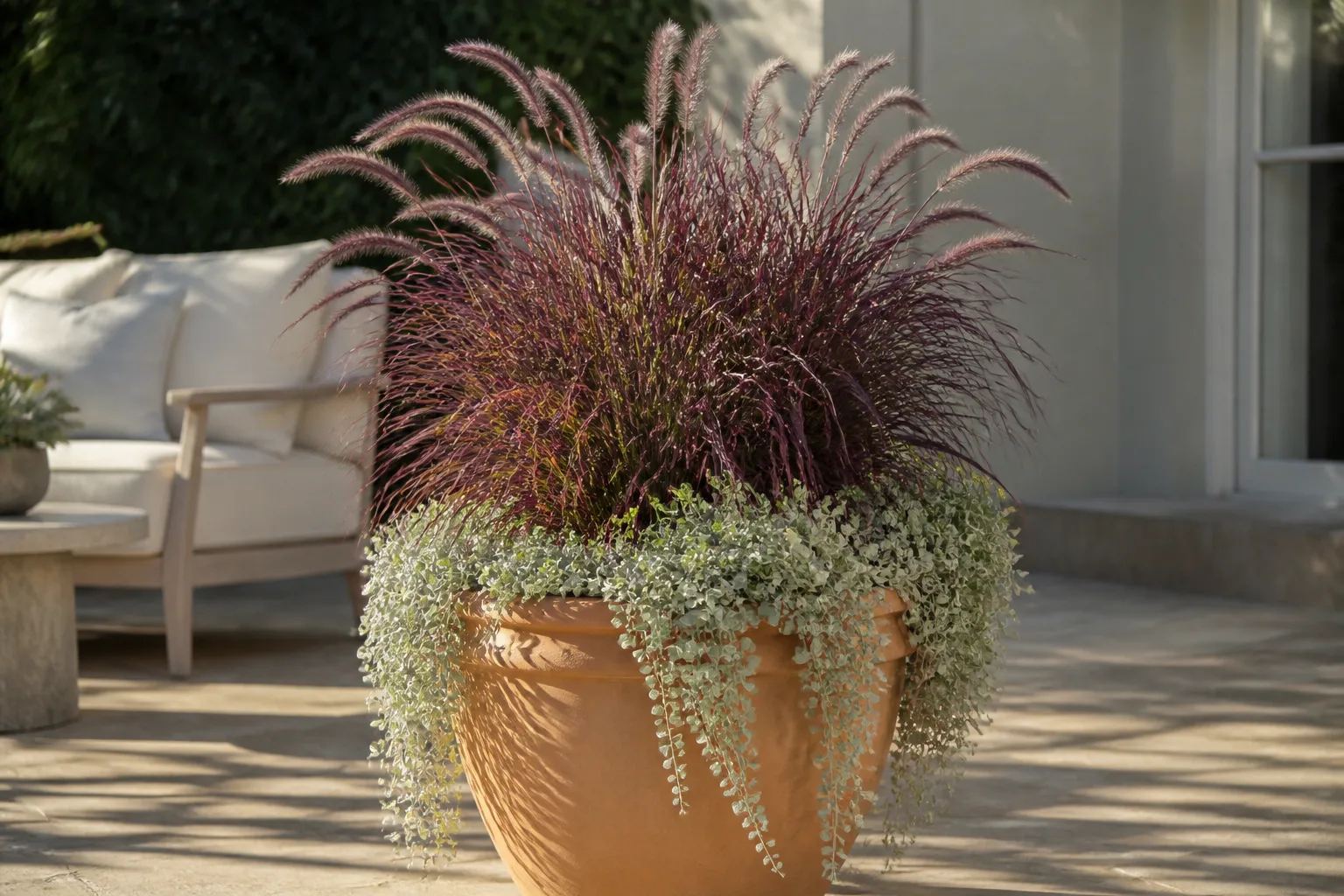
Containers are the best strategy when you love the flowers but not the landscape risk. Choose a pot at least 12 inches wide with drainage holes. Use quality potting mix and place the pot in full sun. Check moisture daily in summer—pots dry faster than ground soil.
Repot when roots circle the pot or growth stalls, moving up one pot size. Trim rhizomes at repotting if they press against pot walls. In zone 7 and below, move pots to a bright frost-free garage or sunroom before hard freezes. Do not let the pot sit in a saucer of water through winter.
Elevate containers off bare soil if rhizomes could root through drainage holes into the ground.
Containing Spread in Beds and Borders
Think of containment as ongoing maintenance, not a one-time barrier install.
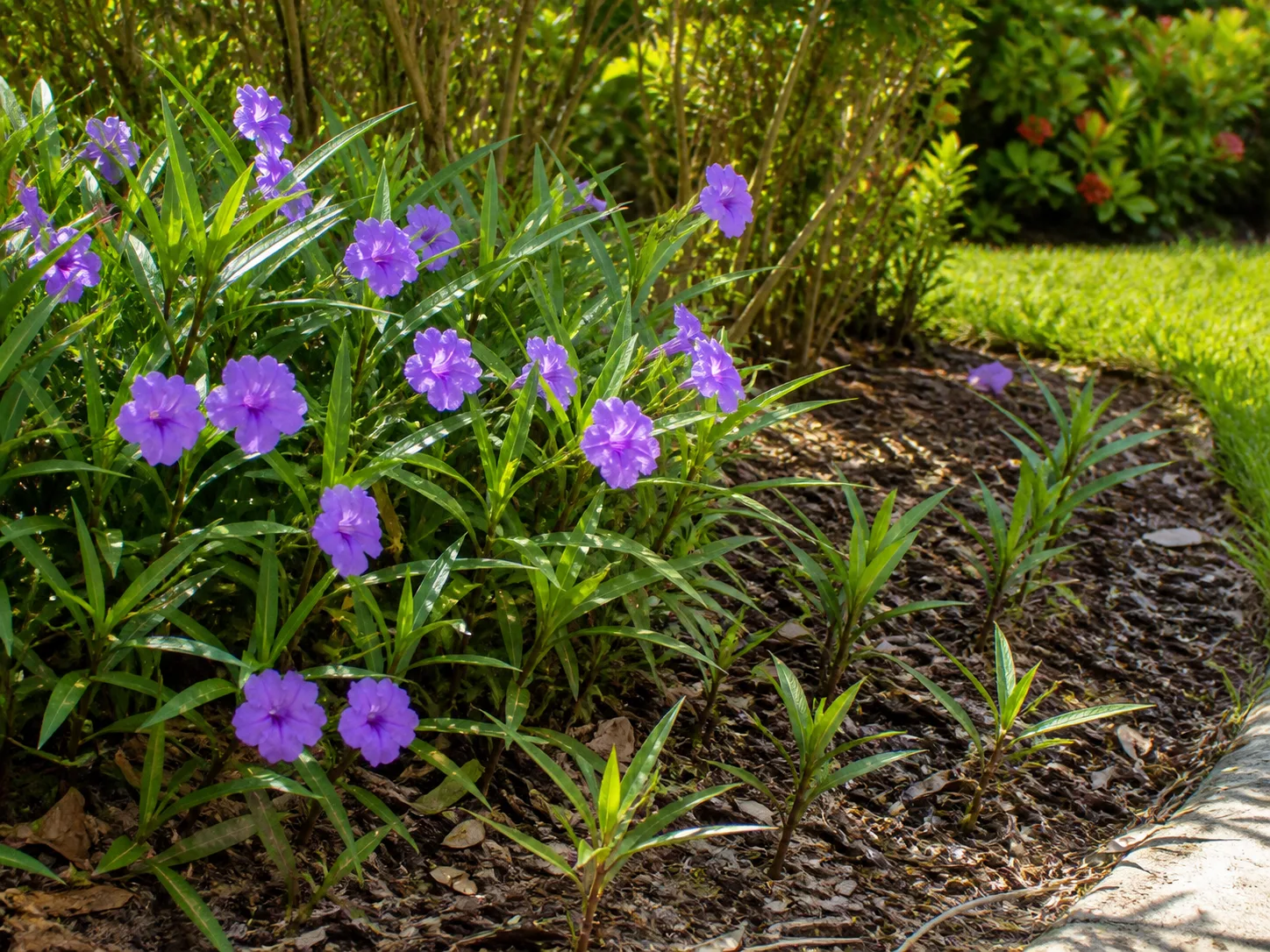
Inspect bed edges every two to three weeks during the growing season in the landscape. Pull young rhizome shoots when soil is moist, tracing the runner back to the mother plant when possible. A deep edging barrier (18 to 24 inches) can slow lateral movement in heavy soils but rarely stops determined rhizomes in sand.
Mowing is not removal—it often spreads fragments. Tilling is worse. For escaped colonies, cut growth to a few inches, dig rhizomes repeatedly as new shoots appear, and bag all plant material for landfill disposal.
Sterile cultivars reduce seed risk but still need rhizome monitoring. If the plant has crossed into a natural area, contact your local extension office for region-specific eradication guidance.
Pests, Diseases, and Gall Mites
Mexican petunia has few serious pest problems and is seldom damaged by deer, per NC State. The main issue gardeners report is eriophyid gall mites, which cause dense white fuzzy patches on leaves that look like paint splatters.
On small infestations, remove affected leaves and discard them in sealed bags. Horticultural oil can help on larger outbreaks. For heavy infestations, cut plants to a few inches, bag all debris immediately, and dispose off-site—mites can move to neighboring plants if clippings sit in the open.
Southern blight and root rot can occur in poorly drained, constantly wet soil. Improve drainage and avoid overwatering rather than relying on fungicides for a plant this tough.
Spider mites are uncommon but possible during extended hot, dry spells. Rinse foliage with water in the morning and improve air circulation before reaching for miticides. Mexican petunia recovers quickly from minor leaf damage once conditions improve.
Troubleshooting Common Problems
Few or no flowers: Increase sun, even out watering, and avoid high-nitrogen fertilizer. Recent frost, transplanting, or a hard prune may delay the next flush—wait two to three weeks.
Tall, floppy stems: Usually too much shade or excess nitrogen. Move or prune surrounding plants for more light, and cut back leggy growth after flowering.
Brown leaves after cold weather: Frost or freeze damage. Prune dead foliage after the freeze period ends and protect roots with mulch; new shoots often emerge from rhizomes.
Yellowing leaves: Check for saturated soil, root stress, or natural seasonal slowdown in cool months. Fix drainage before fertilizing.
Shoots appearing outside the bed: Rhizome escape. Dig the connecting runner, remove the full fragment, and monitor weekly. Do not assume mowing solved it.
Aggressive takeover: Fertile seeding plus rhizomes. Cut back, dig rhizomes, bag all material, and consider replacing with a native ruellia or non-spreading perennial if the site borders sensitive habitat.
Wilting in full sun despite watering: Check for root-bound container plants or compacted soil that sheds water. Soak the root ball slowly until water runs from drainage holes, then improve the planting hole or repot.
Conclusion
Mexican petunia rewards gardeners who want a tough, long-blooming perennial for heat, humidity, and difficult moisture swings. It punishes gardeners who plant first and read about rhizomes later. Check invasive status for your county, match the cultivar to your containment strategy, give it sun and reasonably moist soil, and treat edge patrol as part of normal care—not an emergency later.
Grow it in a pot if spread is a concern. Choose sterile types where seed is the bigger risk. Keep rhizomes in check with regular monitoring rather than hope. Done deliberately, Ruellia simplex can be a beautiful, low-input workhorse for hot climates. Done casually, it becomes the plant you spend years removing—and that is a maintenance cost no amount of purple flowers can hide.