How Often to Water Philodendrons: Read the Soil
Water philodendrons when the upper mix has dried enough—not by weekday. Use soil, pot weight, and leaf clues to avoid drought stress and root problems.
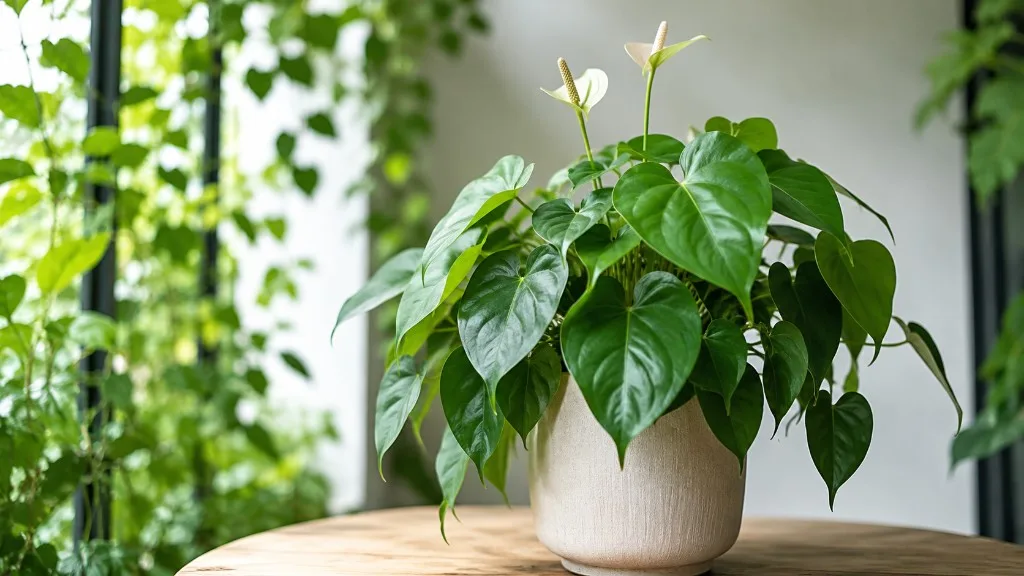
Water a philodendron when the upper inch of potting mix feels dry, then soak the root ball evenly and let every drop of excess drain away. That often works out to about once a week in a warm, bright room during active growth, but the interval can stretch in a cool, dim room or shrink in a small pot near a sunny window. Soil condition—not the day on your calendar—decides whether the plant is ready.
The University of Florida IFAS heartleaf philodendron guide recommends watering when the top inch of soil is dry to the touch. That’s a useful starting point for many indoor philodendrons, but a large pot can still be damp below a dry surface, and a tightly packed or water-repellent mix can send water around the roots. Check the plant’s growing medium and drainage before you pour.
The short answer: water by soil, not by weekday
Treat “weekly” as a reminder to inspect, not an order to water. A philodendron in active growth may use water quickly, while one in a low-light corner can sit in damp mix for days longer. Different pot sizes, materials, and mixes can make two plants in the same room dry at different rates.
A reliable starting routine is to check the soil once a week. When the upper inch feels dry and the container has drainage, water slowly across the surface until water exits the bottom; empty the saucer or decorative outer pot afterward. If the mix is still cool or damp, wait and check again in a few days.
This method keeps the root ball from cycling between bone-dry and soggy. Philodendrons like moisture, but they still need air around their roots. The goal is an evenly watered mix that drains—not a pot that stays wet all week.
Build a baseline without committing to a schedule
Your first few checks teach you how quickly this specific plant dries. After a thorough watering and full drain, note the pot’s weight and how the surface looks. Check again in several days, then repeat at the same depth until you learn how long it usually takes for the upper mix to dry.
The University of Georgia Cooperative Extension guide to indoor plants explains that watering frequency varies with plant type, plant size, container volume, existing soil moisture, light intensity, temperature, and humidity. Those variables explain why a “water every seven days” rule often fails even for the same species. A trailing heartleaf in a small pot and a mature self-heading plant in a large cachepot do not share one reliable timetable.
Treat the calendar as a reminder to inspect
A weekly check is useful because it prevents you from forgetting a plant, but a fixed watering day can lead to overwatering when growth slows or the weather changes. If the root zone is moist on inspection day, leave it alone. Record the date and soil condition, then look again later rather than trying to catch up with a little extra water.
When the room changes—heating turns on, a plant moves nearer a window, or you repot—expect the old interval to shift. Inspect more often for a couple of weeks while you learn the new drying pattern. Once you understand it, keep the reminder and let the soil make the final call.
Test the root zone before watering
The surface dries first, so a pale, dusty top layer by itself does not prove the roots need water. Check below it. For a typical small or medium philodendron pot, feel the mix about an inch down; in a large pot, check in more than one place and test farther below the surface so you do not mistake a dry crust for a dry root ball.
UF/IFAS and Gardening Know How’s philodendron care guide both use the top inch as a practical moisture check. For deeper containers, pair that with a wooden skewer or a lift test. No single tool reads every mix perfectly, so look for agreement between the soil, the weight of the pot, and how the plant is growing.
Use finger and pot weight together
Push a finger into the mix near the pot’s edge, away from the stem. If it feels cool or leaves a little damp soil on your skin, wait; if the tested layer feels dry and crumbly, the plant may be ready. In a container too large for a finger test, slide a clean wooden skewer partway toward the bottom and pull it out. Damp particles clinging to the wood mean there is still moisture at that depth.
Pot weight is a useful second signal. Lift a nursery pot just after it drains, then lift it again when the surface begins to dry. The difference becomes easier to notice after a few cycles. With a heavy floor pot, press a skewer into two spots and compare the mix near the edge with the center rather than trying to lift it.
Moisture meters can help you compare one location with another, but do not treat a single reading as a verdict. Bark, perlite, roots, salts, and uneven pockets affect readings. If a meter says “dry” while the mix feels cool and the pot is still heavy, wait and check again before watering.
Read the pot, mix, and root ball
A pot with working drainage holes gives excess water somewhere to go. If the philodendron sits inside a decorative cachepot, lift out the inner nursery pot after watering and pour away trapped runoff. A drainage hole that is blocked by compacted mix or roots can behave like no hole at all.
Potting mix also changes the interval. Dense, fine mix can stay wet longer than an airy mix, while a very coarse bark mix may dry sooner. A pot-bound plant with little mix around its roots can dry quickly, but repotting into a container that is much too large may leave a bigger volume of soil wet around a small root system. If you repot, go up only modestly and watch the soil again rather than assuming the new container needs water on the old schedule.
Adjust checks for your room and philodendron type
Think of water use as a response to the whole setup. Faster growth and more light usually mean more water use; cooler temperatures and lower light usually slow it. The container and mix can amplify or soften those changes.
Light, heat, and airflow change drying speed
A bright room, active plant growth, warm temperatures, and moving air can dry a pot faster. A plant close to a heater or air-conditioning vent may also lose water more quickly, though drafts can stress leaves. In a dim corner, the plant uses less water, so repeating a summer routine through winter can leave its roots wet too long.
Container material matters, too. Unglazed terracotta loses moisture through its sides and often dries faster than plastic or glazed ceramic. The same pot in a humid bathroom can behave differently from one in a dry room with forced-air heating. Instead of guessing how much each factor matters, use them as a reason to inspect sooner or later and then follow the soil.
Vining and self-heading philodendrons
“Philodendron” covers many species and cultivars with different shapes, leaf sizes, and growth rates. Vining heartleaf philodendrons are often kept in small hanging or shelf pots; those compact containers can dry quickly, especially when the vines have filled them with roots. Self-heading types may live in much larger pots, where the center can stay moist well after the top looks dry.
Do not water a plant more often simply because its leaves are large or it is described as tropical. The species, pot, mix, and room work together. For a new cultivar or an unfamiliar plant, start with the upper-inch check and use a deeper test if the container is large. Let its own drying pattern—not a schedule borrowed from another variety—guide the next watering.
Water thoroughly, then give the pot a full drain
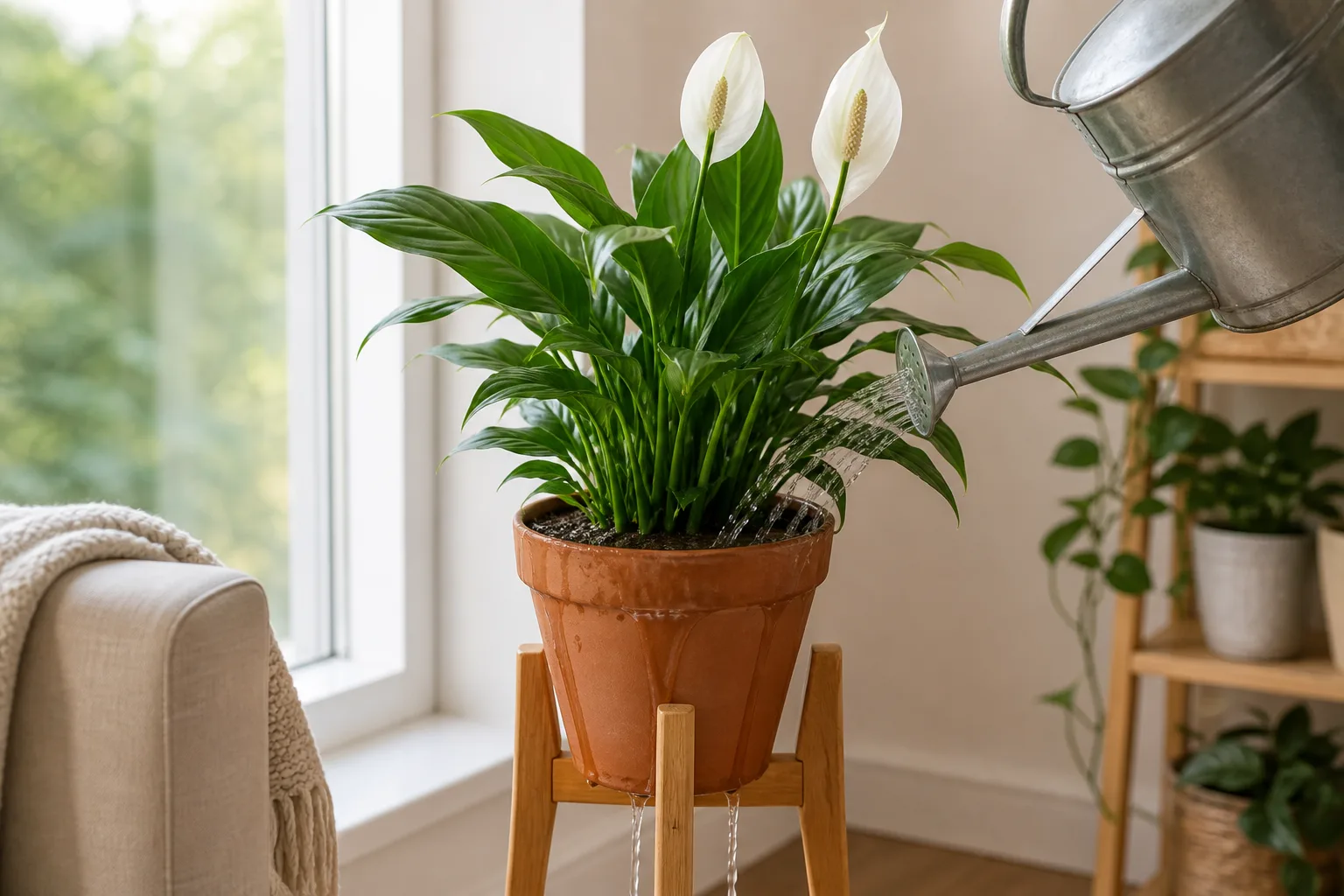
When the soil test says it is time, water enough to wet the whole root ball. A small splash only wets the top layer and may leave roots lower in the pot dry. Add water in a slow circle around the soil, pause if it races straight through, and continue until you see runoff.
The same University of Georgia Cooperative Extension guide recommends discarding drained water and notes that excess moisture can suffocate roots. That’s why an occasional thorough watering followed by a drain is safer than frequent small sips into a pot that never gets checked. The water volume will depend on container size and mix, so runoff is a more useful stopping point than a universal cup measurement.
Top watering as the default
Set the pot in a sink or tray where runoff can escape. Pour across the surface rather than directly beside the stem, and give water time to soak into the mix. Stop when water begins flowing from the drainage holes, allow the container to drain fully, and then empty the saucer or cachepot before returning it to its usual spot.
If water runs down the sides immediately, the mix may have dried so much that it has become water-repellent or pulled away from the pot wall. Apply a little water, wait a minute, and repeat slowly. Check the center with a skewer afterward; a fast stream from the bottom does not prove that the root ball is evenly moist.
When bottom watering helps
Bottom watering is a useful recovery method when very dry mix sheds water instead of absorbing it. Place the pot—with drainage holes—in a shallow basin of water and let the mix draw moisture upward. Check the surface after a short soak; once it is damp, remove the pot and let it drain fully. Do not leave it sitting in water while you go about your day.
It is not necessary to bottom-water every time. Top watering helps rinse accumulated soluble salts through the mix, which a constant bottom-watering routine may not do. Gardener Report’s philodendron watering guide describes pot material, season, and room conditions as reasons its own plants dried at different rates; take those observations as a reminder to check your own setup, not as a universal interval.
Diagnose drooping, yellowing, and dry edges before adding water
Leaves can show stress, but they cannot tell you by themselves whether the plant is thirsty. A drooping philodendron may have dry soil, or its roots may be unable to take up water because they are sitting in saturated mix. Test the soil first and decide based on what the root zone is doing.
Underwatering versus waterlogged roots
A thirsty plant often has a light pot, dry mix below the surface, and leaves that droop, curl, or develop dry edges. If the soil is dry all the way through, water slowly until the root ball is evenly wet and let it drain. If the mix has shrunk from the sides of the pot, use several small pours or a brief bottom soak to rehydrate it instead of dumping water in all at once.
An overwatered plant may also droop or yellow, but the pot feels heavy and the lower mix stays wet. Stop adding water, remove standing runoff, and check that the drainage holes are open. Yellow leaves can have other causes, including normal aging or too little light, so one yellow leaf is not proof of root rot; concern rises when yellowing spreads while the mix remains wet or smells sour.
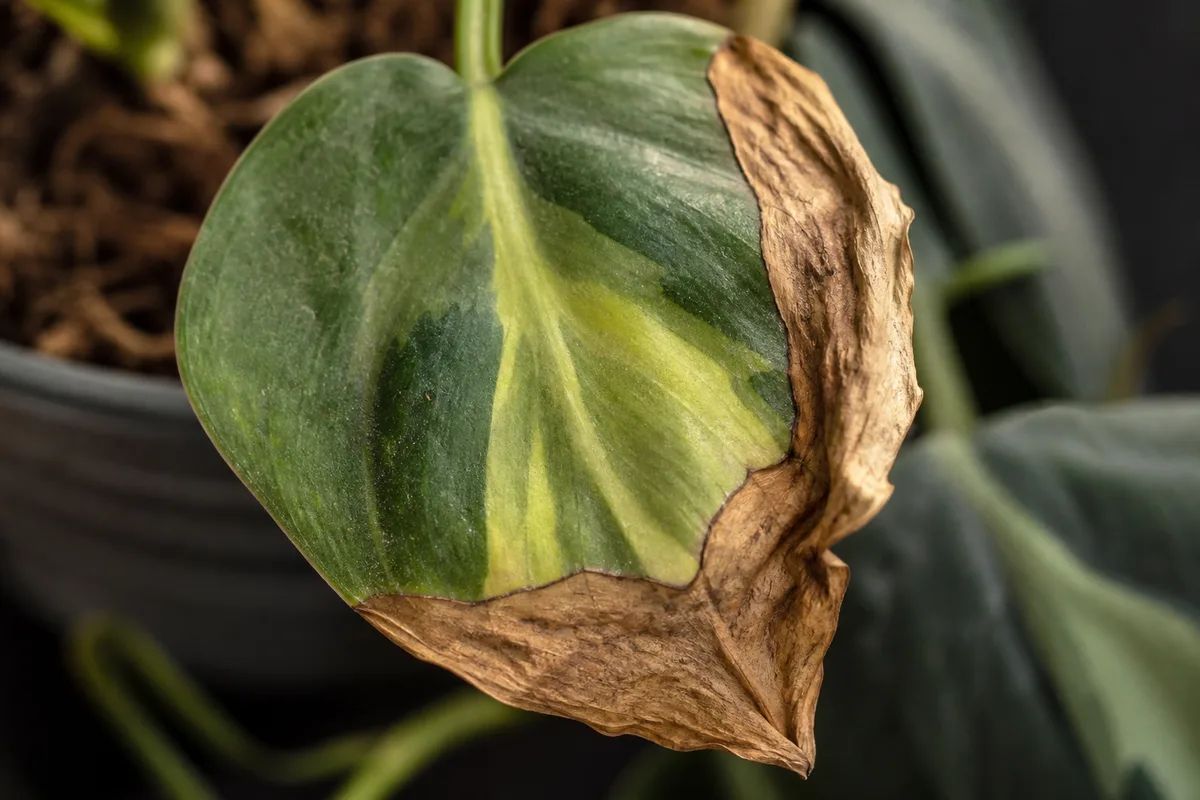
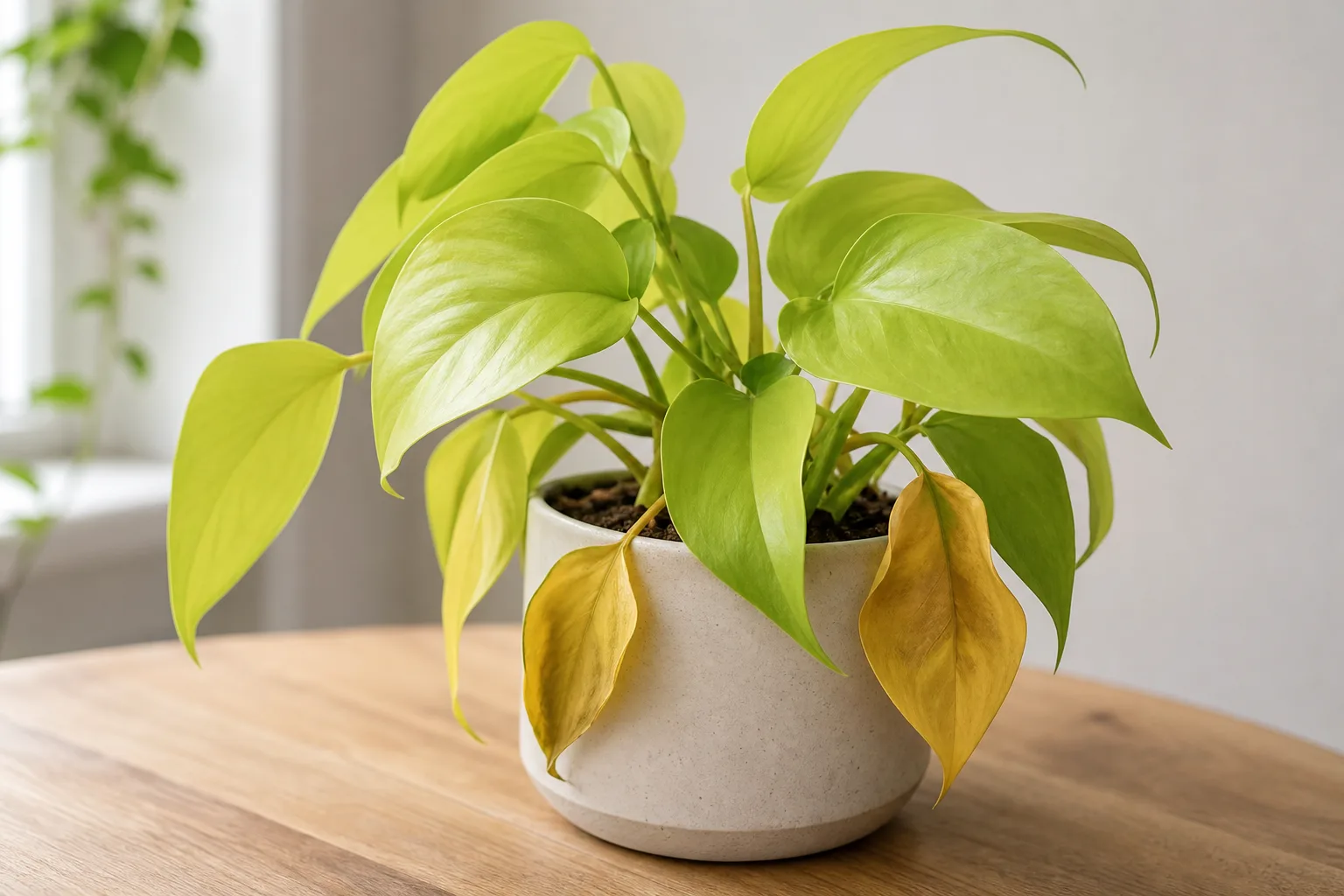
If a large plant stays wet for many days and continues to decline, slide the root ball from its pot to inspect it. Healthy roots are generally firm; roots that are soft, dark, or foul-smelling may be damaged. Remove only clearly dead material with clean scissors, replace compacted or sour mix, and use a draining pot. Avoid unpotting a plant for one mildly drooping leaf if the soil is drying normally.
What changes in fall and winter
Many philodendrons grow more slowly when indoor light levels fall, so the mix can take longer to dry. Check less often if you have confirmed that pattern, but do not stop checking. A warm room with dry forced air can dry the top layer while the middle remains wet, and a bright grow light can keep a plant growing through winter.
During the first cold-season month, compare soil and pot weight rather than immediately cutting watering in half. If the plant is still putting out leaves and the mix dries at its normal pace, keep checking on that cadence. If growth slows and the pot remains heavy, stretch the time between inspections and wait for the upper layer to dry before watering again.
Humidity is separate from watering
Philodendrons appreciate humidity, but raising humidity is not the same as watering the roots. A humidifier or grouping plants can improve the air around foliage in a very dry room, while extra water poured into damp soil only increases the chance that roots stay short of air. UF/IFAS notes that heartleaf philodendron can tolerate typical household humidity, so elaborate humidity measures are not a prerequisite for ordinary care.
Routine misting is not a reliable way to change room humidity; any increase around the leaves is brief. If dry air is affecting several tropical plants, address the room environment rather than wetting the philodendron’s soil more often. Keep the potting mix and the air around the leaves as two separate checks.
Common watering mistakes that prolong stress
The most common mistake is watering on a fixed schedule without checking the pot. The next is reacting to a droop or yellow leaf by adding water before testing the soil. Both can keep a plant in a cycle of symptoms and worsening root conditions.
Avoid these habits:
- Giving small splashes so often that the lower mix never dries or the roots never receive a thorough soak.
- Leaving water in a saucer or cachepot after the plant has drained.
- Assuming dry-looking surface mix means a deep container is dry all the way through.
- Choosing a moisture meter’s first reading over the feel and weight of the pot.
- Moving a struggling philodendron into a much larger pot before checking whether it is actually root-bound.
- Mistaking droop for thirst when the soil is already wet.
If a plant is stressed, change one part of the routine at a time. Confirm drainage, correct the watering interval, and then allow the plant time to respond. Frequent repotting, fertilizing, misting, and watering all at once make it harder to identify the actual problem.
Conclusion: repeat the check, not the schedule
For most indoor philodendrons, start by checking the upper inch of soil and water when it feels dry. Water evenly until runoff appears, let the pot drain, and empty any trapped water. A weekly reminder can help you remember the check, but light, temperature, pot size, mix, and growth determine when your plant is ready.
If leaves droop or turn yellow, test the root zone before reaching for the watering can. Dry soil calls for a slow, thorough drink; wet soil calls for better drainage and time to dry. Repeat that simple check-and-adjust cycle, and you can keep the roots moist without leaving them waterlogged.