7 Flowers That Attract Monarch Butterflies
Learn which seven flowers feed monarch butterflies, why milkweed is essential for caterpillars, and how to choose regionally suitable plants for a longer bloom season.
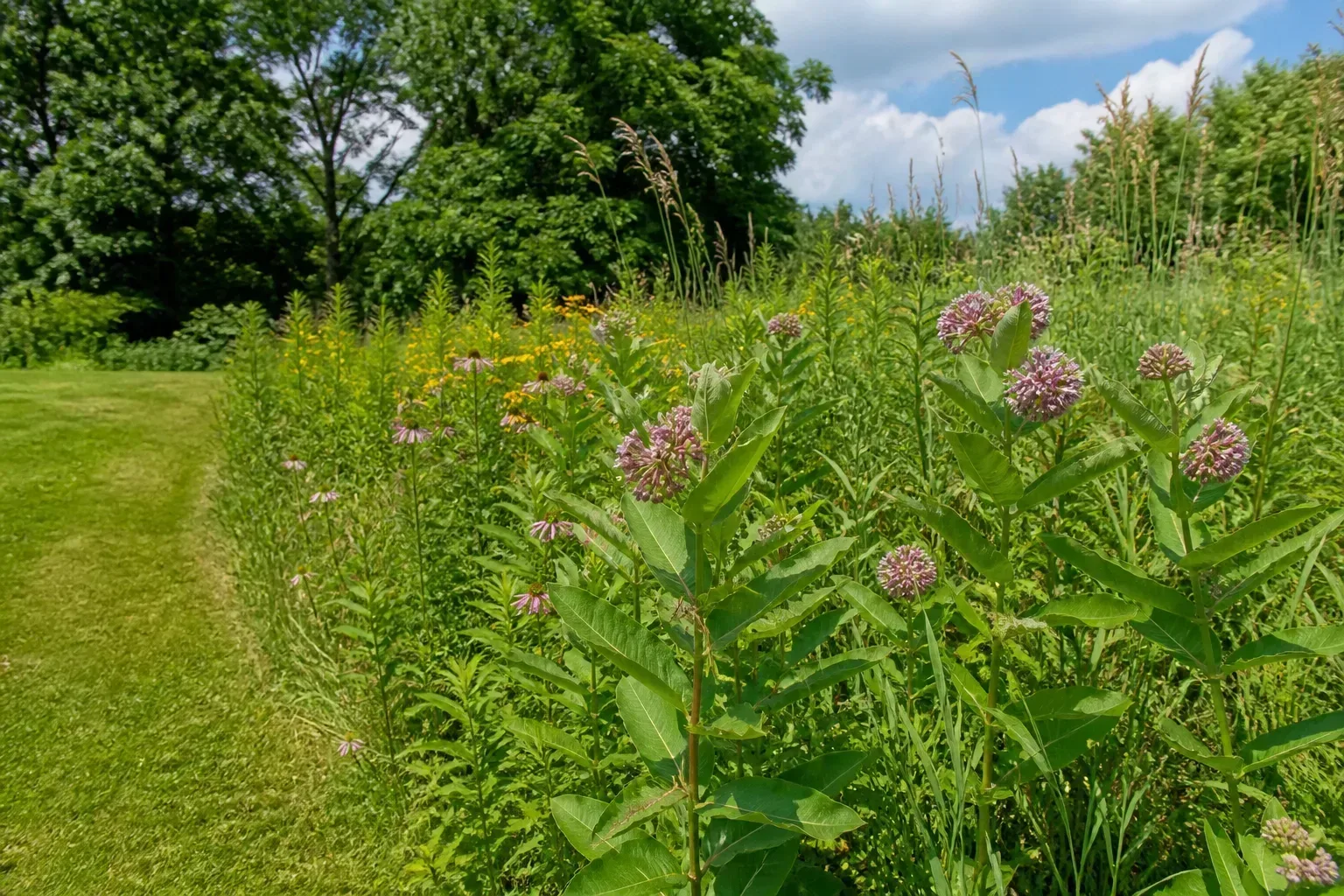
Monarchs may stop at many nectar-rich flowers, but a butterfly garden does more than feed adults. If you want to support the whole life cycle, pair a steady supply of nectar with milkweed that monarch caterpillars can eat—and choose species that belong in your region.
The seven flowers below include the familiar annuals and shrubs that gardeners often plant for monarchs. They do different jobs at different times: lilacs may flower before many monarchs arrive in northern gardens, zinnias and cosmos can fill summer gaps, and goldenrod can provide late-season nectar. Milkweed is the essential host plant; the others are nectar sources, not substitutes for it.
Start with the monarch’s two different needs
Nectar feeds adults; milkweed feeds caterpillars
Adult monarch butterflies drink nectar for energy. They can visit many flowering plants, and the best mix for a garden depends on what blooms locally through the season. Colorado State University Extension recommends planning a sequence of flowering plants and planting in patches, rather than relying on a single flower that peaks for a short time (Colorado State University Extension’s butterfly-garden guide).
The caterpillar stage has a narrower menu. In North America, monarch larvae depend on milkweeds in the genus Asclepias; females also use these plants to lay eggs.
A garden with zinnias, lilacs, or butterfly bush can feed visiting adults, but it cannot provide the foliage a monarch caterpillar needs to develop. Colorado State Extension explains this distinction between butterfly host plants and adult nectar in its garden-planning guidance, and Lewis Ginter Botanical Garden lists milkweed as the monarch’s host plant (Lewis Ginter’s butterfly-plant guide).
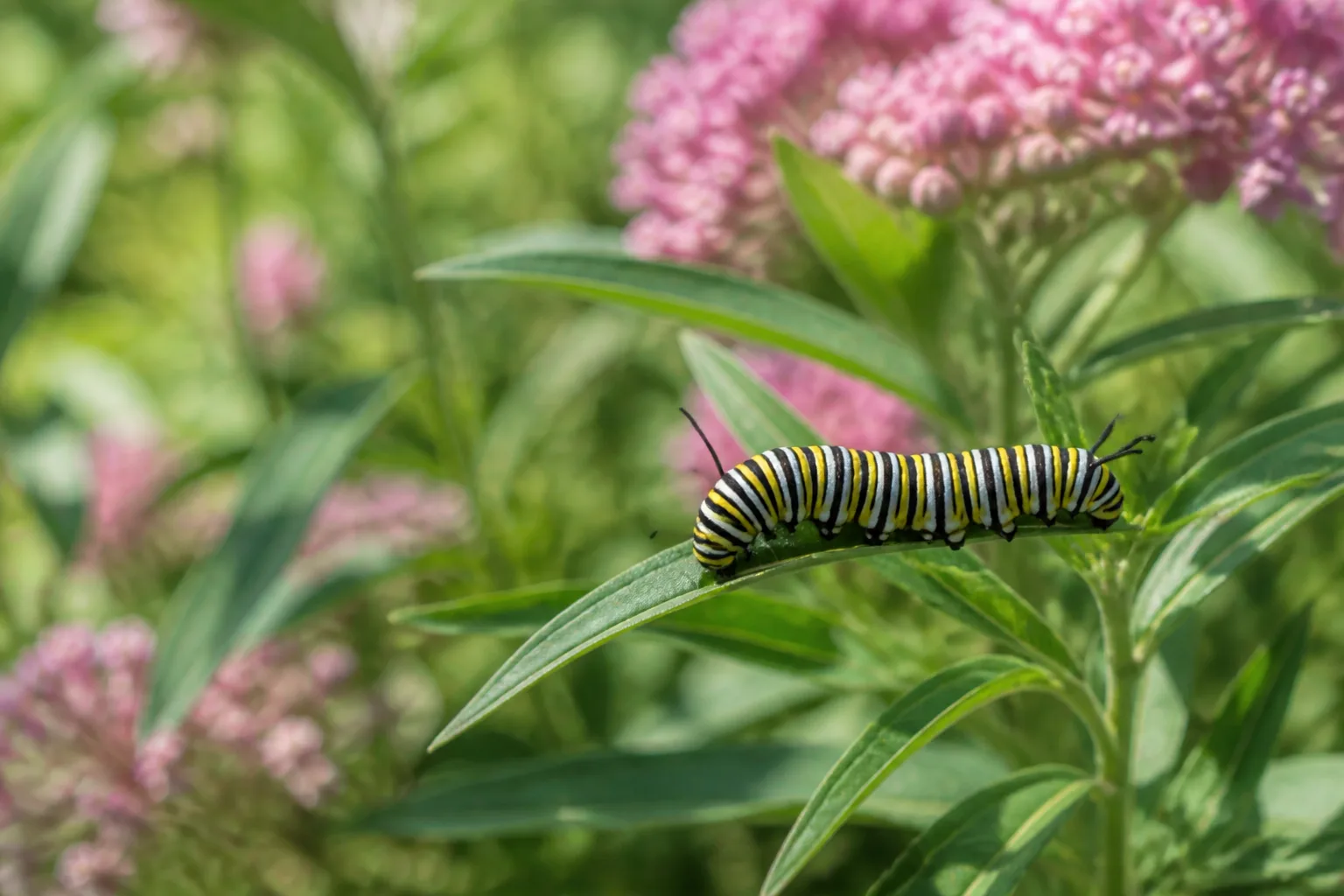
This is why the most useful plan is not “plant the flower that attracts the most monarchs.” Start with a locally appropriate milkweed for the caterpillar stage, then add nectar flowers that bloom before, during, and after its flowering period. If you have space for only one planting, a compact native milkweed and a few long-blooming nectar plants are a more complete start than a butterfly bush alone.
Pick native milkweed that fits your site
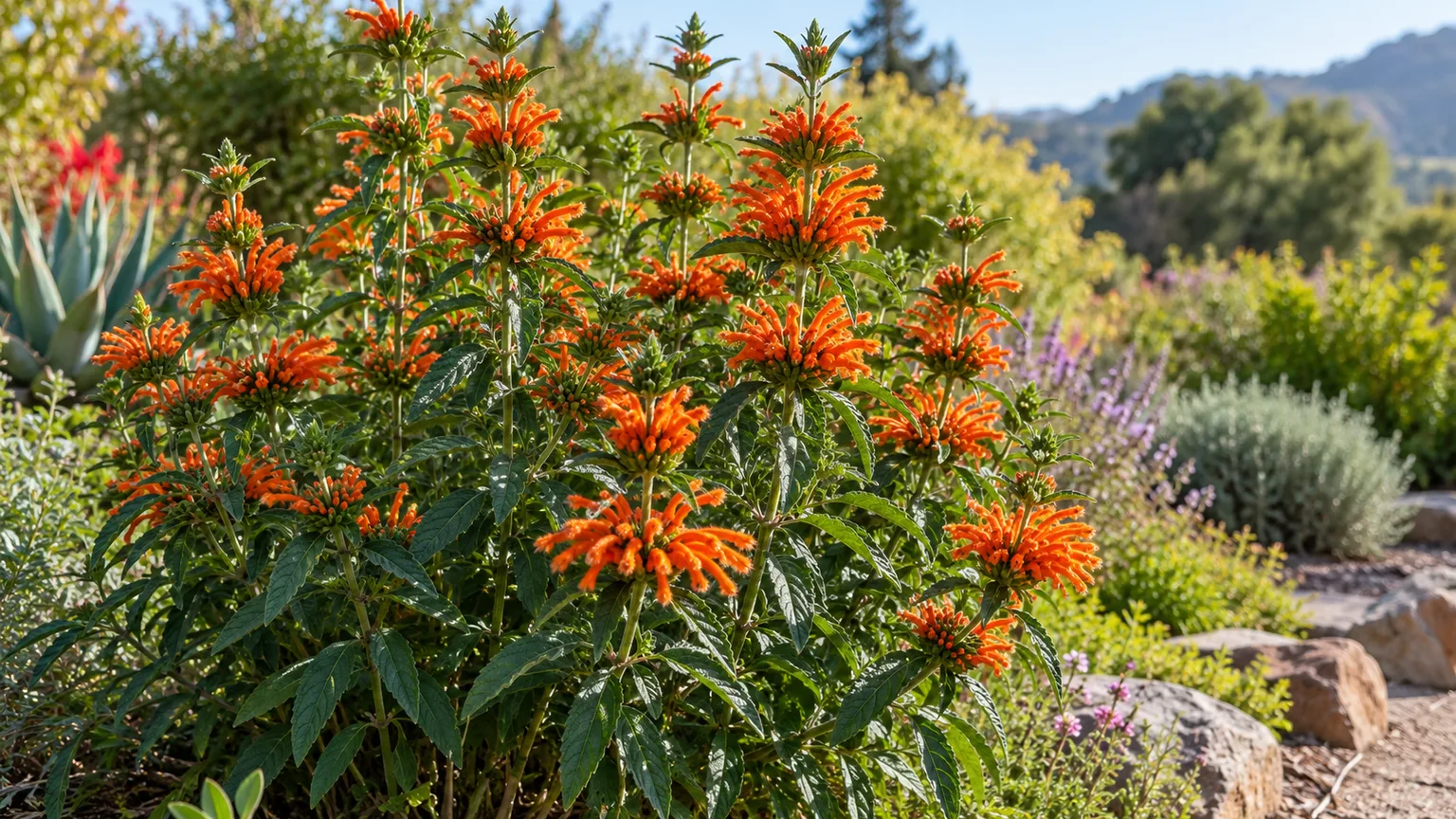
Milkweeds are not interchangeable garden products. Butterfly weed (Asclepias tuberosa) is a dry-site, orange-flowered perennial; swamp milkweed (A. incarnata) is better suited to moist soil; common milkweed (A. syriaca) spreads by underground rhizomes and can be too assertive for a small formal bed. Lewis Ginter Botanical Garden’s region-specific guide describes the same differences among its local species (Lewis Ginter’s milkweed and butterfly-plant guidance). Those examples are starting points, not a nationwide prescription: check which Asclepias species are native to your state or ecoregion and which suit your drainage and available space.
Buy from a nursery that identifies the species, and avoid planting a milkweed simply because a label says “monarch plant.” A species native to another part of the continent may be poorly matched to your climate or may spread in ways you did not expect. Lewis Ginter Botanical Garden recommends milkweed native to its region and describes the differing moisture and growth habits of its local species; its plant list is useful as an example of why a gardener should make the same regional check at home.
Warm-climate gardeners should also ask their local extension service whether tropical milkweed is appropriate. Lewis Ginter notes that persistent tropical milkweed may prolong breeding and potentially disrupt migration in its setting, so it chooses milkweed native to the local climate (Lewis Ginter’s milkweed guidance). The details can vary by region, but the practical rule is consistent: use locally native milkweed rather than assuming a species is beneficial everywhere just because monarchs can eat it.
7 flowers to grow for monarchs, from spring through fall
These seven choices are useful in different ways. Their bloom dates move with climate, cultivar, and weather, so treat the calendar as a planning guide and confirm the plant’s fit with a regional extension or native-plant list.
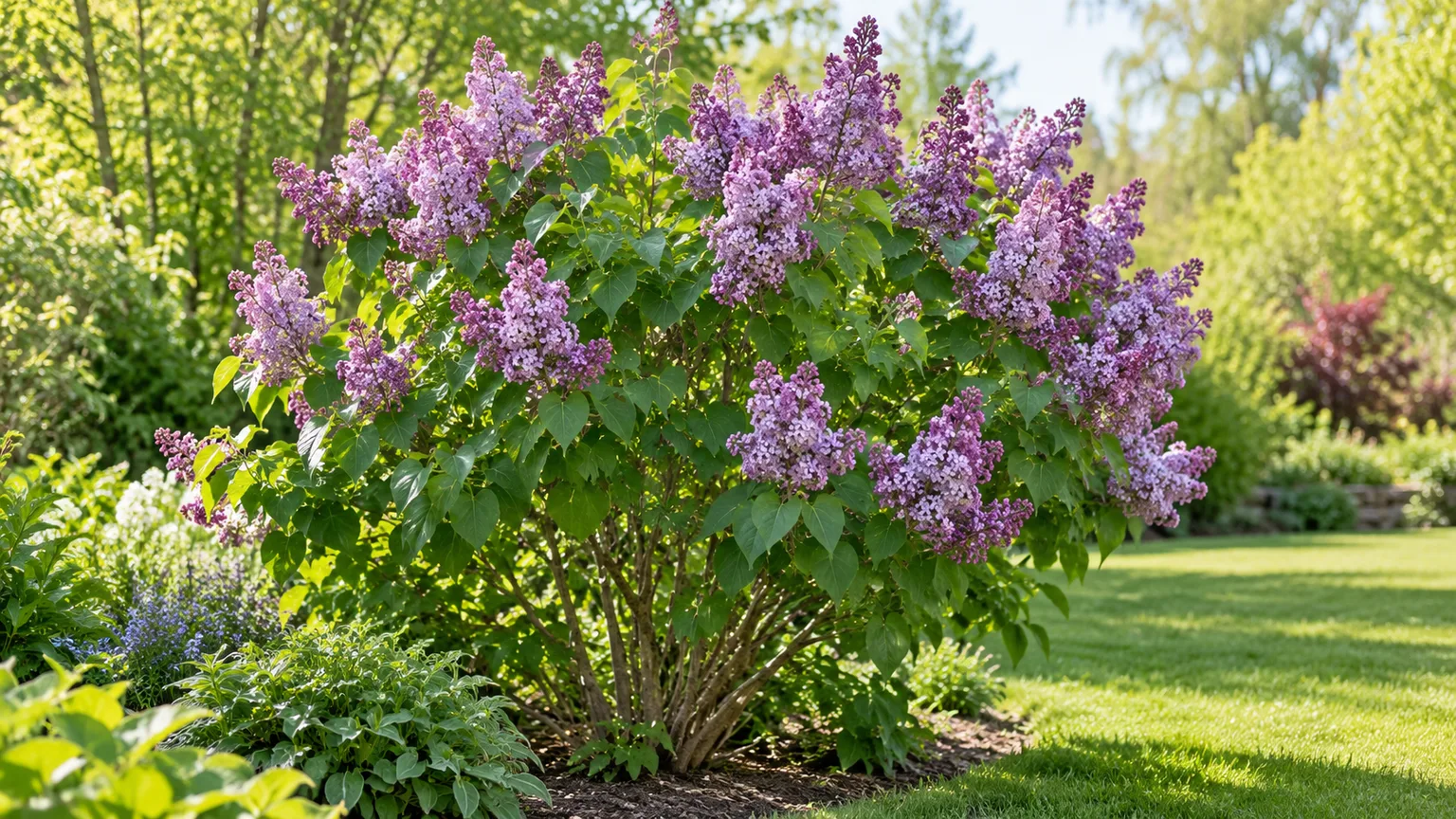
1. Lilac for a short spring nectar window
Lilacs (Syringa spp.) flower in spring, which makes them an early nectar option in gardens where monarchs are present while the shrubs bloom. They are woody shrubs, not small perennials: standard lilacs need room for a mature canopy, good air movement, and a sunny site. Compact cultivars can fit tighter spaces, but check mature width before planting one beside a walkway or foundation.
Lilac’s main limitation is timing. A spring-flowering shrub will not feed monarchs through summer or fall, and in many northern locations the lilac display may finish before the main monarch activity of the season. Consider it one piece of a succession, especially if you already grow lilacs, rather than buying one as the only monarch plant in a new bed.
Choose a variety suited to your climate and give it enough sun to flower well. Avoid crowding it against taller plants that shade the bloom-producing branches, and do not count a reblooming cultivar as a substitute for other nectar plants: repeat flowering can vary with weather and how the plant is managed. Lilac earns its place for an early, concentrated bloom, not a continuous nectar supply.
2. Milkweed for eggs, caterpillars, and nectar
Milkweed is the most important plant in this list because it serves two roles: its flowers can supply nectar, and its leaves are the monarch caterpillar’s host food. A monarch may sip from many flowers, but a female looking for a place to lay eggs needs milkweed. That makes a native Asclepias planting the first choice when the goal is to support more than adult visitors.
Match species to site instead of choosing by flower color alone. Butterfly weed usually suits a sunny, well-drained bed and is slow to emerge in spring; swamp milkweed prefers consistently moist soil; common milkweed can spread and is a better fit for a naturalized patch than a narrow border. Planting several of the same locally native species in a small group makes the patch easier to find and gives you a better chance of seeing eggs or feeding caterpillars without searching one isolated stem.
Milkweed foliage will show feeding damage when caterpillars are present. That is part of the plant’s job, so do not remove a leaf just because it is being eaten. If you want a neat, clipped border with untouched leaves, place milkweed in a separate bed or garden edge where the caterpillar stage can be observed without making routine tidiness a conflict.

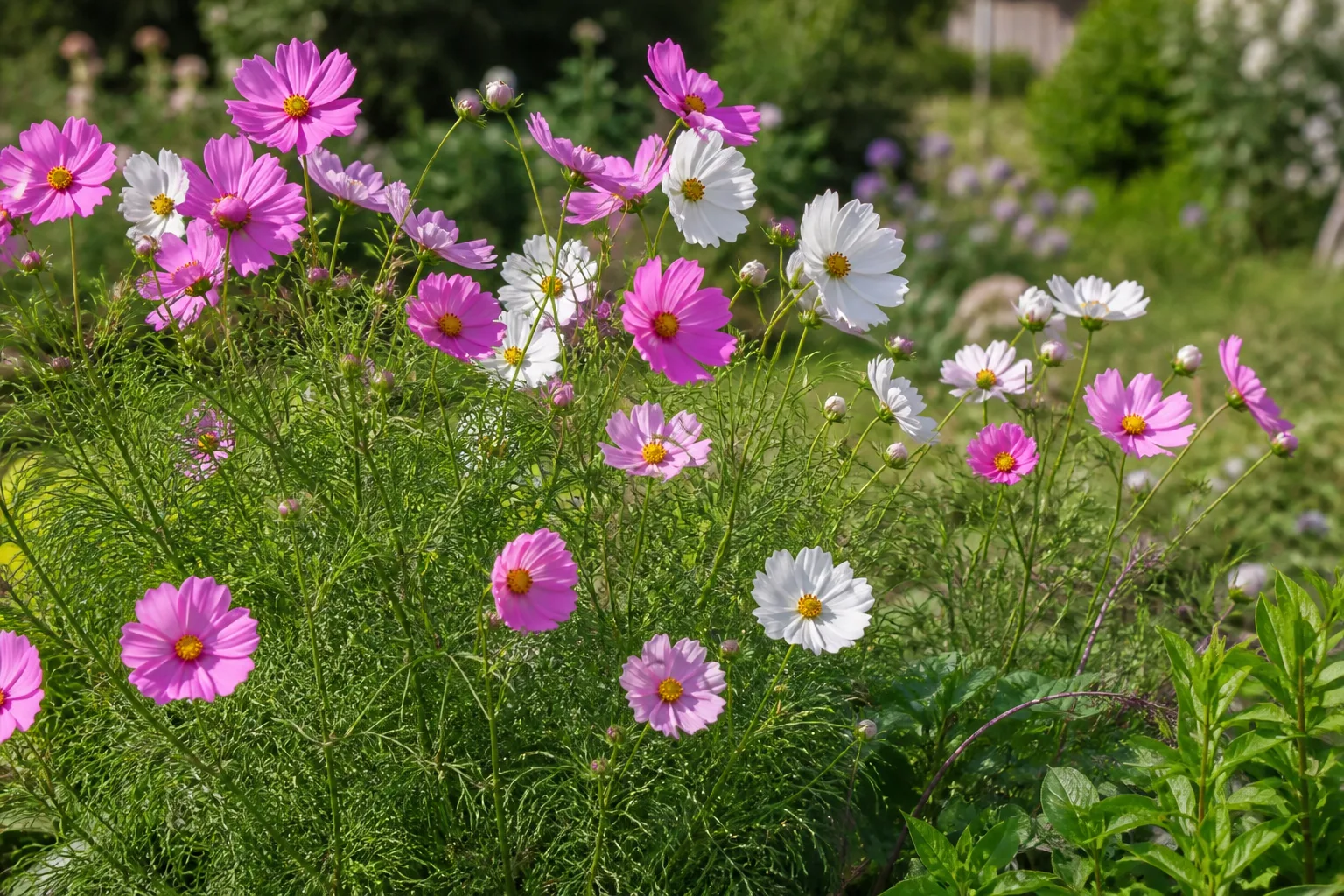
3. Cosmos for an easy summer annual
Cosmos (Cosmos bipinnatus) is an easy annual to sow after frost danger has passed. It grows quickly in a sunny spot and often keeps flowering into late summer or fall, depending on your first frost and how regularly you remove spent blooms. Colorado State Extension includes cosmos among flowers used by butterflies, and Lewis Ginter lists it among nectar plants for monarchs.
The plant is most useful as flexible filler. Sow it in a bed that has a summer gap, or use a few plants to soften the space between a perennial milkweed patch and later-blooming goldenrod.
Cosmos tolerates leaner soil better than heavy feeding; excessive fertility can produce lush foliage with fewer flowers. Give the taller types room or support if the site is windy, and choose shorter cultivars for containers or exposed beds.
Cosmos can reseed where growing conditions allow, but it is not a permanent perennial. If you want to keep the patch contained, deadhead before seed heads mature and pull seedlings where they are unwanted. If your goal includes seed for next year, leave a few heads at the end of the season while keeping some flowers available for nectar as long as frost permits.
4. Lantana for hot, frost-free gardens
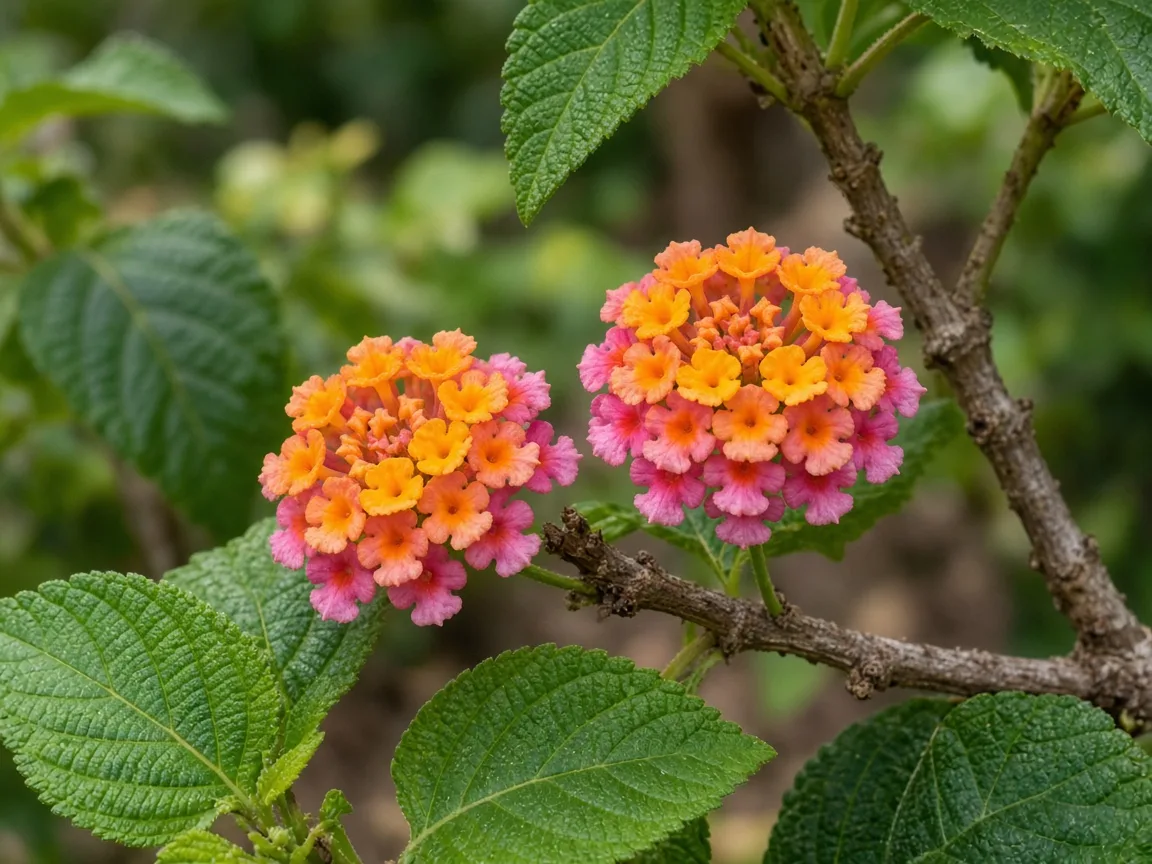
Lantana (Lantana spp.) is a heat-loving, long-flowering choice in warm regions, and it can keep producing clusters of small flowers through a hot summer when some spring blooms have faded. Lewis Ginter Botanical Garden includes lantana among its annual nectar plants. In colder areas, it is commonly grown as a seasonal annual or in a container that can be moved before frost; its winter survival depends on species and local climate.
Give lantana full sun and sharply drained soil, especially in a container. A pot can make it easier to keep the plant flowering near a patio, but it dries faster than a garden bed, so check the root zone during hot, dry weather instead of assuming a drought-tolerant plant never needs water. Remove a flower cluster only when it has faded or formed unwanted berries; avoid trimming every open bloom while butterflies are using it.
Lantana is a nectar plant, not a monarch host plant. It is also a poor match for a cold-climate garden if the only goal is late-season migration support: a plant killed by frost cannot extend bloom after that point. Use it to fill a warm-season gap where it is suited, then include a regionally native late bloomer for the end of the season.
5. Butterfly bush, with a regional caveat
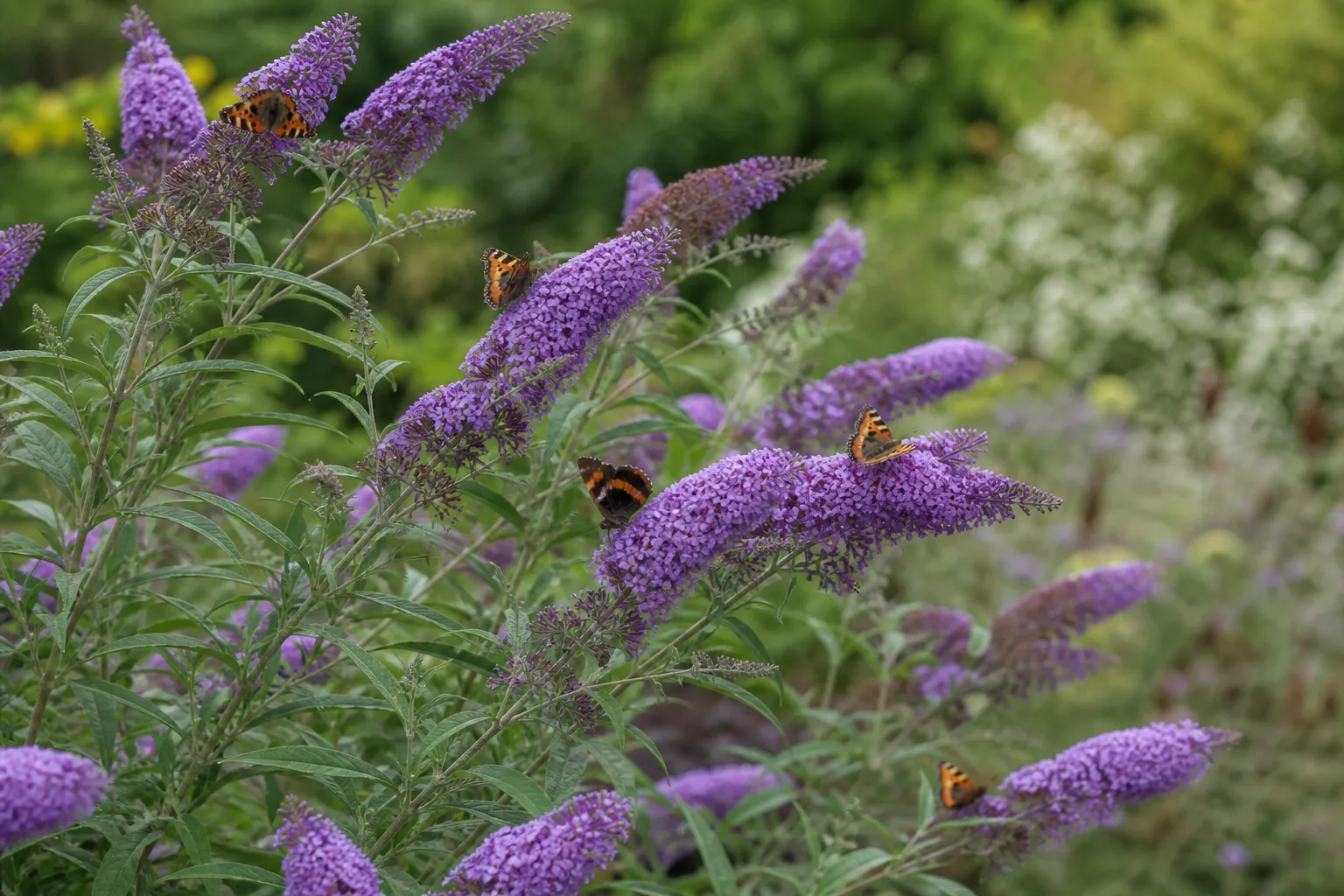
Butterfly bush (Buddleja davidii) produces nectar-rich flower spikes that adult butterflies may visit. It is not a milkweed and cannot feed monarch caterpillars. That distinction matters because the common name can make the shrub sound like a complete butterfly habitat when it only helps with one life stage.
The second consideration is spread. NC State Extension Plant Toolbox describes butterfly bush as a non-native shrub that attracts adult butterflies but does not support native caterpillars, and it records invasive or severe-threat status in parts of North Carolina as well as concerns in several other regions (NC State Extension Plant Toolbox profile).
The status of a plant varies by state and sometimes by local area, so check your own invasive-plant list before buying it. A nursery label or cultivar name does not remove the need to check local guidance.
If butterfly bush is invasive or discouraged where you live, skip it and use native nectar shrubs or perennials instead. If local guidance permits it and you already have one, keep it from seeding where that is recommended and add native host and nectar plants around it. Lewis Ginter lists butterfly bush as one of several nectar sources but separately emphasizes regional native milkweed; that is a useful way to think about the shrub: a possible adult nectar stop, never the foundation of a monarch garden.
6. Zinnias for steady summer color
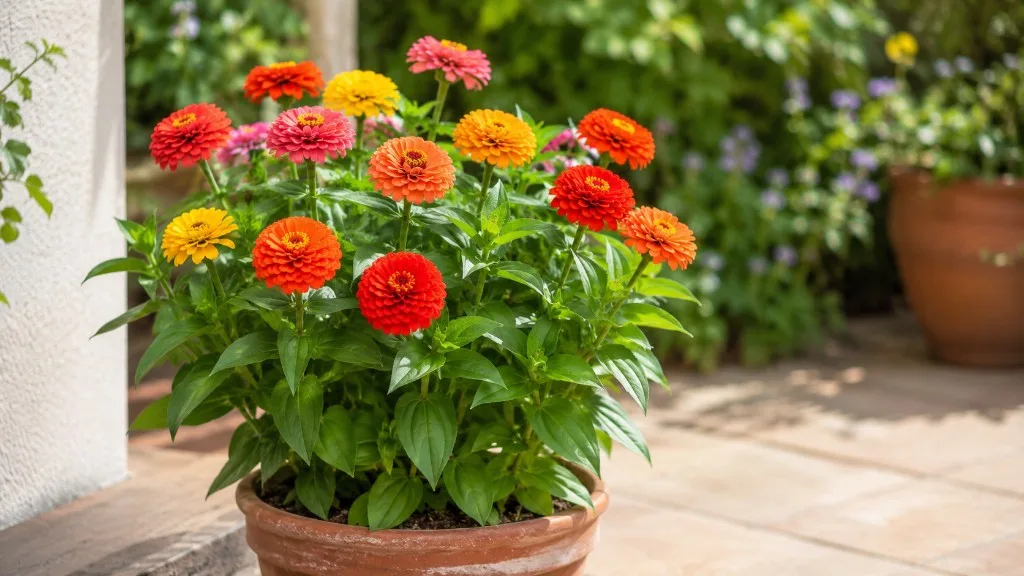
Zinnias (Zinnia elegans) are warm-season annuals that make bright, open flower heads from summer into frost in a sunny garden. They are easy to start from seed, and Colorado State Extension lists zinnia among plants butterflies visit.
Lewis Ginter Botanical Garden likewise names it among nectar plants for monarchs. A block of zinnias can offer many landing spots, though the exact number of butterflies depends on what is flying locally and when the plants bloom.
Sow after the soil and nights have warmed, then space plants according to the mature size on the seed packet. Crowded foliage dries slowly and can be more vulnerable to leaf disease, so leave enough air space for the variety you chose. Water at the soil level when possible, and remove faded blooms if you want the plant to keep setting fresh flowers rather than shifting quickly to seed.
Zinnias work well in a small garden because you can put them near a path or patio and still see visiting insects. They are not larval food for monarchs, and a tray of zinnia seedlings does not replace milkweed. Use them alongside the host plant, and consider leaving a few mature flower heads for seed once you have enough new blooms in rotation.
7. Goldenrod for late-season nectar
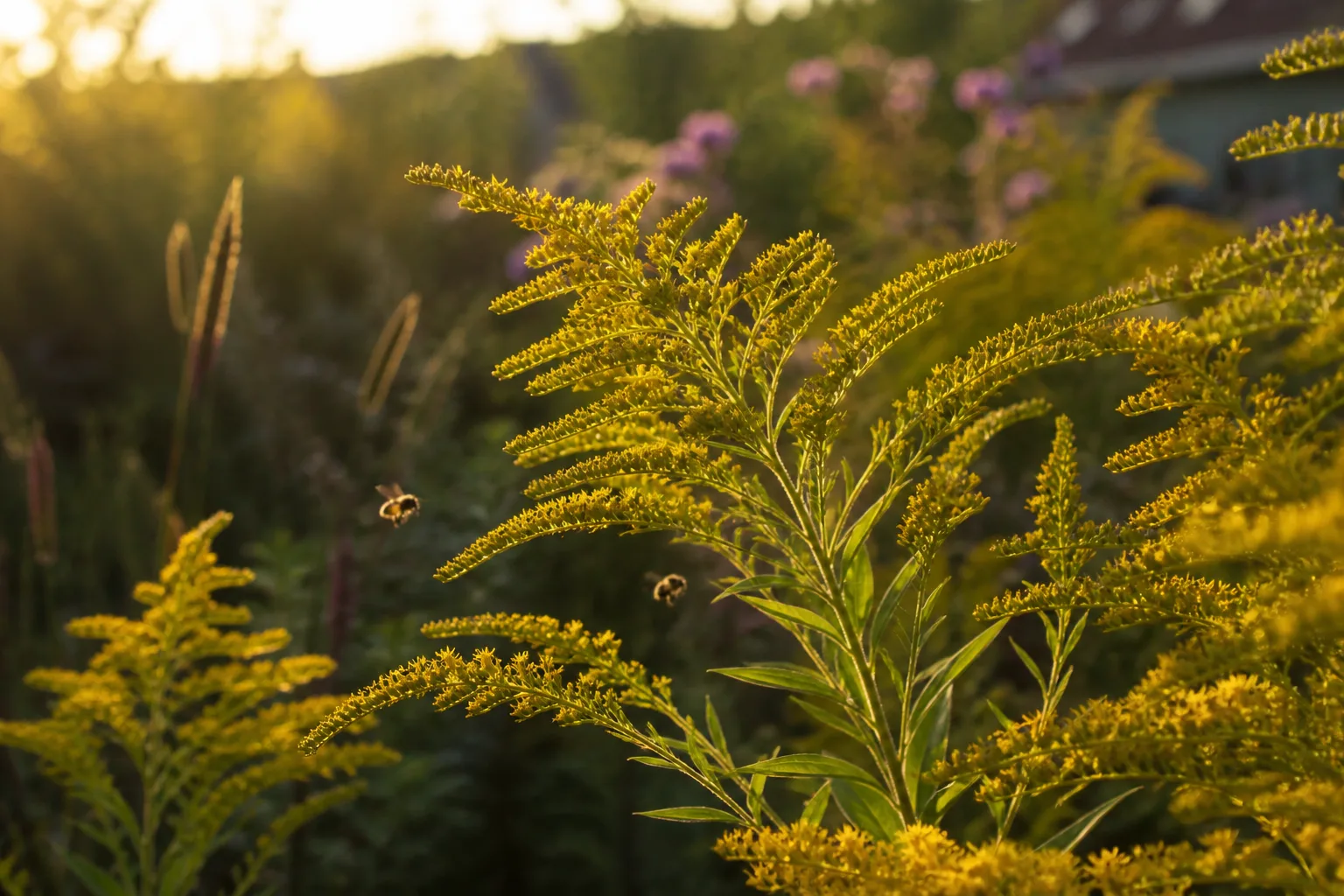
Goldenrod (Solidago spp.) is a valuable late-summer and fall choice when monarchs are preparing for or moving through migration. The genus includes many species with different heights, bloom times, and site needs, so look for a goldenrod native to your state or ecoregion rather than selecting a plant by the common name alone. Colorado State Extension lists late-season plants for butterfly gardens, and Lewis Ginter names goldenrod among monarch nectar sources.
Choose a species that suits the space. Some goldenrods form large, upright clumps or spread by rhizomes, while compact garden selections take less room.
Most need a sunny position to flower heavily, but soil preferences vary across species. If you want a naturalistic patch, allow the plant enough width and pair it with other sturdy natives; if you need a tidy border, check the mature dimensions and spreading habit before planting.
Do not cut goldenrod back just as it begins to bloom if your purpose is late-season nectar. It can look untidy after flowering, but seed heads and standing stems also provide structure and may serve wildlife. If the plant is too vigorous for its spot, move or divide it during a suitable dormant season, or choose a smaller, regionally native species rather than repeatedly shearing off the flowers monarchs might use.
Match the seven flowers to your climate and calendar
Prioritize local natives, not a universal plant list
The names above are familiar, but a species list that works in one state may be incomplete or unsuitable in another. The monarch’s migratory route spans different climates, and native plants vary across those regions.
Martha Stewart’s gardening coverage, quoting Monarch Watch and National Wildlife Federation specialists, similarly emphasizes that plant choices should follow the gardener’s region and identifies different milkweeds and nectar species for different parts of the country (Martha Stewart’s monarch plant guide). Treat that as a reminder to localize a national list, not as a substitute for a local native-plant guide.
Before ordering, look up the scientific name and compare it with your state extension service, native plant society, or regional conservation planting list. Check whether the species needs dry, average, or consistently moist soil; how wide it spreads; whether it is perennial in your winter climate; and whether it is listed as invasive or discouraged. USDA hardiness zones help describe winter lows, but they do not tell you whether a plant is native to your county or adapted to a specific soil and rainfall pattern.
This local check especially matters for milkweed, goldenrod, and butterfly bush. Milkweed species can be valuable host plants yet have very different moisture and spread habits; goldenrod species can vary from compact clumps to large stands; and butterfly bush has regional invasive concerns. If you are unsure, ask a county extension office or native-plant nursery for the scientific name they recommend for your zip code and planting site.
Use overlapping bloom rather than one showy month
Make a simple calendar before buying more plants. Write down when existing flowers open and fade, then mark gaps from spring through fall; the goal is an overlap of blooms, not a separate single plant for each month. Colorado State Extension recommends successive flowering and patches for butterfly gardens, and BBC Gardeners’ World likewise advises keeping nectar available from spring into autumn and placing butterfly plants in a warm, sunny, sheltered spot (Gardeners’ World guide to perennials for butterflies).
Lilac may cover an early window in some gardens, while cosmos, lantana, and zinnias can supply summer color. Milkweed bloom varies by species, and native goldenrods or asters can help carry nectar into late summer and fall. If the seven plants leave a gap in your area, add a locally native perennial such as an aster or Joe-Pye weed after checking its mature size and moisture needs; the point is to solve the gap, not to grow every name on a list.
Grow plants in groups where space allows. Several flowering stems are easier for a flying butterfly to locate than one isolated bloom, and a group lets you observe whether the plant is being visited.
In a small yard, repeat a few species in containers or short drifts instead of scattering single plants everywhere. The pattern can be informal: one milkweed patch, a clump of summer annuals, and a late-blooming native near the garden edge.
Build a safer, more usable monarch garden
Plant in visible drifts and keep sprays away
Choose a warm, sunny part of the yard with some shelter from strong wind. Butterflies are ectothermic and use warmth to become active; Lewis Ginter Botanical Garden notes that butterfly nectar and host plants generally benefit from sun, while Gardeners’ World recommends warm, sunny, sheltered conditions. A site with morning-to-afternoon sun is often easier to manage than a dark corner, but adjust for the needs of each plant—swamp milkweed still needs the moist soil it prefers.
Arrange milkweed where you can observe it without brushing against the plants every day. The caterpillars are easy to overlook, and repeated handling or pruning can disturb eggs and larvae.
Let some leaves show feeding marks; avoid using a broad-spectrum insecticide on the host patch or on open flowers when butterflies are present. Colorado State University Extension cautions that most garden insecticides are incompatible with supporting butterflies because they can kill caterpillars, adults, and non-target insects (Colorado State Extension’s butterfly-garden guidance). If a serious pest issue develops, identify it first and ask a local extension professional for a pollinator-conscious option rather than treating the entire bed by habit.
Keep annuals and perennials productive by removing only spent blooms when appropriate, watering young plants through establishment, and leaving uncut flowers in place while they are being used. Deadheading can extend flowering on some annuals, but do not strip every seed head if you also want seed or late-season structure. A garden can look cared for without making every stem flower at the same time or every leaf spotless.
Why monarchs may not visit on schedule
No planting guarantees a monarch sighting. Migration timing varies with weather and region, and a newly planted garden may take a season to establish enough flowers to be noticeable. A monarch might also pass through when your flowers are between bloom cycles, or your garden may simply sit outside the part of its route that is active at that moment.
Check the basics before buying a more dramatic plant. Is there an open flower now, not just foliage? Is the plant receiving enough sun for bloom?
Does your milkweed species match the site, or is it staying wet, drying out, or struggling in shade? Are flowers hidden behind a fence or exposed to strong wind? A weekly note about bloom and visits helps reveal whether the issue is a seasonal gap or a plant that is not thriving.
If you see adult monarchs but no caterpillars, the nectar plants may be doing their job while a suitable milkweed is absent or not yet established. If you see milkweed but no adult butterflies, keep the host plant and add nectar that blooms in the weeks when local monarchs are active. Support is cumulative: one flower can help, but habitat works better as a set of resources through the season.
Conclusion
Plant locally native milkweed first if you want to support monarch caterpillars, then use flowers such as lilac, cosmos, lantana, zinnias, and goldenrod to extend adult nectar across the season. Treat butterfly bush as a region-dependent nectar shrub, not a host plant, and confirm that your local guidance permits it. The strongest garden is not the one with the most famous butterfly flower; it is the one with the right host plant, overlapping blooms, and species that fit its climate and space.