Cut Back Snapdragons Before Winter? The Right Time
Should you cut back snapdragons before winter? Use this climate-based guide to time pruning, protect roots, save seed, and restart plants in spring.
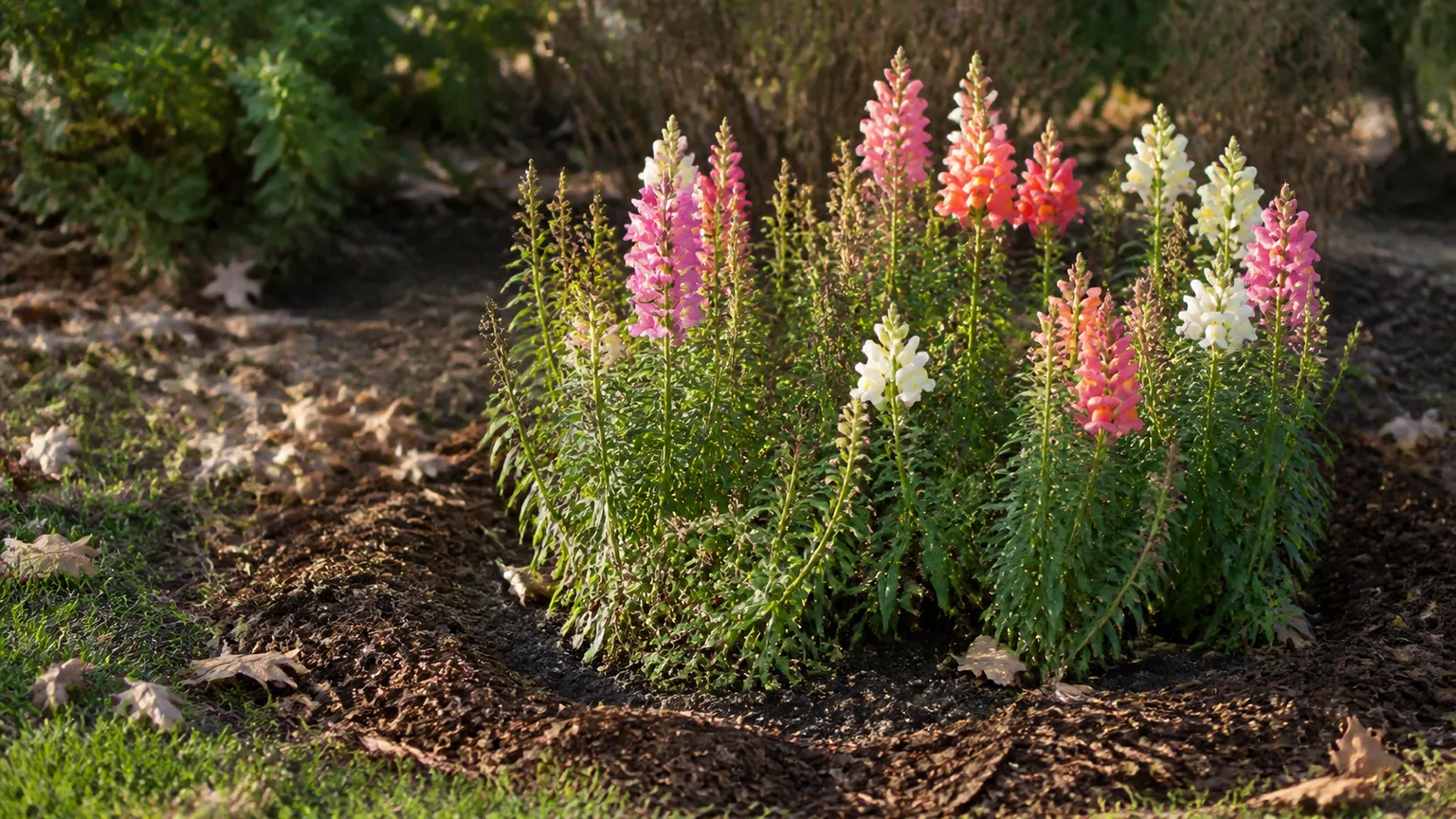
If your snapdragons are still green and flowering, do not cut them down just because the calendar says fall. The best winter cutback happens after flowering slows and the plant begins natural dieback, not while it is actively producing fresh growth.
The bigger decision is what you are trying to save. In a mild climate, you may be protecting the existing crown in the ground. In a colder climate, pruning alone will not make a tender snapdragon hardy; potting up a healthy plant, saving seed, or planning to replace it may be the more reliable choice.
The short answer: wait for dormancy, then choose your winter plan
Yes, you can cut back snapdragons before winter when you are treating them as short-lived perennials and the plant is entering dormancy. Wait until most flowering has finished and the stems are slowing, yellowing, or naturally collapsing. Then remove the spent upper growth, leave the low crown or lowest healthy leaves intact, and protect the root zone if the plant is staying outside.
Do not confuse a winter cutback with deadheading. Deadheading removes individual spent flower spikes during the growing season so the plant can branch and flower again. Winter pruning is a one-time cleanup after the plant has stopped investing in tender new shoots. Cutting a vigorous plant too early can remove productive foliage and leave the crown exposed to cold, wet weather.
Are snapdragons annuals or perennials?
Garden snapdragons, usually Antirrhinum majus, are herbaceous, short-lived tender perennials in their native and suitable climates, but they are commonly grown as annual bedding plants. NC State Extension’s plant profile describes them as a short-lived tender perennial grown as an annual, with full sun to partial shade, rich moist soil, and good drainage. Its profile lists a perennial range of USDA Zones 7a through 10b, while other horticultural references use a slightly broader Zone 7–11 range.
That difference is a useful warning: a zone label is a starting point, not a survival promise. A sheltered, well-drained bed can be kinder than an exposed site in the same zone, and a small pot can freeze much faster than the ground. Check your location with the USDA Plant Hardiness Zone Map, then consider the actual winter exposure and the cultivar you grew.
Why climate and cultivar change the answer
Snapdragons prefer cool growing weather and often slow during hot summers before reblooming as conditions moderate. The UNF Botanical Garden’s profile describes them as cool-season annuals in Florida but perennial where native, which captures why the winter answer changes so much by climate. In a region with mild winters, the same plant may keep a basal rosette and restart in spring. In a region with repeated hard freezes, saturated soil, drying wind, or a freeze-thaw cycle, the crown may fail even if the stems were pruned perfectly.
Cultivar also matters. Some bedding strains are selected for a quick, impressive season rather than long-term persistence. If you do not know the cultivar’s hardiness, treat the plant as a worthwhile experiment rather than a guaranteed perennial. Keep a small amount of seed or take a healthy cutting if preserving the exact color and flower form matters to you.
Use this decision rule before cutting
Before reaching for pruners, answer three questions: Is the plant still actively growing? Is it in the ground or a container? And do you want the original plant, or simply more snapdragons next year? Those answers determine whether you should wait, prune, pot it up, or let it set seed.
If the plant is green and flowering, continue ordinary seasonal care and deadhead only the spent spikes you want to remove. If it has finished flowering and is naturally fading, prepare it for dormancy. If a hard freeze is approaching and you plan to move it indoors, lift it while the foliage and roots are still healthy rather than waiting for the plant to become a frozen, mushy mass.
Keep seeds or keep the parent plant?
These are different goals. A plant that reseeds may give you new snapdragons in spring, but the seedlings are not the same thing as the original crown returning. They can emerge in a different spot, flower later, and vary in height or color—especially when the parent is a hybrid.
To collect seed, leave a few flower spikes in place after the petals fade. Wait for the pods to dry on the plant, then shake the small seeds into a labeled paper envelope and store it somewhere cool, dry, and dark. If you want the bed to stay tidy or you want the parent color to remain consistent, deadhead those spikes instead and focus on protecting the living crown.
In-ground, container, or one-season display?
Use this quick choice:
- In-ground in a mild snapdragon climate: let the plant finish, cut back after dieback, and mulch the root zone.
- In-ground in a cold or exposed climate: save seed or cuttings first; pot up a healthy plant only if the effort is worthwhile and you can provide shelter.
- Container plant: move it before the pot freezes solid. The pot has less insulating soil mass than a garden bed, so container roots are more vulnerable.
- Disease-affected plant: do not preserve diseased foliage as a winter project. Remove it promptly and dispose of it according to local garden-waste guidance.
This decision avoids the most common mistake: making a neat cut and assuming the cut itself is winter protection. The cut manages the top growth; mulch, drainage, shelter, and the plant’s hardiness determine whether the crown and roots make it through.
When to cut back snapdragons for winter
The right time is tied to plant condition and weather, not a universal date. In a mild region, pruning can wait until the fall flush has ended and the plant has started to die back. If you are moving a container or lifting a plant in a cold region, act before the first damaging freeze while the crown is firm and the soil is workable.
Signs the plant is ready
Look for several signs together rather than relying on one yellow leaf:
- Flower production has stopped or has become sparse despite normal care.
- The upper stems are no longer pushing fresh leaves or buds.
- Lower leaves are yellowing or browning as part of broad seasonal dieback.
- The forecast shows sustained cold or a hard freeze that your plant is unlikely to tolerate.
- The crown remains firm and the soil drains freely, making it a good time to mulch or transplant.
If only the flowers are spent but the foliage is lush and the weather remains mild, continue deadheading or make a light rejuvenation cut instead of a winter scalp. Snapdragons can bloom in cool spring and fall weather, so removing healthy growth too early can throw away the best part of the season.
What to do if it is still blooming
For an in-ground plant in a suitable mild zone, let it flower as long as the weather allows. You can remove dead flower spikes, leave a few spikes for seed, and wait for a real transition toward dormancy.
For a container plant in a cold zone, the forecast matters more than the final flower. Move the pot to a frost-free location while it is still healthy. You can trim tall flower stems to make the plant easier to handle, then make the fuller dormant cutback after flowering ends or after the plant has naturally died back. This preserves more living tissue during the move and reduces the chance that a surprise freeze ruins the plant before you act.
How to cut back snapdragons correctly
Use sharp, clean pruners and choose a dry day if possible. Start by removing spent flower spikes and obviously dead upper stems. Work downward gradually so you can see where firm, healthy tissue ends and avoid cutting blindly into the crown.
How far to cut
Once the plant is dormant, cut tall stems back to the lowest healthy set of leaves or low basal growth. If the foliage has completely collapsed, leave a short stub above the crown rather than slicing flush with the soil. The crown is the compact area where stems meet the roots; damaging it is more serious than leaving an extra inch of stem.
For a plant you are potting up, reduce the top enough to fit the container and lower transpiration, but do not strip every visible node from a living stem. A few low leaves or stem joints make it easier to see where new growth can emerge. Remove weak, blackened, or mushy tissue completely, cutting back to firm tissue and cleaning the blade between plants.
Do not fertilize after a dormant cutback. The goal is to let the plant rest, not to push a flush of tender growth just as temperatures fall. Resume feeding only when spring growth is clearly underway and the plant has returned to active growth.
Sanitize and remove diseased debris
Snapdragons are susceptible to rust, leaf spots, mildew, wilt, and root rots. The RHS antirrhinum-rust guidance identifies rust as a serious disease, with yellow spots on leaf tops and dark, dusty pustules underneath; its guidance emphasizes hygiene and removing infected material. If you see those symptoms, do not tuck the affected leaves under mulch or add them to a home compost pile.
Clean pruners with household disinfectant according to the product label or with a suitable garden-tool sanitation method before moving to another plant. Keep mulch off the crown and avoid wetting the foliage late in the day. A dry, airy bed with good drainage gives an overwintering plant a better starting point than a thick blanket of wet debris.
Winter care by climate and growing situation
Winter protection should insulate the crown without trapping water around it. A useful general rule is to protect the roots and crown first; the stems are replaceable, but a rotten or freeze-damaged crown cannot rebuild the plant.
Milder zones: mulch and monitor
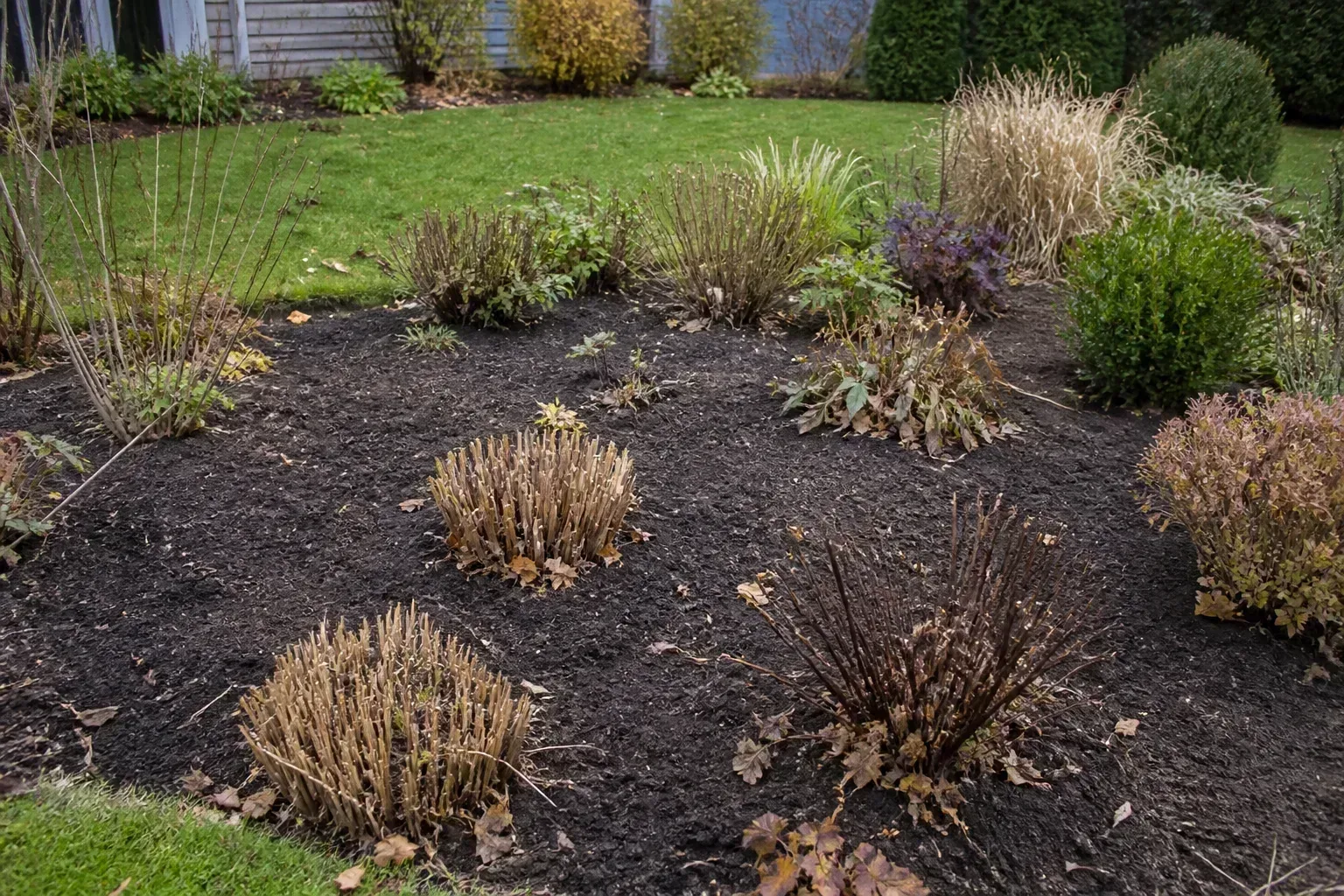
If your snapdragons commonly survive winter in the ground, wait for the plant to enter dormancy, make the low cutback, and apply about 2 to 3 inches of loose organic mulch such as clean straw, shredded leaves, compost, or fine bark. NC State Extension’s profile supports the plant’s preference for well-drained soil, and that matters more in winter than adding an ever-thicker mulch layer.
Keep the mulch slightly away from the crown and stems so rain can drain and air can circulate. In a snow-free spell, check whether the soil has become bone dry, but do not water on a fixed schedule. Water only when the ground is workable and the plant’s root zone is genuinely dry; constantly wet winter soil can be as damaging as cold.
Pull heavy mulch back gradually in late winter or early spring as new shoots appear. Leaving a thick, wet layer pressed against fresh growth can encourage rot and delay the soil from warming.
Colder zones: save a plant in a pot
In Zone 6 and colder—or any site with severe, unreliable freezes—do not expect a fall cutback and mulch to turn a snapdragon into a fully hardy perennial. Gardening Know How’s overwintering guidance recommends either protecting the root zone in temperate areas or digging and moving plants indoors in colder regions, with moderate water and light; it also suggests saving seed as a practical backup.
Choose a healthy plant before a hard freeze. Water it the day before if the soil is dry, lift as much of the root ball as practical, and place it in a clean pot with drainage holes and a well-drained growing medium. Trim back the top to reduce handling and evaporation, but avoid breaking the crown.
You have two reasonable storage styles:
- Dormant storage: place the pot in a cool, frost-free garage, basement, cold frame, or similar shelter. Check every few weeks and water sparingly—just enough to keep the root ball from becoming completely dry.
- Active cool-season growth: use a bright window or sunroom if you want the plant to keep growing. Give it the strongest practical light, allow the surface to dry somewhat between waterings, and avoid warm, dim conditions that produce weak, leggy shoots.
The dormant method uses less space and water, while the bright-window method may produce earlier spring growth but needs more light and closer monitoring. A Weekand guide to snapdragon overwintering describes bright east-, west-, or south-facing windows for plants kept actively growing, while a darker cool shelter is better suited to a plant you are intentionally keeping dormant. Neither method is guaranteed, especially if the plant was already stressed, root-bound, diseased, or lifted after freezing.
Containers: protect the root ball
A snapdragon in a pot is more exposed than one planted in the ground. Cold air surrounds the entire container, and repeated freeze-thaw cycles can damage roots even when the air temperature does not seem extreme. A large, well-drained pot is safer than a tiny nursery pot, but moving the container to shelter is still the most dependable option in a cold climate.

Before storage, remove dead leaves and check the soil for pests or standing water. Do not put a soaked pot into a dark room and then keep watering it by habit. Epic Gardening’s guidance for overwintering marginal perennials recommends occasional checks, good drainage, and erring on the dry side during reduced growth.
If the pot stays outdoors in a mild area, group it with other containers in a sheltered spot, insulate the pot rather than sealing the foliage in plastic, and protect it from drying wind. Bring it into brighter conditions when spring growth begins, but do not move it directly from a dim garage to intense sun.
Spring restart and hardening off
In late winter or early spring, remove or thin the mulch when you see new growth at the crown. Cut away any dead stems that remain, but wait a little if you are unsure whether a brown stem is truly dead; scrape a small section with a clean blade and look for firm, living tissue underneath.
For stored plants, increase light and watering gradually as growth resumes. When night temperatures are no longer threatening and the outdoor site is ready, begin hardening off over about a week: set the plant outside in bright shade for a short period, bring it back in, and lengthen the outdoor time each day. Move it into more direct sun slowly to reduce scorch and transplant shock.
If the plant never produces firm new growth, stop watering heavily and reassess the crown. A sour smell, mushy base, or spreading black tissue usually means the winter attempt failed. That is the point of the seed-saving backup: it gives you a new start without keeping a dead plant in wet soil.
Common mistakes and how to fix them
Cutting while the plant is still productive. If the snapdragon is green, branching, and flowering, a full fall cutback may shorten the season. Deadhead spent spikes and wait for natural dieback unless a freeze or a necessary move is imminent.
Using “the first frost” as the only signal. A light frost can finish flowers without killing the crown. A forecast of repeated freezes, cold wind, or frozen soil is a stronger reason to move a container or protect a marginal plant. Use the plant’s condition and your local exposure together.
Assuming mulch replaces hardiness. Mulch buffers the root zone; it cannot change a tender cultivar into a plant suited to every winter. In a cold climate, save seed or move a healthy plant before the weather turns severe.
Mulching over disease. Dead foliage is not automatically clean foliage. Remove rusted or rotting material first, keep it out of the crown area, and do not use diseased debris as a protective blanket.
Overwatering dormant plants. A dormant snapdragon uses far less water than a flowering one. Check the root ball with a finger or moisture check rather than watering on the same schedule you used in summer.
Moving a plant outside too quickly in spring. New indoor growth is tender. Increase light gradually, harden off, and wait for a suitable outdoor window instead of treating the first warm afternoon as a permanent move-in date.
Relying on saved seed for an exact clone. Seedlings can vary, particularly from hybrid snapdragons. Save seed for more flowers, but use a cutting, labeled seed source, or a new plant when matching the original color and form is the priority.
Conclusion
Cut back snapdragons before winter only after they are finishing the season or entering dormancy, unless you need to trim a container plant before moving it out of harm’s way. In a mild, suitable climate, a low cutback plus loose mulch and good drainage can help protect the crown. In colder or exposed climates, pot up a healthy plant before a hard freeze if you want to experiment, but save seed or cuttings because pruning cannot guarantee survival.
The most reliable timing cue is the plant itself: flowers are fading, new growth has slowed, and the crown is still firm. Make the smallest useful cut, protect the roots without trapping moisture, and give spring growth time to prove it is alive before you remove every remaining stem.