How Often Should You Wash Curtains? Room-by-Room Guide
Skipping curtain washing for a year is not always a disaster—but kitchens, bathrooms, and allergy homes need more. Get a room-by-room schedule and safe wash steps.
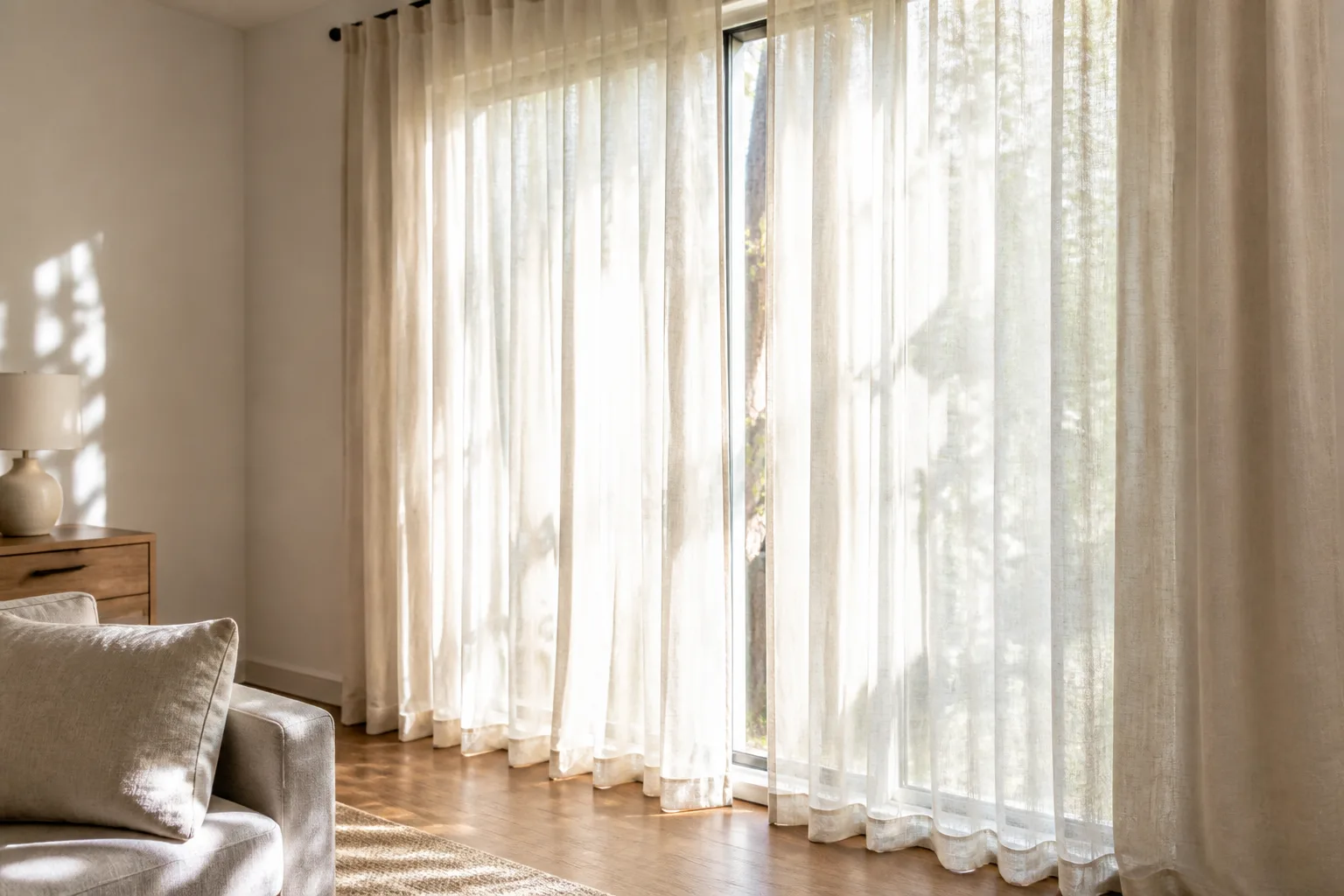
Curtains look fine from across the room—until you run a hand along the hem and feel grit, smell last month’s cooking, or notice allergy symptoms spike every time you draw them closed. Window treatments are passive fabric filters. They catch dust, skin flakes, pet dander, cooking grease, pollen, and moisture long before you see obvious stains. Skipping an annual wash is not automatically catastrophic in a quiet guest room, but treating once a year as the ceiling is where problems start. In kitchens, bathrooms, pet-heavy homes, and allergy households, curtains that go unwashed for twelve months can hold enough embedded soil to affect how a room smells, how fabric hangs, and—for sensitive people—how easy it is to breathe indoors.
The Short Answer: Annual Washing Is the Floor, Not the Rule
For most living rooms and low-traffic bedrooms, washing curtains at least once a year is reasonable. Twice a year—spring and fall—is a stronger baseline if you run heat or AC that circulates dust, live on a busy street, or share the home with shedding pets. That annual minimum is a floor, not a target for every window in the house.
Rooms with grease, steam, or heavy foot traffic need a faster rhythm. Kitchen curtains often need washing every two to three months (monthly if you fry frequently). Bathroom and laundry-room curtains benefit from every one to two months because humidity feeds mildew and keeps dust mites comfortable. Bedrooms where someone has asthma or dust sensitivity should land closer to every three to four months, not once a year. The mistake is not missing a single calendar year in a spare room—it is applying that same relaxed schedule to every curtain in the home.
What Your Curtains Collect Between Washes
Every time air moves—HVAC cycles, open windows, someone walking past—particulates settle into textile fibers. Curtains have large surface area and vertical folds that trap debris where vacuuming rarely reaches. Over months, that buildup changes more than appearance.
Dust, Skin Cells, and Dust Mite Allergens
Household dust is not inert. It carries dead skin cells (the primary food source for dust mites), textile fibers, outdoor pollen, and tracked-in soil. The American Lung Association notes that dust mites—microscopic arachnids too small to see—live in bedding, upholstered furniture, carpets, and curtains, absorbing moisture from humid air rather than drinking water. Roughly four out of five U.S. homes have dust mite allergens in at least one bed, and the same humid indoor conditions support mites in window fabrics.
Unlike pollen that floats, mite allergens settle into fabrics and disturb lungs when fabric is disturbed—drawing drapes, fluffing pillows nearby, or sleeping in a room with dusty curtains. MedlinePlus lists fabric furnishings among dust reservoirs and recommends hot-water washing (130°F to 140°F / 54°C to 60°C) for bedding to kill mites and remove allergens. Curtains will not tolerate that heat universally, but the principle holds: surface dusting is not allergen removal for sensitive households. For a full bedroom control plan beyond curtains, see our dust mite removal guide.
Grease, Smoke, and Cooking Odors
Kitchen and dining-area curtains act like grease traps. Aerosolized oil from frying, broiling, and even simmering sauces coats fibers with a sticky film that binds dust and holds odors. Smoke—from cigarettes, fireplaces, or wildfire drift—leaves acidic particulates that yellow light fabrics and weaken fibers over time. Grease-bound soil does not release with a quick shake; it needs detergent and agitation. That is why kitchen curtains often look dull or smell “off” months before obvious stains appear.
Moisture, Mold, and Bathroom Curtains
The American Lung Association links excessive indoor moisture to mold growth and to conditions that promote dust mites, bacteria, and other asthma triggers. Bathroom curtains and fabric shower liners sit in the dampest zone of the house. Condensation, hair-product overspray, and poor exhaust fan habits leave fabrics chronically damp. Mildew spots, musty smell, and stiff hems are warning signs—not cosmetic issues. CDC/NIOSH guidance on damp buildings emphasizes that moisture-damaged materials can harbor microbes and irritants; textiles that stay wet or humid are part of that risk picture (CDC NIOSH). Wash or replace bathroom textiles before visible mold spreads into lining seams.
Room-by-Room Washing Schedule
Use this as a working calendar. Adjust faster if you see dust clouds when curtains move, smell persistent odors, or have allergy symptoms indoors.
| Room / situation | Typical full-wash interval | Vacuum or steam between washes |
|---|---|---|
| Kitchen / dining (active cooking) | Every 2–3 months | Monthly |
| Bathroom / laundry | Every 1–2 months | Every 2–4 weeks in humid months |
| Bedroom (allergy-sensitive) | Every 3–4 months | Every 2–4 weeks |
| Bedroom (no sensitivities) | Every 6–12 months | Every 1–2 months |
| Living room (pets or street-facing) | Every 3–6 months | Monthly |
| Living room (low traffic) | Every 6–12 months | Every 2–3 months |
| Guest room / rarely used | Once a year | Once a season |
Kitchen and High-Grease Zones
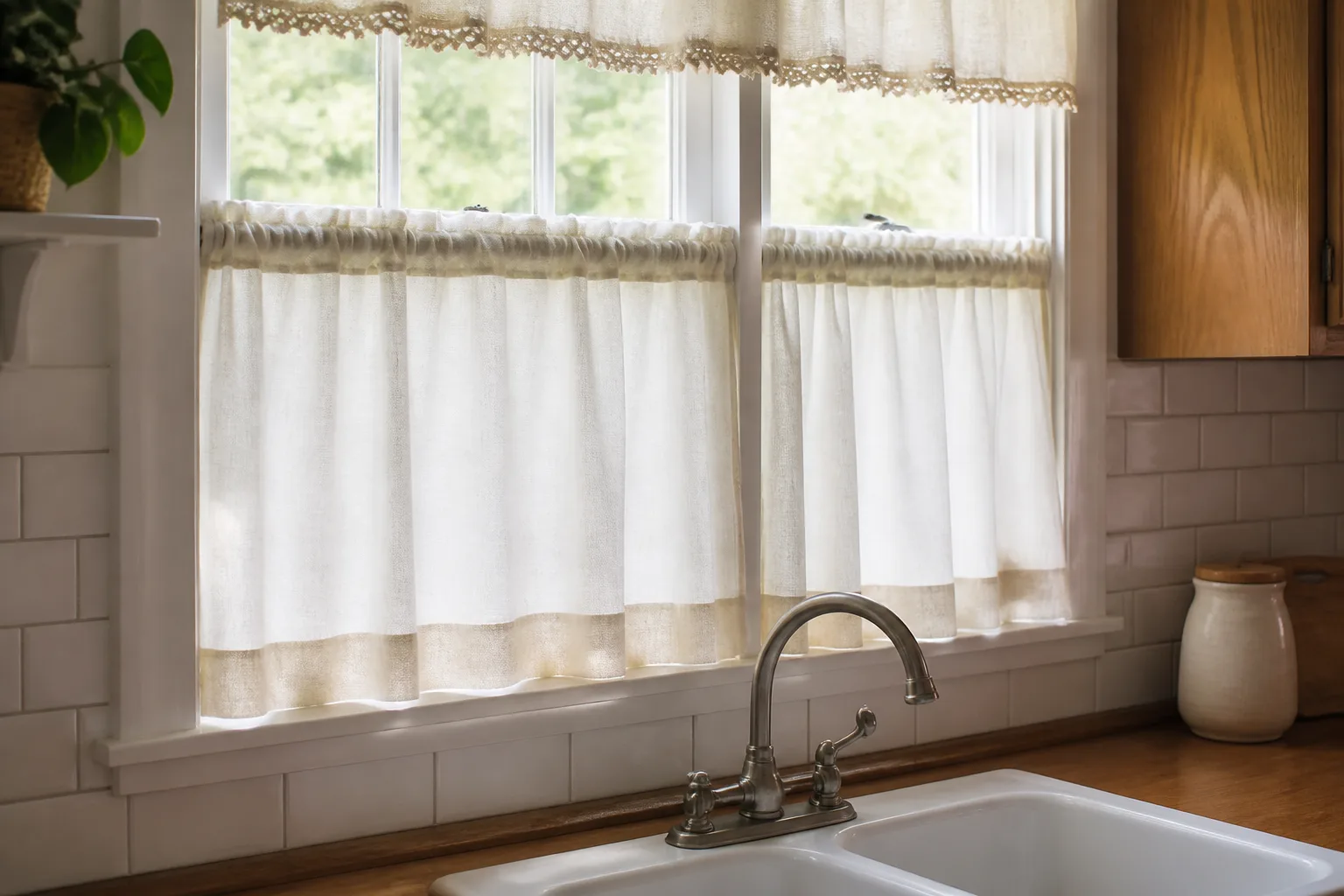
Treat kitchen curtains like workwear for the stove. If you cook most days, plan on quarterly washing at minimum. Fry-heavy households should move toward monthly washes or at least monthly hot-spot cleaning on the lower panels where grease settles. Between full washes, vacuum the header and lower third with a brush attachment, and spot-treat fresh splatters with a drop of dish soap on a damp cloth—blot, never rub, and test colorfastness on a hem first.
Bathrooms and Humid Rooms
Humidity above 50% keeps dust mites and mold viable (American Lung Association). Run the exhaust fan during showers and twenty minutes after. Wash lightweight bathroom curtains every four to eight weeks in peak summer humidity; every one to two months is a safe year-round target. Fabric that stays musty after washing may need replacement—mildew in lining folds often survives one gentle cycle. Pair curtain care with broader moisture control: fix leaks, wipe condensation, and keep indoor humidity in the 30–50% range MedlinePlus recommends for dust and mold control.
Bedrooms, Living Rooms, and Low-Traffic Spaces
Bedrooms collect skin cells and textile dust where you spend hours breathing nearby. Without allergies, twice-a-year washing aligned with seasonal deep cleans works for many cotton or polyester panels. Add pets, urban pollution, or a child with asthma and shift to quarterly. Living rooms facing streets or gardens trap pollen; wash before and after peak pollen seasons if windows stay open. Guest rooms and formal dining drapes may genuinely need only annual attention—provided you still vacuum quarterly so dust does not permanently mat into folds.
Signs Your Curtains Need Cleaning Now
Do not wait for calendar guilt. Visible dust along hems and pleats, a gray or yellow cast on sheers, musty or greasy odors that return after airing, and stiff fabric that no longer drapes cleanly all mean soil has bonded to fibers. Allergy clues matter too: sneezing, congestion, or itchy eyes that worsen in a specific room—especially near windows—can track to fabric reservoirs even when the rest of the house looks clean. Fresh stains from food, beverages, or mildew should be treated within days; set grease and mold are far harder to lift without damaging dye or weave.
Vacuuming vs Washing: What Each Job Actually Does
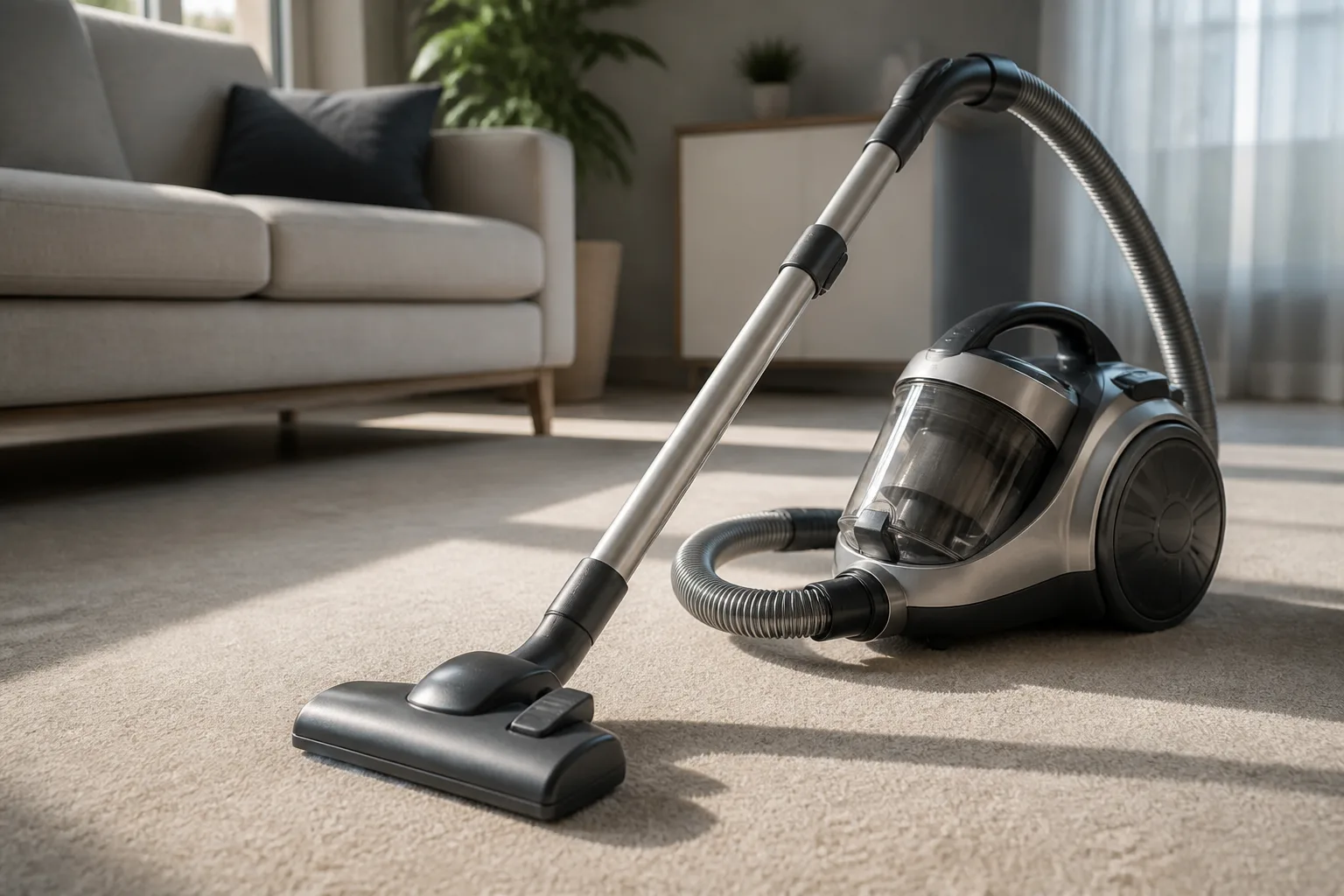
Vacuuming is maintenance; washing is remediation. A soft brush attachment on a HEPA-filter vacuum removes loose dust, hair, and surface pollen from headers, folds, and hems—exactly the kind of regular dust control the Lung Association recommends for fabrics you cannot hot-wash weekly (American Lung Association). Vacuum top to bottom on a low suction setting, supporting delicate sheers with your other hand behind the panel to prevent pulling. Monthly vacuuming can extend the interval between full washes in low-load rooms.
Washing addresses what vacuuming cannot: embedded oils, odor molecules, bacteria-friendly grime, and allergen proteins deep in the pile. Tumbling on air-only with a damp towel freshens lightly soiled synthetics between washes but does not replace detergent and water for kitchen grease or bathroom mildew. If anyone in the home has dust-triggered asthma, treat vacuuming as a bridge between full launderings—not a substitute.
How to Wash Curtains Safely at Home
Before anything else, read the care label sewn into the header or side hem. Manufacturer instructions override generic advice. If the label is missing, test a hidden spot for colorfastness: dab diluted detergent on the hem with a white cloth and check for dye transfer.
Machine Washing, Hand Washing, and Drying
Prep: Remove hooks, rings, and detachable hardware. Shake panels outdoors if possible. Pretreat stains with enzyme detergent or stain remover; work in gently and wait ten minutes. For machine-washable panels, use a gentle or permanent-press cycle with cool or lukewarm water unless the label allows warm. Sheers and lace belong in a mesh laundry bag on delicate. Do not overcrowd the drum—wash one panel pair at a time for heavy drapes.
Detergent: Mild liquid detergent; skip fabric softener on thermal-backed or blackout linings (it can coat coatings). A cup of white vinegar in the rinse helps deodorize without harsh perfume.
Drying: Air-dry or low heat is the default. High heat shrinks cotton and linen and can melt synthetic coatings. Rehang panels while slightly damp so gravity pulls out wrinkles—often eliminating ironing. If you machine-dry, pull panels before they are bone dry and finish on the rod.
Allergy households: When the care label allows, choose the hottest water safe for the fabric to denature allergens—MedlinePlus cites 130°F+ for bedding; apply the same logic where cotton curtains tolerate it. For fabrics that cannot take heat, prioritize frequent washing at the coolest effective temperature plus aggressive between-wash vacuuming.
When Professional Cleaning Is the Safer Choice
Send curtains out when labels say dry clean only, when panels are silk, velvet, heavily beaded, or lined with delicate interlining, or when they are too large for your machine and still wet-heavy after spin. Professional cleaners also handle set-in smoke and grease with solvents home laundry cannot match. The cost of one ruined custom drape usually exceeds several years of cleaning bills—if you are unsure, test a single panel or consult a cleaner before gambling on the home washer.
Fabric Types and How Often to Wash Them
Cotton and cotton blends are durable but shrink-prone—cool wash, gentle spin, air or low dry. Plan every six months in living spaces; every two to three months in kitchens if washable.
Linen softens with washing but loses crispness and length if overheated. Wash every six months in bedrooms; hand-wash or professional-clean if heavily structured.
Polyester and synthetic blends tolerate machine washing well—every six months baseline, quarterly in polluted or pet-heavy rooms.
Sheer and lace show soil early; every three to four months with bagged delicate cycles.
Velvet and silk are often dry-clean only—vacuum monthly, full clean every twelve months professionally unless the label explicitly allows gentle home washing.
Thermal blackout and coated linings need low heat and minimal agitation; overwashing breaks foam backing. Vacuum often; full wash once or twice a year when labels permit.
Between-Wash Maintenance That Extends Curtain Life
Rotate these tasks so full washes stay effective without over-laundering delicate fibers:
- Monthly: HEPA vacuum headers, folds, and hems; open windows on dry days to flush humidity.
- Quarterly: Steam refresh with a clothes steamer (keep nozzle moving; test synthetics first); shake panels outdoors.
- Seasonally: Wash or replace HVAC filters; wipe window tracks where dust bridges to fabric.
- After events: Spot-clean splatters; run exhaust fans during and after cooking.
Closing curtains during peak sun reduces UV breakdown that makes fibers brittle and dust-binding. In allergy homes, pair curtain care with encased mattresses, hot-washed bedding, and humidity control detailed in our dust mite removal guide—curtains are one reservoir, not the only one.
When Skipping a Year Costs You More Than Time

A year without washing in a guest room may only cost you a dusty smell and one heavy laundry day. A year without washing in a kitchen can mean permanent yellowing, rancid odor, and grease-locked allergens that no single wash fully reverses. A year in a humid bathroom risks mildew staining that spreads into lining seams. For asthma and dust-allergy households, the cost is measured in symptoms: the Lung Association classifies dust mites as a major indoor asthma trigger, and curtains sit in the breathing zone for hours each night.
Skipping washes also shortens fabric life. Abrasive dust particles grind fibers when panels rub in the track; acids in smoke and cooking films weaken dye bonds. Annual washing is cheap insurance compared with replacing custom drapes. The goal is not perfection—it is matching effort to the room’s actual load so curtains stay filters that help your home, not reservoirs that work against it.
Conclusion
Not washing curtains for a year is a bad idea in kitchens, bathrooms, allergy bedrooms, and any high-traffic, pet-heavy, or smoke-exposed space—but it may be acceptable in rarely used rooms if you vacuum between seasons. Treat once yearly as the minimum for low-load windows, twice yearly as a sensible whole-home baseline, and monthly to quarterly where grease, humidity, or health triggers demand it. Vacuum monthly with a HEPA tool to bridge gaps; wash when odors, stiffness, visible soil, or symptoms say the fabric is saturated. Read every care label, favor cool water and low heat unless heat is safe and needed for allergens, and call a professional when fabric or size makes home washing risky. Match the schedule to the room, and your curtains will look better, last longer, and stop working against the air you breathe indoors.