7 Small Citrus Trees for Growing Indoors
From kumquats to Meyer lemons: seven compact citrus trees that can live indoors, plus light, watering, pollination, and variety-by-variety buying advice.

A full-size orange tree belongs in a grove, not beside your sofa—but seven compact citrus types can live indoors year-round when you match the variety to your light and accept that fruit is a bonus, not a guarantee. The payoff is real: glossy evergreen leaves, intensely fragrant winter flowers, and—on the best setups—lemons, limes, or kumquats you can actually use in the kitchen.
This guide ranks the seven small citrus trees most worth trying indoors, then walks through the shared care routine that separates a decorative pot from a tree that flowers and sets fruit.
Can You Actually Grow Citrus Indoors?
Yes—with caveats. Most commercial citrus is grafted onto dwarfing rootstock and sold in containers small enough for a sunny room, balcony, or glazed porch. Indoors, these trees are usually ornamental first and productive second. They need more light than a typical houseplant, steadier watering than a succulent, and humidity higher than most heated living rooms provide.
The RHS citrus growing guide is blunt on this point: citrus can be kept in a conservatory or cool bright room over winter, but long-term life in a warm, dry main living area is not ideal. That does not mean failure—it means you plan for a bright window or grow light, a pebble tray or humidifier, and realistic expectations about harvest size.
If you only have a medium-light corner, citrus is the wrong plant. If you have a south- or west-facing window, a sunroom, or supplemental LEDs, dwarf kumquat, Meyer lemon, calamondin, and key lime are the most forgiving starting points.
How to Choose the Right Indoor Citrus Tree
Before you fall for a nursery tag that says “dwarf,” decide what you are optimizing for: fruit reliability, ornamental value, or something unusual to show off.
Match light, space, and your winter plan
Count honest hours of direct sun on the spot where the pot will live—not reflected brightness from across the room. Most indoor citrus wants at least six to eight hours of direct sun daily for strong growth; fruiting varieties benefit from more. Below that threshold, budget for a grow light and rotate the pot weekly so one side does not go bare.
Measure mature height, not the cute 10-inch starter tree. Potted mandarins can eventually reach 6 to 8 feet unless you prune and root-prune; kumquats often stay under 3 feet. Leave room for a saucer, humidity tray, and seasonal move through doorways if you plan to summer the tree outdoors.
Finally, decide your winter home. A tree that must live in a dim dining room will struggle; a bright unheated sunroom or window with a quality grow light is a different story. For patio-focused growers who only bring plants inside during cold snaps, see our companion guide on dwarf citrus trees for patio pots.
Fruit, fragrance, or foliage: pick your payoff
Most reliable indoor fruit: kumquat, Meyer lemon, key lime, calamondin—in that general order for beginners.
Best ornamental foliage: variegated ‘Eureka’ lemon (white-edged leaves even when not fruiting).
Most conversation-worthy: Australian finger lime (caviar-like juice vesicles).
Sweet snack fruit: mandarin/tangerine types such as ‘Owari Satsuma’ or ‘Tango’—but they need more space and light than kumquat.
Buy grafted plants that are already flowering or fruiting when possible. Ungrafted seedlings can take many years to crop; the RHS notes that ungrafted citrus may need up to a decade to fruit, which is a poor bet for an indoor hobby.
Indoor Citrus Essentials Every Tree Needs
The seven varieties below share one culture. Nail these basics once and you can swap species without relearning everything.
Light: the make-or-break factor
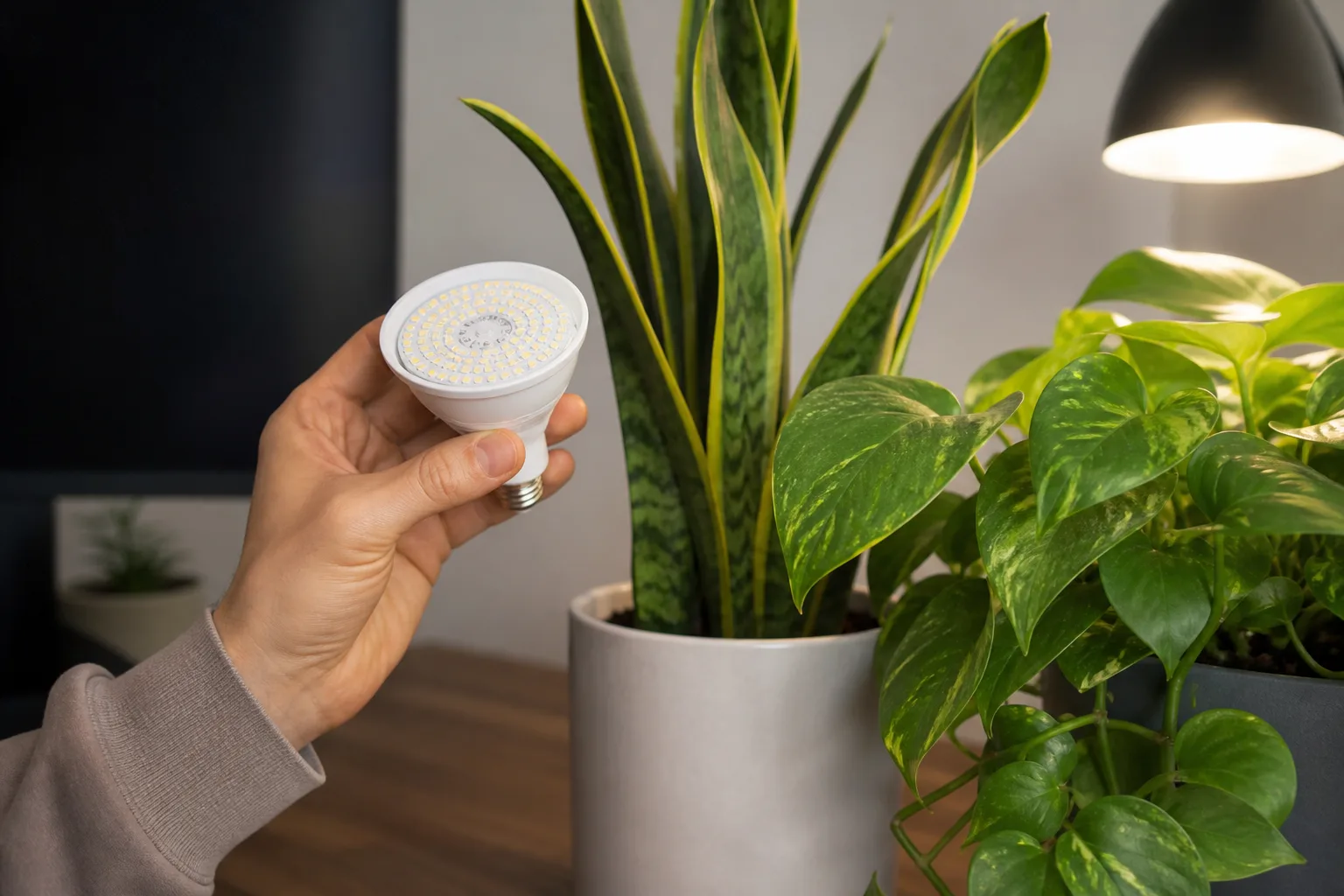
Citrus is a sun crop. Indoors, place pots in the brightest window you have—typically south- or west-facing in the Northern Hemisphere. Leaves should look deep green and stiff, not pale and reaching.
If natural light is weak from fall through spring, add a full-spectrum grow light and run it long enough to approach 8–12 hours of bright exposure combined with window light. Poor light is the number-one reason indoor citrus flowers without setting fruit or drops leaves after the move inside. Epic Gardening’s Meyer lemon guidance recommends treating container lemons like sun plants and supplementing when windows fall short—advice that applies across indoor citrus types.
Water, humidity, and potting mix
Summer/active growth: keep potting mix evenly moist but never soggy. Water when the top inch feels dry, soak until drainage runs free, and empty the saucer so roots do not sit in water.
Winter/indoors: let the surface dry slightly between waterings, then water thoroughly with tepid water. Overwatering in cool, low-light months is the most common kill vector; yellow leaves and sudden leaf drop often trace back to wet roots in a dim room (RHS watering guidance).
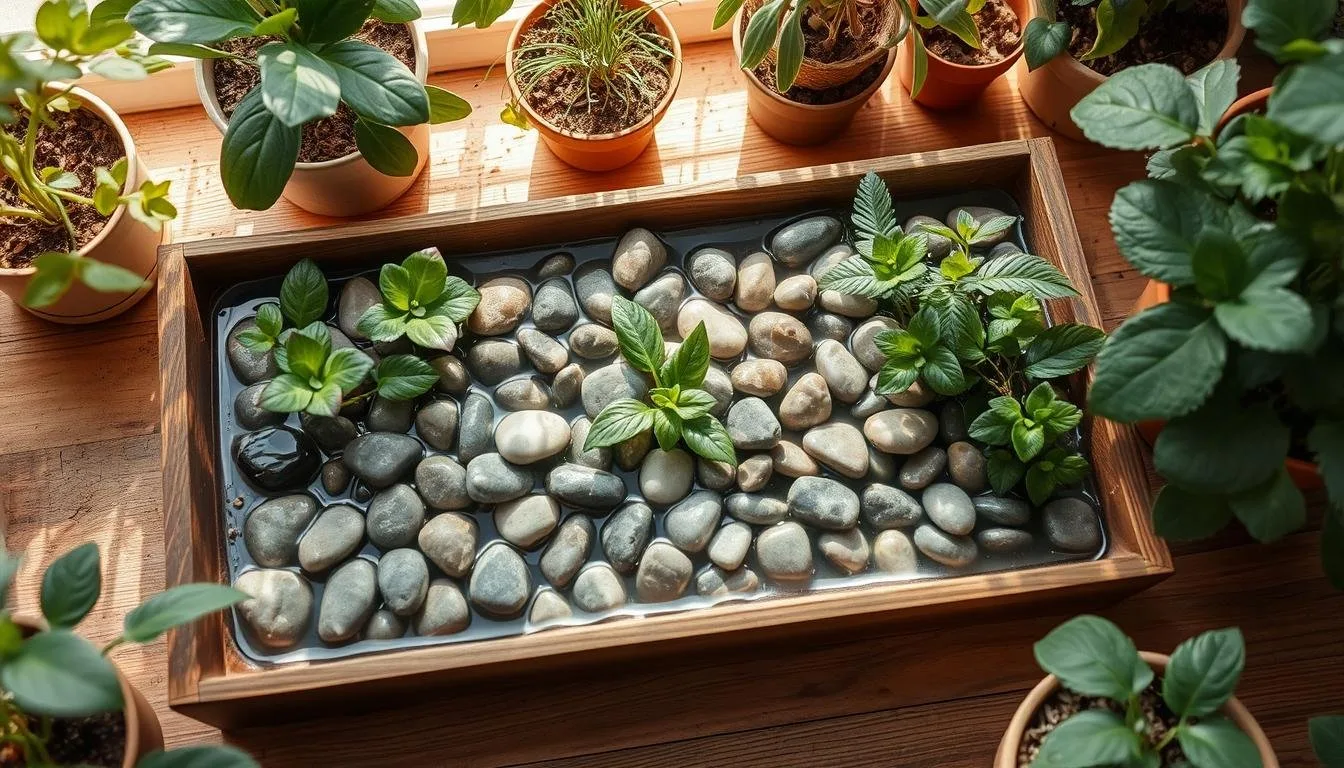
Humidity: aim for roughly 50–70% around the canopy in heated homes. Use a pebble tray (water below stone tops), grouped plants, or a humidifier—especially when flower buds form. Dry air causes flower and young fruit drop on limes and other types.
Potting mix: use a well-draining, slightly acidic blend. Commercial citrus or ericaceous mixes work; DIY mixes often combine potting soil, perlite, and coconut coir in equal parts. Repot in spring only when roots circle the pot; avoid jumping to an oversized container, which keeps soil wet too long.
Feeding, pollination, and fruit thinning
Citrus is hungry. From late spring through early fall, use a high-nitrogen summer citrus feed monthly (or per label). Switch to a balanced winter citrus feed when growth slows indoors (RHS feeding section). Skipping fertilizer shows up as pale leaves and weak flowering.
Pollination: all common container citrus sold today are self-fertile—one tree can set fruit. Outdoors, wind and insects do the work. Indoors, hand-pollinate open flowers: swirl a dry cotton swab or soft brush across anthers, then touch the stigma on the same or neighboring blooms. Repeat every few days while flowers are open. Higher humidity around bloom time improves pollen stickiness.
Fruit thinning: a 3-foot tree cannot ripen thirty full-size lemons. After fruit sets, leave a modest crop—roughly up to about 20 fruits on a ~1 m tree per RHS thinning guidance—so the rest size up and ripen. Kumquat is the exception; its tiny fruit load usually needs less aggressive thinning.
Summer outside, winter inside: the transition rules
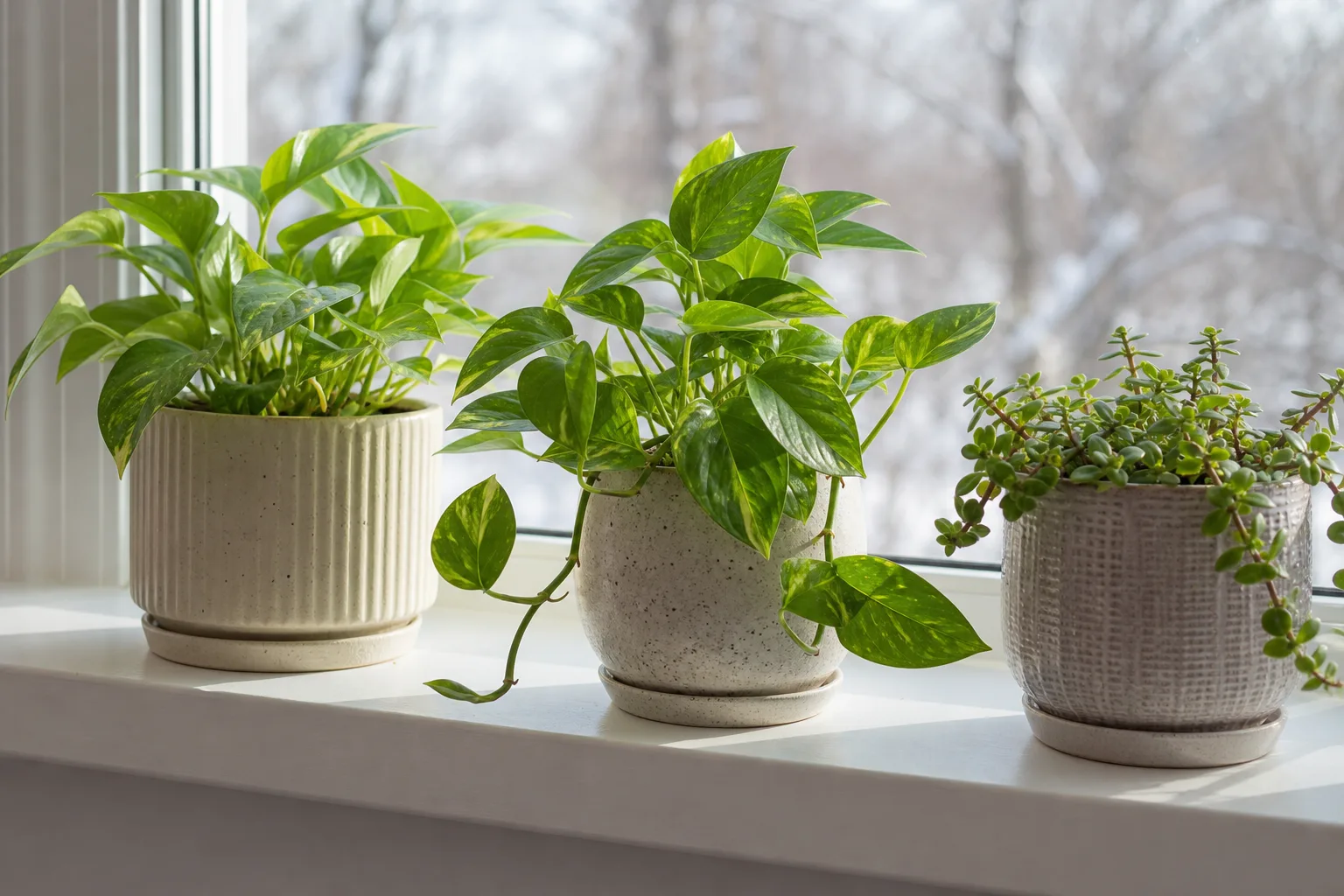
Moving citrus outdoors for summer dramatically improves vigor and fruit set—but only if you harden off and respect temperature swings. Wait until nights stay above about 50°F (10°C) consistently, then place the tree in bright shade for a week before full sun to prevent leaf scorch.
Before nights cool in fall, inspect for scale, aphids, and spider mites; rinse or treat so you do not import pests into the house. Bring plants in before frost and avoid shocks greater than about 15°F between outdoor and indoor air in a single move—rapid swings stress trees and trigger leaf drop (Gardening Know How, as cited in Concord Monitor reporting on indoor citrus).
Indoors for winter, favor a cool bright room (roughly 55–65°F at night if possible) over a hot living room. Keep away from heat vents and cold drafts. Water less, maintain humidity, and keep the grow light on if the window is dim.
Dwarf Kumquat (Citrus japonica)
Why grow it indoors: Among the smallest and most productive indoor citrus. Oval orange fruit with sour flesh and sweet peel—excellent for marmalade, cocktails, and eating whole. The RHS recommends kumquat as one of the easier types for beginners.
Size: Often stays under 3 feet in pots.
Fruit reliability indoors: High—usually the most generous indoor cropper.
Care notes: Wants the brightest light you can give. Hand-pollinate for heavier sets. Kumquat tolerates pruning well and can carry a heavier fruit load without as much thinning as lemon.
Best for: Growers with limited space who want the best odds of home fruit.
Dwarf Meyer Lemon (Citrus × meyeri)
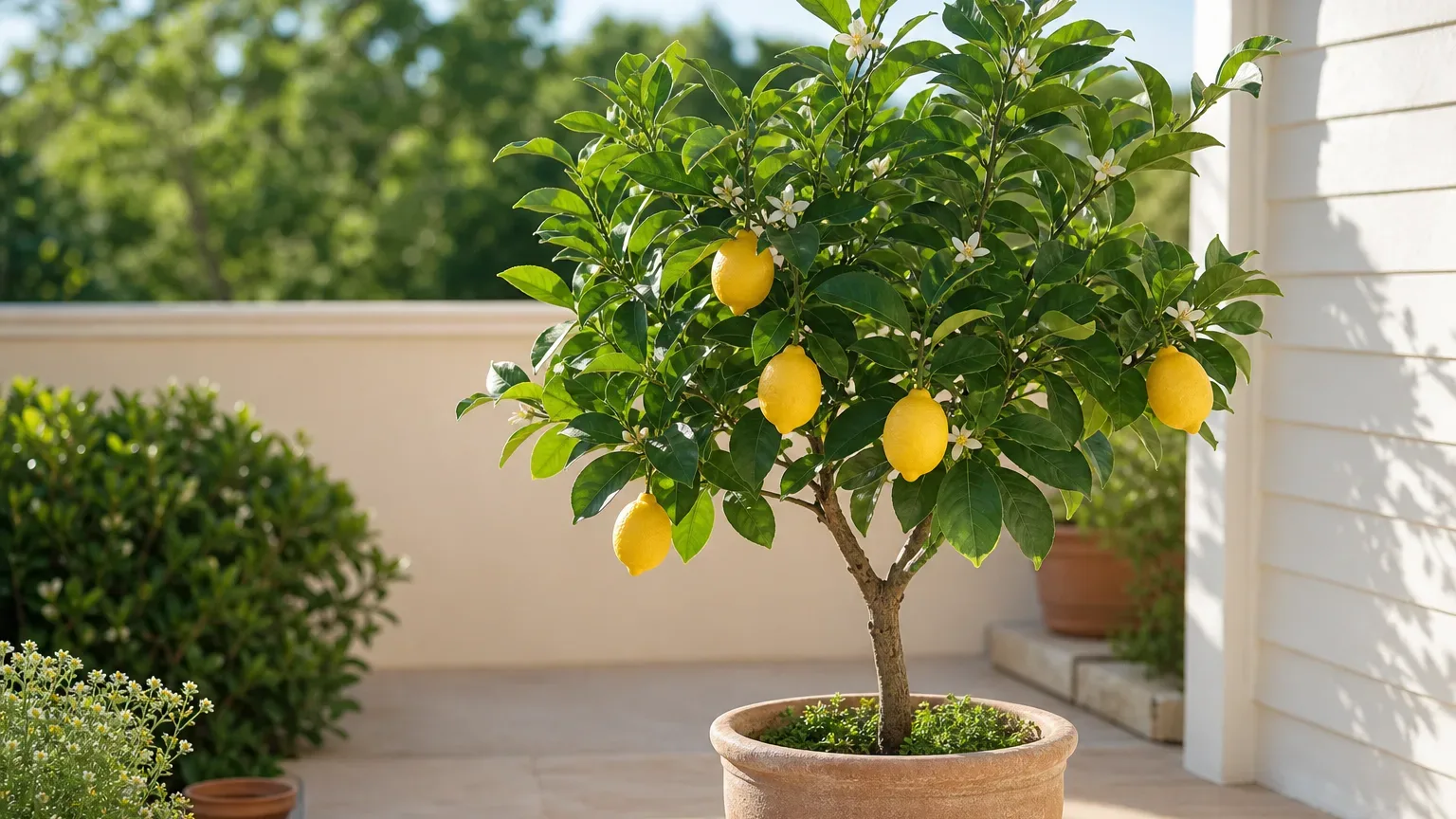
Why grow it indoors: The default recommendation for a reason—compact habit, heavy fragrance, and fruit sweeter and thinner-skinned than grocery lemons. A lemon–mandarin cross with excellent kitchen utility.
Size: Typically under 6 feet in containers; often kept smaller with pruning.
Fruit reliability indoors: High, often second only to kumquat.
Care notes: Needs 8+ hours of direct sun or strong supplemental light. Water steadily during bloom; drying out triggers flower drop. Feed monthly in the growing season. Prune in late winter to shape a shrubby plant into a single-trunk tree. Epic Gardening suggests pH 5.5–6.5 and deep watering only after the top few inches dry—good rules for most indoor lemons.
Best for: First-time indoor citrus growers who cook and want versatile fruit.
Calamondin Orange (Citrus × microcarpa)
Why grow it indoors: Petite tree—about 4 feet—with sour, lemon-like fruit usable in marmalade, baking, and drinks. Fragrant flowers; attractive year-round. NC State’s calamondin profile describes a compact ornamental citrus well suited to containers.
Size: Roughly 3–4 feet at maturity in pots.
Fruit reliability indoors: Moderate to high with good light and summer outdoors.
Care notes: Loves direct sun and regular feeding. Fruit is tart—think lemon substitute, not sweet snacking orange. Inspect carefully for scale before winter move-in.
Best for: Growers who want orange-tree aesthetics without standard-orange size.
Key Lime (Citrus × aurantiifolia)
Why grow it indoors: Smaller, often sweeter fruit than Persian limes in home culture; reliable bloomer once mature. Many plants begin fruiting around age three.
Size: Compact dwarf forms fit bright rooms; plan for periodic repotting.
Fruit reliability indoors: Moderate to high—among the better lime choices indoors.
Care notes: Sensitive to dry air during bloom; maintain humidity or expect flower drop. Steady moisture matters more than with kumquat. Acid-loving feed during active growth.
Best for: Cocktail gardeners and cooks who use lime more than lemon.
Tangerines and Mandarins for Pots
Why grow them indoors: Self-fertile mandarins such as ‘Owari Satsuma’ and ‘Tango’ offer easy-peeling, sweeter fruit than most indoor lemons—excellent if you have space and light.
Size: Potted plants often reach 6–8 feet unless pruned; larger than kumquat or calamondin.
Fruit reliability indoors: Moderate—improves sharply with summer outdoors and strong winter light.
Care notes: Same water, feed, and pollination rules as other citrus. Do not expect standard grocery navel orange behavior; these are mandarin types with different ripening cues. Move outside in warm weather; bring in before frost.
Best for: Sunny rooms or sunrooms where a taller tree is welcome and sweet fresh fruit is the goal.
Variegated ‘Eureka’ Lemon
Why grow it indoors: Stunning white-edged variegated foliage and pink-tinged fruit even when cropping is light. One of the best “ornamental edible” citrus—beautiful when not in bloom.
Size: Depends on rootstock; dwarf forms stay manageable in pots.
Fruit reliability indoors: Lower to moderate—often blooms less freely indoors than Meyer or kumquat without excellent light and a summer outside.
Care notes: Treat like other lemons for water and feed, but prioritize maximum light. Variegated leaves have less chlorophyll; weak light shows quickly as sparse growth. Acid-loving fertilizer during the growing season.
Best for: Design-focused growers who value foliage and flowers and accept smaller harvests.
Australian Finger Lime
Why grow it indoors: Elongated green fruit filled with juice vesicles (“citrus caviar”) prized for garnishes. Unusual and conversation-worthy.
Size: Often started in 10- to 14-inch pots and moved up as roots fill containers.
Fruit reliability indoors: Moderate—possible with excellent care but less forgiving than Meyer or kumquat.
Care notes: Use the same acidic, fast-draining mix as other citrus. Needs bright light, humidity, and patience. Thrips and scale can be issues—quarantine and inspect before mixing with other houseplants. Best treated as a specialty plant, not a first citrus.
Best for: Experienced indoor growers and food enthusiasts—not beginners.
Common Indoor Citrus Problems—and Fixes That Work
Yellow leaves: Often overwatering in winter or nitrogen deficiency. Check soil moisture before watering again; resume summer feed schedule in spring. If leaves yellow with green veins, suspect micronutrient issues and use a complete citrus fertilizer.
Flower drop or no fruit: Usually insufficient light, dry air, or drought during bloom. Add a grow light, raise humidity, hand-pollinate, and keep soil evenly moist while flowers are open—not waterlogged.
Leaf drop after moving inside: Temperature shock, low light, or pests. Harden off in both directions, avoid heat vents, and inspect undersides of leaves for scale. The UC IPM cultural tips for citrus emphasize that container citrus stress shows quickly—fix environment before repotting or heavy pruning.
Sticky leaves and sooty mold: Almost always sap-sucking insects (scale, aphids, whitefly). Wipe with horticultural soap or oil, repeat weekly, and isolate affected plants.
Leggy growth: Not enough light. Prune lightly after the main winter rest and add supplemental lighting rather than only fertilizing.
Conclusion
Indoor citrus is not a set-and-forget houseplant—it is a bright-light, seasonal-rhythm crop in a pot. Start with kumquat or Meyer lemon if you want the best odds of fruit; add calamondin or key lime for variety; save variegated ‘Eureka’ and finger lime until you have the light and habits dialed in.
Give any of these seven trees strong sun or grow lights, steady winter humidity, citrus-specific feeding, gentle hand-pollination, and a careful indoor–outdoor transition, and you can enjoy glossy leaves and perfumed flowers even when harvests stay modest. Choose the tree that fits your window first; the fruit follows when the environment does the heavy lifting.