Cat Whiskers Plant Care: Grow Orthosiphon aristatus
Learn how to grow cat whiskers in beds or pots, with practical advice on sun, soil, watering, pruning, propagation, flowers, and protecting it from frost.
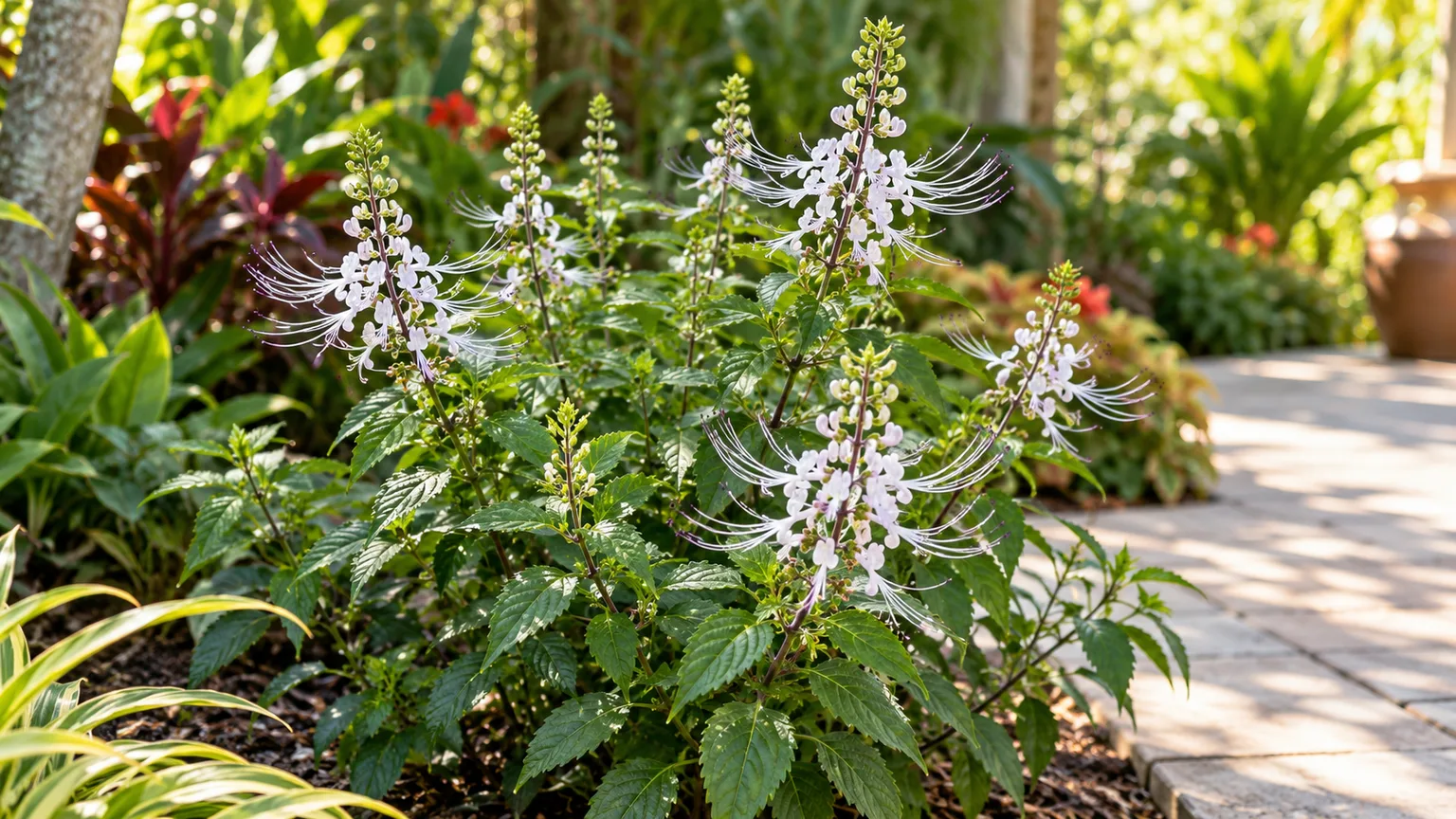
Cat whiskers is a frost-sensitive tropical shrub, so the first care decision is not fertilizer or pruning: it is whether your winter lets it live outdoors. Give it warmth, good light, and soil that drains after watering, and it can reward a border or large patio pot with airy stems and long, whisker-like flower stamens.
In a warm climate, grow it as a perennial. Where winter brings regular freezes, treat it as a seasonal container plant or take cuttings before cold weather rather than assuming mulch will save it. That distinction makes the rest of its care much easier to get right.
Meet the Cat Whiskers Plant
The accepted botanical name is Orthosiphon aristatus, a member of the mint family, Lamiaceae. Kew’s Plants of the World Online describes it as a subshrub or shrub native across tropical and subtropical Asia to northern Australia, where it grows primarily in wet tropical environments. That background explains its preference for warmth and steady moisture, but it does not mean the roots should sit in saturated soil.
The plant’s most recognizable feature is its flower: a small white, lilac, or pale lavender bloom with exceptionally long stamens projecting well beyond the petals. Those flower spikes rise above opposite, lightly toothed, dark green leaves on upright branching stems. It has a loose, open habit rather than the dense, clipped form of a hedge.
Size depends on climate and cultivation. In a garden profile, Paten Park Native Nursery lists it around 1 meter (about 3 feet) tall and wide, while Gardening Know How notes that plants can grow taller in tropical conditions. Use the nursery label and your local growing season as a better guide than a single maximum-size figure; in a mixed border, plan for a shrub roughly 2–3 feet across and leave room for airflow.
Bees, butterflies, and hummingbirds visit its nectar-bearing flowers, which makes the plant useful in a warm-climate pollinator bed as well as a specimen pot. Gardening Know How also identifies it as attractive to those pollinators. Its flowers are the main show, so give it space where they can be seen from a path or patio instead of burying it behind taller, denser shrubs.
Choose Its Climate and Growing Style
Cat whiskers is best thought of as a tender perennial. Garden references commonly place it in warm USDA hardiness zones, but published zone ranges vary; Paten Park Native Nursery specifically describes it as frost tender, and Gardening Know How discusses it as a summer-blooming shrub in zones 9 and 10. A zone number describes regional winter lows, not the temperature at your particular wall, courtyard, or exposed bed, so frost exposure is the practical test.
| Winter pattern | Growing approach | What to plan for |
|---|---|---|
| Frost-free or reliably mild winter | Plant in a sunny, draining bed or a large outdoor pot | It can function as a perennial shrub; expect some seasonal leaf drop in cooler months |
| Occasional cold snaps, with a sheltered microclimate | Use a pot or a protected bed near a warm wall | Keep a cover ready and do not assume a brief mild spell means frost risk has passed |
| Regular freezing weather | Grow in a movable container, take cuttings, or treat it as an annual | Bring the pot under cover before frost; an in-ground plant may not return |
When an outdoor bed is realistic
Plant it in the ground when your winters are mild enough for tender subtropical plants and the site drains well through the wet season. A sheltered position can soften wind and cold, but a warm wall does not guarantee survival during a hard freeze. If you are near the edge of its range, keep a backup cutting or choose a container that can be moved.
In colder regions, an outdoor container gives you the most control. It can sit outside through warm weather, then move to a bright, frost-free place before the first freeze. Indoors it may grow slowly or flower less, so think of the move as winter protection, not proof that cat whiskers is an easy, year-round houseplant.
Give It Bright Light With a Heat Adjustment
For the heaviest flowering, choose a place with several hours of direct sun. Gardening Know How recommends full sun in mild climates and afternoon shade in very hot regions, a useful distinction for gardens where reflected heat can scorch leaves or dry a pot unusually fast. Start with morning sun and watch the plant during the hottest part of the day; if leaves wilt while soil is moist or develop crisp, pale patches on the exposed side, give it light afternoon shade.
A little shade is usually a better compromise than a dim corner. In too little light, stems stretch toward the brightest opening, the plant looks sparse, and it may produce leaves without many flower spikes. If you are growing it in a container, move it gradually over several days when changing from indoor shelter to outdoor sun so tender foliage has time to adjust.
The plant’s airy flower spikes look best in an open position, but exposure should match your climate. In hot inland areas, morning sun plus bright filtered light later can preserve foliage and still support flowering. In mild coastal or subtropical gardens, more direct sun is often the simpler choice.
Build Moist but Well-Drained Soil
Aim for soil that holds enough moisture to keep roots from drying quickly but drains freely after a soaking rain. A fertile loam enriched with compost is a useful starting point; heavy clay that stays sticky for days is a risk, while very sandy soil may need organic matter and closer watering. Kew’s description of the species’ wet-tropical habitat is context for its preference for moisture, not a reason to plant it in a bog.
Before planting, test the bed after watering. If water still stands in the hole or the surrounding soil remains slick long after nearby plants have drained, raise the planting area or choose a container instead. A slightly raised mound or amended wide bed is more reliable than filling a small pocket with rich compost while leaving a compacted clay layer underneath.
Avoid trying to correct drainage by putting gravel at the bottom of a pot. Use a container with open drainage holes and a quality potting mix that stays lightly moist while letting excess water escape. If the mix has become dense and shrinks from the pot’s edges, refresh it at repotting rather than adding a layer of stones below the root ball.
Water by Soil Feel, Not a Calendar
Water new plants consistently while their roots establish. Check the soil with a finger rather than watering on a fixed weekday: when the top inch or two feels dry, water thoroughly at the root zone, then let surplus drain away. The goal is an even supply of moisture, not continuously wet soil.
Once established in a garden bed, cat whiskers usually needs less attention than a newly planted specimen, except during hot, dry weather. A layer of organic mulch can slow evaporation and moderate root-zone temperatures, but keep it pulled slightly back from the stems so the crown does not remain damp. During a rainy stretch, skip irrigation and check the bed’s drainage instead.
Pots dry faster because they have less soil volume and more exposed sides. Check a container every day or two during hot, windy weather, but let the soil condition decide whether it needs water. When you do water, soak the mix until water runs from the holes and empty any saucer; a wilted plant in wet soil needs a root and drainage check, not another drink.
Plant and Space Cat Whiskers Correctly
Set a nursery plant outside after the danger of frost has passed and the soil has warmed. Water the root ball before planting, dig a hole as deep as the root ball and about twice as wide, then loosen circling roots gently before setting the plant at its original soil level. Backfill, firm lightly, and water slowly to settle soil around the roots.
Allow about 30–36 inches between plants when you want individual shrubs to develop an open, rounded form. That spacing fits a plant that may approach 3 feet wide in garden conditions; reduce it only if you are deliberately making a fuller mass and can still leave enough room for air and access. Use a seller’s size information if it describes a distinct compact selection.
In a mixed border, put cat whiskers where its flower spikes will rise above low companions without being crowded by aggressive groundcovers. A spot near a walkway or seating area makes the unusual stamens easier to appreciate and lets you see when flowers are fading. Keep the root zone free of competing weeds while the plant is small, then refresh mulch as needed.

Grow It in a Container
A container is the practical choice when winter frost would kill an in-ground plant or when you want to move the shrub to a more protected position. Start with a pot only one size larger than the root ball, with several unobstructed drainage holes; an oversized pot holds a large column of wet mix that a small root system cannot use quickly. A sturdy 12–16-inch pot is a reasonable starting point for a typical nursery specimen, but follow the plant’s actual size and upsize if roots fill the pot.
Use a free-draining potting mix with some compost or other organic matter. Avoid garden soil in a container because it can compact and slow drainage. Set the pot in a bright outdoor spot during warm weather, and turn it occasionally if one side leans toward the sun.
Container culture makes the water balance more exacting. Feel the mix at the surface and lift the pot if you need a quick sense of whether it is still heavy with moisture; water thoroughly when the top layer dries, then empty the saucer. A small pot in a hot, windy spot may need attention much more often than the same plant in a large shaded bed.
Repot when roots circle tightly around the drainage holes, the mix dries unusually fast, or growth stalls despite suitable warmth and light. Move up one pot size rather than jumping into an enormous planter. If you are bringing it indoors for winter, check leaves and stems for pests before placing it near other houseplants.
Feed Lightly for Steady Growth
Start with compost worked into the bed or mixed into the potting medium, then wait to see how the plant grows. In fertile soil, extra fertilizer may not be needed; in a container or poor soil, a light application of balanced slow-release fertilizer in spring can support new growth. Follow the product label rather than applying a stronger dose because the plant looks slow.
Repeat a light feed during the warm growing season only if the plant is actively growing and the label permits it. Too much nitrogen can push soft, leafy stems at the expense of flower spikes, and excess salts can stress container roots. If leaves are pale, check light, drainage, and watering first; fertilizer will not fix roots that are staying wet.
Do not fertilize a plant that has moved into a cool, low-light winter rest. Resume feeding when days lengthen and fresh growth appears, not simply because a calendar month has changed. This reduces the risk of weak shoots that cannot use the added nutrients.
Encourage Flowers and Diagnose a Quiet Plant
Warmth, bright light, and fresh growth are the combination most likely to produce flower spikes. Cat whiskers usually blooms during the warm growing season in subtropical gardens, while plants in consistently warm tropical conditions may flower for longer. If it is alive and leafy but has not bloomed, check its environment before trying a new fertilizer.
Deadhead individual spikes as their flowers fade if you want to keep the shrub tidy and encourage more new growth. Snip back to a healthy leaf pair rather than shearing the whole plant at once; the goal is to remove spent tips while preserving active stems. If you want seed, leave a few flower spikes until seed capsules mature instead of removing every faded flower.
Match Bloom Problems to Their Likely Cause
A plant that grows long, thin stems and has few flowers is often asking for more light. Move a container into brighter sun gradually, or selectively thin nearby plants that are shading a bed-grown shrub. Do not solve weak flowering by feeding more heavily unless growth is also visibly nutrient-poor and the soil or potting mix is depleted.
A recent hard prune can delay flowering because the plant has to rebuild stems before producing spikes. Cold nights can slow growth, and a newly planted specimen may spend its first season establishing roots. Give it warm weather, steady moisture, and time; a sudden burst of fertilizer will not make buds appear overnight.
If buds form but dry before opening, look for a cycle of severe drying followed by heavy watering, a pot that has become root-bound, or hot afternoon exposure. Adjust one condition at a time so you can tell which change helped. Record when flowers open and how much direct sun the site receives; that simple note is more useful than changing several parts of care at once.
Prune for Shape and New Growth
Pinch the tips of young stems once the plant is established if you want a bushier shape. Remove only the soft growing tip above a pair of leaves; the buds below the cut can branch, giving you a fuller outline. Paten Park Native Nursery notes that the shrub responds well to pruning, but hard cutting is best timed to active warmth so the plant can replace growth.
During flowering, deadhead faded spikes and remove stems that cross or crowd the center. Use clean, sharp pruners and cut just above a leaf node. Avoid stripping every stem of foliage at once, especially in a short growing season, because the plant needs leaves to rebuild and flower.
In mild climates, do the main tidy-up when fresh growth begins after winter, removing dead or damaged stems back to healthy wood. Where cold kills the top growth, wait until the worst weather has passed and you can see which stems are alive before cutting them back. If frost has killed the plant to the crown, trim dead material near ground level and protect the root zone, but do not count on mulch to make a tender plant reliably hardy.
Propagate From Cuttings or Seed
Stem cuttings are the quickest, most dependable way to make another plant that resembles the parent. Gardening Know How lists both seed and cuttings as options; cuttings are especially useful when you want to preserve a particular flower color or a compact growth habit. Start more than one cutting if you need a backup, since not every cutting roots.
Root Soft Tip Cuttings Step by Step
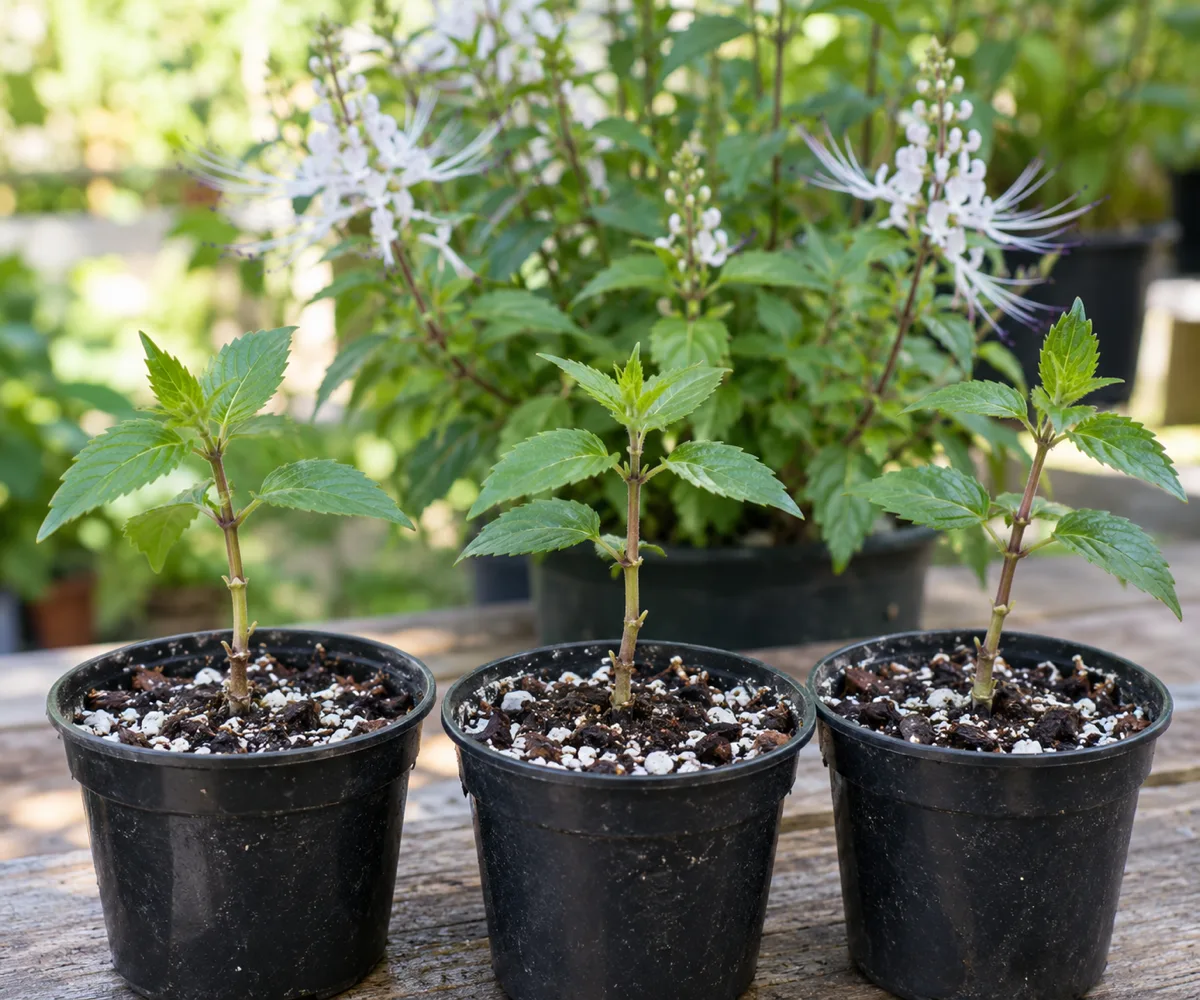
Take a healthy 3–4-inch nonflowering tip cutting during warm weather, using clean pruners. Choose flexible stems that are not extremely soft or woody, and make the cut just below a node. Remove the lower leaves so they will not be buried, while leaving a few leaves near the tip.
Insert the bare lower stem into a small pot of clean, airy propagation mix such as perlite blended with seed-starting or potting mix. Moisten the mix before insertion so the stem stays in contact with it without sitting in water. Keep the cutting in warm bright shade, away from strong midday sun, and cover loosely if dry air is pulling moisture from the leaves.
Check the mix often and water when the surface begins to dry; if it remains glossy-wet, open the cover and let excess moisture escape. New growth and gentle resistance when you tug very lightly are better rooting signs than a strict number of days. Once roots hold the mix together, pot the cutting separately and let it grow in bright shade for several days before moving it into stronger sun.
Start Seed When You Want More Plants
Seed is worth trying when you can collect mature capsules or obtain fresh, correctly labeled seed. Let selected flower spikes finish and dry on the plant, then collect the capsules before they spill or blow away. Because common names can be applied loosely, keep a label with the botanical name so seedlings are not confused with another mint-family plant.
Use a clean seed-starting mix and follow the packet’s sowing depth; tiny seeds are generally sown shallowly rather than buried deeply. Keep the surface evenly moist but never waterlogged, and provide warmth and bright light. Once seedlings have several true leaves and can be handled safely, pot them individually and grow them on before planting outside after frost risk passes.
A seedling may not look exactly like its parent, and seed-grown plants can take longer to reach flowering size than an established nursery plant or rooted cutting. Choose cuttings when uniformity and speed matter; choose seed if you want to raise several plants and are comfortable with variation. If a seed batch does not germinate, check freshness and warmth before assuming the parent plant was unhealthy.
Overwinter the Plant Where Frost Is Possible
If your winters freeze, bring a container plant under cover before frost reaches the foliage. A bright, frost-free room, sunroom, or protected greenhouse is more useful than a dim interior corner; in low light the plant may survive but grow weakly and flower poorly. Inspect and rinse the foliage before moving it inside, and let water drain fully so the pot does not sit in a catch tray through winter.
Growth often slows in cooler, darker months. Water less often than during summer, but do not let the root ball dry into a hard mass; check the mix rather than following the warm-season schedule. Hold fertilizer until new active growth appears, and remove only clearly dead or damaged material.
A plant in the ground in a mild climate may lose some leaves or die back after a cold spell and then resume growth when conditions warm. Protect the root area with a light layer of mulch in borderline conditions, but remember that mulch buffers soil temperature and does not turn a frost-tender shrub into a reliably cold-hardy perennial. If losing the plant would be disappointing, take cuttings while it is still actively growing.
In areas with regular freezing weather, do not wait until the first frost warning to decide what to save. Pot a healthy section or take cuttings several weeks ahead so they have time to establish before short winter days. If you are trying to overwinter the whole shrub, move it before cold stress and avoid severe pruning at the same time as the light change.
Troubleshoot Pests, Leaf Changes, and Rot
Serious pest and disease problems are not commonly reported for cat whiskers, but container stress and poor drainage can still cause visible trouble. Inspect new growth and the undersides of leaves when watering, especially before moving a plant indoors. Catching a small problem early is easier than trying to treat a dense shrub after pests have spread.
| What you see | First thing to check | Useful first response |
|---|---|---|
| Yellow leaves while the mix stays wet | Blocked drainage or too-frequent watering | Empty the saucer, clear drainage holes, and let the surface dry before watering again |
| Wilting with damp soil | Root or crown stress | Stop adding water and check whether the roots or stem base are soft |
| Crispy edges after a hot spell | Fast drying, wind, or intense afternoon heat | Check soil moisture and give temporary afternoon shade if the mix is not dry |
| Long stems with sparse flowers | Too little direct light or excess nitrogen | Improve light gradually and pause extra fertilizer |
| Sticky leaf tips or clusters of insects | Aphids or another sap-feeding pest | Isolate a potted plant and rinse pests off; use any labeled treatment exactly as directed |
Root and crown rot are more likely when the mix stays saturated than when the plant simply receives a deep watering. If a stem base is soft or dark and the soil smells sour, remove the plant from standing wet conditions and inspect the roots; trim clearly damaged tissue with clean tools and replant only firm healthy sections into fresh, draining mix. If rot has reached most of the crown, take a healthy cutting if one remains and discard the failed root mass.
For small aphid or mite outbreaks, first rinse the foliage with a steady stream of water and repeat after checking new growth. Avoid spraying in heat or direct sun, and do not apply a pesticide unless the product label lists the pest and plant or ornamental use. The species is generally easy to grow, but easy care still depends on matching moisture and light to the weather.
Understand the Common Name and Herbal Use
“Cat whiskers” describes the long stamens that project from each flower; it does not mean the plant is catnip. Kew’s Medicinal Plant Names Services records common names including Java tea and cat’s whiskers, while its taxonomic record treats Orthosiphon aristatus as the accepted botanical name. A nursery label with the Latin name is therefore more useful than relying on a common name alone.
Java tea is also associated with traditional herbal use, but a common name or a plant’s appearance is not a preparation guide or a safety determination. Do not brew leaves from an ornamental specimen that may have been exposed to garden chemicals, and do not treat this care article as medical advice. If the reason you want the plant is to use it as an herbal product, verify the botanical identity and consult a qualified health professional about the specific product and your circumstances.
Conclusion
Grow cat whiskers where it gets warmth, strong light, and soil that stays lightly moist without remaining waterlogged. In frost-free areas, a sunny bed can support a broad flowering shrub; in colder climates, a movable pot or backup cuttings make the plant much more dependable.
Watch the plant rather than a rigid schedule: water when the surface begins to dry, feed lightly during active growth, and prune after flowering or when new growth starts. If it produces leaves but few blooms, improve light and warmth before adding fertilizer. Those few decisions give Orthosiphon aristatus the conditions it needs to become a distinctive, pollinator-friendly feature.