26 Fall Vegetables to Grow for a Late-Season Harvest
Plant fall vegetables with a frost-backward calendar. Compare 26 crops, learn which need an early start, and keep greens and roots growing as days cool.
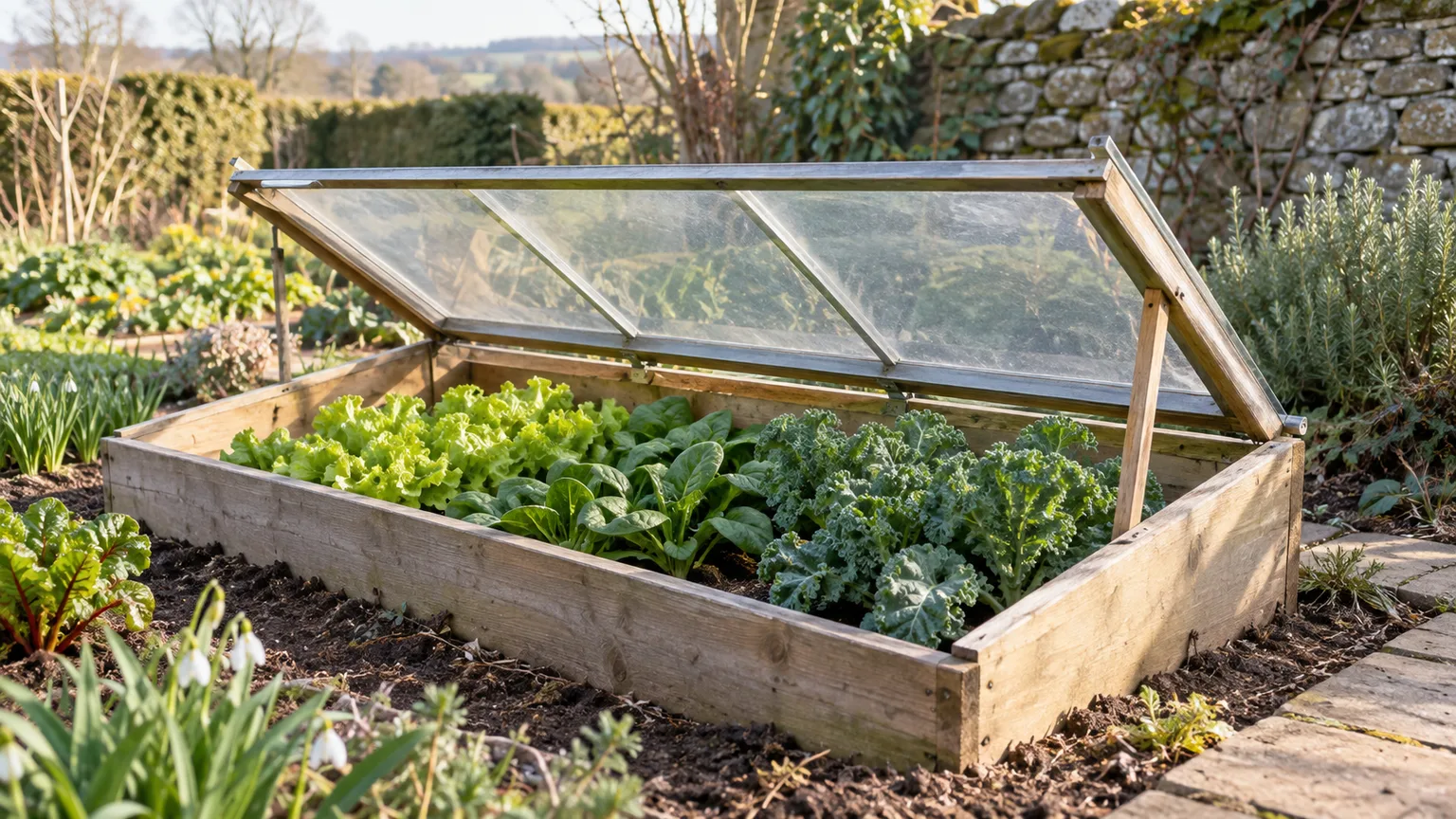
A fall vegetable garden works when you match each crop to the time and temperatures left in your season. Leafy greens, roots, and cabbage-family crops are dependable choices for cool weather; beans, potatoes, pumpkins, and summer squash are conditional crops that need a longer, frost-free stretch. The first step is to count backward from your local frost date instead of treating “August” or “September” as universal planting instructions.
That one adjustment helps you avoid the common fall-garden disappointment: healthy plants that never reach harvest size. Below, the 26 crops are grouped by how they grow, with notes on which to sow quickly, which need an early start, and which are worth trying only where autumn stays mild.
Start With Your Local First Frost Date
A calendar date cannot tell you whether a crop will finish in your garden. First frost varies across a region and from year to year, while a hard freeze arrives later in some places and earlier in others. Use a local average first-frost date as a planning marker, then check your forecast as the season approaches; Penn State Extension recommends knowing local frost and freeze dates before selecting fall crops (Penn State Extension’s guide to fall vegetables and season extenders).
Count Back From the Harvest You Want
Start with the seed packet’s days to maturity (DTM), then count backward from the date you want to harvest. For a crop that must be picked before frost—such as green beans or summer squash—count back from your average first frost and add a cushion for fall’s slower growth. GrowVeg suggests allowing about three extra weeks for fall crops; treat that as a planning buffer, not a promise, since your local weather, variety, and light exposure all affect growth (GrowVeg’s fall garden planting groups).
For a crop that tolerates a light frost, the first frost is still useful, but it may not be the end of its harvest. Kale, spinach, turnips, and Brussels sprouts can continue after cool nights, although their growth slows as daylight and temperatures drop. Decide whether you want a crop that matures before frost or one that can hold in the garden afterward; those are different planting targets.
Read the maturity note carefully. For direct-sown crops, the count generally starts when you sow; for a transplanted crop, the packet may count from setting the young plant outdoors. Penn State Extension specifically notes that transplant maturity dates begin at transplanting, not at indoor seeding, so add the indoor seed-starting time when you plan the whole schedule. A late broccoli start may need several weeks indoors before its outdoor clock even begins.
Direct-Sow, Transplant, or Wait for Cooler Soil
Some crops germinate readily in warm late-summer soil if you keep the seedbed evenly moist. Beets, carrots, peas, and radishes can be direct-sown while the bed is still warm, but small seeds dry out quickly near the surface. Keep the top layer damp through germination, and follow the packet’s planting depth rather than burying seed extra deep to chase cooler soil.
Other crops struggle to germinate in heat or wilt when tiny seedlings face harsh afternoon sun. Start broccoli, cabbage, cauliflower, and other slow brassicas in cell trays in a bright, protected spot, then transplant them when they have sturdy true leaves and the bed is ready. Lettuce and spinach can also be started in trays if the garden soil is too hot; shade seedlings during the hottest part of the day and water them before transplanting.
A USDA hardiness zone describes a region’s average winter minimum, not the date your garden gets its first autumn frost. For fall planting, your local frost date, expected winter arrival, and the maturity of the variety are more useful than zone alone. Check your county cooperative extension’s planting calendar when you need a regional recommendation.
Choose Crops That Match the Time You Have
Before you buy seed, divide your remaining season into three practical groups. Fast greens and radishes are useful when summer has already slipped away; slow brassicas and alliums need planning much earlier; warm-season crops make sense only if the soil stays warm and the frost-free window is long enough.
Quick Crops for a Short Window
When you have only a few weeks before cold weather, choose crops you can harvest young. Radishes, baby spinach, leaf lettuce, arugula, and baby bok choy produce usable leaves or roots sooner than a full cabbage or a large carrot. Sow small batches every two weeks rather than one oversized row so you can harvest each planting while it is tender; Harvest to Table also recommends repeated sowings every two to three weeks for a steadier supply of fall greens (Harvest to Table’s fall-vegetable guide).
Long-Season Crops to Start Early
Broccoli, cabbage, cauliflower, Brussels sprouts, celery, leeks, and many potatoes or winter squash need more calendar time than salad greens. If your frost date is close, a start from a local nursery can save the indoor seedling stage, but it cannot make a slow variety mature overnight. Read the variety’s DTM and choose a short-season type when your window is tight.
Do not fill every open bed with a crop that might not finish. Put one or two long-season plants in the ground early, then use the remaining space for repeat sowings of greens and roots. This combination gives you an early chance at a large crop without leaving the whole garden empty if a hard freeze arrives sooner than usual.
26 Fall Vegetables to Grow
The strongest fall garden is not necessarily the one with the most different crops. It is the one with a harvest sequence: quick greens first, roots and brassicas next, and long-season or frost-tender choices only where the calendar supports them.
Leafy Greens and Asian Greens
1. Bok choy. Baby bok choy is a good late-season choice because you can harvest it as a small plant instead of waiting for a full-size head. Direct-sow when the soil is warm enough for germination but protect the bed from drying out; if hot weather persists, start seeds in trays and transplant young plants into cooler conditions.
2. Chinese cabbage. Napa cabbage needs more time and space than baby bok choy, so start it early enough to form a firm head before sustained cold. Use transplants if late-summer heat makes germination unreliable, keep moisture even, and avoid letting the plants stall in dry soil while their leaves are expanding.
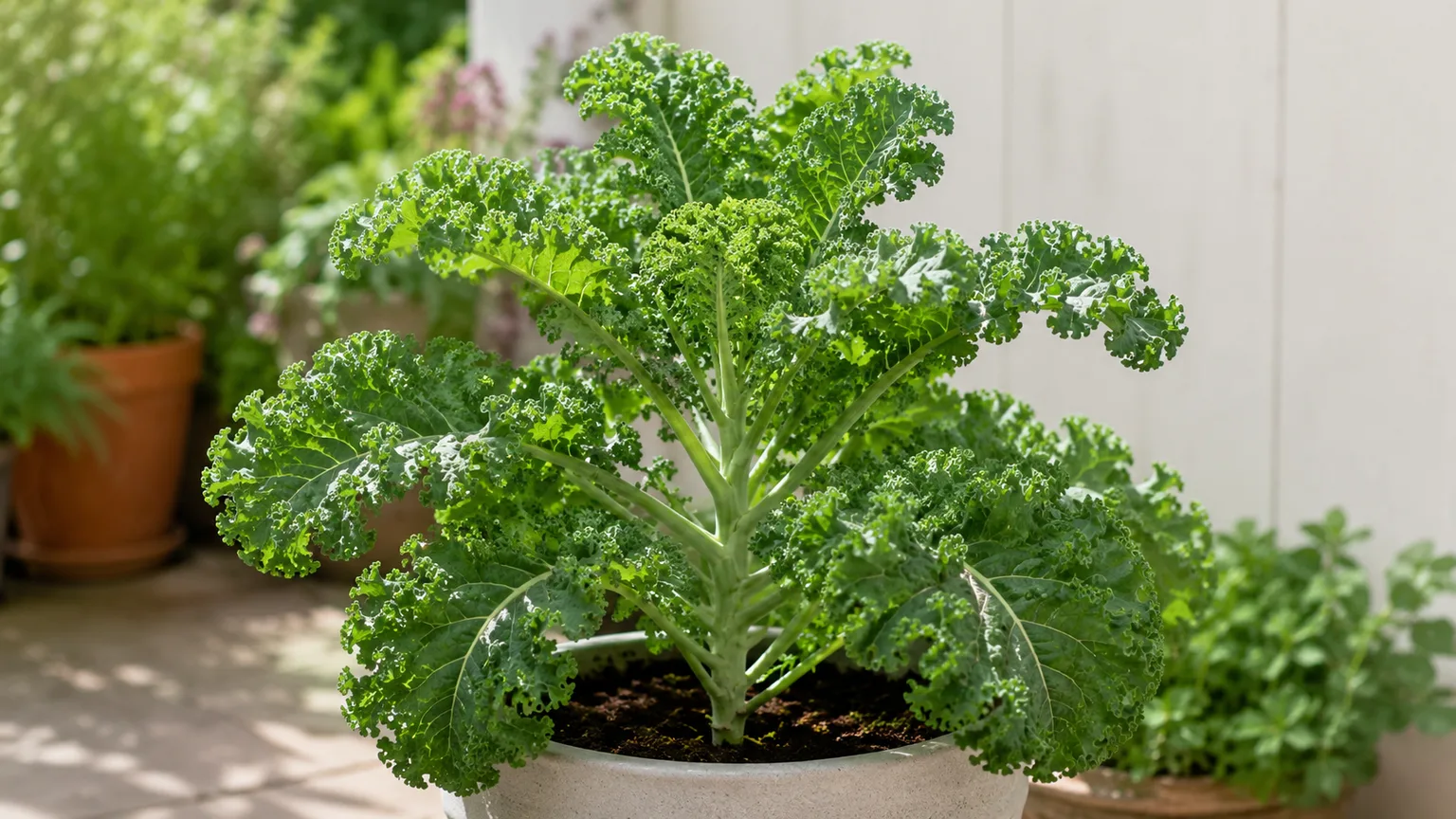
3. Kale. Kale earns a place in a fall garden because you can harvest outer leaves while the central growing point keeps producing. Sow in late summer or transplant established starts, and choose a variety suited to your winter rather than assuming every kale handles a hard freeze equally well. Cool weather often improves leaf flavor, and Penn State includes kale among crops that can benefit from cold-season growing.
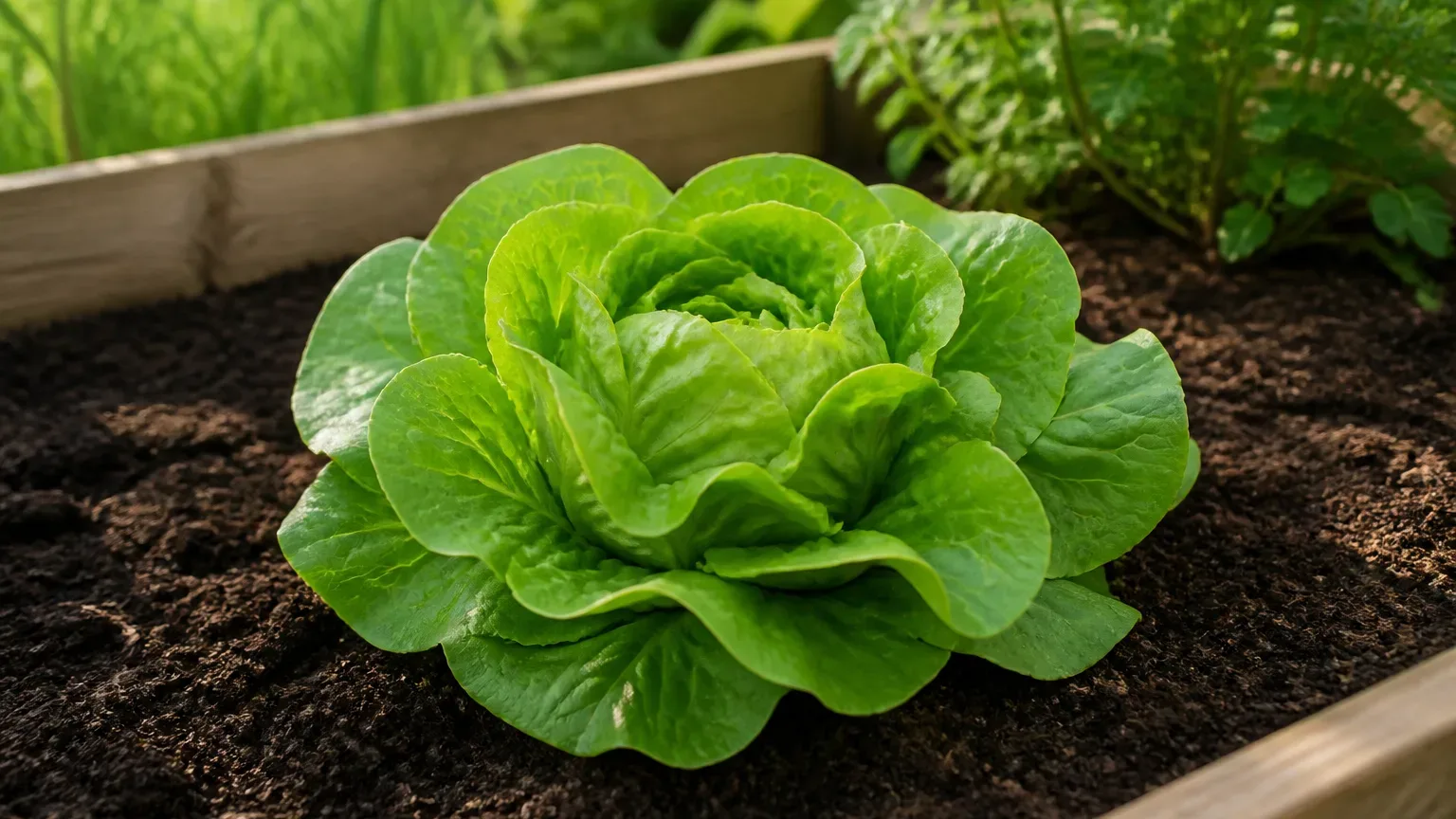
4. Lettuce. Leaf lettuce is one of the most useful crops when the planting window is short: sow a little at a time, cut leaves young, and repeat while conditions allow. Head lettuce takes longer, so plant a quick leaf type if frost is near. Give seedlings temporary shade in hot weather and use a light cover when a frost threatens.
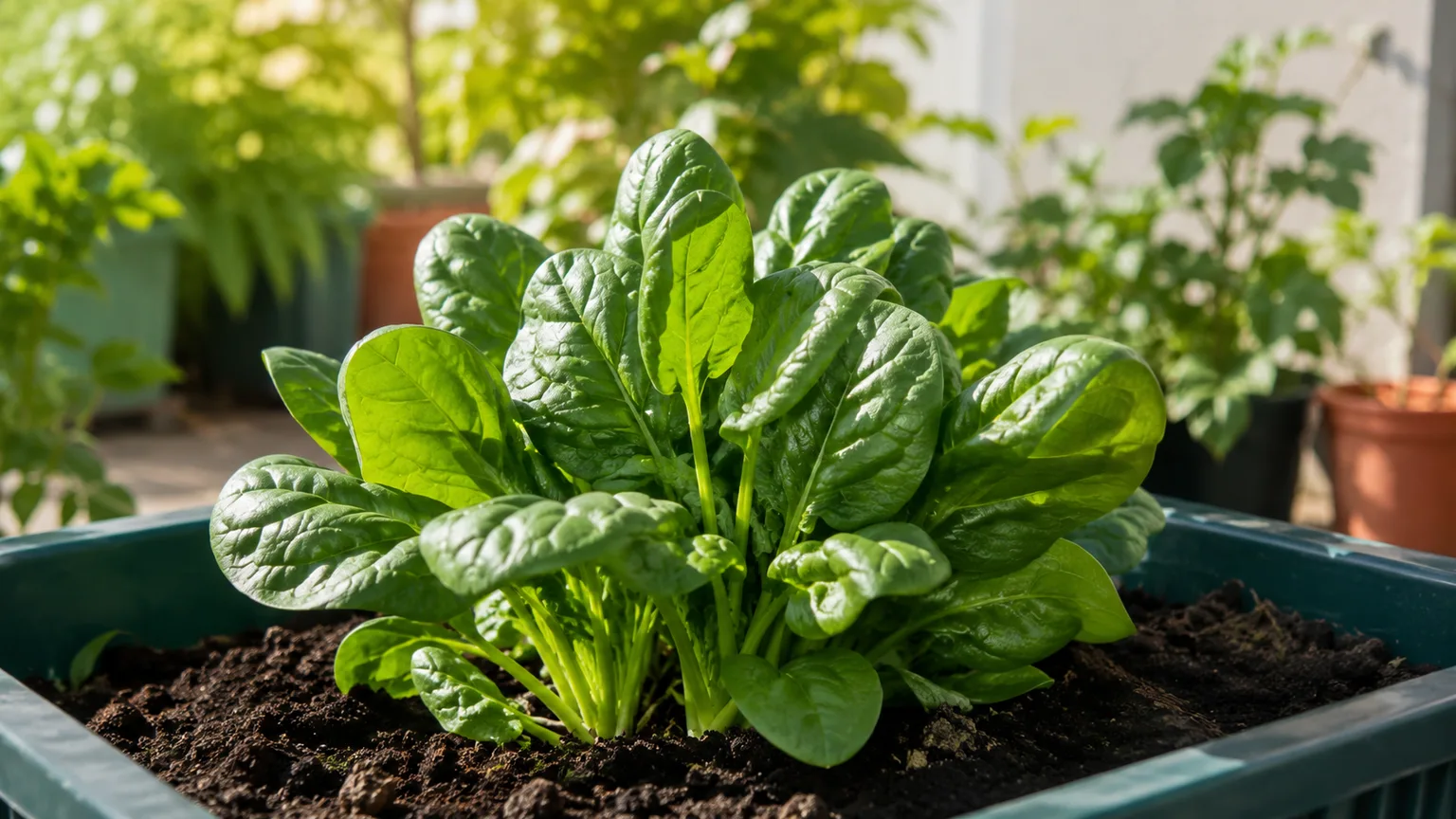
5. Spinach. Spinach is best sown directly once the soil begins cooling, though seedlings started in a protected tray can bridge a hot spell. Keep the seed row moist until emergence; hot, dry soil can delay a uniform stand. Harvest outer leaves for a longer picking period, or sow a final small patch under a low tunnel for later cutting.
6. Swiss chard. If a summer chard plant is still healthy, keep it in place and let cooler weather revive its production rather than pulling it out automatically. New sowings can also provide young leaves, but established plants give a faster autumn harvest. Pick outer stalks regularly and leave the central crown intact.
7. Arugula. Arugula is a fast salad green that is usually more satisfying as baby leaves than as a large, mature plant. Sow a short row every couple of weeks, keep it watered, and harvest before warm spells encourage strong, peppery leaves or flowering. It is an especially sensible choice when there is not enough time for a slower head-forming crop.
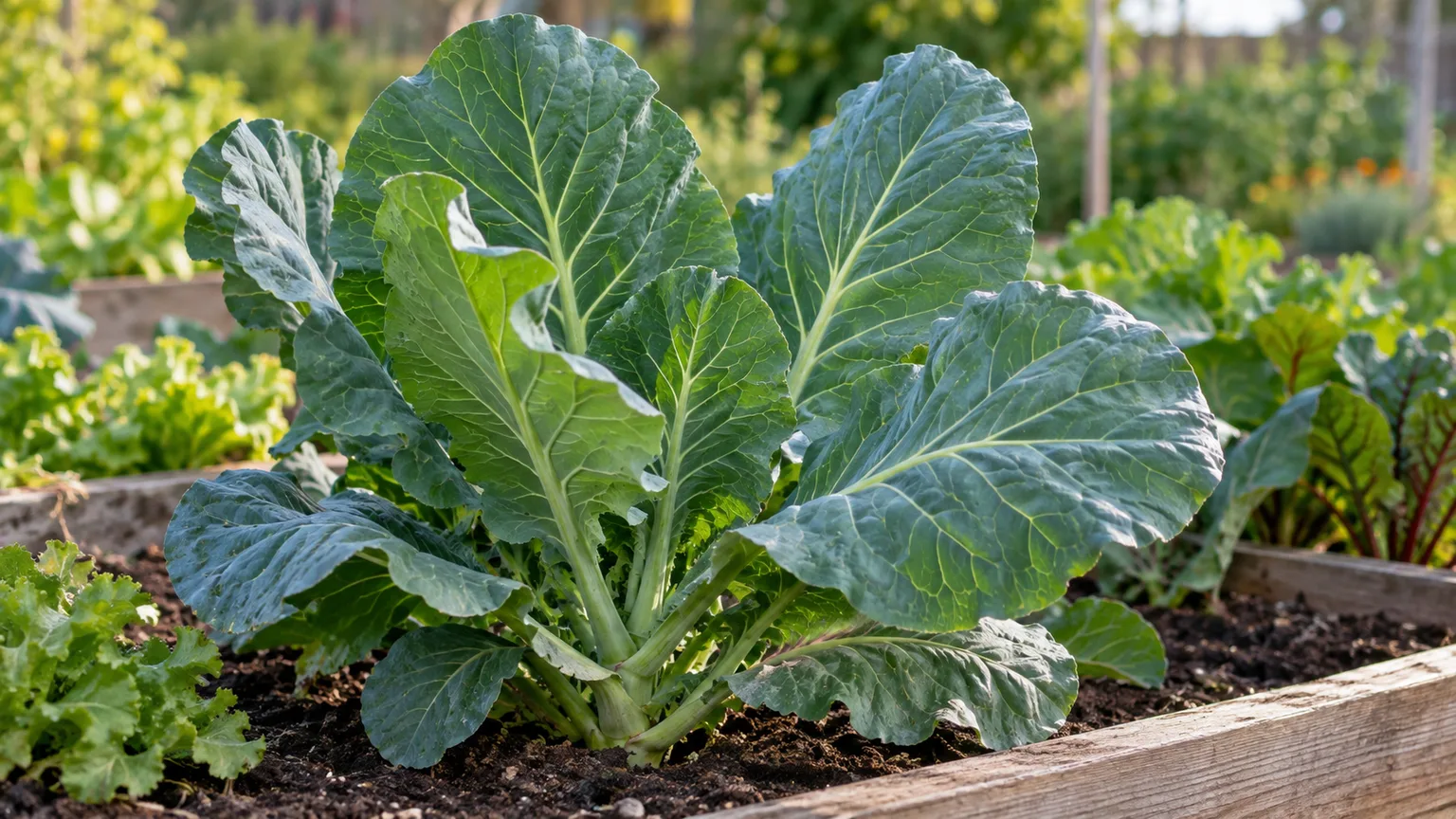
8. Collard greens. Collards make substantial leaves and can keep going through cool weather once they are established. Start them early enough to build a leafy plant before the days shorten, then pick the lower leaves as needed. They are a better fall bet than a tender summer vegetable where frost is likely, but winter survival depends on the variety and local protection.
Roots and Potatoes
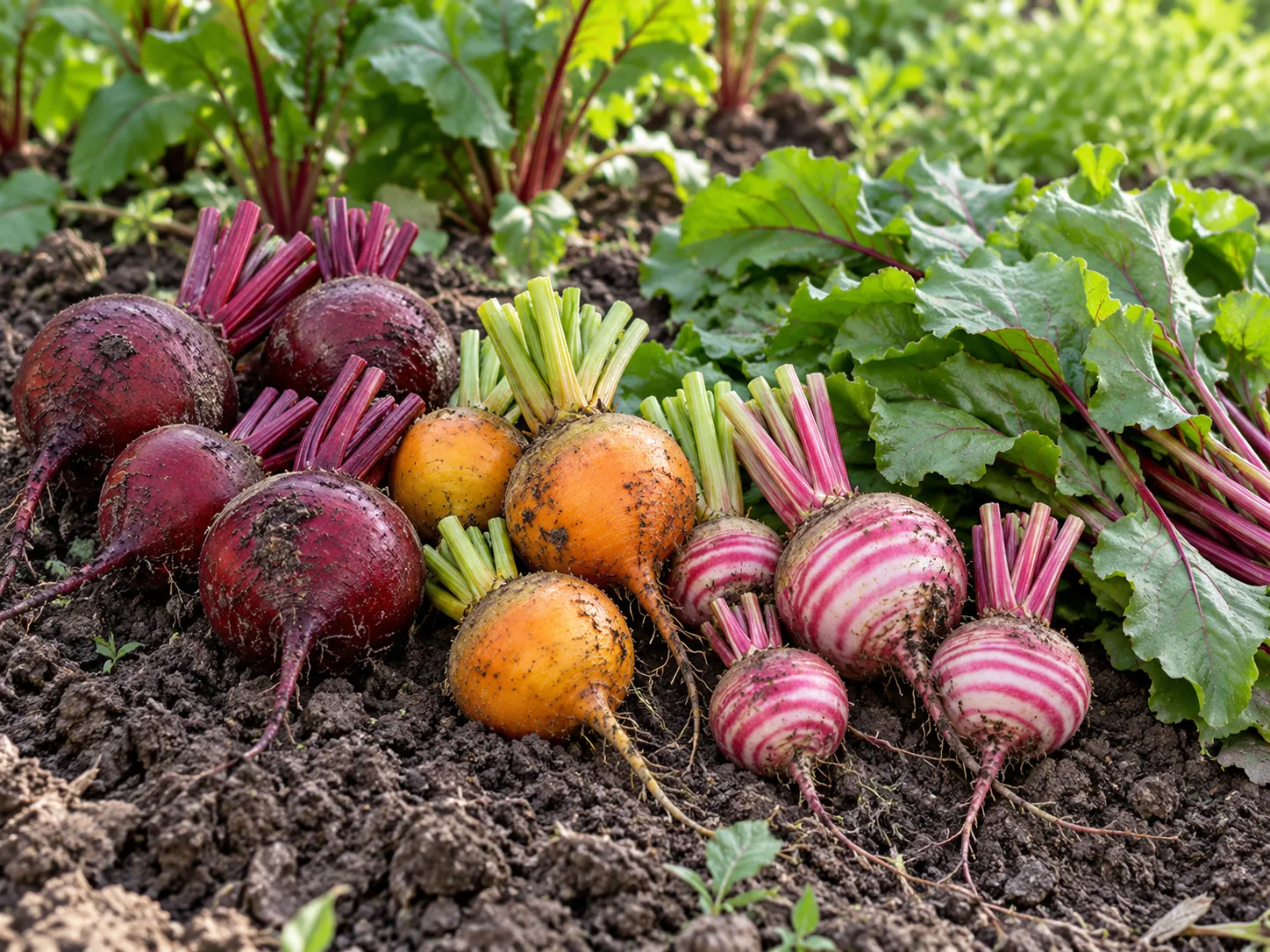
9. Beets. Sow beets directly because transplanting can disturb their developing roots. Thin seedlings early enough that neighboring roots have room to swell, and use the thinnings as tender greens; if time is limited, harvest the roots small rather than waiting for maximum size. A light frost is usually less of a concern than letting the bed dry during root development.
10. Carrots. Carrots need loose, stone-free soil and an evenly moist surface while the seeds germinate. Late sowings can still be worthwhile if you choose a quick variety and plan to harvest smaller roots; a full-size storage carrot needs a longer window. Keep the bed free of crusting and thin seedlings to the spacing on the packet so roots do not crowd.
11. Radishes. Radishes are among the fastest ways to turn an open bed into a fall harvest. Direct-sow them in short rows, keep the soil consistently moist, and pick roots promptly when they reach usable size; leaving them too long can make them woody, hot, or split. Penn State Extension notes that heat and delayed harvest can reduce radish quality, making the cooler season a better fit.
12. Turnips. Turnips offer two harvests from one sowing: leafy tops and the roots beneath. Sow directly in a prepared bed and thin to the spacing required by the variety; small salad turnips mature sooner than large storage types. The roots can take cool weather, but prolonged freezing is a different challenge from a light frost, so mulch or cover them if you intend to leave them in the ground.
13. Potatoes. Potatoes are a conditional fall crop, not a safe late-summer choice everywhere. In mild-winter regions, gardeners may plant a second crop for autumn harvest, but in colder areas the tops can be killed by frost before tubers finish. Use locally recommended, short-season seed potatoes and plant early enough to allow the variety’s full maturity period; never rely on grocery-store potatoes as a predictable crop.
Brassicas and Celery

14. Broccoli. Broccoli is worth the early space because its main head may be followed by smaller side shoots. Start seeds indoors or use transplants while there is still a generous stretch of cool growing weather; a late, tiny seedling may make leaves without producing a useful head. Keep the bed evenly moist as the head develops, and harvest while the buds are tight.
15. Cabbage. Cabbage needs an early start for a fall head, especially if you want a large storage variety. Choose a variety with a maturity date that fits your local window, transplant healthy starts rather than waiting for late seed germination, and keep water consistent as the head forms. Some cabbages handle chilly weather better than others, so check variety notes before planning to hold heads outside into winter.
16. Cauliflower. Cauliflower is less forgiving of a stalled fall season than quick leafy crops: it needs steady growth and reliable moisture to form a good head. Grow it from a transplant if possible, and choose an early variety when the calendar is tight. When a head appears, keep the plant growing evenly and harvest while it is compact and firm instead of waiting for the florets to loosen.
17. Brussels sprouts. Brussels sprouts occupy a bed for months, so they belong in the early-planning group. They produce sprouts along a tall stem and are harvested from the bottom upward as the lower buds firm; do not wait for every sprout to reach the same size. University of Missouri Extension notes that cool fall conditions improve sprout quality and that established plants can tolerate substantial cold, though local variety and weather still matter (University of Missouri Extension’s Brussels sprouts guide).
18. Celery. Celery is a long-season project for gardeners who can provide fertile soil, steady moisture, and enough time. Set out young transplants rather than starting a late direct-sown row, and avoid letting plants dry out as the stalks develop. If your frost date is near or summer heat has already slowed growth, choose a faster leafy crop instead; celery rewards planning more than improvisation.
Peas, Beans, and Alliums
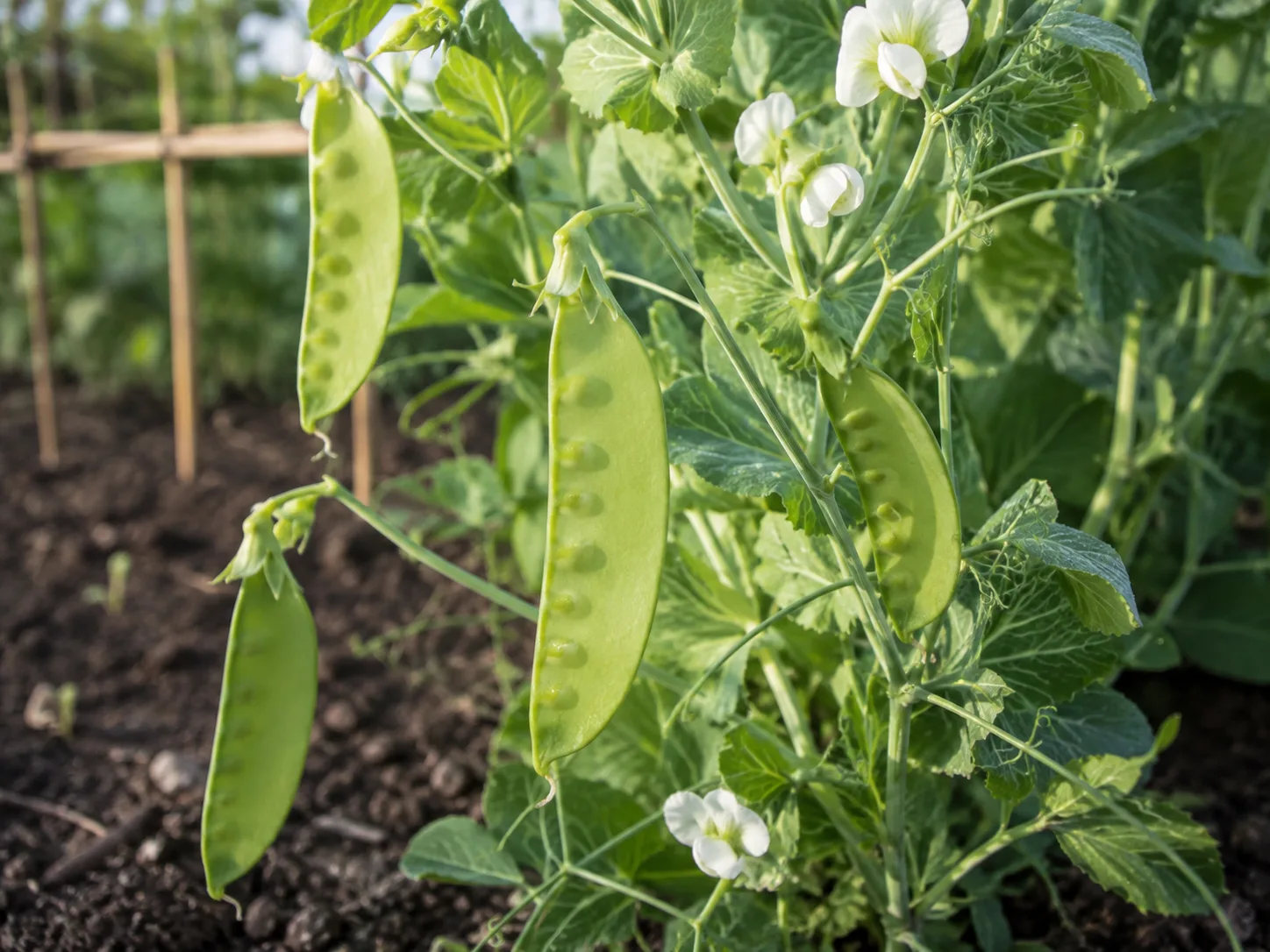
19. Peas. Peas like cool weather, but late-summer sowing asks seeds to germinate in warm soil and seedlings to handle strong sun. Choose a fast, short-vining variety, water the seed row, and install a small trellis at planting so tendrils have support as soon as they grow. They are most dependable where autumn stays mild long enough for flowering and pods to develop before a hard freeze.
20. Green beans. For a fall bean crop, choose a fast bush variety rather than a slower pole bean. Beans need warm soil to germinate and do not tolerate frost, so count backward from your first frost date and skip the planting if the maturity window plus a safety cushion will not fit. A row cover can shield plants from a brief chill, but it cannot turn a nearly finished season into a new summer.
21. Green onions. Scallions are a practical choice for small spaces and quick harvests because you can pull them young before they form large bulbs. Sow them in a narrow band or plant sets, keep the soil evenly moist, and harvest selectively so the rest of the row keeps growing. Their modest footprint also makes them easy to tuck between slower crops.
22. Leeks. Leeks take a long time to reach thick, restaurant-size stems, so start with nursery transplants or seedlings that have been growing for weeks rather than sowing them late and expecting a large fall harvest. In a mild climate, a smaller leek crop can continue into winter; in cold regions, decide whether you are growing pencil-size leeks for cooking or planning for an overwintered crop. Protect the row before the soil freezes hard.
Warm-Season Crops for Long, Mild Falls
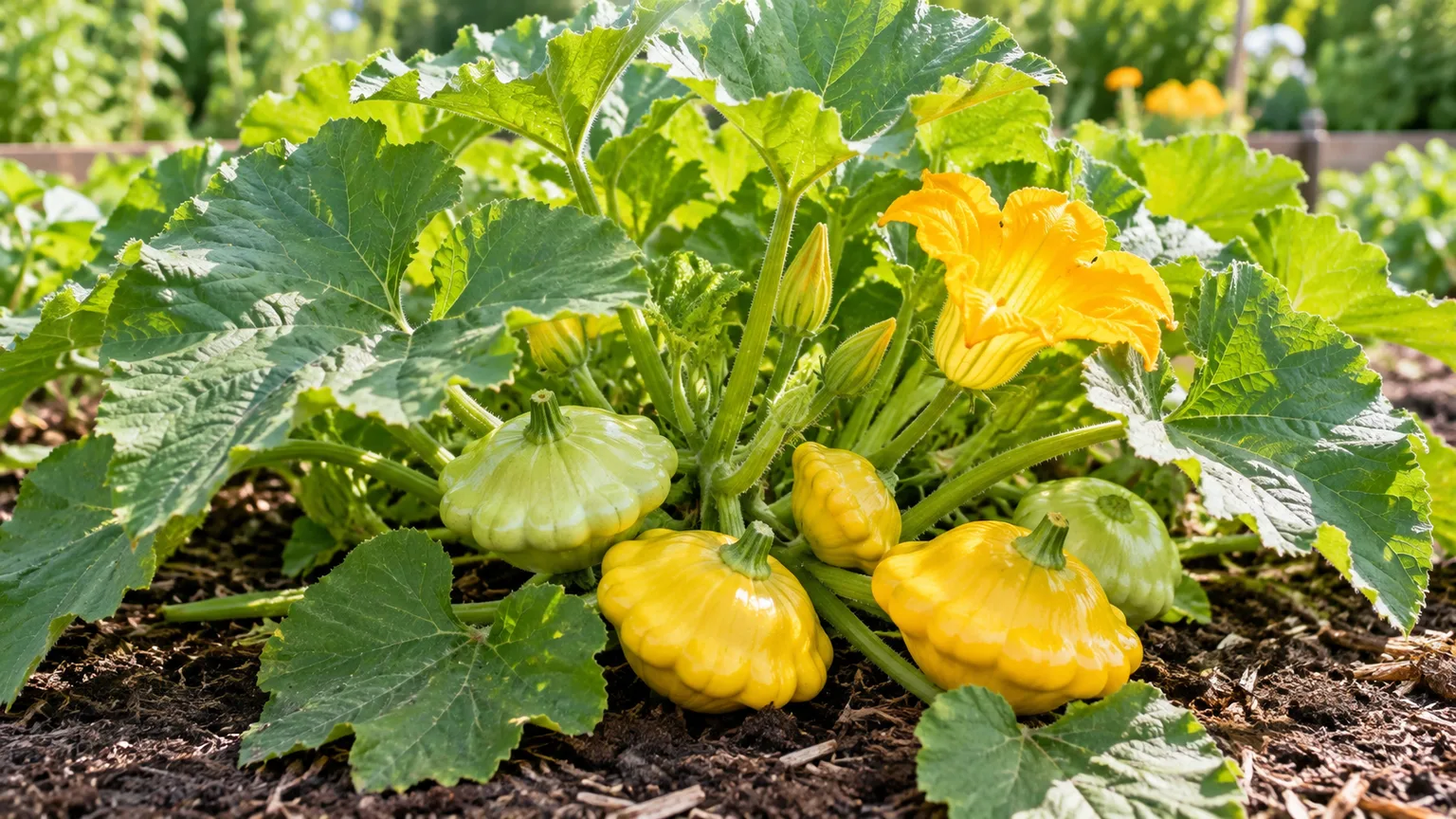
These last four are not dependable fall crops in every garden. Their vines and fruits still need warmth, and a frost can end the crop before it matures, so plant them only when your local frost date leaves enough time for their variety’s full DTM.
23. Pumpkins. Pumpkins need a long, warm growing period and room for sprawling vines, which makes them a poor late-season gamble in a short-summer region. Start with a variety whose maturity fits your calendar and get it into warm soil early; if the remaining window is shorter than its DTM plus a buffer, buy a mature pumpkin for fall decorating and use the bed for greens instead. Harvest before a hard frost damages the vine and fruit.
24. Winter squash. Winter squash can store after harvest, but its name does not mean it is immune to winter frost while growing. The fruits must mature on the vine before freezing weather; choose a short-season type, give it the warmest sunny site, and keep its leaves healthy enough to feed developing fruit. Where frost comes early, a young late-planted vine is unlikely to repay the garden space it occupies.
25. Yellow summer squash. Yellow squash may produce quickly in a warm, long autumn, but it is a heat-loving crop and its growth slows as nights turn cold. Use a compact, quick variety and sow only if the forecast window comfortably exceeds its maturity estimate. A frost can kill the plant, so do not plan on it for a garden that is already entering regular freezing nights.
26. Zucchini. Zucchini can be productive into fall when a healthy summer plant keeps setting fruit, especially in a mild climate. A new late sowing is a different proposition: it needs enough warm days to germinate, flower, and produce before frost. Keep harvesting young fruit from existing plants, and reserve fresh seed for fall only when your climate offers a genuinely long, warm season.
Keep the Fall Garden Productive
Once summer crops come out, clear away diseased debris and remove weeds before they seed. Add finished compost if the soil needs organic matter, but avoid applying fertilizer by habit; a soil test is a better way to decide whether a bed needs a particular amendment. Penn State Extension recommends fall as a useful time to test soil so that any needed changes can be planned before spring.
Help Seeds Germinate in Warm Soil
Late-summer seedbeds can be hotter and drier than the weather suggests. Water the area before sowing, plant at the depth on the seed packet, and keep the surface from drying until seedlings emerge. If afternoon sun is intense, shade a newly seeded strip with breathable shade cloth or a board held above the soil, checking it daily and removing it once sprouts appear.
Do not use a thick mulch over tiny seeds: it can prevent them from emerging. Once seedlings are established, a light organic mulch can reduce moisture swings, but keep it away from delicate stems and check underneath for slugs. For repeat sowings, label each short row with the date; this makes it easy to see which batch is ready and avoids planting more greens than you can harvest.
Protect Crops From Frost Without Overpromising
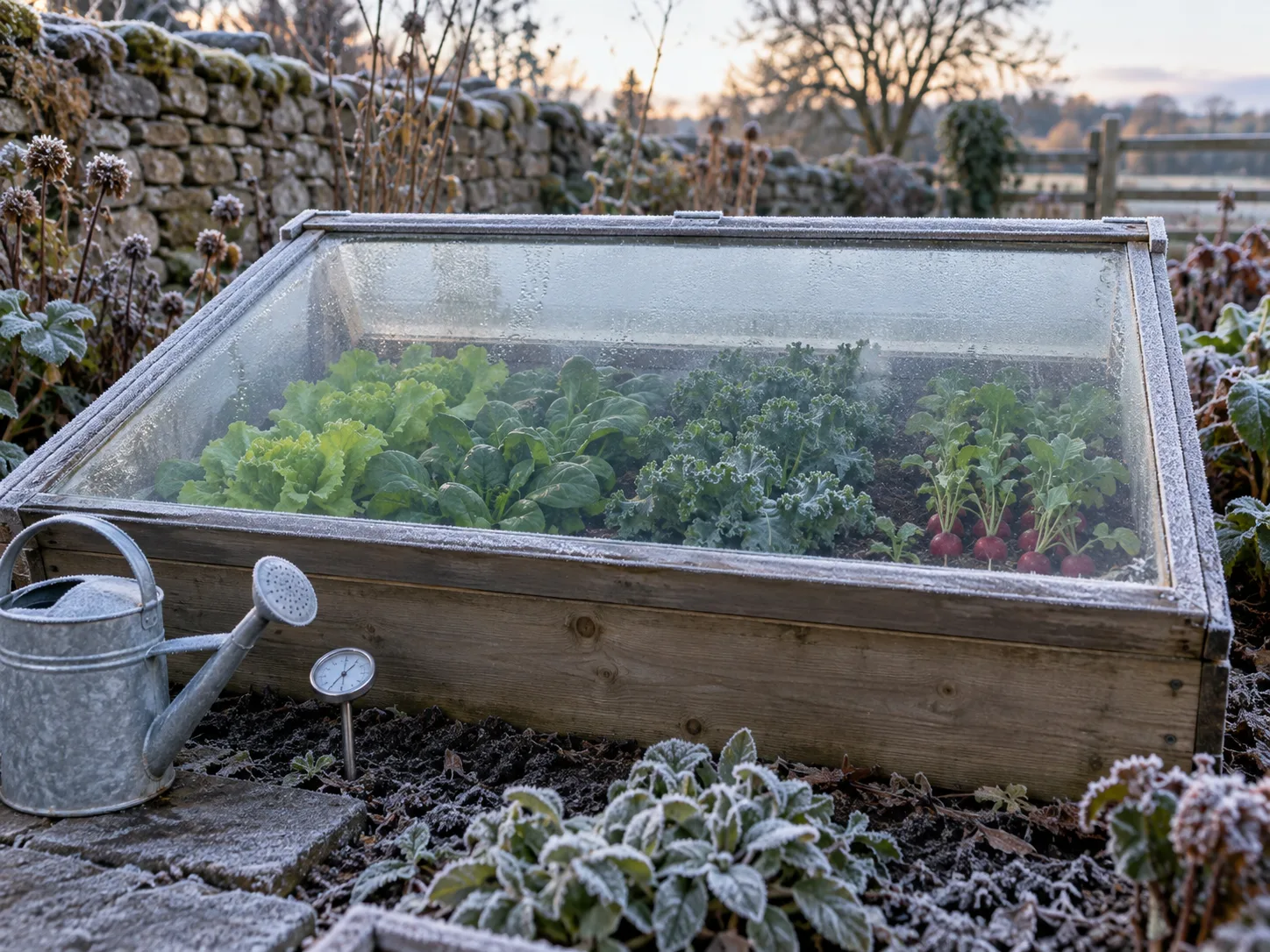
A light row cover can protect seedlings from insects, wind, and a brief temperature dip, while hoops keep the fabric from crushing foliage. Penn State Extension describes low tunnels and other season extenders as ways to shelter cool-season crops beyond normal frost dates. Covers can buy time, but they do not make tender beans, zucchini, or pumpkins hardy through a hard freeze; uncover or vent protected beds on sunny days so heat does not build up inside.
Separate crops by their actual job. Use covers to extend greens and brassicas, harvest tender crops before the freeze, and let cold-tolerant roots or kale remain only as long as soil and weather allow. Brussels sprouts are a special case: established plants can tolerate considerable cold, and cool weather is part of their quality, but the University of Missouri’s temperature observations describe its regional conditions rather than a guarantee for every variety and garden.
Conclusion
The best fall vegetables are the ones that fit the calendar you have, not the ones that look most appealing in a seed catalog. Count backward from your local frost date, add a realistic slowdown buffer, and prioritize quick greens and roots when the season is short; give long-season brassicas an early start and reserve squash, pumpkins, beans, and potatoes for climates that can support them.
Plant a small succession instead of a single oversized bed, keep seed rows moist in late-summer heat, and have row covers ready before the first chilly night. That approach turns fall gardening from a hopeful list of possibilities into a harvest plan that makes sense for your weather.



