Tortoises safety

Is Cebu Blue Pothos Safe for Tortoises?

Quick answer

Cebu Blue Pothos (Araceae) is high in oxalates, which bind calcium and can cause nutritional deficiencies and kidney damage in tortoises. Herbivorous tortoises should never be offered oxalate-rich houseplants.
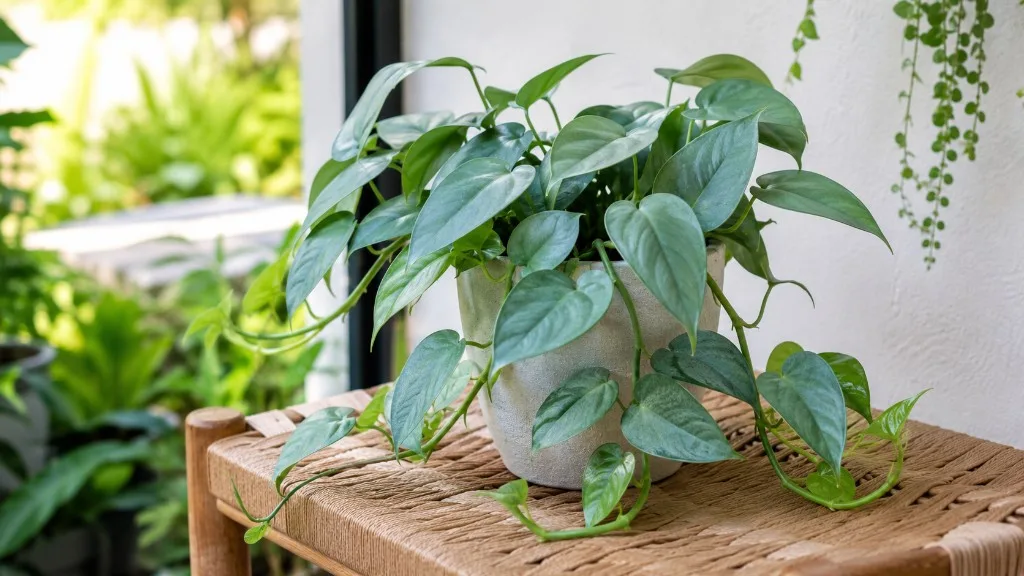
Cebu Blue Pothos houseplant

Is Cebu Blue Pothos safe for tortoises?

Toxic(moderate)

Cebu Blue Pothos (Araceae) is high in oxalates, which bind calcium and can cause nutritional deficiencies and kidney damage in tortoises. Herbivorous tortoises should never be offered oxalate-rich houseplants.

Possible symptoms: oral irritation, drooling, difficulty swallowing

Sources

Disclaimer: This page is for general information only and is not veterinary advice. If your tortoises ate Cebu Blue Pothos, contact your veterinarian or animal poison control immediately.

Frequently asked questions

Is Cebu Blue Pothos safe for tortoises?

Cebu Blue Pothos (Araceae) is high in oxalates, which bind calcium and can cause nutritional deficiencies and kidney damage in tortoises. Herbivorous tortoises should never be offered oxalate-rich houseplants.

What should I do if my tortoises ate Cebu Blue Pothos?

Remove any remaining plant material, note how much was eaten, and contact your veterinarian or animal poison control immediately. Watch for: oral irritation, drooling, difficulty swallowing.

What are safer plant alternatives for tortoises?

Browse our verified list of plants safe for tortoises at /best-plants/plants-safe-for-tortoises/. Popular picks include spider plant, Boston fern, and areca palm for cat and dog households.

How this Cebu Blue Pothos profile is reviewed?

Editorial policyReview board

Written by · Reviewed by LeafyPixels Review Board

This Cebu Blue Pothos plant profile was researched and written by . Care facts, watering ranges, light needs, and pet-safety notes for Cebu Blue Pothos are checked against multiple independent references before publication.

We prioritize sources that hold up under scrutiny:

  • University cooperative extension bulletins and fact sheets (Penn State, Clemson, UMD, NC State, and similar programs)
  • Botanical garden and horticultural society publications
  • Peer-reviewed plant science and veterinary toxicology references where pet safety matters (including ASPCA Animal Poison Control)
  • Established reference works on indoor plant culture

The LeafyPixels editorial team then reviews the draft for clarity, step-by-step usefulness, and fit with real apartment and home conditions-not ideal greenhouse setups. When guidance changes materially, we update the page and note the revision date.


Sources used

  1. ASPCA Animal Poison Control (n.d.) Pet toxicity classification. [Online]. Available at: https://www.aspca.org/pet-care/aspca-poison-control/toxic-and-non-toxic-plants/golden-pothos (Accessed: 1 March 2024).
  2. Merck Veterinary Manual (n.d.) Veterinary toxicology mechanisms. [Online]. Available at: https://www.merckvetmanual.com/toxicology/poisonous-plants/houseplants-and-ornamentals-toxic-to-animals (Accessed: 1 March 2024).
  3. Tortoise Group (n.d.) Tortoise plant toxicity cautions. [Online]. Available at: https://tortoisegroup.org/plants-poisonous-to-tortoises/ (Accessed: 1 March 2024).